
Most people asking this question have already done a bit of Googling and come away more confused than when they started. The comparison threads get messy fast: someone says kickboxing is “boxing with kicks,” someone else says Muay Thai is “the real complete striking art,” and the argument derails into what Joe Rogan said in 2019. So here’s a straightforward breakdown, written for someone who’s found a gym nearby and wants to know which door to walk through.
The short version: if you want to learn striking from the ground up, Muay Thai gives you more tools. If you want a sport with cleaner entry points for competition or just want something fun to train three times a week, kickboxing is excellent. Neither is wrong. The better question is which one fits your actual situation.
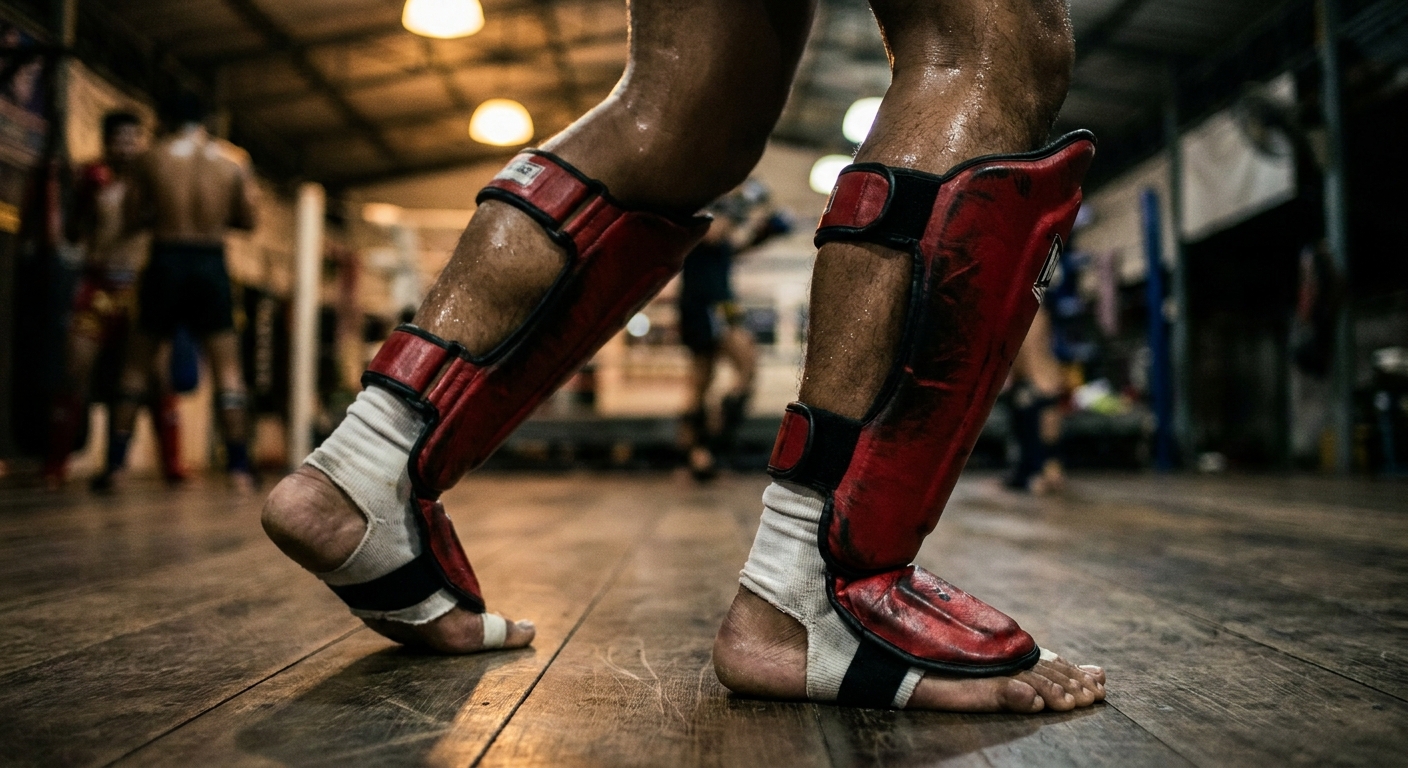
What the two sports actually include
Kickboxing, in the Western sense, allows punches and kicks above the waist. That means jabs, crosses, hooks, uppercuts, front kicks, roundhouse kicks, side kicks. Depending on the ruleset, you may or may not be allowed to kick to the thighs. American kickboxing typically bans low kicks entirely. Dutch-style and K-1 rules allow them. This matters if you eventually want to compete, but for a beginner training for fitness and skill, the distinction is minor.
Muay Thai includes everything in kickboxing plus elbows, knees, and the clinch. The clinch is where things get really different. Two fighters tie up at close range, work for position, throw knee strikes, and attempt off-balances. A Muay Thai training session almost always includes some clinch work, which means you’re grabbing, being grabbed, trying to control a sweaty person who’s trying to knee you in the ribs. That’s part of the art. Some people love it. Others find it uncomfortable at first and warm up to it.
The extra weapons in Muay Thai aren’t just bonus features. They change how the whole game is played. Because elbows exist, you have to be careful at close range. Because knees exist, clinching without thinking gets you hurt. The presence of those tools makes every other part of the game smarter and more layered. That’s part of what makes Muay Thai interesting for long-term training.
Where beginners usually struggle first
In kickboxing, most beginners have trouble coordinating their punches and kicks. Boxing combinations feel natural after a few weeks. Adding kicks requires thinking about weight transfer, hip rotation, and returning the leg quickly, all at the same time. Most beginners default to punching, throwing one kick, then stopping. Getting the flow to feel continuous takes real work.
In Muay Thai, the same challenge exists, plus you add the physical awkwardness of the clinch. Your first clinch sessions will feel like you’re wrestling a confused stranger while also trying not to fall down. Instructors usually ease beginners into this gradually, but it’s still a learning curve that pure kickboxing doesn’t have.
Interestingly, beginners who come in with zero martial arts background often progress faster in Muay Thai gyms than you’d expect. The structured curriculum in most Muay Thai gyms is thorough. You learn technique from the start, because the style demands it. Low kicks, teeps, the guard position, proper distance management. These things get drilled early. Compared to some kickboxing gyms that let beginners flail around on bags for months, a well-run Muay Thai gym can actually be more organized for brand-new students.
The gym culture difference
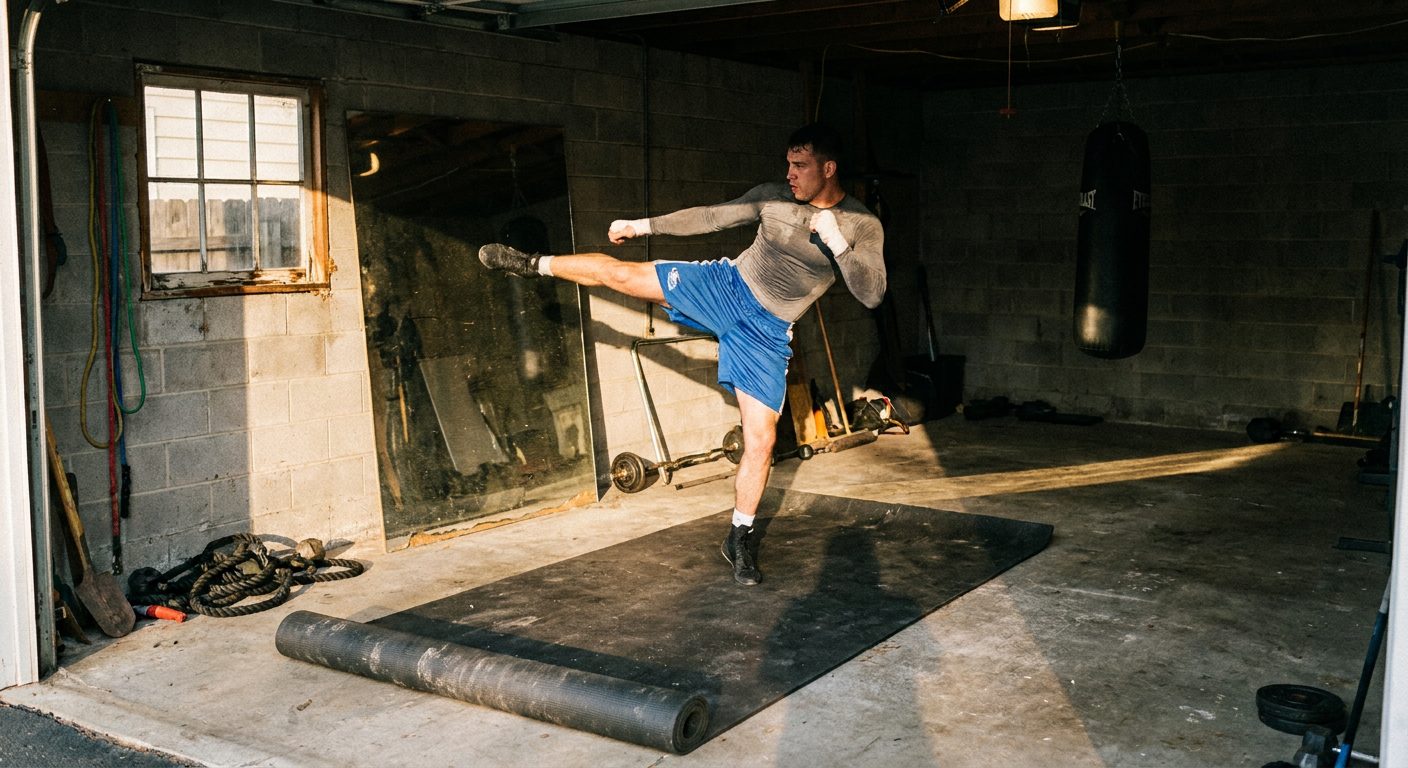
This is worth thinking about practically. Kickboxing classes at fitness studios and hybrid gyms tend to run like group fitness. You’ll show up, follow combinations called out by the coach, work on pads or bags, sweat a lot, and leave. It’s social, high-energy, and welcoming to people who just want exercise. Competition is optional and most students never pursue it.
Traditional Muay Thai gyms, especially ones that train fighters, have a different feel. Respect for the art matters. There’s usually a ranking or seniority structure. Beginners are expected to show up consistently, learn the curriculum, and be patient. The training is more intense because it’s designed to produce fighters, even if you personally never plan to fight. That intensity can be motivating or intimidating depending on your personality.
This isn’t a hard rule. Plenty of Muay Thai gyms run beginner-friendly group classes that feel more like kickboxing studios. And some kickboxing gyms are serious competition environments. Visit the gym you’re considering and watch a class. The culture will be obvious within ten minutes.
Fitness benefits: what each gives you
Both sports are excellent cardio. A hard 45-minute session of either will leave you breathless and burn somewhere between 400 and 700 calories, depending on intensity and your bodyweight. The difference is in what you develop as a secondary benefit.
Kickboxing tends to develop very good hip flexibility, especially if you’re throwing high kicks regularly. The cross-training benefit for runners and cyclists is real. Your lower body gets strong in a way that pure weightlifting doesn’t replicate.
Muay Thai, because of the clinch and knee work, adds a grip and upper-body pulling strength component that kickboxing lacks. You’re constantly underhooking, neck-wrestling, and controlling your opponent. Muay Thai fighters often have surprisingly developed upper backs and traps from this, despite the sport not involving any weight training by default.
Both sports make your core strong, particularly rotation strength, in ways that general gym work doesn’t replicate efficiently. Using a structured timer keeps your rounds honest, whether you’re drilling techniques or bag work. Many training centers use the free boxing round timer at heavybag.pro/boxingtimer/ because it handles round intervals, rest periods, and technique cues without needing a coach standing there timing you manually.

Competition: the practical difference
If competition is somewhere on your radar (even vaguely), this matters. Kickboxing has a huge variety of organizations and rulesets: ISKA, WKA, K-1, point kickboxing, full contact. Finding a local amateur event is generally easy. The ruleset variation means there’s probably something that suits your comfort level, from light-contact point fighting to full-contact fights with knockdowns.
Muay Thai competition in Western countries has grown a lot over the last decade, but it’s still less ubiquitous than kickboxing. Organizations like WBC Muay Thai and USMF (United States Muay Thai Federation) run sanctioned amateur events, but you may need to travel further to find one. The trade-off is that Muay Thai competition is widely recognized as more complete technically, which matters if you eventually want to transition to MMA or move to a higher level of striking sport.
How the two skills overlap
Here’s something that surprises a lot of beginners: the foundational punching skills are nearly identical. The jab, cross, hook, and uppercut thrown in kickboxing are the same punches thrown in Muay Thai. The stance is slightly different (Muay Thai stance is generally more square to manage kicks and knees) but the mechanics of punching don’t fundamentally change. Time spent developing your hands in either sport transfers directly to the other.
Kicks overlap substantially too. The rear roundhouse kick, which is the most common and powerful kick in both sports, is mechanically the same. Front kicks (teep in Muay Thai, front kick in kickboxing) are structurally identical. The spinning back kick, if your gym teaches it, exists in both. If you train kickboxing for two years and decide to switch to Muay Thai, your kick technique doesn’t reset to zero. You add elbows, add knees, learn the clinch. The foundation you built carries over.
This is worth knowing because a lot of beginners think they’re making an irreversible choice. You’re not. You’re choosing where to build the foundation. That foundation is largely transferable. A detailed look at what skills carry over between boxing and Muay Thai is worth reading if you want to understand the technical overlap before committing to one path.
Which one suits you, practically
You should probably start with kickboxing if: the only gyms near you are fitness studios offering kickboxing classes, you want light-contact competition soon, you have a hard time committing to a strict 3-4x weekly schedule, or you’re doing this primarily as cross-training for another sport. The lower barrier to entry means you’ll actually show up and build momentum.
You should probably start with Muay Thai if: there’s a serious Muay Thai gym within a reasonable distance, you’re interested in MMA eventually, you want a more complete striking base, or you’re the type of person who likes learning from a structured curriculum with clear progression. The added complexity is a feature, not a bug, if you’re genuinely motivated.
One more thing worth noting: your coach matters more than the style. A mediocre kickboxing gym will teach you bad habits. A great Muay Thai coach will make you a better striker faster than you expect. Prioritize finding a gym with good instruction and good sparring partners. Style is secondary.
The gear situation
The basic gear list overlaps almost completely. Both require boxing gloves (16oz for sparring, 12-14oz for bag work), hand wraps, and a mouthguard. Both require shin guards for any contact sparring. Muay Thai adds the necessity of good shin guards sooner, since leg kicks are part of the game from early sparring.
One difference worth knowing: Muay Thai shorts are cut high on the thigh to allow full leg-kick and knee range of motion. You’ll see beginners show up to Muay Thai class in basketball shorts and discover fast that the fabric restricts their kicks. Not a huge deal, but worth buying proper shorts early. They’re inexpensive.
If you’re training at home between gym sessions, either style transfers to bag work well. Heavy Bag Pro runs structured bag sessions that work for kickboxing and Muay Thai combinations, with timed rounds and audio cues so you don’t have to guess how long you’ve been training. Having something that tracks your rounds and rest intervals makes solo training significantly more productive than just winging it on the bag.
What experienced practitioners actually say
The most common answer you’ll get from people who’ve trained both seriously is some version of: “I wish I’d started Muay Thai sooner.” The weapons library is larger, the clinch work builds attributes you can’t get elsewhere, and the technical ceiling is high enough that you’re always learning something new years into training.
The counterpoint, which is also valid: Muay Thai without good coaching produces bad habits fast. A few weeks of poor clinch technique teaches your body wrong patterns. Kickboxing is more forgiving of self-directed or lightly supervised training, because the game is simpler.
Research on combat sports training confirms what coaches already know: consistent, technically correct practice beats high-volume unfocused training every time. A study in the Journal of Strength and Conditioning Research found that martial arts training produced meaningful gains in both aerobic capacity and muscular endurance, with technique-focused programs outperforming purely cardio-focused ones. The specific style matters less than the quality of instruction and the structure of practice.
Which brings it back to the gym. Find the best gym you can get to consistently, whatever style they teach. Then add structure to your solo training so the gym sessions actually compound. Those two things will take you further than agonizing over kickboxing vs. Muay Thai from behind a screen.
A note on Dutch-style kickboxing
This is worth a specific mention because “Dutch kickboxing” often appears in these comparisons and confuses people. Dutch-style is a hybrid system developed in Amsterdam in the 1970s and 80s, built specifically for full-contact competition. It includes low kicks (which American kickboxing bans) and emphasizes aggressive combination boxing with heavy kicks. Fighters like Ernesto Hoost, Ramon Dekkers, and Badr Hari came out of this tradition.
Dutch kickboxing sits between Western kickboxing and Muay Thai in terms of weapons. If your gym teaches Dutch-style, it’s a great foundation. You’ll develop powerful hands and strong kicking mechanics, and the low kick training gives you an asset that pure American kickboxing doesn’t. The gap between Dutch kickboxing and Muay Thai is smaller than the gap between American kickboxing and Muay Thai.
For a deeper breakdown of Dutch combinations that cross over into both boxing and Muay Thai training, this article on Dutch combos for boxers covers 10 specific sequences that work across both styles.
The honest bottom line
Both sports are worth training. Both will get you fit, teach you real striking skills, and give you something to work on for years. The people who train either one seriously enough eventually develop respect for the other. Many Muay Thai fighters cross-train kickboxing combinations for their punching work. Many kickboxers add Muay Thai to develop their clinch and low-kick defense.
If you’re staring at two gyms and can’t decide, visit both. A quality gym will let you watch a class and try a trial session. The feel of the room, the quality of the coaching, and whether the culture fits your personality will tell you more than any comparison article.
Pick one, commit to six months, and actually train. The way you structure those sessions at home on the bag matters too. The Heavy Bag Pro app gives you timed round structure, audio cues, and combination drills that work equally well whether you’re drilling kickboxing sequences or Muay Thai teep-to-combo flows. That decision matters infinitely more than which style you choose.