
Thinking about switching between boxing and Muay Thai? You’re not alone. Every fighter wonders which skills transfer and which ones might actually hold them back. The answer is more complicated than most gym bros will tell you.
After years training both sports and watching countless fighters make the switch, here’s what actually transfers between boxing and Muay Thai, and what doesn’t.
Skills That Transfer Without Any Issues
Some fundamentals work across both sports without modification. These are the golden transfers that make switching between disciplines easier.
Cardiovascular Fitness and Work Capacity
Your gas tank carries over completely. The conditioning you build hitting pads for three minutes straight translates directly. Boxing rounds prepare you for Muay Thai rounds and vice versa.
The mental toughness you develop pushing through fatigue? That’s universal. Whether you’re throwing combinations on the heavy bag or clinching in the corner, your ability to work through exhaustion stays the same.
Basic Punching Mechanics
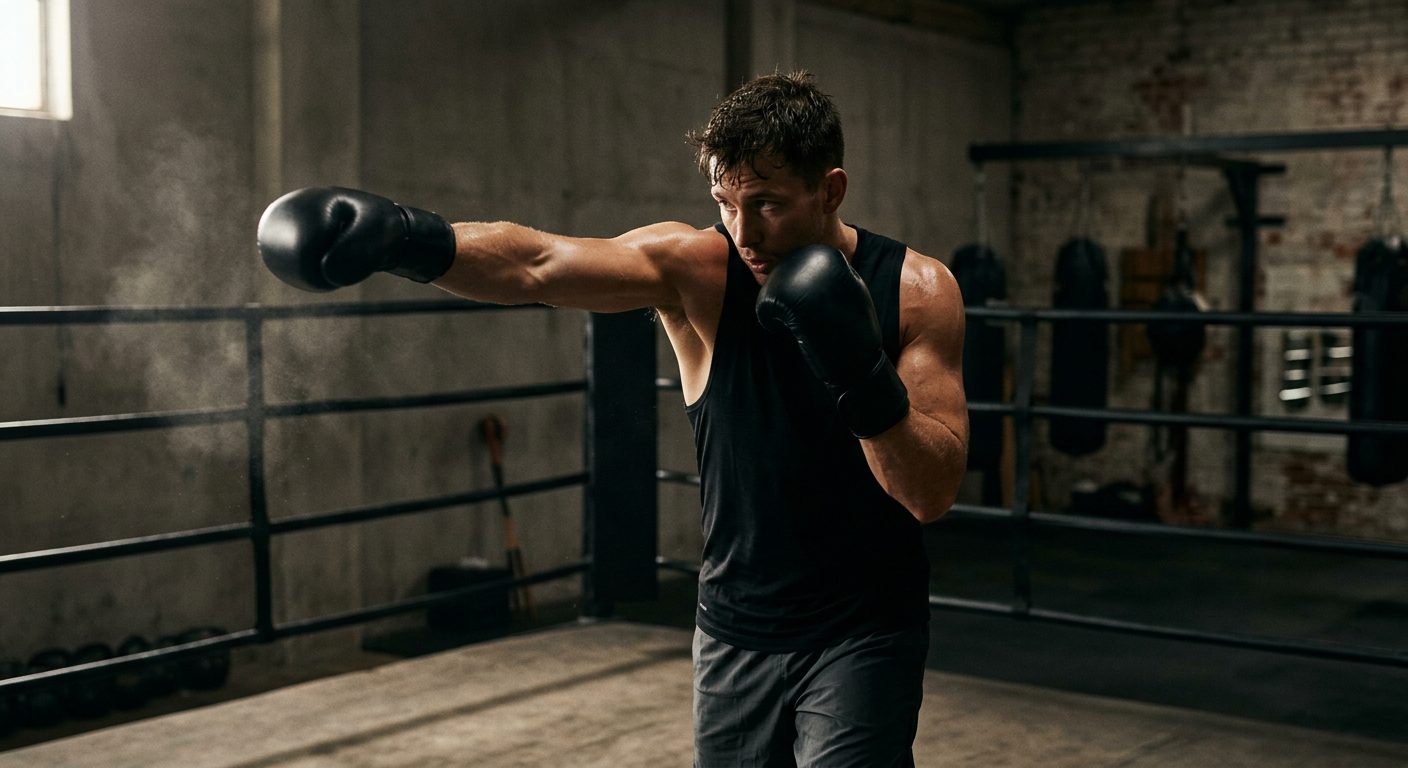
Your jab, cross, hook, and uppercut fundamentals transfer almost perfectly. The hip rotation, shoulder engagement, and follow-through mechanics are identical in both sports.
Where boxers excel immediately in Muay Thai is punch volume and combination flow. Years of focusing purely on hands gives you a massive advantage in the punching department when you add kicks and knees.
Defensive Head Movement (With Important Limits)
The ability to slip, duck, and weave transfers to Muay Thai, but with important limitations. You can still avoid punches the same way, but you need to be more selective about when to use head movement.
In Muay Thai, excessive head movement can set you up for devastating knee strikes. But the underlying ability to see punches coming and move your head? That’s pure gold.
Footwork: Where Things Get Complicated
This is where the transfer gets murky. Boxing footwork and Muay Thai footwork have different priorities and different threats to consider.
Boxing Footwork Strengths
Boxers typically have superior in-and-out movement. The lateral movement, pivoting, and angle creation that boxing develops translates well for hit-and-run Muay Thai strategies.
The ability to stay light on your feet and change direction quickly helps in Muay Thai, especially when avoiding kicks or setting up counter-attacks.
Where Boxing Footwork Fails
Boxing’s emphasis on constant movement can be a liability in Muay Thai. The squared stance that works in boxing makes you vulnerable to leg kicks. The bouncing and dancing that looks slick in boxing creates opportunities for your opponent to sweep or kick your supporting leg.
Muay Thai requires more planted, stable stances for checking kicks and maintaining balance during clinch work. Boxers often struggle initially with the more static positioning.
The Clinch: A Completely New World
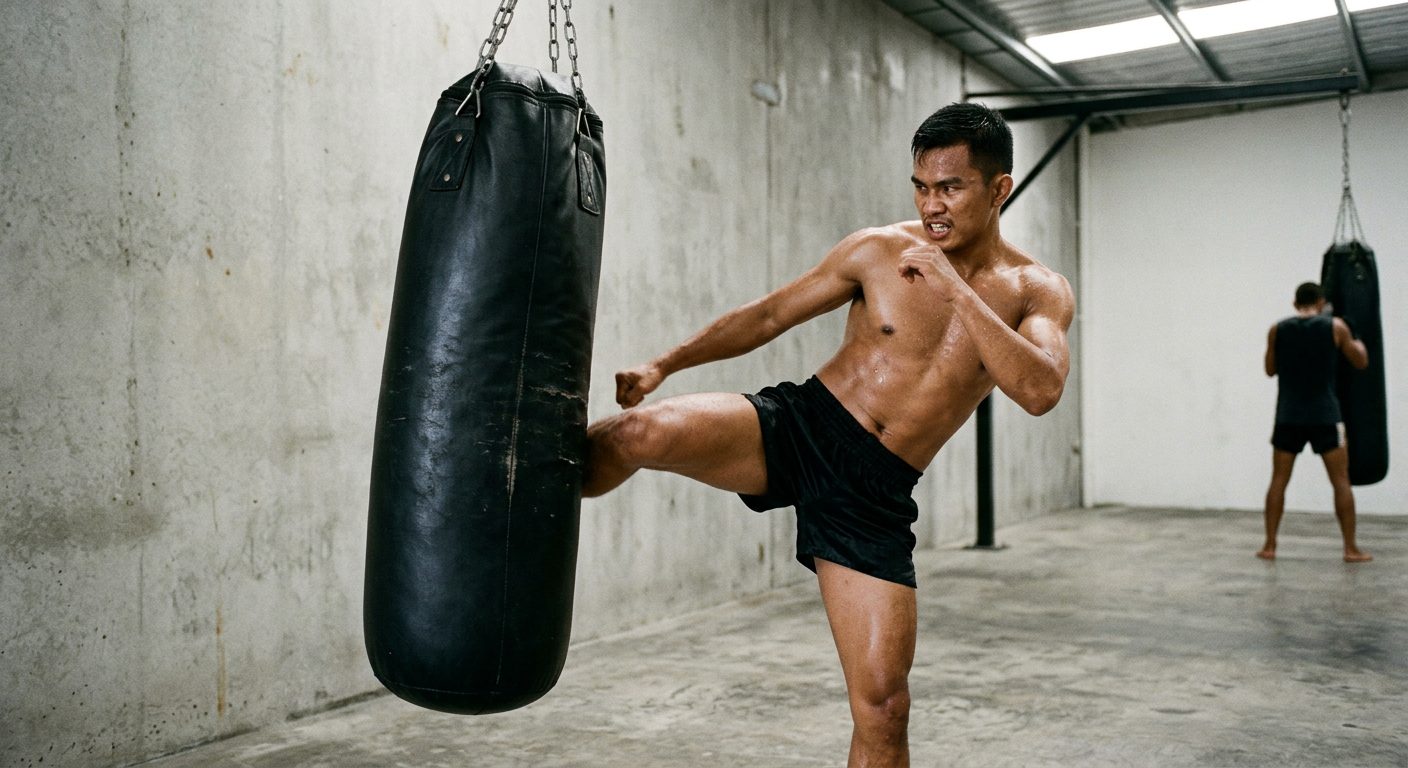
This is where boxing experience provides almost no advantage. The Muay Thai clinch is a specialized skill set that requires dedicated practice.
Boxers switching to Muay Thai often struggle with:
- Grip fighting and hand positioning
- Using the plum (double collar tie) effectively
- Knee strikes from the clinch
- Defending against knees and elbows in close
- Clinch entries and exits
However, boxers do bring one advantage: comfort with close-range fighting. While the techniques are different, the mental comfort of being pressed against an opponent carries over.
Kicking: Starting From Scratch (Mostly)
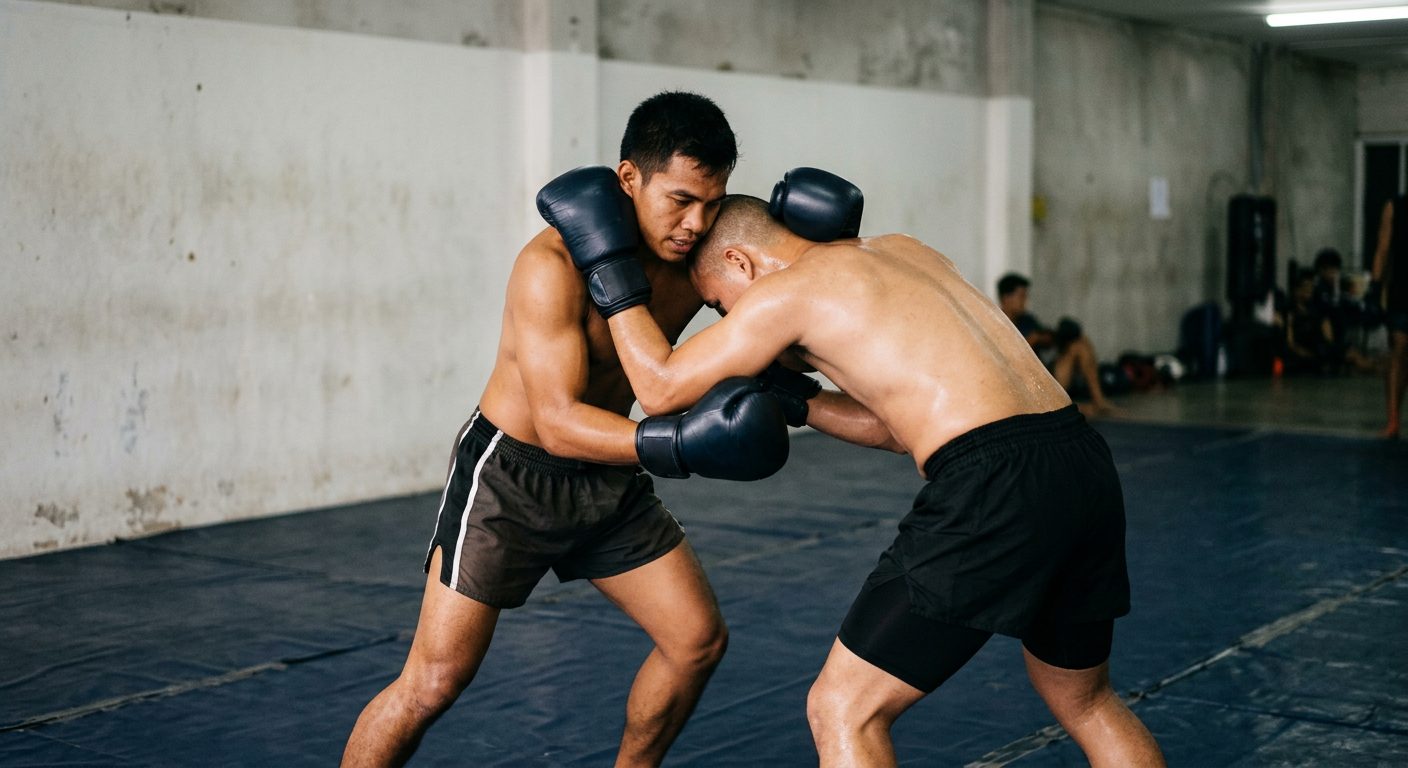
Boxing provides minimal preparation for Muay Thai kicks. Your legs need to develop entirely new movement patterns, flexibility, and coordination.
What Doesn’t Transfer
Boxers switching to Muay Thai typically struggle with:
- Hip flexibility for proper kick technique
- Balance while throwing kicks
- Checking kicks with proper shin positioning
- Timing kicks with punches
- Defending against leg kicks
Hidden Advantages
Boxers do have some unexpected advantages when learning kicks. The core strength developed from punching helps with kick power. The understanding of distance and timing transfers to kick placement.
Many boxers pick up basic kick techniques faster than expected because they already understand how to generate power from the ground up through proper body mechanics.
Mental Game and Ring IQ
The strategic thinking developed in boxing translates beautifully to Muay Thai. Understanding distance management, timing, and reading opponents works across both sports.
Boxers often excel at:
- Setting up combinations
- Reading opponent patterns
- Managing pace and pressure
- Staying calm under pressure
- Making mid-fight adjustments
The mental toughness and competitive drive built through boxing competition carries over completely to Muay Thai.
Going From Muay Thai to Boxing
The reverse transition comes with its own challenges and advantages.
Muay Thai Advantages in Boxing
Muay Thai fighters bring exceptional mental toughness and comfort with physical contact. The clinch work develops superior core strength and balance that helps in boxing.
The patient, measured approach common in Muay Thai can be effective in boxing, especially against aggressive opponents who expect constant movement.
Muay Thai Disadvantages in Boxing
The wider, more square stance used in Muay Thai makes you an easier target for boxing combinations. The habit of catching and parrying rather than slipping can leave you open to volume punchers.
Muay Thai fighters often struggle with the pace and punch volume required in competitive boxing. The sport demands much higher hand speed and combination flow than most Muay Thai training develops.
Training Smart for Both Sports
If you want to excel in both boxing and Muay Thai, your training needs to be sport-specific when it matters.
Separate Your Stance Work
Practice your boxing stance during boxing training and your Muay Thai stance during Muay Thai training. Don’t try to find a “hybrid” stance that compromises both sports.
Focus on Fundamentals
The skills that transfer perfectly (cardiovascular fitness, basic punching, mental toughness) deserve the most attention. These give you the biggest return on investment across both sports.
Use Heavy Bag Pro to structure your training sessions with proper round timing. Whether you’re focusing on boxing combinations or Muay Thai technique work, consistent round structure helps build the conditioning that transfers between both sports.
Accept the Learning Curve
Don’t expect to be immediately good at every aspect of your new sport. Experienced boxers will struggle with basic kick defense for months. Muay Thai fighters will get tagged by simple boxing combinations initially.
This is normal and expected. Focus on improving your weak areas while maintaining your strengths.
Which Sport Should You Start With?
For complete beginners, boxing typically provides a faster learning curve for fundamental striking skills. The focus on just hands and footwork allows faster progression in basic technique.
Muay Thai as a starting point gives you a broader skill set but requires more time to develop competency across all techniques. The additional weapons (kicks, knees, elbows, clinch) mean more to learn before you feel competent.
The Practical Answer
Start with whichever one interests you more or has better instruction available in your area. The cross-training benefits are significant regardless of which direction you go.
Many fighters find that training both sports simultaneously, with one as the primary focus, gives the best results. The variety keeps training interesting while the complementary skills reinforce each other.
Common Mistakes When Switching Sports
Avoid these pitfalls that trip up most fighters making the transition:
Assuming Everything Transfers
Just because you can throw a good hook in boxing doesn’t mean your Muay Thai hook will be effective immediately. Sport-specific adjustments matter.
Abandoning Your Strengths
If you’re a boxer with excellent hand speed, don’t abandon that advantage in Muay Thai. Find ways to incorporate your strengths into your new sport rather than starting completely from scratch.
Neglecting Sport-Specific Defense
Boxing defense won’t save you from leg kicks. Muay Thai defense won’t help against a fast boxing combination. You need dedicated practice for both.
The Bottom Line
Boxing and Muay Thai share enough fundamental similarities to make cross-training beneficial, but they’re different enough that you can’t just wing it when switching between them.
Your cardiovascular fitness, basic striking mechanics, and mental toughness transfer completely. Your footwork, defensive positioning, and sport-specific techniques require dedicated practice.
The fighters who excel in both sports treat each one with respect and put in the specific work required to develop sport-appropriate skills. They use their transferable abilities as a foundation while building sport-specific expertise on top.
Whether you’re a boxer wanting to add kicks or a Muay Thai fighter wanting to improve your hands, the cross-training will make you a more complete fighter. Just don’t expect it to happen overnight.