
The bag is swinging from the last combo when she looks over at me and asks the one question I hear more than any other from women walking into a boxing gym for the first time: “Is this going to make me too muscular?” She’s in her mid-twenties, grip tape halfway around her left hand, already a little embarrassed she said it out loud. We laughed. Then we trained. She’s been at it two years now and she looks exactly like herself, just faster and stronger.
That moment sums up why this article exists. Women’s boxing attracts a wall of noise before you’ve even laced up a glove. Some of it comes from outside the gym, some from well-meaning friends, some from old magazine articles that aged badly. Below are ten questions I hear most from women starting out, with answers that skip the filler and get to what matters.
Will boxing make me look bulky?
Short answer: no, not from boxing training alone. Building significant muscle mass requires high-volume resistance work with progressive overload, usually with added nutrition above your maintenance intake. Heavy bag rounds, pad work, and footwork drills are predominantly cardiovascular. You’ll develop leaner arms, better posture, and noticeably tighter core muscles, but the “too bulky” outcome requires years of deliberate strength programming on top of boxing, not instead of it.
For reference, professional Muay Thai and boxing gyms filled with women who train six days a week consistently produce lean, defined athletes, not bodybuilder frames. The gear shapes the adaptation. A boxing session burns through glycogen and taxes your cardiovascular system far more than it tears down large quantities of muscle fiber.
Do I need to know how to fight before I start?
No. Walk in with nothing. That’s the whole point of a beginner class.
Every coach who runs a solid introductory program expects that the person in front of them has never made a fist in anger. You’ll learn stance, then how to jab with your shoulder behind it, then how to protect your face. None of that requires prior experience. What actually helps on day one is a willingness to look awkward. Everyone throwing their first cross looks awkward. It doesn’t last.
If the gym makes you feel like you should have trained somewhere else first, that’s a gym culture problem, not a you problem. Find a different gym.
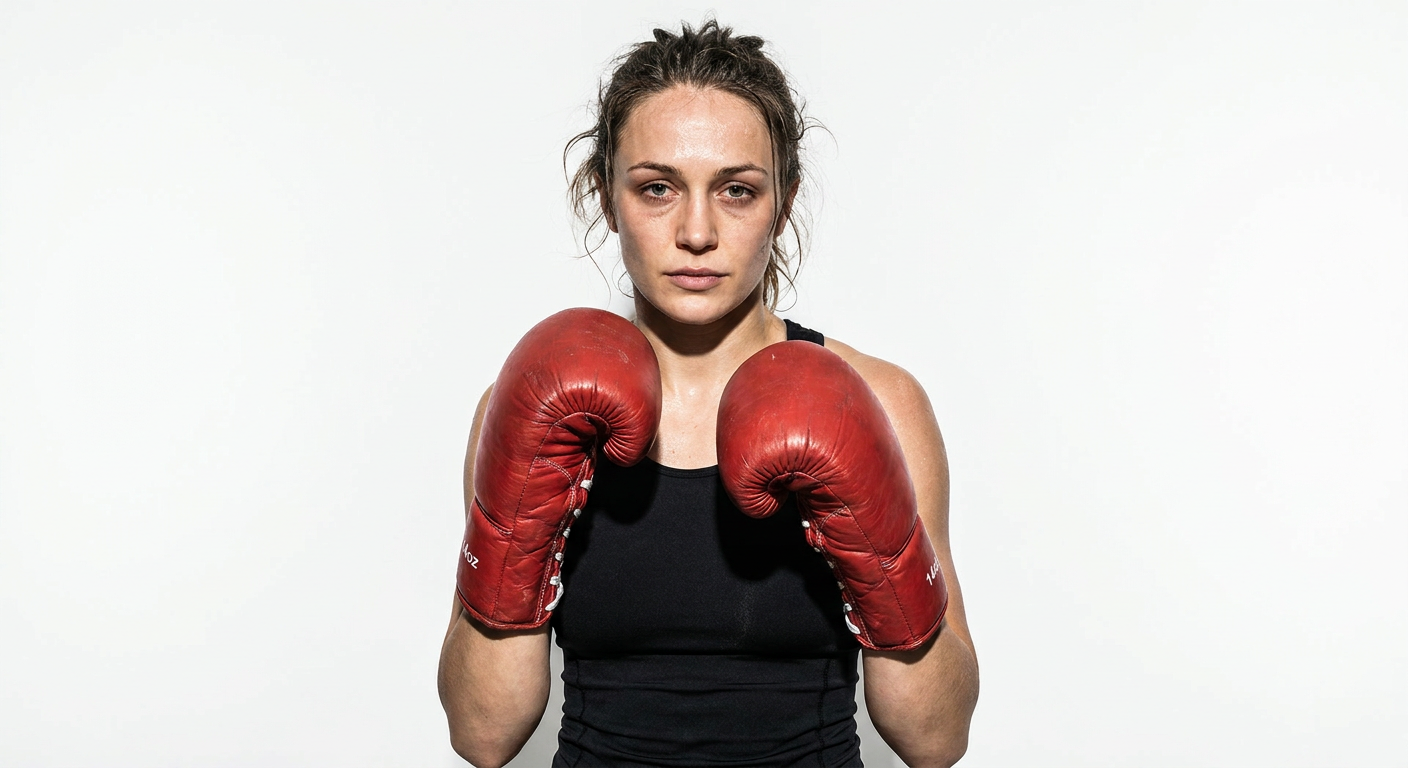
Is it safe to spar as a beginner?
Yes, when the gym manages it properly. No, if they throw you in with experienced fighters on your third session.
Good gyms introduce controlled sparring gradually: first with coaches holding pads, then light technical sparring with a trusted experienced partner who is explicitly told to make you better rather than beat you. USA Boxing’s official coaching guidelines stress progressive introduction, not baptism by fire. If a gym pushes you into open sparring before you’ve built basic defensive instincts, they’re prioritizing their culture over your safety.
Women-specific sparring sessions, offered at many clubs including those affiliated with USA Boxing, can make those early sessions feel less intimidating. Ask about them before you join.
What gear do I actually need on day one?
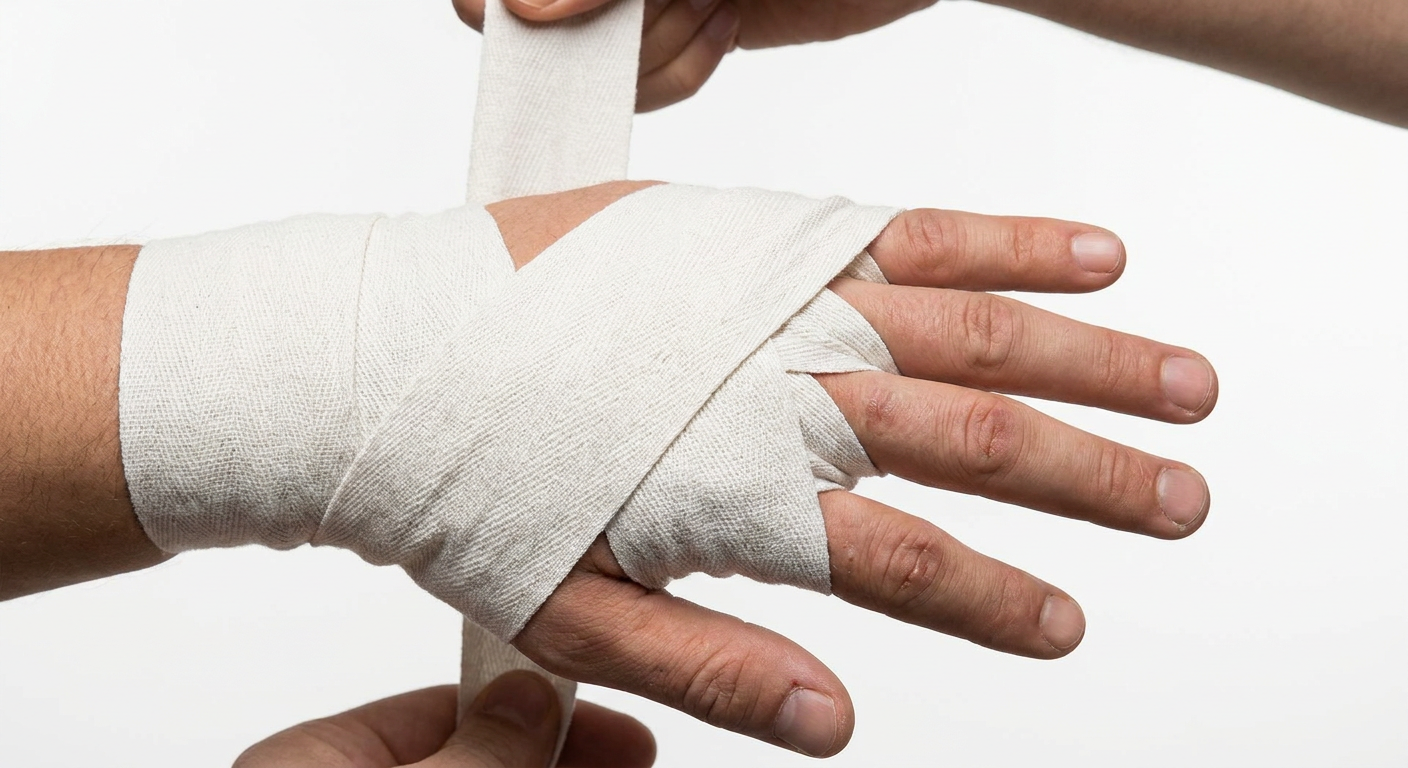
Hand wraps and a mouthguard. That’s it for the first session.
Most gyms have loaner gloves. Bring your own wraps (under $15 for a decent pair of Mexican-style cotton wraps) and a boil-and-bite mouthguard from a pharmacy. Everything else, including your own gloves, bag gloves, headgear, and shin guards if you go the Muay Thai route, can wait until you’ve decided you’re sticking with it.
When you do buy gloves, a 10oz or 12oz pair works for most women for sparring, while 14oz or 16oz is standard for bag work. Check the beginner gear guide at heavybag.pro for more detail on sizing and what to look for in your first purchase.
Will I get hit in the face?
In sparring, eventually yes. In class, with a good coach, very rarely if at all.
Beginner classes are mostly pad work, bag rounds, and drills. Nobody is swinging at your face on week one. When sparring begins, good coaches structure it so both people are working defensively, not competitively. A glancing shot off your headgear feels like someone bumping your shoulder. It’s not dramatic.
That said, if the idea of contact bothers you, cardio boxing and fitness boxing classes exist specifically as a non-contact option. They use the same movements, deliver the same fitness results, and you’ll never take a punch. That’s a legitimate path that plenty of people stick with for years.
Is boxing hard to learn as an adult?
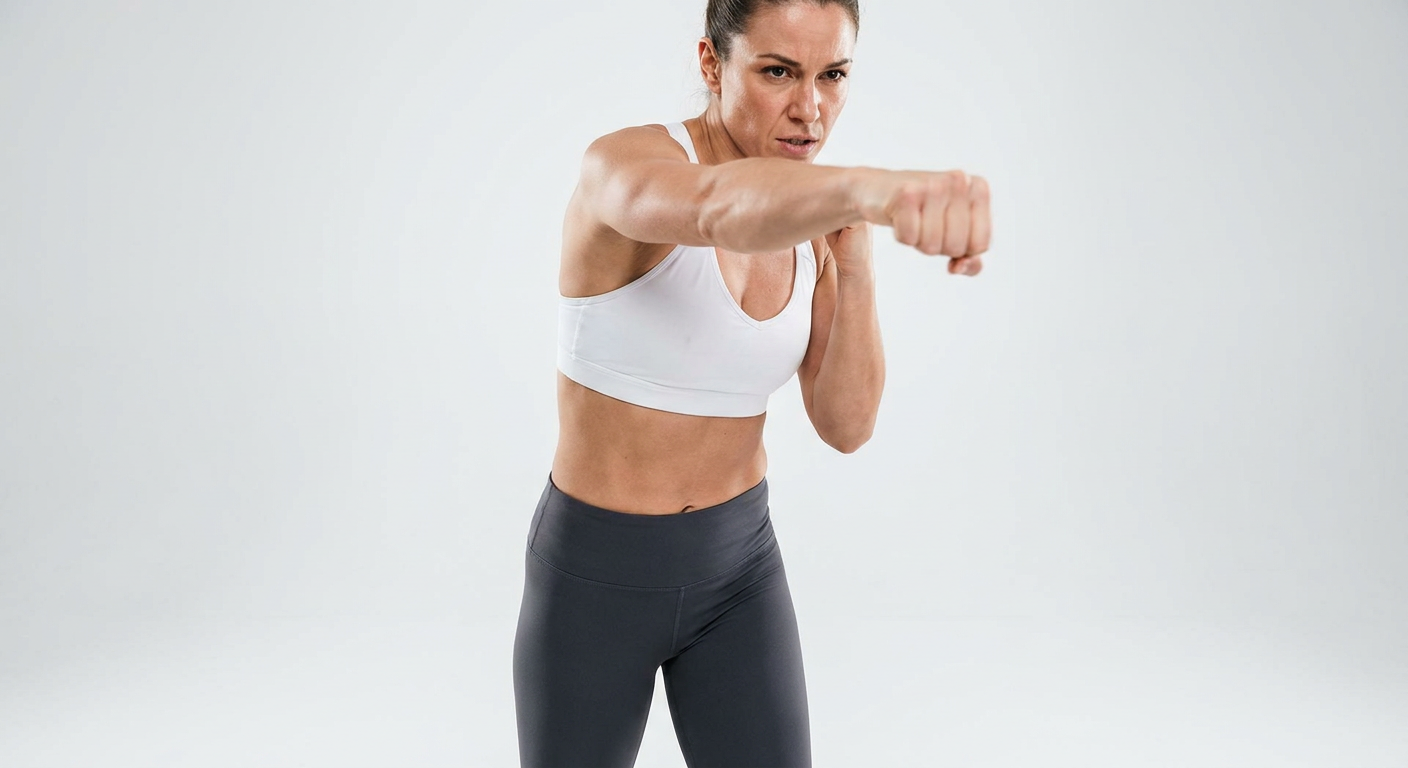
Specific technical skills take time, the same as any sport. But the basics, stance, guard, jab, cross, hook, are learnable for any adult in a reasonable number of sessions. Trainer Lucia Rijker, who coached women’s boxing at Olympic level, has said in interviews that she prefers adult beginners in some respects because they ask better questions and are more coachable than teenagers who’ve watched too many fight films.
What slows adults down is not their age. It’s overthinking form before they’ve built any body memory, and training inconsistently. Two sessions a week, every week, beats five sessions one week and none the next. The technique compounds if you give it time to stick. See also the discussion in our roadmap for starting boxing after 40, most of which applies just as well to women starting at any adult age.
What should I wear to my first class?
Sports bra, fitted workout shorts or leggings, a fitted tank top. Nothing loose that gets in the way of wrap technique or catches on gloves. Wear shoes with a flat sole and some lateral support: cross-training shoes or wrestling shoes work well, running shoes with a big heel are harder to move in.
You don’t need boxing shorts. You don’t need a specific brand. Sweat-wicking fabric helps. The only hard rule is that loose, baggy clothing makes wrap and glove fitting harder for you and your coach both.
How often should I train to see results?
For fitness and visible technique improvement, two sessions a week is a meaningful starting point. Three sessions is where most people see faster development. Beyond that, the gains come in, but so does recovery demand, and beginners often hit a wall where more training without adequate sleep and nutrition just creates nagging soreness and stalled progress.
Set rounds on the bag with a structured timer rather than just hitting until you get tired. The Heavy Bag Pro boxing timer at heavybag.pro/boxingtimer/ lets you set up interval-based training with rest periods so your bag sessions have real structure from session one. Unstructured hitting teaches bad habits; timed rounds teach pacing and commitment.
Can I do boxing if I’m out of shape?
Yes. Boxing training is the fitness program, not the prize for having already done one.
Coaches who work with beginners see people arrive at every fitness level. The workouts scale. Rest more between rounds. Use lighter combinations. Walk your footwork instead of sprinting it. The cardiovascular system adapts fast when you work it consistently, and the technique work (which isn’t cardio-intensive) fills the gaps. Within a few weeks, the rounds that left you bent over double feel more manageable. That progress is genuinely one of the more satisfying parts of early boxing training.
Our article on women’s boxing training and building confidence covers this in more depth, including what to expect from your first month.
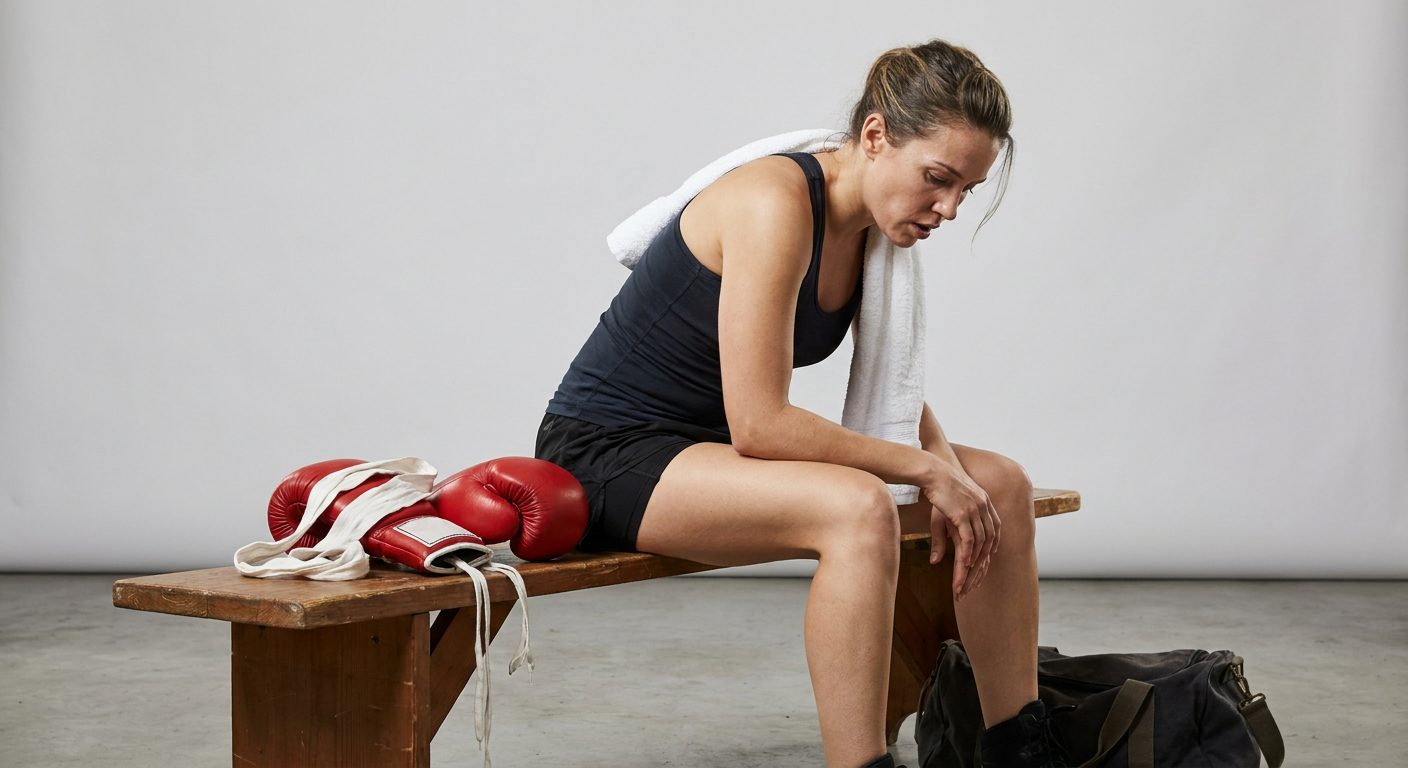
What’s the difference between boxing and cardio boxing / kickboxing fitness?
Boxing is a technical combat sport. You learn real mechanics: proper guard position, weight transfer, defensive head movement, ring generalship. Cardio boxing and kickboxing fitness classes use boxing-inspired movements for an aerobic workout without the technical depth or any contact.
Neither is better. They’re different products for different goals. If you want fitness and stress relief with no contact, cardio boxing works well. If you want to learn an actual skill set, understand defensive theory, and eventually (if you want) be able to apply it, go to a proper boxing gym. Some people start with cardio boxing and migrate to the real thing when they realize they want more. Some stick with cardio boxing for years and love it. Both are valid.
The main thing to know before you sign up: ask the gym directly whether the class involves any contact, any technical instruction, or is purely fitness-based. The answer tells you everything about what you’re walking into.
One more thing before you go
Questions are free. Every coach in every decent gym has heard all of these before, plus weirder ones. Ask them on your first visit. A gym worth training at will answer without making you feel foolish for asking.
If you’re ready to start structuring solo bag work at home while you look for a gym, the Heavy Bag Pro app is a good tool for setting timed rounds and rest intervals that match what you’d do in class. Free to use in your browser at heavybag.pro/boxingtimer/, or download the iOS app and get started today.