
Boxing used to be seen as a man’s sport, but that’s changed completely. Women are joining gyms, learning proper technique, and discovering how boxing can improve both fitness and mental toughness. If you want to get in shape, feel more confident, or learn to defend yourself, boxing delivers results that other workouts can’t match.
This guide covers everything you need to know about women’s boxing training, from your first day in the gym to advanced techniques that will make you stronger inside and outside the ring.
Why Women Are Choosing Boxing Training
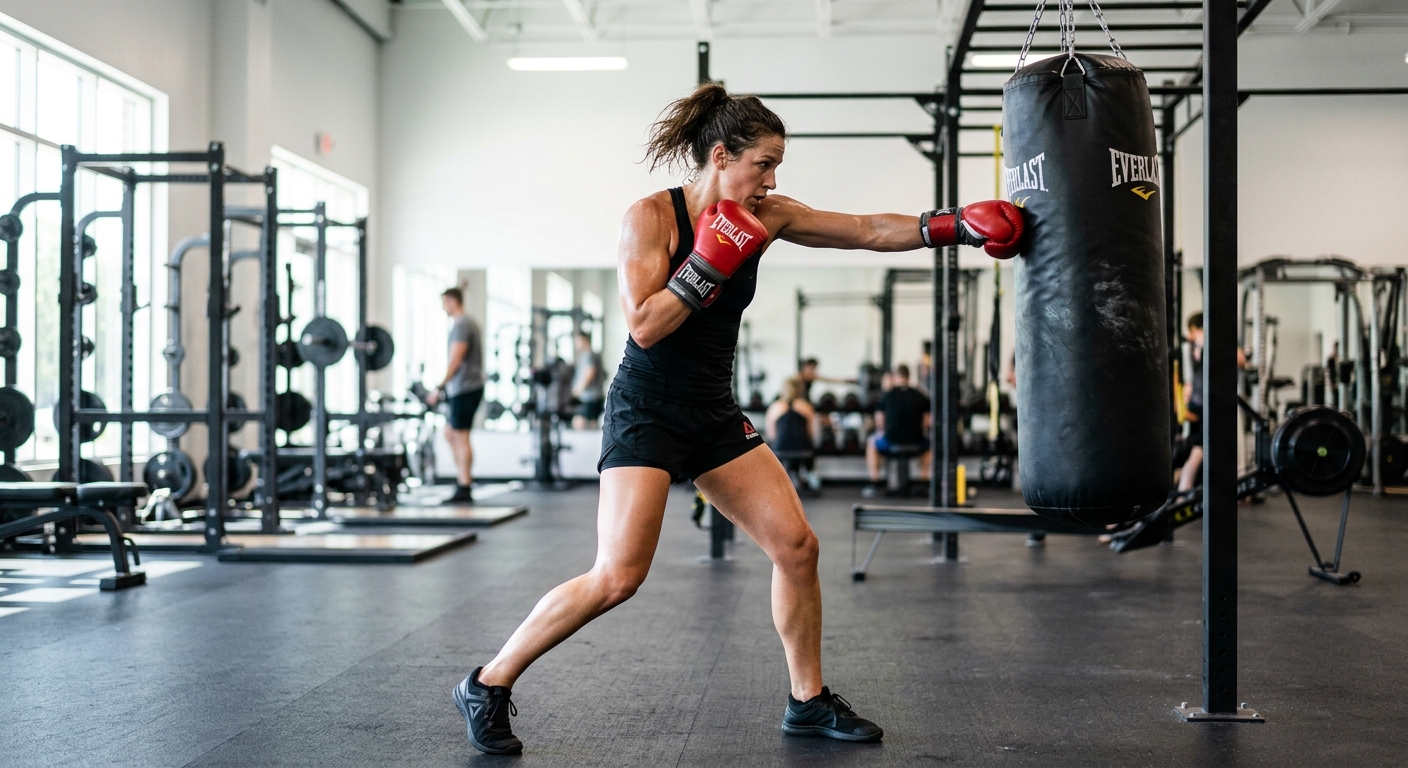
Female participation in boxing has grown massively over the past decade. Olympic champions like Katie Taylor have raised the sport’s profile, while fitness influencers have shown how effective boxing workouts can be for everyday women.
Physical Benefits for Women
Boxing is one of the most efficient workouts you can do:
- Burns 400-800 calories per hour – More than most traditional cardio exercises
- Builds lean muscle mass – Especially in the core, arms, and shoulders
- Improves cardiovascular health – High-intensity intervals strengthen the heart
- Enhances coordination – Boxing requires precise hand-eye coordination
- Increases bone density – Resistance training helps prevent osteoporosis
- Improves posture – Core strengthening and proper stance alignment
Mental and emotional benefits
The psychological side of boxing training is just as valuable:
- Stress relief – Punching a heavy bag releases tension better than most therapy
- Confidence building – Learning to defend yourself changes how you carry yourself
- Mental toughness – Boxing teaches you to push through discomfort
- Focus and discipline – Training requires concentration and commitment
- Empowerment – There’s something powerful about knowing you can handle yourself
Getting started: your first steps into boxing
You don’t need years of experience or perfect technique to start boxing. Here’s how to begin safely and effectively.
Essential equipment for women boxers
You don’t need expensive gear to start. Begin with these basics:
- Boxing gloves – 12-14 oz gloves work well for women starting out
- Hand wraps – Essential protection for your wrists and knuckles
- Comfortable workout clothes – Breathable fabrics that allow movement
- Athletic shoes – Cross-trainers with good ankle support
- Water bottle – You’ll sweat more than you expect
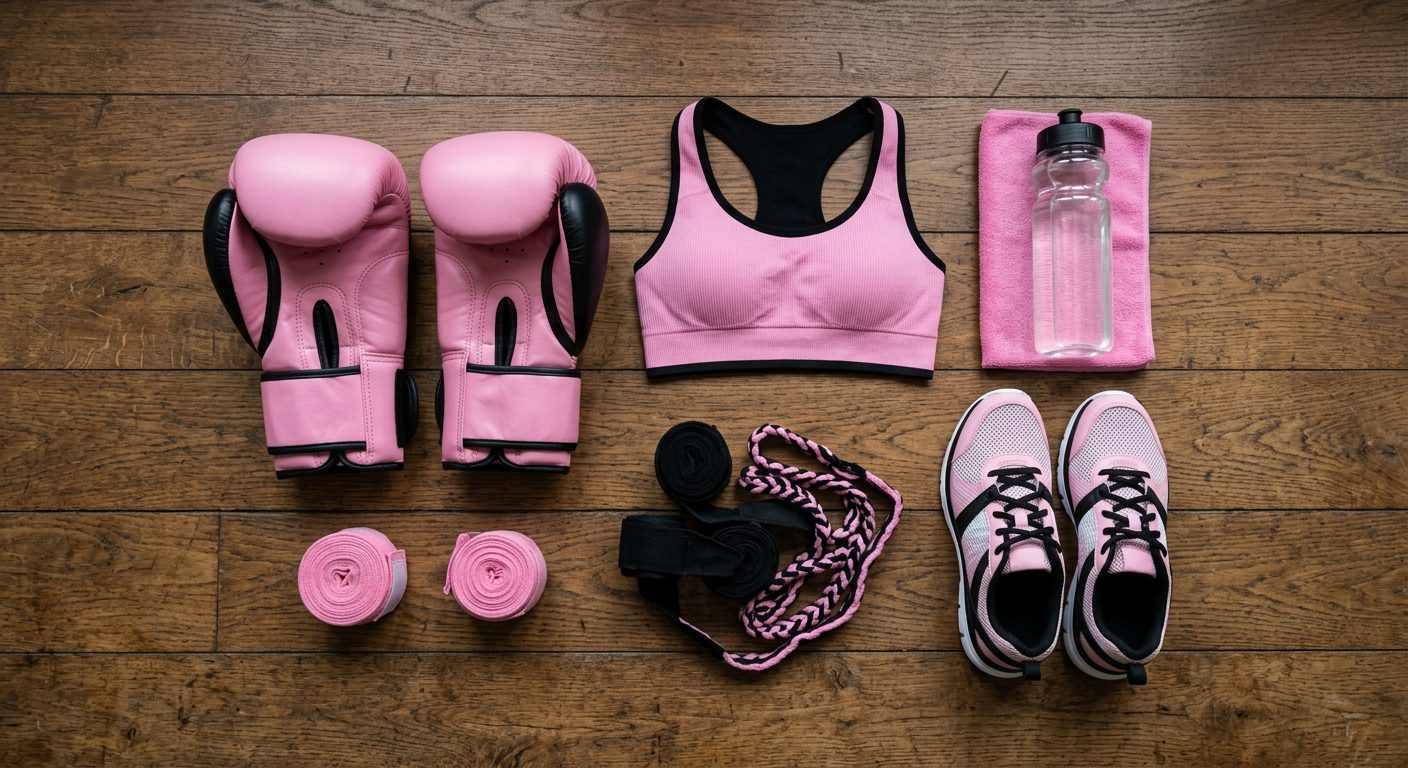
As you progress, you might invest in focus mitts, a heavy bag for home training, or proper boxing shoes.
Finding the right training environment
Choose a place where you feel comfortable and supported:
- Boxing gyms – Professional instruction and community atmosphere
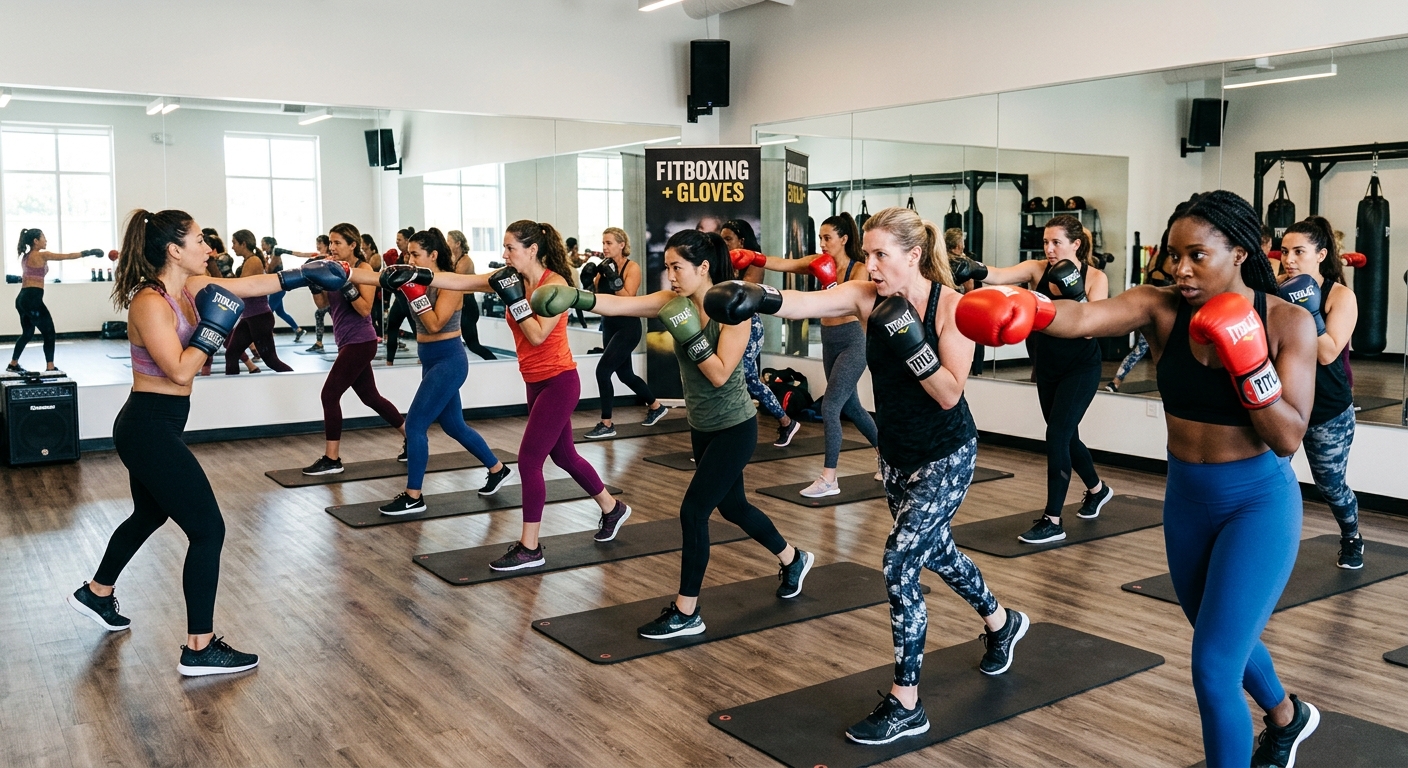
- Fitness centers – Many offer boxing classes for beginners
- Home training – Apps like Heavy Bag Pro provide structured workouts
- Women-only classes – Some prefer a female-focused environment
- Personal trainers – One-on-one instruction for faster progress
Basic boxing techniques for women
Learning proper technique is crucial for effective and safe boxing training. These fundamentals apply to all boxers.
Proper stance and footwork
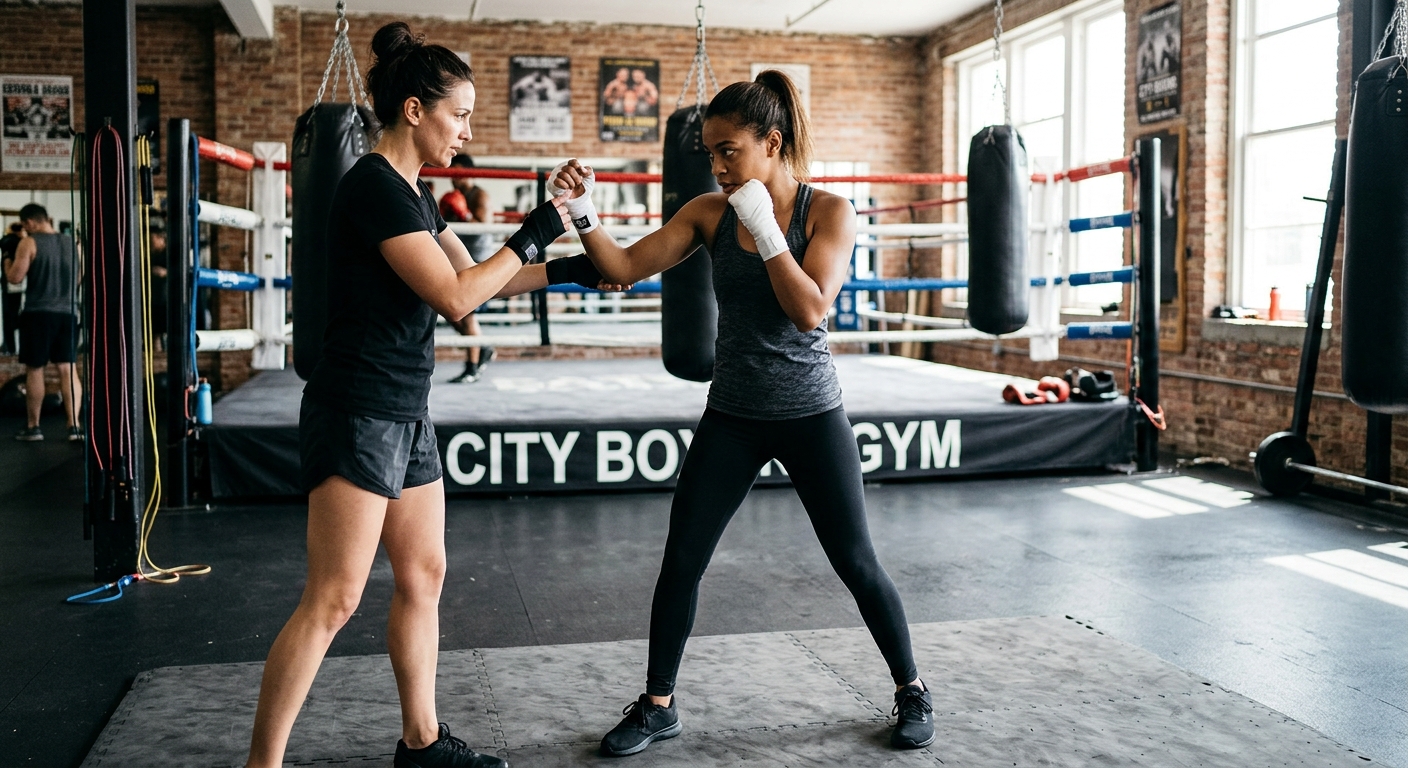
Your stance is the foundation of everything else in boxing:
- Feet shoulder-width apart – Provides stable balance
- Lead foot slightly forward – Left foot for orthodox, right for southpaw
- Weight on balls of feet – Allows quick movement in any direction
- Knees slightly bent – Ready to move or defend
- Hands up, elbows down – Protect your face and ribs
Four punches every woman should master
Start with these fundamentals:
- Jab (1) – Quick, straight punch with your lead hand
- Cross (2) – Power punch with your rear hand
- Left hook (3) – Circular punch targeting the side of the head or body
- Right hook (4) – Hook punch with your rear hand
Practice these punches individually before combining them. Focus on proper form over power initially.
Defense techniques
Defense matters as much as offense in boxing:
- Guard position – Hands protecting your face and chin
- Slipping – Moving your head to avoid punches
- Ducking – Lowering your body to avoid high punches
- Blocking – Using your gloves to stop incoming punches
- Footwork – Moving to avoid being a stationary target
Women-specific training considerations
While boxing fundamentals are universal, there are some considerations specific to women’s training and physiology.
Building upper body strength
Many women start boxing with less upper body strength than men. This isn’t a limitation, it’s just a starting point. Focus on:
- Progressive overload – Gradually increase training intensity
- Technique over power – Proper form generates more force than muscle alone
- Strength training – Complement boxing with resistance exercises
- Consistency – Regular training builds strength steadily
Dealing with menstrual cycle changes
Your menstrual cycle can affect energy levels and performance. Here’s how to train smart:
- Track your cycle – Notice patterns in energy and strength
- Adjust intensity – Lighter training during low-energy days
- Stay hydrated – Even more important during menstruation
- Listen to your body – Rest when you need it
- Nutrition matters – Extra iron and nutrients during your period
Body image and boxing
Boxing can improve how you see and feel about your body:
- Focus on function – What your body can do, not just how it looks
- Strength over size – Appreciate muscle for its power and capability
- Progress tracking – Celebrate improvements in technique and fitness
- Community support – Train with others who share similar goals
Creating your women’s boxing workout plan
A well-structured training plan helps you progress while preventing injury and burnout.
Beginner training schedule
Week 1-4: Foundation Building
- 3 sessions per week – Monday, Wednesday, Friday
- 30-45 minutes per session – Build endurance gradually
- Focus on technique – Perfect form before adding power
- Include rest days – Recovery is part of training
Sample Beginner Workout:
- Warm-up (10 minutes) – Light jogging, jumping jacks, arm circles
- Shadow boxing (5 minutes) – Practice basic punches and footwork
- Heavy bag work (10 minutes) – 30-second rounds with 30-second rest
- Bodyweight exercises (10 minutes) – Push-ups, squats, planks
- Cool-down (5 minutes) – Stretching and breathing exercises
Intermediate training progression
After mastering the basics (8-12 weeks), progress to:
- 4-5 sessions per week – Add technique-focused sessions
- 45-60 minutes per session – Longer, more intensive workouts
- Combination training – Link punches together smoothly
- Pad work – Train with a partner holding focus mitts
- Strength training – 2 days per week focusing on boxing-specific movements
Advanced women’s boxing training
Experienced female boxers (6+ months of training) can add:
- Sparring – Controlled practice fighting with protective gear
- Competition preparation – If interested in amateur boxing
- Sport-specific conditioning – Boxing-focused fitness training
- Advanced techniques – Counterpunching, complex combinations
Nutrition for female boxers
Proper nutrition supports your boxing training and helps you achieve your fitness goals.
Pre-workout nutrition
Fuel your body for intense training:
- 2-3 hours before training: Balanced meal with complex carbs, lean protein, and healthy fats
- 30-60 minutes before: Light snack like banana with almond butter
- Hydration: Start drinking water hours before your workout
Post-workout recovery
Recovery nutrition is crucial for progress:
- Within 30 minutes: Protein and carbs to repair muscles and restore energy
- Protein target: 20-25g of high-quality protein after training
- Hydration: Replace fluids lost through sweat
- Sleep: 7-9 hours for optimal recovery
Supporting women’s health through nutrition
Female athletes have specific nutritional needs:
- Iron: Higher requirements due to menstruation
- Calcium: Support bone health and prevent osteoporosis
- B vitamins: Energy metabolism and red blood cell formation
- Healthy fats: Support hormone production and joint health
Safety and injury prevention for women boxers
Boxing is safe when practiced correctly. Here’s how to minimize injury risk:
Proper equipment use
- Always wrap your hands – Protects wrists and knuckles from injury
- Use appropriate glove weight – 12-16 oz for heavy bag work
- Wear a mouthguard – Essential for sparring or contact training
- Choose supportive footwear – Prevents ankle injuries
Training smart
- Warm up thoroughly – Prepare your body for intense activity
- Progress gradually – Don’t rush into advanced techniques
- Listen to your body – Rest when you’re injured or overtrained
- Learn proper technique – Bad form leads to injury
- Cool down and stretch – Maintain flexibility and aid recovery
Common injuries and prevention
Be aware of these common boxing injuries:
- Hand and wrist injuries: Always use proper hand wraps and technique
- Shoulder impingement: Strengthen rotator cuff muscles
- Lower back pain: Maintain core strength and proper posture
- Ankle sprains: Use proper footwork and supportive shoes
Finding your boxing community
Boxing is more enjoyable and motivating when you’re part of a supportive community.
Local boxing gyms
Visit local gyms to find the right fit:
- Observe a class – Watch the training style and atmosphere
- Meet the instructors – Make sure they’re supportive of female athletes
- Check facilities – Clean changing rooms and well-maintained equipment
- Ask about beginner programs – Some gyms offer women-only classes
Online communities
Connect with female boxers worldwide:
- Social media groups – Facebook and Instagram boxing communities
- Training apps – Connect with others using boxing fitness apps
- Forums and websites – Share experiences and get advice
- Virtual training partners – Motivation and accountability
Boxing for different ages and life stages
Boxing works for women at any life stage, from teenagers to seniors.
Boxing for young women (teens and 20s)
- Build lifelong fitness habits – Boxing teaches discipline and consistency
- Develop confidence – Crucial during formative years
- Social benefits – Meet like-minded peers and mentors
- College and career stress relief – Boxing provides healthy outlets
Boxing for working professionals (30s and 40s)
- Time-efficient workouts – Maximum results in minimal time
- Stress management – Combat work-related pressure
- Work-life balance – Boxing provides essential “me time”
- Professional confidence – Physical strength translates to mental toughness
Boxing for mothers
- Postpartum fitness – Rebuild strength after childbirth (with doctor approval)
- Self-care priority – Taking time for personal health
- Energy boost – Combat fatigue from parenting demands
- Setting an example – Show children the importance of fitness
Boxing for women over 50
- Bone health – Weight-bearing exercise prevents osteoporosis
- Balance and coordination – Reduce fall risk
- Mental acuity – Boxing requires focus and quick thinking
- Social connection – Combat isolation and build friendships
Technology and women’s boxing training
Modern technology can improve your boxing training experience and help you track progress.
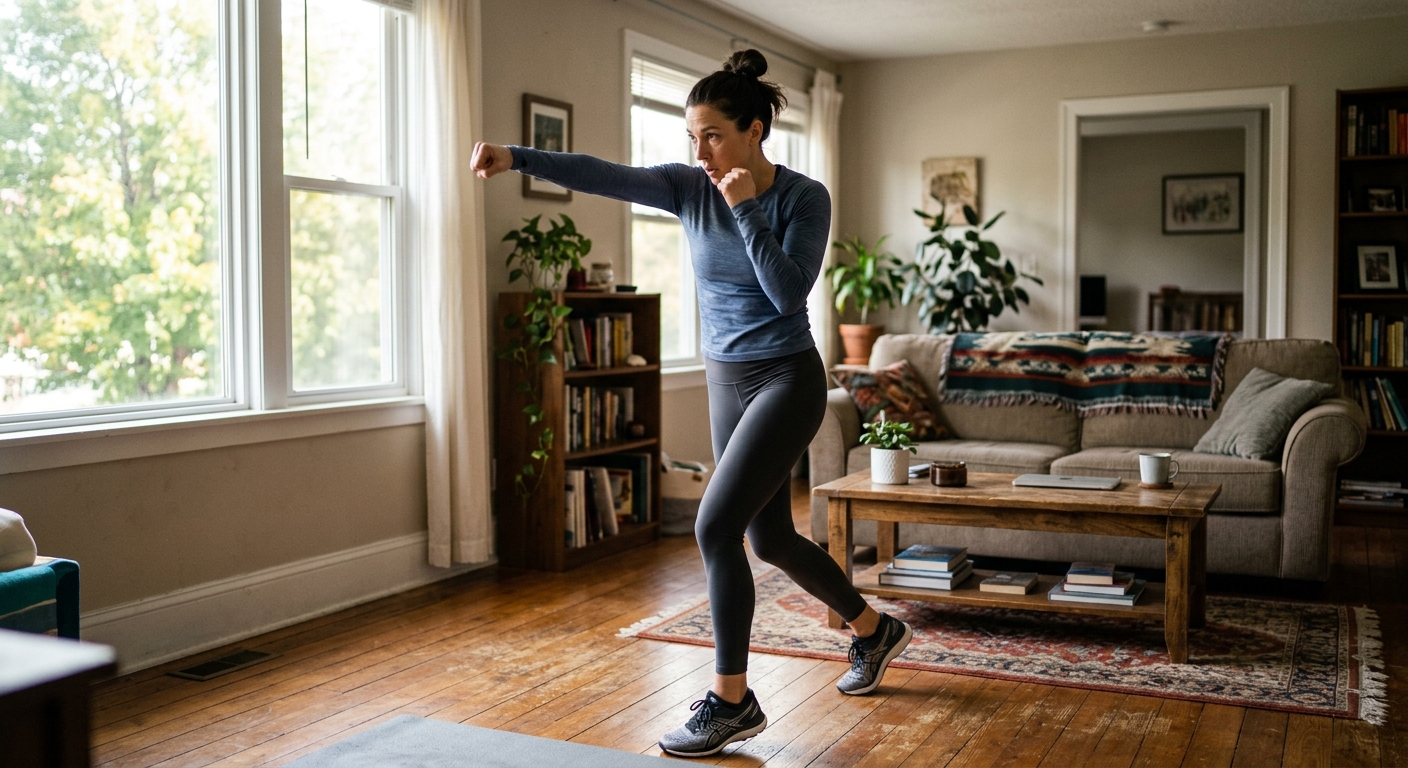
Boxing training apps
Apps can provide structure and motivation for home training:
- Heavy Bag Pro – Professional boxing timer app that lets you train at your own pace with accurate round timing.
- Workout tracking – Monitor your progress over time
- Technique videos – Learn proper form from expert instructors
- Customized workouts – Tailored to your fitness level and goals
Whether you’re training at home or in the gym, having a reliable timer like Heavy Bag Pro’s boxing timer keeps your training sessions precise with accurate round timing and rest periods.
Wearable technology
Track your boxing performance with modern wearables:
- Heart rate monitors – Make sure you’re training in the right intensity zones
- Punch trackers – Count punches and measure force
- Activity trackers – Monitor overall fitness and recovery
- Sleep trackers – Recovery is crucial for boxing performance
Setting and achieving boxing goals
Goal setting helps maintain motivation and track your boxing journey.
Short-term goals (1-3 months)
- Master basic punches – Focus on technique over power
- Complete a full round – Build up to 3 minutes of continuous training
- Attend classes regularly – Consistency builds habits
- Learn proper defensive posture – Foundation for all boxing skills
Medium-term goals (3-12 months)
- Execute combination punches smoothly – Link basic punches together
- Improve cardiovascular endurance – Complete longer training sessions
- Develop personal boxing style – Discover your strengths and preferences
- Help coach newer students – Teaching reinforces your own learning
Long-term goals (1+ years)
- Consider amateur competition – If interested in competitive boxing
- Achieve instructor certification – Share your passion with others
- Master advanced techniques – Footwork, counterpunching, ring strategy
- Inspire other women – Become a mentor and role model
Overcoming common challenges
Every boxer faces obstacles. Here’s how to overcome the most common challenges women encounter.
Intimidation and gym anxiety
- Start with beginner classes – Everyone is learning together
- Bring a friend – Having support makes it less scary
- Focus on your own progress – Don’t compare yourself to others
- Ask questions – Good instructors want to help you succeed
- Remember everyone started as a beginner – Even professionals were once new
Time management
- Schedule training like appointments – Make it non-negotiable
- Use lunch breaks – Quick 30-minute sessions can be effective
- Home training options – Boxing apps work around your schedule
- Morning workouts – Start the day with energy and accomplishment
- Combine with other activities – Box while kids play nearby
Plateaus and motivation
- Set new challenges – Learn advanced techniques or try sparring
- Track non-scale victories – Improved technique, endurance, confidence
- Change your routine – New workouts prevent boredom
- Find training partners – Accountability keeps you motivated
- Celebrate progress – Acknowledge how far you’ve come
The future of women in boxing
Women’s boxing is experiencing rapid growth and increased recognition.
Growing opportunities
- Professional boxing – More opportunities for female professional fighters
- Olympic recognition – Women’s boxing is now an Olympic sport
- Media coverage – Increased visibility for female fighters
- Coaching opportunities – More women becoming certified instructors
- Fitness industry growth – Boxing-inspired fitness classes everywhere
Breaking stereotypes
Women in boxing are challenging old assumptions:
- Strength and femininity – You can be strong and feminine
- Age diversity – Women of all ages can excel in boxing
- Body diversity – Boxing benefits all body types
- Cultural barriers – Women from all backgrounds are boxing
- Leadership roles – Women in promoter, coach, and executive positions
Conclusion: your boxing journey starts now
Women’s boxing training offers real benefits for physical fitness, mental health, and personal confidence. Whether you want to get in shape, build confidence, learn self-defense, or try something new, boxing provides a challenging path to achieving your goals.
Every boxer started as a beginner. Focus on proper technique, train consistently, listen to your body, and celebrate your progress along the way. Boxing isn’t just about throwing punches. It’s about discovering your inner strength and building confidence that carries into every area of your life.
The boxing community welcomes women, and with proper instruction and dedication, you’ll be surprised at what you can achieve. Whether you train at home with a reliable app like Heavy Bag Pro or join a local gym, the most important step is starting.
Your journey to becoming stronger and more confident begins with that first punch. Lace up your gloves, step up to the bag, and show yourself what you’re made of. The ring is waiting.