
Your alarm goes off at 6am and you lie there staring at the ceiling, running the familiar calculation: bag work today, or just… not. The gear is in the corner. The timer is set. And somehow none of it sounds like something you want to do. Three months ago you would have been up already.
Sparring burnout is different from ordinary tiredness. You can be physically recovered, eight hours of sleep, no soreness, and still feel something close to dread when you think about putting the gloves on. It’s a specific kind of fatigue that sits in the motivation, not the muscles. Fighters don’t talk about it much, because the gym culture rewards showing up no matter what, and admitting you’re grinding through some dark patch feels like making excuses. But most coaches who’ve been around long enough have seen it dozens of times. And their usual prescription is not what you’d expect.
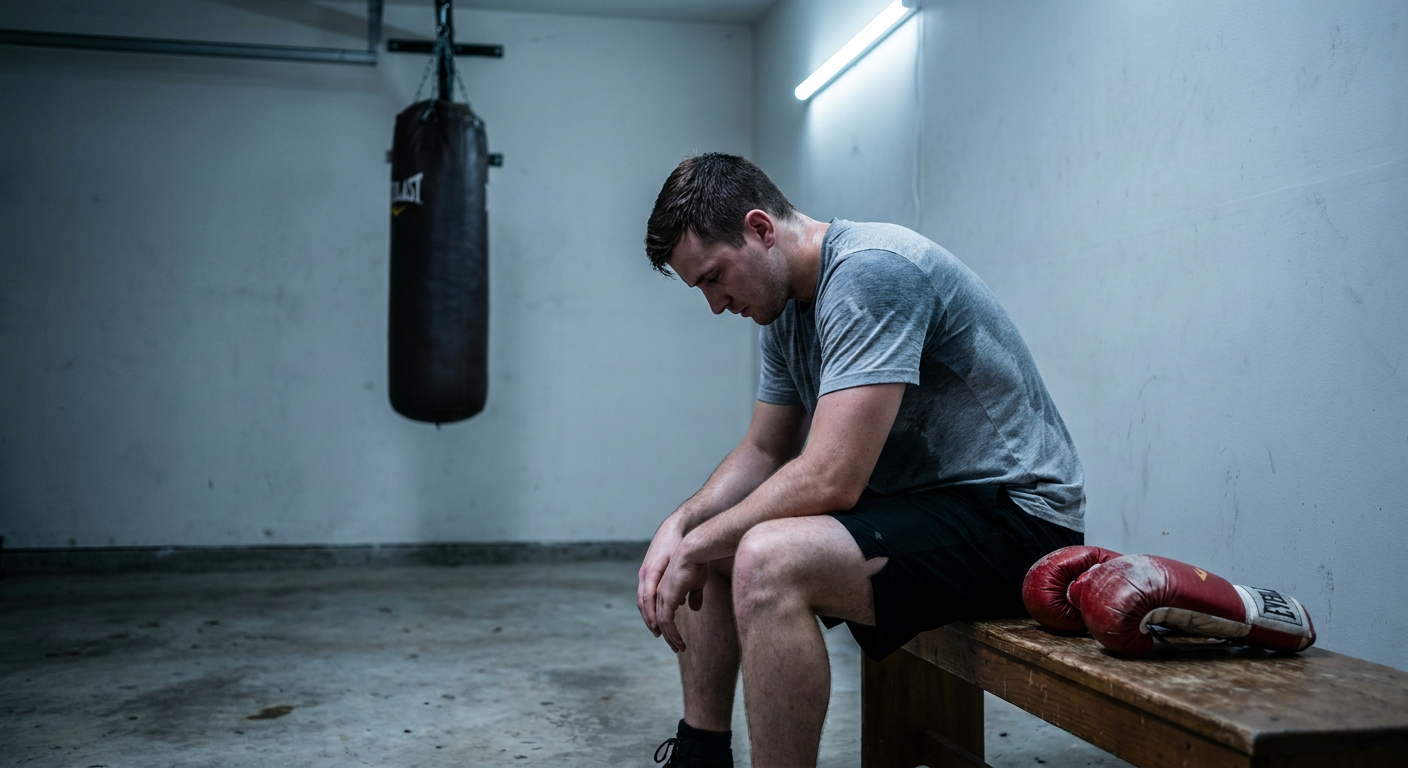
Sparring burnout usually builds quietly over months. Here are seven signs it’s happening, and what to do about each one without abandoning the gym entirely.
1. Stop dreading sparring and start dreading the whole session
The first sign is usually a narrowing of enthusiasm. You still enjoy pad work, bag rounds, maybe even conditioning. But the moment sparring gets added to the schedule, your mood tanks for the rest of the day. That’s not a normal off-day thing. Trainer Mark Kiniry, who’s worked amateur corners in the UK amateur circuit for years, describes it simply: “When a fighter starts finding reasons not to show up on sparring days specifically, that’s your signal. They’re not avoiding hard work. They’re avoiding one specific type of hard work.”
The fix here is to temporarily pull sparring off your schedule without shame. Two to three weeks of technical work only, bag rounds, mitts, footwork drills, removes the source of the dread without removing the gym. You can tell your coach. Good coaches don’t take it as a weakness. They’ve seen it before, and they’d rather have you technically sharp and motivated than sparring reluctantly for six more weeks and then quitting altogether.
2. Your sparring has become defensive to the point of useless
There’s a specific phase that often precedes full burnout. You’re still showing up, but your sparring has gone almost purely defensive. Shell up, clinch everything, wait for the buzzer. You’re not working. You’re surviving the round so it can be over. Three weeks of that kind of sparring teaches you very little and drains motivation fast, because you’re putting in the time without any of the reward of improving.
This is different from legitimately learning defensive skills, which requires intentional head movement and counter work. Survival sparring is passive and anxious and nobody improves doing it. If you catch yourself counting down rounds from the first second, the answer is not to push through harder. Take the intensity down, find a cooperative partner, ask for situational sparring with specific agreements (“I’ll try to land the jab, you work your footwork only”), and strip away the competitive pressure until sparring stops feeling like a stress test.
3. You’ve stopped sleeping well after hard sessions
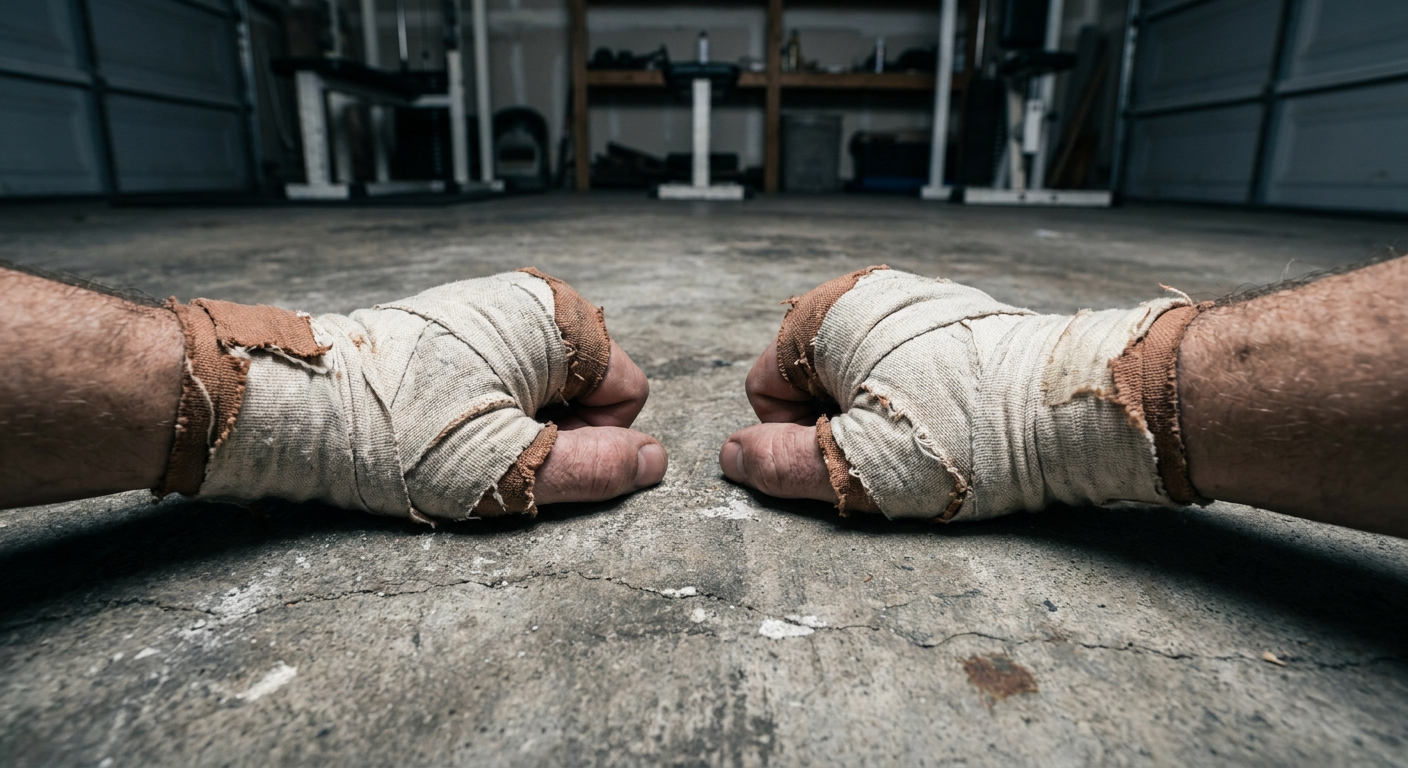
Overtraining has a cortisol signature. When you’re pushing too hard for too long, especially with the stress of competitive sparring, the nervous system stays elevated. You finish training, come home, and can’t get to sleep until 1am even though you trained at 7pm. Or you sleep fine but wake up feeling like you got four hours. This is a physiological signal, not a mental one, though the two are connected.
Research published in the Journal of Strength and Conditioning Research has documented sleep disruption as one of the more reliable early markers of overreaching in combat sports athletes. The body’s autonomic nervous system simply hasn’t recovered before the next training load arrives. If this has been going on for more than two weeks, adding more sparring is actively counterproductive. An active-recovery week, lighter bag work, stretching, some light purposeful rest as the guide here covers, does more for your development than grinding through another sparring session you’ll barely remember afterward.
4. Small sparring situations are triggering an outsized stress response
Getting caught with a shot that normally wouldn’t bother you and then losing focus for the whole round. Feeling your heart rate spike from nerves before the round even starts. Replaying a bad exchange for two days afterward. These are signs the nervous system is running hot, not that you’re mentally weak. Stress physiology doesn’t distinguish well between real threat and perceived threat, and after enough intense sparring sessions, the brain starts categorizing the gym as a stressful environment rather than a rewarding one.
The practical response is to change the inputs. Show up to the gym but don’t spar for a few weeks. Work the bag, drill, do conditioning. Let your brain rebuild the association between the gym and the good feeling of training well, instead of the gym and the anxious feeling of bracing for contact. This works. It’s not avoidance, it’s deliberate desensitization, and it’s something coaches at established gyms like Gleason’s in New York and Kronk-influenced programs have used informally for decades. The other tool is written in this piece about managing flow state, which deals with the attention mechanics that get wrecked when you’re running on cortisol.
5. You’ve stopped caring about improving specific techniques
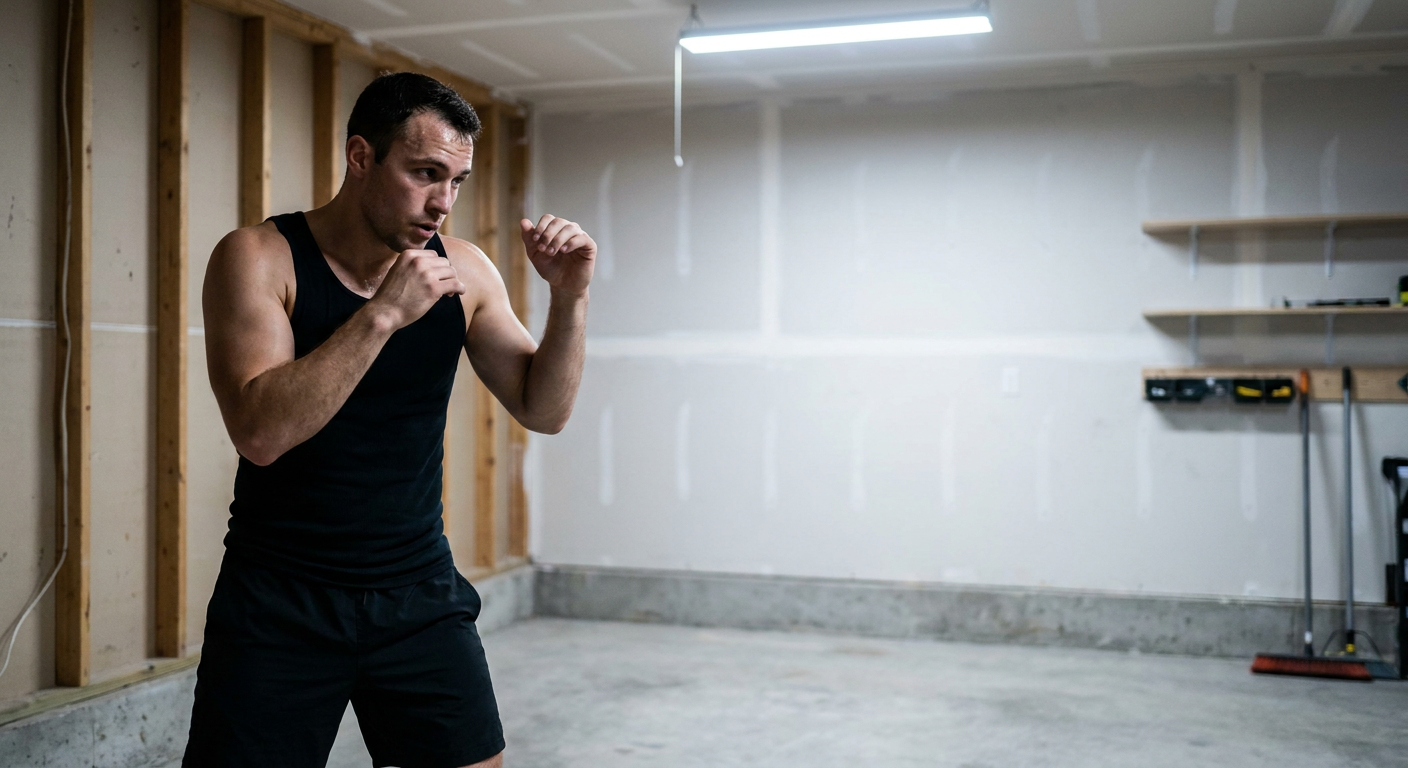
Early in training you probably had specific things you wanted to fix. The right hand. The footwork after you throw. Head movement. Burned-out fighters often describe a phase where none of that matters anymore; you just want to survive the session, collect the imaginary points for showing up, and go home. That caring stops being about progress and becomes about compliance is one of the clearest signs the motivation tank is empty.
One approach that coaches recommend is to go back to something you’re good at for a few weeks. Not something you’re trying to fix, something you already own. If you have a decent jab, spend a week doing nothing but drilling it. The positive feedback of doing something well is a fast and underrated way to rebuild enthusiasm. You’re not avoiding hard work, you’re reconnecting with what it feels like to feel competent. That feeling is what you’re chasing, and burnout severs you from it temporarily. Finding it again via a reliable technique rebuilds the bridge.
6. The gym culture itself is getting to you
Burnout sometimes isn’t about training volume at all. It’s about the social environment. Gyms have culture, and gym culture can be exhausting. The constant hierarchy, the pressure to be tough, partners who go too hard and don’t hear “chill out,” coaches who interpret any sign of mental fatigue as weakness. If going to the gym feels like a performance you have to put on, the fatigue accumulates at a different layer than the physical one.
This is worth being honest about, because the fix is different. Active-recovery weeks help with physical and neurological burnout, but if the environment is the problem, reducing your sparring schedule doesn’t fix anything. Options: try a different class time with different training partners, talk to your coach directly (if they’re reasonable), or take a short trial at another gym to reset your relationship with the sport. The imposter syndrome piece is relevant reading here because a lot of gym-culture burnout has its roots in the same pattern of feeling like you don’t belong.
7. You’re fantasizing about quitting but you don’t actually want to quit
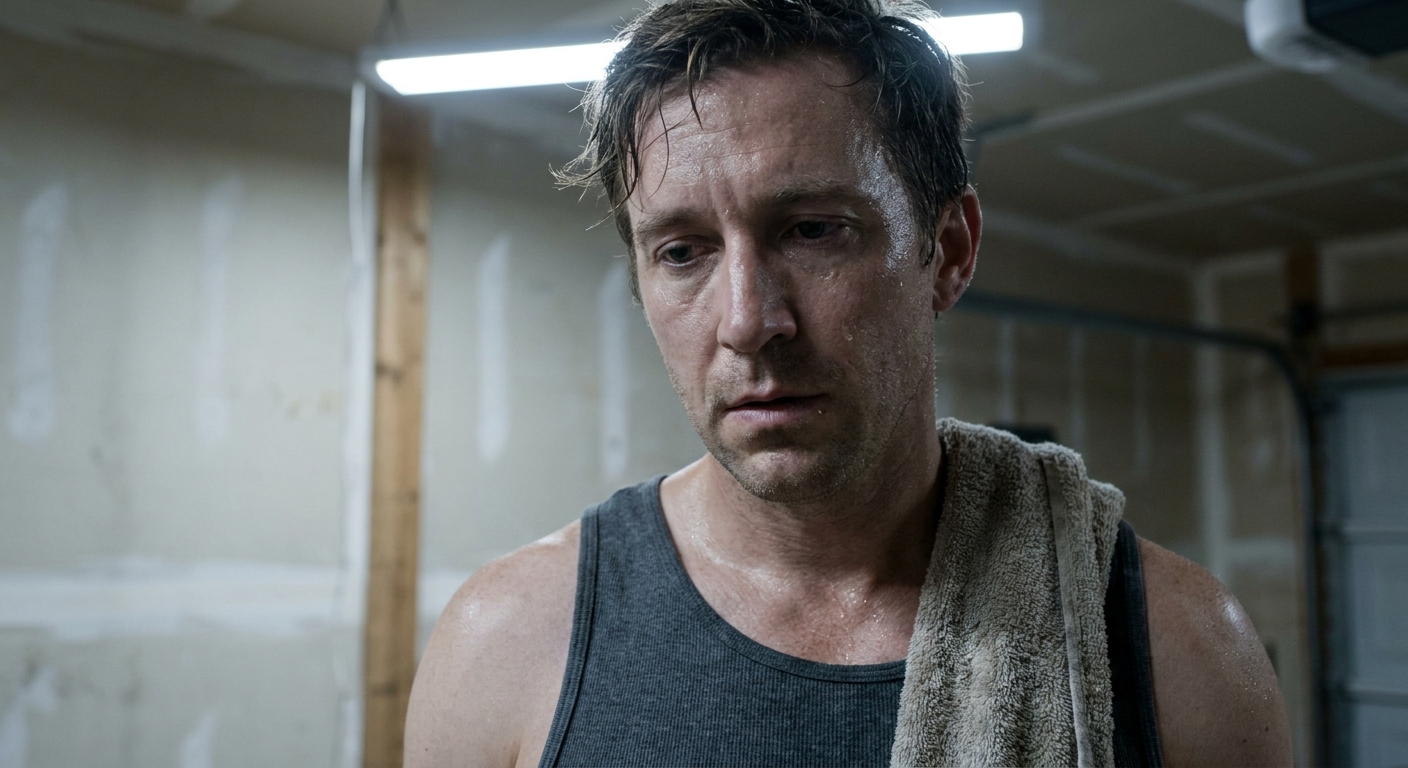
This is the most important sign to recognize. There’s a specific feeling that comes near the peak of burnout where you imagine stopping boxing entirely and the thought brings temporary relief. Not joy. Relief. That’s different from wanting to stop. If you wanted out for real, you’d feel something lighter, a sense of freedom. Instead you feel guilty about the fantasy, because some part of you knows you’d miss it.
Fighters who push through this stage without addressing what’s driving it often do quit, not because they wanted to, but because they never took the pressure off long enough to want to stay. The answer is usually simpler than it feels: take a planned break of two to four weeks where you still go to the gym but only do things that feel good. Bag work at your own pace, footwork drills, conditioning, a few light technical rounds with someone cooperative. Keep your sessions purposeful but low-stakes. And if two to four weeks sounds impossible given your competition schedule, that’s worth a serious conversation with your coach.
The Heavy Bag Pro app is useful during these reset periods precisely because you can structure sessions without any external pressure. Set up a custom round length, choose your own work-to-rest ratio, and work at whatever intensity feels productive rather than whatever the group sparring session demands. The free boxing round timer at heavybag.pro/boxingtimer/ handles this for solo work without you having to track anything yourself.
How to come back without burning out again
Return-to-sparring after a burnout break should be gradual. Start with one sparring session per week at reduced intensity before adding a second. Keep the first few sessions technically focused rather than competitive, agree on specific constraints with your partner beforehand. A coach who’s worked with professional fighters at serious programs will tell you the comeback pace feels frustratingly slow. That’s the point. The mistake people make after a burnout break is going back to full intensity too fast because they feel good, then hitting the same wall eight weeks later.
One useful frame: your goal after a burnout break is not to prove you’re back. It’s to rebuild the habit of wanting to be there. Those are different targets and they require different intensity levels. Sparring burnout is common. It doesn’t mean you’re soft, uncommitted, or wrong about boxing. It means you pushed a training modality past its recovery window for too long, which is something plenty of fighters have navigated without quitting the sport.
The gym will still be there. The bag isn’t going anywhere. Getting the relationship right is more important than getting the reps in right now.