
“I stopped thinking around round four,” Demetrius Andrade said in a 2019 interview, describing a sparring session that clicked in a way most sessions don’t. “Everything just… happened. I wasn’t deciding. I was just doing it.”
Fighters call it different things. The zone. The zone-out. Being switched on. Some of the older trainers at Gleason’s Gym in Brooklyn call it “when the gym disappears.” The scientific term is flow state, coined by psychologist Mihaly Csikszentmihalyi after decades studying peak performance in athletes, musicians, and surgeons. In boxing, it’s the thing you spend a hundred sessions chasing and maybe hit a handful of times.
This piece is about getting there more reliably.
I’ve been training combat sports for a long time, long enough to have a rough feel for which sessions produce it and which don’t. It’s not random, even though it feels that way. There are conditions that make it more likely, and there are things fighters do routinely that actively prevent it.
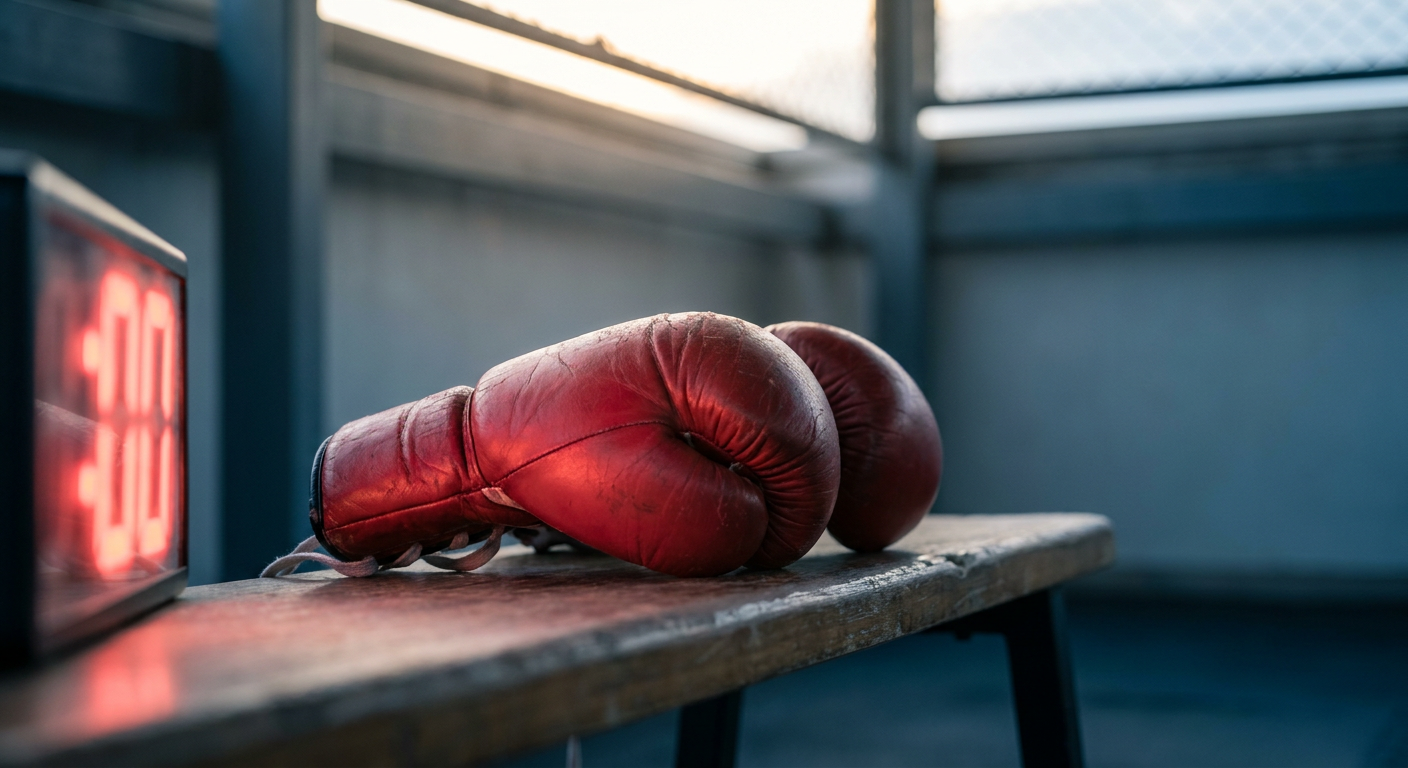
The Round That Changed How I Train
A few years back I was doing bag rounds with a timer set to three-minute rounds, and the first three were awful. I was watching my hands. Thinking about hip rotation. Catching myself mid-combo to analyze. The bag was swinging wrong. My shoulders were tight. None of it flowed.
Round four, something shifted. I stopped counting punches. The combinations just came. My feet moved without me choosing where to plant them. I was reading the bag’s swing and timing shots to it without any conscious calculation. When the buzzer sounded, I actually felt surprised. I’d lost track of time completely.
I asked my coach afterward what I’d done differently. He said: “Nothing. You stopped trying.”
That answer annoyed me for months. It felt like a Zen koan dressed up as coaching advice. But the more I watched other fighters, the more I understood what he meant. Flow state doesn’t arrive when you’re grasping for it. It arrives when you’ve done the groundwork and then let go of the scorecard.
The challenge for most boxers isn’t that they lack skill. It’s that they’ve wired their training brain to stay in analytical mode permanently, and analytical mode blocks the automatic processing that flow requires.
What Flow State Actually Is in a Boxing Context
Csikszentmihalyi’s research (outlined in his 1990 book Flow: The Psychology of Optimal Experience, and later summarized in studies like Nakamura and Csikszentmihalyi’s 2002 review) identifies nine dimensions of flow: clear goals, immediate feedback, challenge-skill balance, merging of action and awareness, concentration, sense of control, loss of self-consciousness, time distortion, and autotelic experience (doing the thing for its own sake).
In boxing specifically, three of those nine matter most.
Challenge-skill balance is the big one. You need a task that stretches you without overwhelming you. If the drill is too easy, your mind wanders. If it’s too hard, anxiety takes over. Neither state produces flow. The target zone is the narrow band where you’re working hard enough to need full attention, but not so hard that panic sets in.
Immediate feedback is the second. This is one reason the heavy bag is a better flow-state tool than shadowboxing for most people. The bag tells you instantly whether your shot had structure. The resistance, the swing, the sound on impact, all of it gives your nervous system the information it needs to self-correct without your prefrontal cortex having to intervene. A reflex bag or double-end bag amplifies this further because the feedback loop is even tighter.
Loss of self-consciousness is the third. This is the one most fighters have to actively engineer. The analytical inner voice that critiques every punch is the enemy of flow. You can’t silence it by willpower. You can train it to quiet down through specific warm-up protocols and session structure.
Why Some Sessions Never Produce It
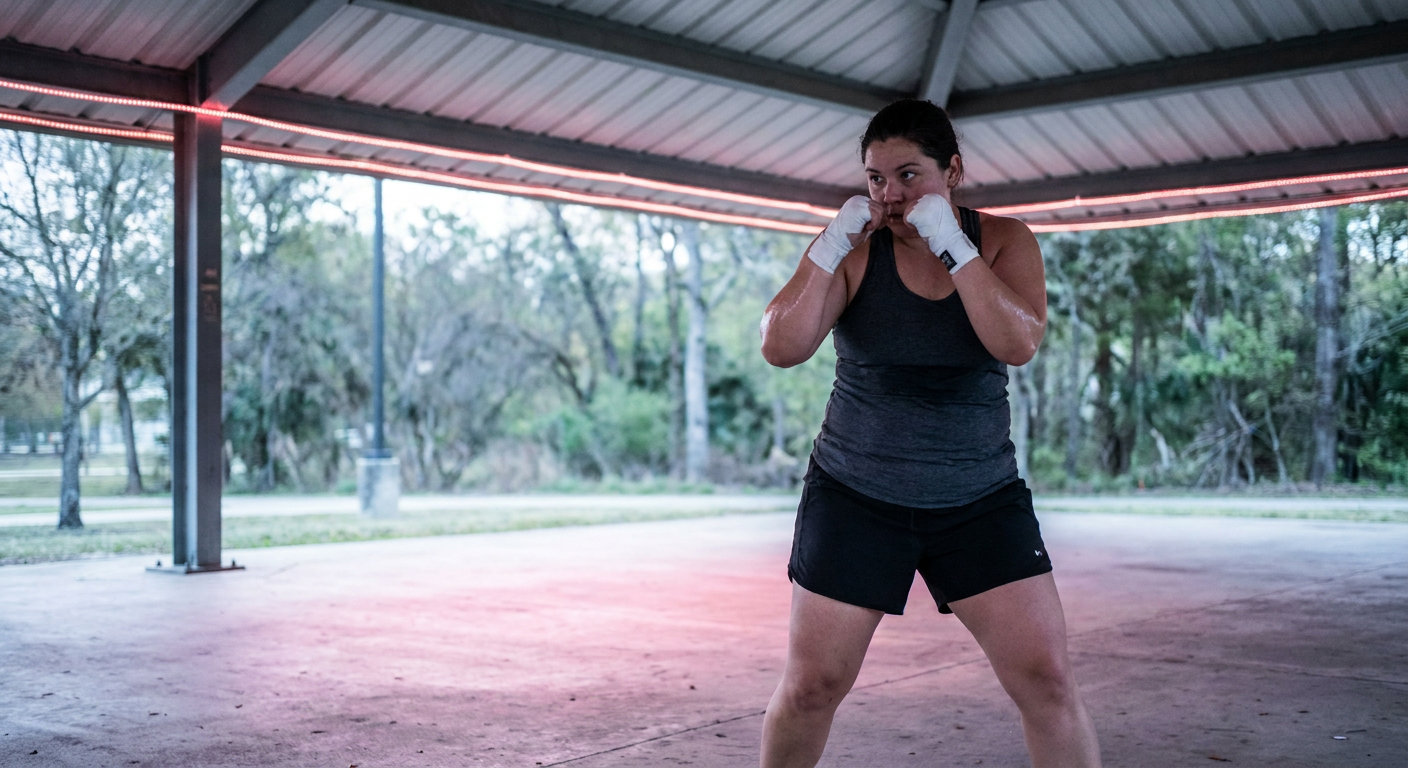
There are three session designs that almost guarantee you won’t find flow, and a lot of fighters use them constantly.
The first is drilling isolated techniques without integration. You spend twenty minutes working your jab, then twenty minutes on your cross, then call it a day. Nothing is wrong with drilling in isolation, it’s how technique gets built. But it leaves you stuck in analytical mode. Flow requires synthesis, the moment when individual techniques blur into a continuous response. You need rounds where combinations can emerge freely, not rounds where you’re executing one numbered assignment.
The second is constant coaching interruptions. If you’re stopped every thirty seconds, your brain never gets the sustained concentration needed for flow. This doesn’t mean coaching is bad. It means there’s a time for it and a time to let the boxer work. Trainers like Freddie Roach and Virgil Hunter both talk about this in interviews: the difference between a technique-building round and a “let it run” round. Both types are necessary. Only one type produces flow.
The third is inappropriate challenge level. If you’re a six-month boxer doing rounds you could do in your sleep, flow won’t show up. If you’re doing rounds so far outside your current ability that you’re constantly losing your structure, same result. The right calibration for flow is usually one level harder than comfortable and one level easier than crisis.
Building the Conditions Before You Start
Flow doesn’t start when the round starts. It starts during warm-up.
Fighters who consistently hit flow states tend to have a consistent pre-session ritual. Not a superstition, a deliberate narrowing of attention onto the task. A structured warm-up like jump rope followed by shadowboxing does two things: it raises arousal to the working level, and it begins the process of transitioning from normal cognitive mode into training mode. The transition matters more than most people realise.
Using a round timer with an audio cue, like the bell in the boxing round timer at heavybag.pro, is part of this conditioning. Over hundreds of sessions, the bell starts to function as a Pavlovian trigger. You hear it and your brain shifts gear. It sounds trivial. But ritual and environmental cues are a real mechanism in flow research, not just gym mysticism.
Three specific things to do in the fifteen minutes before your main rounds.
Shadowbox with eyes closed for one minute. Not as a balance drill. As a focus drill. You’re forcing your brain to rely on internal sensation rather than visual feedback. It quiets the analytical voice because there’s less visual data for it to commentate on.
Set one technical intention for the session, not five. “I’m going to work on the timing of my rear hand after a jab” is a useful intention. “I’m going to improve my footwork, my jab, my defence, my combinations, and my conditioning” is five separate intentions that scatter your attention. One goal lets your working mind engage with a specific signal without overloading it.
Do a full round of what coaches call “free work” where you box the bag with no fixed combination in mind. No plan. Just respond to the bag. This is your nervous system warming up its automatic processing, the part that flow runs on. It often feels sloppy and unproductive. Do it anyway.
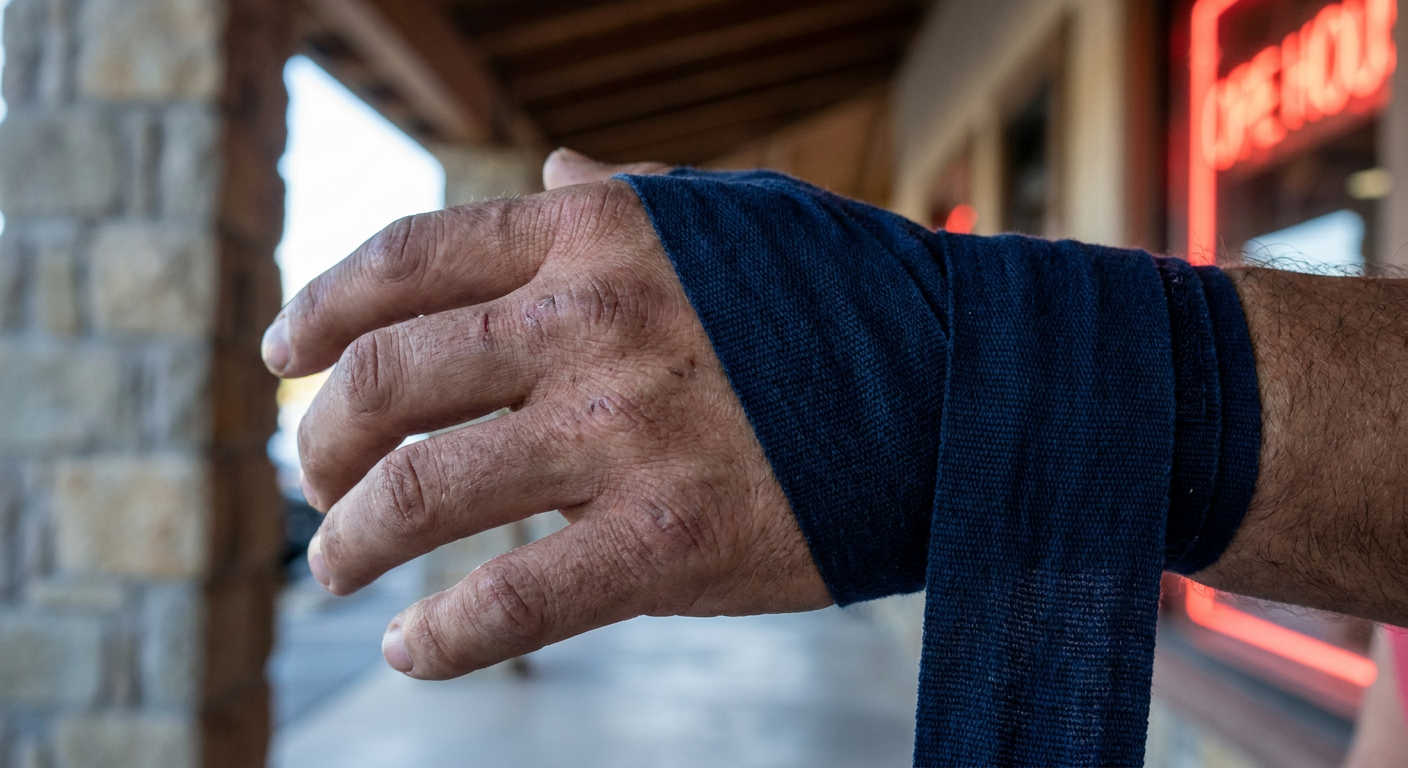
During the Session: Staying in the Zone Once You’re There
The main enemy of sustained flow mid-session is the re-entry of the inner critic. It tends to arrive after a bad shot, a stumble, a missed timing, or a moment where you catch yourself thinking about something else entirely. The moment you register “that was a bad cross,” you’re back in analytical mode.
The technique for handling this is simple and old: don’t judge the shot. Fighters like Canelo Alvarez and Vasyl Lomachenko have both described versions of this in training contexts. Not every shot that doesn’t land means something is wrong. The bag gives you the feedback. Trust it. Let the correction happen below the level of conscious commentary.
Breathing is the most reliable anchor. When you notice your attention fracturing, don’t try to think your way back. Breathe out deliberately on the next punch. Exhaling on impact is already something you should be doing for power and protection. Using it consciously as a reset mechanism works surprisingly well. It brings you back into your body without requiring a decision.
Round structure helps too. Shorter rounds, two minutes rather than three, can be easier to stay present for. As you get better at sustaining focus, move to longer rounds. Don’t start with the longest format you’ll eventually use. Build the attention span the same way you build endurance: progressively.
One thing worth noting about boxing anxiety: pre-round nerves and anxiety are different from the challenge-arousal you want for flow. Anxiety tends to come with catastrophic thinking (what if I look stupid, what if I get hurt, what if I’ve got worse). The arousal that enables flow is energised without the fearful story attached. If you’re finding that anxiety is blocking flow, the cause is usually the inner narrative, not the physical state. The physical state is fine. The interpretation of it is the problem.
How to Know If You’re Getting Closer
You can’t force flow and you can’t measure it with a score, but you can recognise its precursors.
The clearest sign is when a round ends and you didn’t notice it coming. You weren’t counting down the last thirty seconds. The buzzer surprised you. That’s not a sign that you were switched off. It’s the opposite. Time distortion is one of the hallmarks of genuine flow states.
Another is when combinations start completing themselves. You start a jab and the cross is already coming before you’ve chosen it. Your body has taken over sequencing. That’s automatic processing running, which is what you want.
A third is when you stop adjusting your hands between shots. Beginners do a lot of micro-managing: throw a punch, return the hand, check the guard, throw again. In flow, the guard resets without the conscious check. The loop runs faster than conscious oversight can follow.
None of this means you’ve stopped learning or improving. Flow doesn’t make technique invisible. It means your current technique level is running without supervision, which is both how you build on it and how you discover its limits.
A Simple Session Template That Promotes Flow
This isn’t a protocol I invented. It’s a rough synthesis of what I’ve seen in various gyms, including conversations with a trainer at the LA Boxing gym who works with white-collar and semi-pro fighters, and who has been thinking about this problem longer than I have.
Start with ten minutes of jump rope at comfortable pace, focused only on the rhythm. No music, or music without lyrics if you need it. The goal is to narrow your attention onto one input.
Follow with two rounds of shadowboxing. First round: technical, deliberate, checking mechanics. Second round: purely free, no plan, just respond to your imagined opponent. This is the handoff from analytical to automatic mode.
Then your main bag rounds, starting with one “free work” round with no fixed goal. After that, introduce your single session intention. Work with it for two to three rounds. Then finish with one more free round where you let go of the intention and just box. That final round is frequently the best of the session.
Track your rounds using a reliable timer and let the bell do its job. The automatic structure of fixed round lengths removes decision fatigue and gives your brain one fewer thing to manage consciously. Structured round timers do the metacognition so you don’t have to.
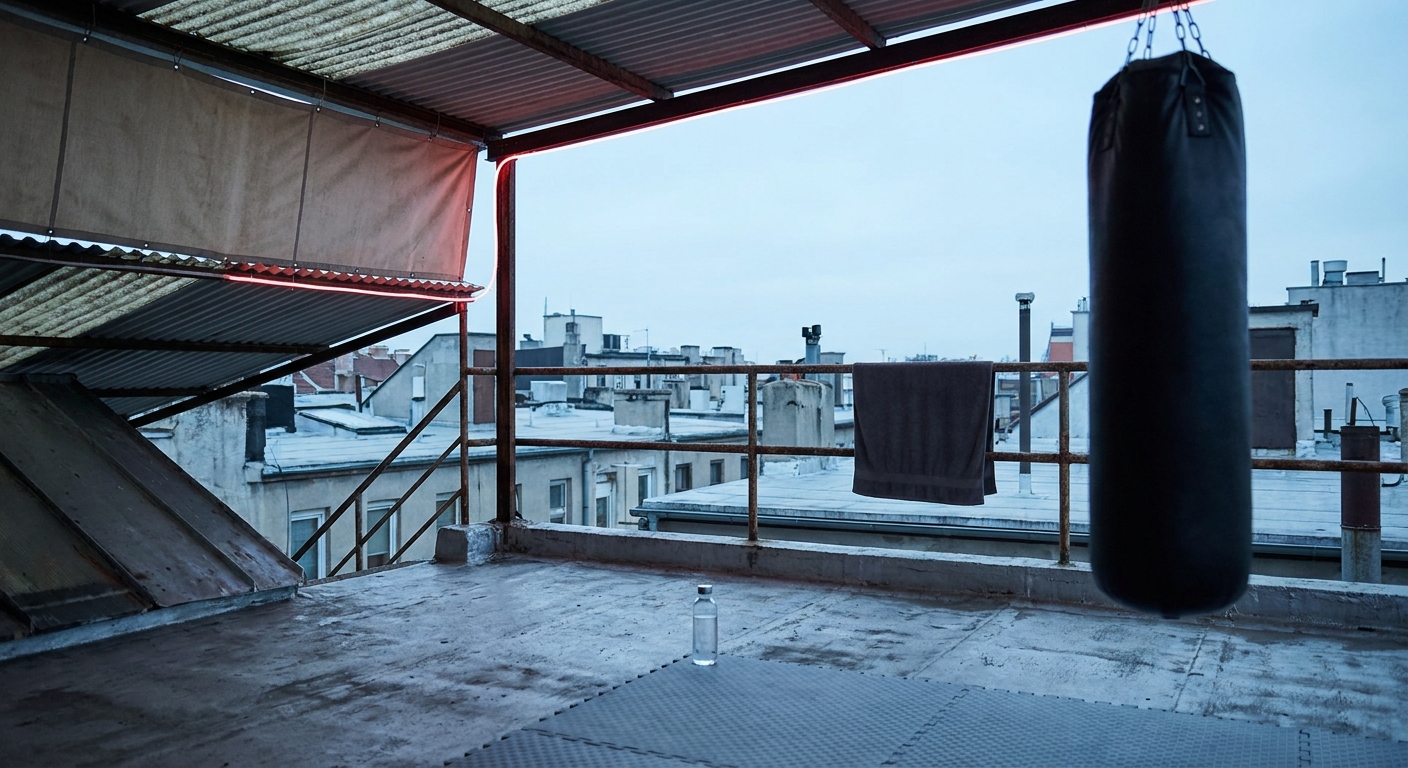
The Long Game
Flow gets more accessible over time. Not because you develop a technique for manufacturing it, but because the techniques themselves become more automatic. A fighter three years into training has thousands of combinations stored at the procedural memory level. There’s more for automatic processing to draw on. Flow doesn’t require perfection. It requires enough automated skill that the conscious mind can step back.
This is why some of the best bag work you’ll ever see is from experienced fighters doing what looks like casual training. They’re not coasting. They’re working in a register that takes years of repetition to access. The quality of their movement under flow conditions is the direct product of the analytical drilling they did before they got there.
You build toward flow by doing the deliberate work first. The deliberate work is not the opposite of flow. It’s the input that makes flow possible.
Heavy Bag Pro’s round timer lets you set up custom sessions with varied round lengths, rest periods, and audio cues, so the structure of your session stays consistent even when your mind is fully absorbed in the work. The free boxing timer keeps rounds honest without clock-watching.
The zone exists. You can get there more often. Stop trying so hard and set up the conditions, then let the round run.