
When did training start feeling like a second job you hate? Not the good kind of hard, where your lungs burn but your head is clear. The other kind: where the alarm goes off at 6am and something in you just… deflates. You drag yourself in anyway, throw half-hearted combinations at the bag, and leave earlier than you planned. This happens once, you chalk it up to a bad day. It happens five sessions in a row, and you start wondering if you’ve lost something that isn’t coming back.
That’s combat sports burnout. And the frustrating thing is that most fighters get the diagnosis wrong. They think they’re lazy. They think they need to push harder. A few quit entirely, convinced the sport just stopped being for them. The real problem is usually simpler and more fixable than any of those explanations.
This is what I wanted to understand when I started digging into the research on overtraining and burnout in striking athletes. I asked three coaches what they did with athletes who came to them burned out. I got three different answers. What follows is my attempt to make sense of all of it.
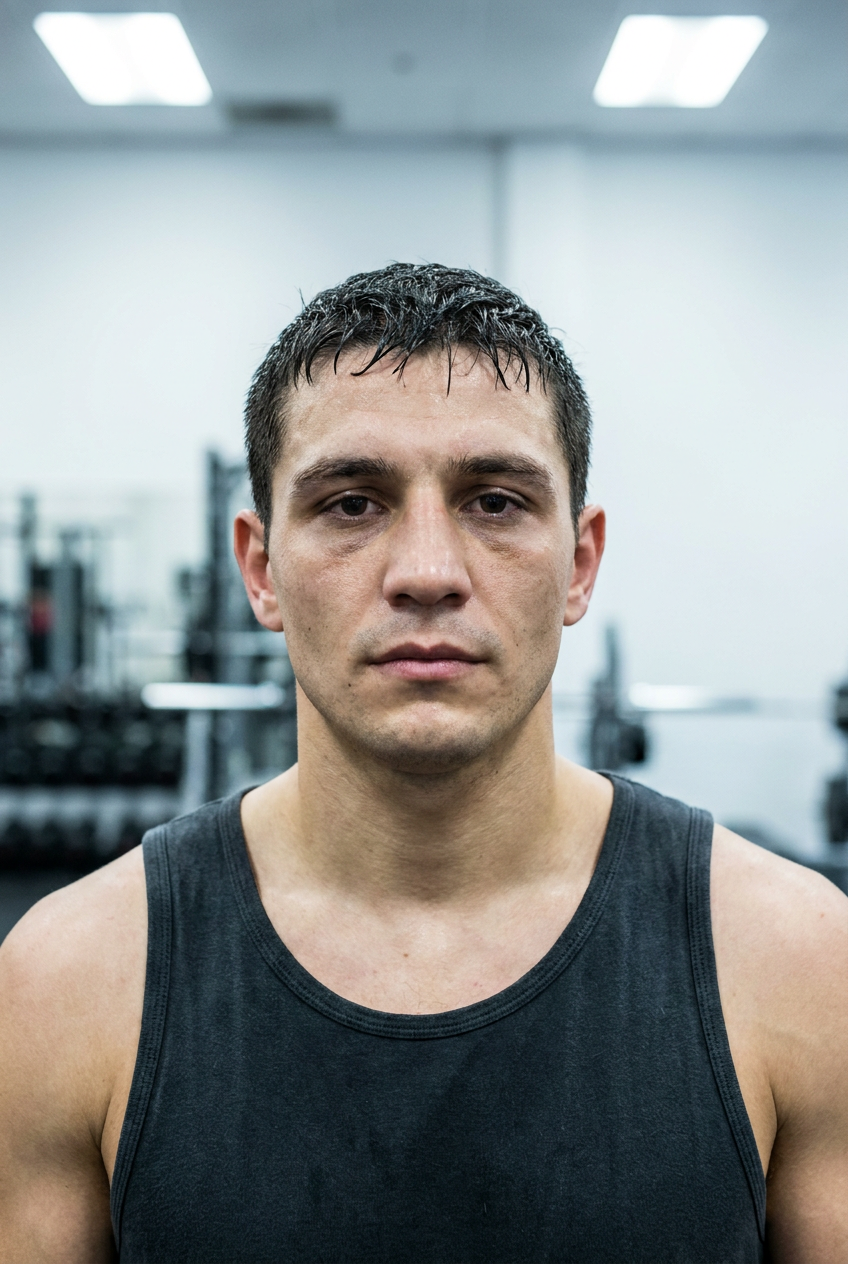
What is happening when you burn out?
Burnout and overtraining syndrome are related but not identical. Overtraining syndrome is a physiological state where accumulated training load outpaces your body’s ability to recover. Your hormone levels shift, your resting heart rate climbs, your sleep worsens, your performance drops even though you’re putting in the same work. Sports medicine researchers have documented this pattern across combat sports. A 2012 paper published in the Journal of Athletic Training identified it as one of the most underdiagnosed issues in high-frequency combat sport training, largely because athletes and coaches tend to interpret declining performance as a skill deficit rather than a recovery deficit.
Burnout has the physiological component but adds a psychological one. Emotional exhaustion, detachment from training, a sense that the sport no longer rewards effort. Fighters sometimes describe it as “going through the motions.” You throw a jab but you don’t care where it lands. You spar but you’re not thinking. You’re just surviving the session to get it done.
The two often coexist because they share a root cause: the gap between what you’re putting into training and what you’re getting back. That gap can be physical (not enough sleep, too many sessions, inadequate nutrition). It can be psychological (a bad stretch of sparring, a coach relationship that’s deteriorated, a competition result that stung). Or both simultaneously, which is the most common version in recreational and amateur fighters who are also holding down full-time jobs.
How do you know if this is burnout?
Distinguishing burnout from a rough week matters. One flat session after poor sleep isn’t burnout. Three weeks of dreading training, declining performance across multiple sessions, irritability outside the gym, disturbed sleep, and a persistent lack of motivation? That’s a pattern worth taking seriously.
A few concrete markers that coaches I spoke to flagged:
- Your resting heart rate is consistently elevated by 8-10 beats per minute above your personal baseline
- You feel worse, not better, after a session, and that feeling extends to the following morning
- You’re making errors you don’t usually make, not because of new complexity but because you can’t concentrate
- You’re shortening sessions or skipping warm-ups to get out faster, and this has become a habit, not a one-off
- The gym feels like a place to endure, not a place you want to be
None of these are definitive on their own. But if four or five of them are true for more than two weeks, you’re likely dealing with burnout rather than a temporary dip. The Boxing Recovery and Rest Day Guide on this site goes deeper on the physiological markers to track.
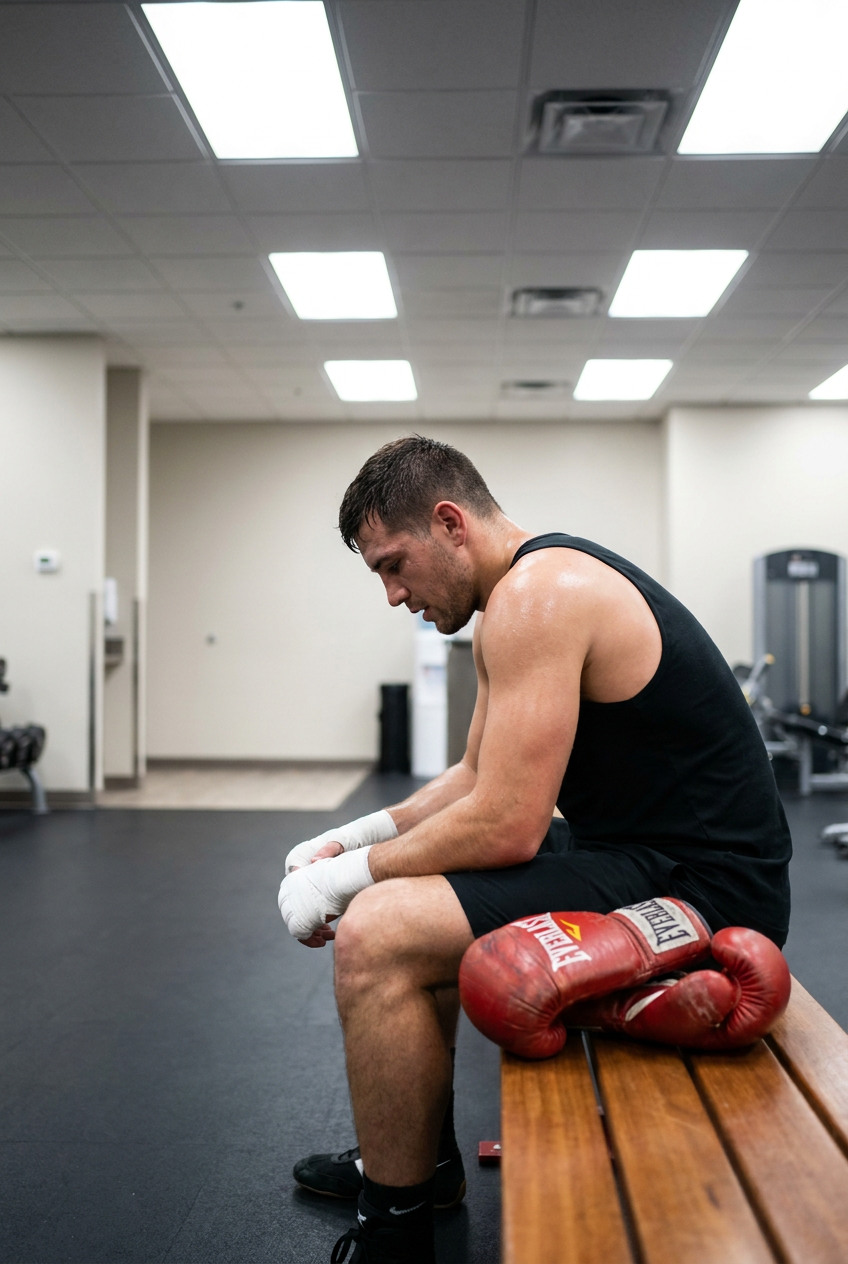
Why does pushing through make it worse?
Because burnout is a stress-response problem, not a willpower problem. If your stress load, training plus life, is already past what your nervous system can handle, adding more training doesn’t build toughness. It deepens the hole.
Emre Ruhi, a Dutch Muay Thai competitor who coaches at a Rotterdam-area gym, describes it this way in his training blog: most fighters who come to him burned out have one thing in common. They’ve been training through symptoms for weeks before they admitted there was a problem. The instinct in combat sports culture is to push through. That instinct works a lot of the time, which is what makes it dangerous when it doesn’t. By the time a fighter admits something’s wrong, they’re often months behind where they could be if they’d caught it at week two.
The other reason pushing through fails: you’re not getting the adaptation benefit anyway. Fatigued nervous systems don’t encode technique efficiently. You’re spending session time without the learning payoff. You’d get more technical gain from two sharp 45-minute sessions in a deloaded week than from five sluggish 90-minute slogs.
What does actual recovery look like?
Here’s where I got the most disagreement from coaches, so I’ll lay out what they agreed on and where they diverged.
The consensus: full rest alone rarely resolves burnout. Taking a week completely off can reduce the physiological load, but if you come back to the exact same training structure, you often land in the same place within a few weeks. The recovery has to include some change to what you return to.
The structure that comes up most often in the sports science literature is a deload week followed by a restructured training block. A genuine deload means:
- Volume cut by at least half. If you were training five days a week, go to two or three, and shorter sessions.
- Intensity reduced. Shadowboxing and light technical drills, not hard sparring or heavy bag rounds at full effort.
- Sleep prioritized. Eight or nine hours for the week, not just what you can manage.
- No guilt about the reduced load. This is the part fighters find hardest.
After the deload week, the return should be gradual. Not straight back to the old schedule. Think of it as rebuilding: if you were at five sessions a week, come back at three for two weeks, then four, then reassess.
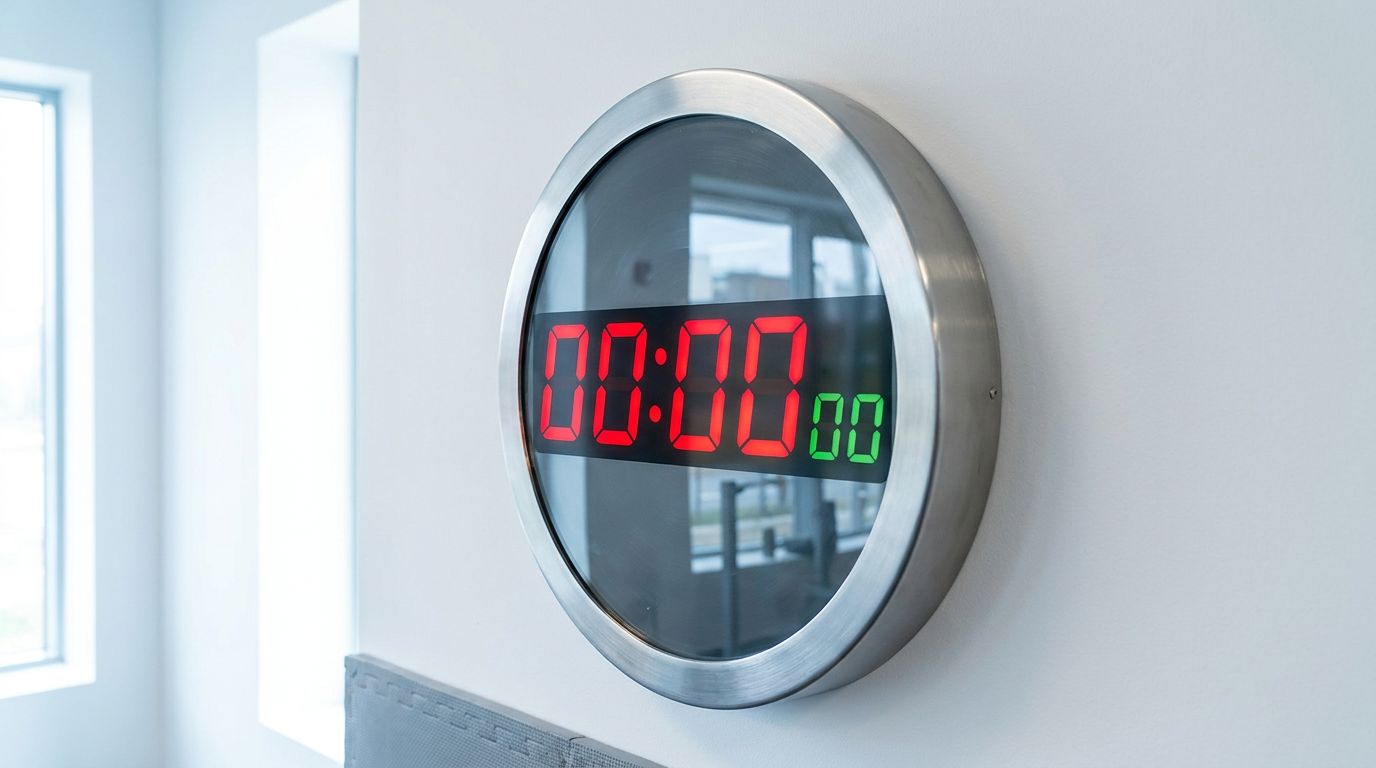
One thing I found useful: using a structured round timer to cap sessions during recovery. It removes the ego-driven “just one more round” decision that burns fighters out in the first place. The free boxing round timer at heavybag.pro is good for this. You set the round count, it beeps, and you stop. The timer decides, not your internal “I should do more” voice. That external constraint is underrated for fighters in recovery mode who can’t trust their own throttle yet.
What about the psychological side?
The physical piece is more straightforward than the mental piece. A fighter can follow a deload protocol and feel physically better by day ten, but still dread going back to the gym. This is where most burnout recovery advice falls short: it treats the problem as purely physical.
A few things that seem to help:
Change the purpose of your sessions temporarily. If training has become about performance, shift it to curiosity. Go in to work on one specific technical problem, not to complete a workout. Leave when that’s done. This takes enormous pressure off because you’re not measuring yourself against some performance standard each day.
Separate training from sparring for a while. Sparring, especially ego-heavy sparring, is one of the fastest routes to burnout for people who’ve been overtraining. Removing it from the schedule for a month, and focusing on bag work, pad work, and shadowboxing, removes the psychological weight of constant evaluation. You can revisit how to manage sparring burnout specifically when you’re ready to bring contact back in.
Find the thing that made you start. This sounds obvious, and I was skeptical of it when a coach first said it to me. But it’s practical. A lot of fighters, especially those who’ve been training for a few years, lose sight of the original reason they showed up. Not competition, not fitness metrics, but the actual thing. Watching a specific fight, wanting to learn something about yourself, the feeling after a hard round. Reconnecting to that, even just by watching old footage that excited you, can shift the emotional relationship to the gym before your technique or fitness has meaningfully recovered.

How do you build a schedule that prevents the next burnout?
This is the question worth asking before you’re burned out again. Most recreational fighters train inconsistently: they push hard for a stretch, feel invincible, keep adding sessions, and then collapse into weeks of either forced rest or complete dropout. The cycle is predictable. Breaking it requires planning rather than just responding to how you feel.
What periodization looks like for a non-competitive amateur training three to four days a week: one deload week per month, built into the schedule as a permanent fixture, not an emergency measure. That week isn’t skipped when training is going well. It’s done regardless, because the benefit of a deload week is that it prevents you from ever needing an emergency two-week full rest.
The Heavy Bag Pro app has deload-week templates built in that cut volume automatically for scheduled recovery weeks. Structured pacing, where the plan tells you to back off rather than relying on you to read your own body accurately, is worth more than it looks for people who train alone without a coach managing their load. Read more about how to track your training progress and spot the plateau breakthroughs that signal real progress rather than stagnation, because sometimes what feels like burnout is a skill plateau that needs a different fix.
Variety within a training block also matters. Fighters who do the same five drills every session, same bag work format, same round structure, get bored faster and mistake boredom for burnout. They’re related, but boredom is easier to fix. Rotating between technical focus sessions, conditioning-heavy sessions, and recovery sessions, within the same week, keeps training interesting enough that your mind doesn’t associate the gym with repetitive grind.
What if you’ve already burned out hard and took months off?
Coming back after a long break, more than four to six weeks away, is its own challenge. The physical capacity is lower than you remember. The psychological relationship to training may have repaired itself during the break, or it may have calcified into plain avoidance.
The standard advice is to treat yourself like a beginner for the first month back. That’s harder than it sounds when your technical knowledge is still intact. You remember how to throw a good combination, but your conditioning doesn’t match your memory of it. Fighting that gap, trying to train at the level your knowledge knows rather than the level your body is currently at, is a route back to overtraining within weeks.
Set a cap on sessions per week, three maximum for the first month, and refuse to exceed it regardless of how good one session feels. One good session is not a sign that you’re back. It’s a sign your body enjoyed the lower load. Give it six to eight weeks of consistent lower-volume training before reassessing what “normal” looks like for you now.
If your motivation to return is still low after a month of easy reintroduction, that’s worth paying attention to. It may mean the sport itself needs rethinking, not just your schedule. That’s a harder conversation, but an honest one.

Track your sessions with the Heavy Bag Pro app’s structured training logs. Seeing consistent lighter sessions add up over weeks gives your brain the evidence it needs when motivation is fragile. Showing up, even modestly, matters more than the quality of any single session when you’re climbing back.