
You train three times a week at a home gym. You punch the heavy bag in running shoes, cross-trainers, or bare feet, and you have been wondering whether boxing shoes would change anything for you. Not for sparring. Not for the ring. Just for the bag. Is it worth spending $60 to $120 on shoes nobody at your gym will ever see?
I asked around. Talked to a few coaches, read through training logs on Reddit and boxing forums, and spent some time thinking about what shoes do during bag work versus what they do during competition. The answer is less obvious than the gear stores want you to believe, and more complicated than the “just train barefoot” crowd admits.
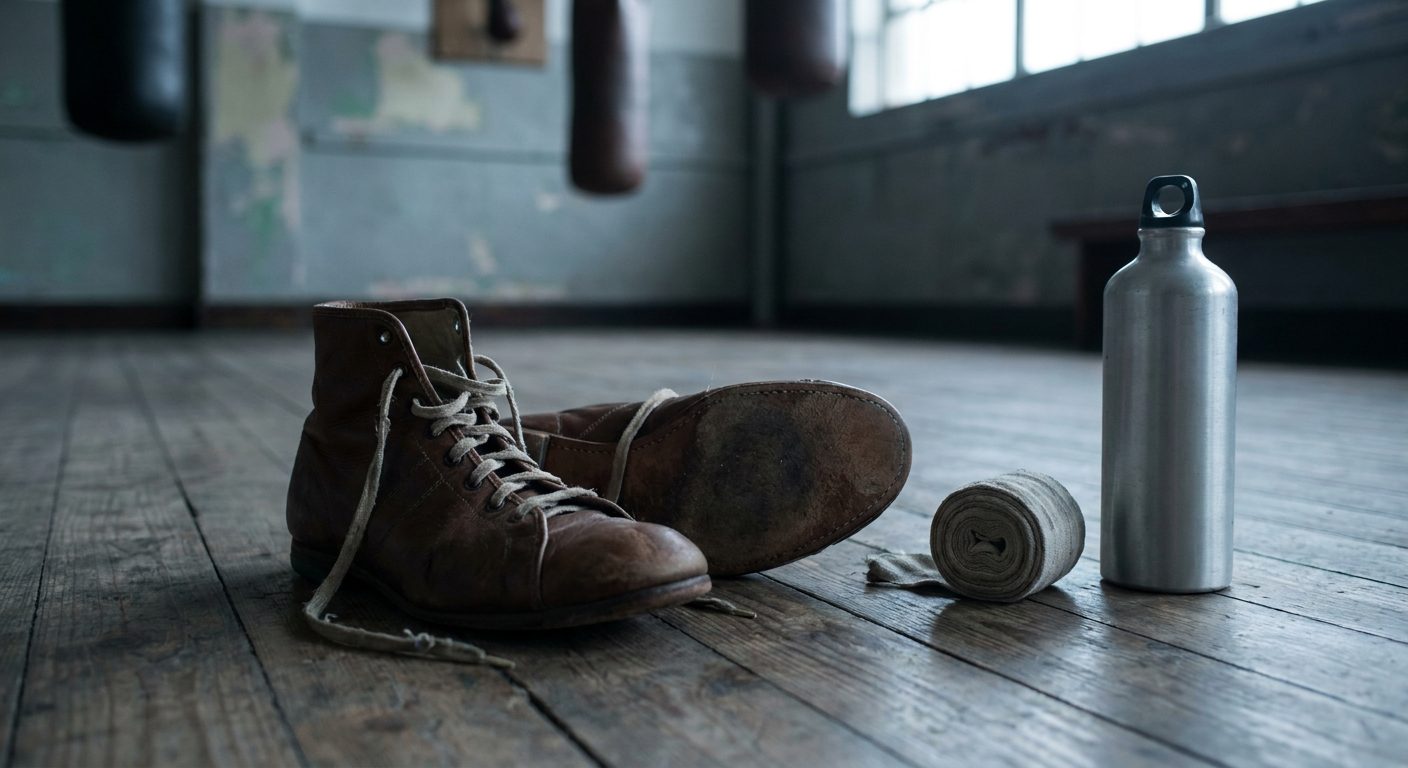
What the floor is doing to you
Start here, because footwear is a floor problem before it is a shoe problem.
Running shoes are built for forward momentum. The thick, cushioned sole absorbs heel-strike impact and pushes off toes, which is exactly what you need for road work. Put that same shoe on a stationary pivot and you are working against the design. The sole grips or drags depending on the surface, the cushioning compresses unevenly under lateral pressure, and the heel-to-toe drop tilts your body forward. Over a 12-round bag session, that tilt adds up in your lower back and knees.
Boxing shoes fix this with a flat, thin sole and a pivot point near the ball of the foot. Adidas, Nike, and Everlast all build their boxing shoes around the same basic geometry: low profile, snug ankle wrap, minimal heel-to-toe differential. The result is that when you plant and turn, the shoe lets you turn rather than fighting the motion. Pete Spanakos, a coach who has worked corner stints at Golden Gloves qualifiers in New York for the better part of 15 years, put it this way in an interview I found from a boxing podcast: “The shoe doesn’t make you a better boxer, but it stops the floor from making you a worse one.”
Cross-trainers sit in the middle. They are flatter than running shoes, more laterally stable, and fine for casual bag rounds. If you are already using cross-trainers, the jump to boxing shoes is smaller than you think. If you are using dedicated running shoes or cushioned trainers, the difference is more significant.
The pivot problem on a heavy bag
Here is where the question gets specific to bag work rather than just boxing in general.
On a heavy bag, you plant, pivot, and reset hundreds of times per session. A right cross from orthodox stance involves the rear foot rotating on its ball while the heel drives upward. If your shoe does not let that happen cleanly, one of two things occurs. You either compensate by not rotating fully, which kills your hip drive and flattens out your power. Or you pivot anyway and feel the shoe drag, creating a micro-stress on the knee joint over every rep.
Neither is dramatic on its own. But across six months of regular bag work, poor pivot mechanics from the wrong footwear can contribute to knee irritation and lower-back tightness. Orthopaedic physiotherapist Tom Cross, writing for ACSM’s Health and Fitness Journal, notes that rotational sports training done with non-rotational footwear repeatedly loads the knee in a way the joint was not designed to accept, particularly when the foot is planted and the torso is rotating through.
For bag work specifically, this matters more than people expect. You are doing the same movement pattern, thousands of times, in the same shoes. Ring fighters change their movement constantly and vary their footwork in response to an opponent. On a bag, you go through the same rotation on every right hand, every left hook, every pivot step. The repetition is where shoe mechanics become load mechanics.
Grip. How much do you need?
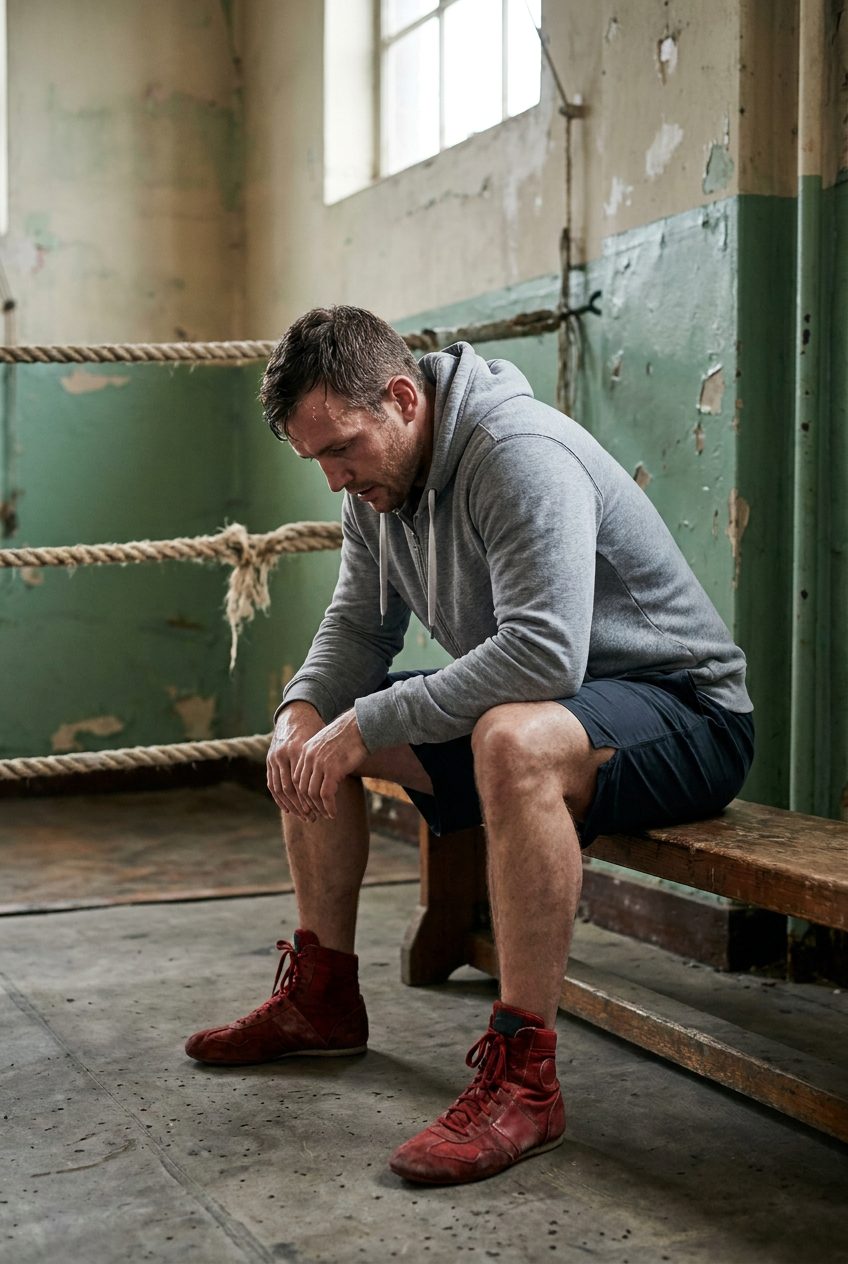
The standard boxing shoe has less grip than almost any other athletic shoe. That is intentional. Too much grip and you cannot pivot; you either tear your knee or strip the skin off your foot at the ball trying to force the rotation.
Barefoot training solves the grip problem by removing the shoe entirely. On a smooth hardwood or mat surface, bare feet pivot beautifully and give you proprioceptive feedback the shoe blocks. A lot of Muay Thai camps train barefoot by default, and plenty of boxing coaches encourage it for shadowboxing and certain bag drills. The issue is surface. Concrete garage floors and rough rubber flooring are hard on bare skin over time. Splinters from old wooden gym floors are a real thing. And if your gym floor is the kind of semi-sticky rubber mat that grabs on lateral slides, bare feet can catch and torque in ways that are worse than a running shoe.
So the practical answer on grip: boxing shoes are calibrated for wooden or synthetic gym floors. Bare feet work on smooth surfaces. Running shoes work against you on pivots regardless of surface. If you are doing bag rounds on hardwood or a proper gym mat, the shoe is worth it for the pivot mechanics alone. If you are punching a bag on a rough concrete floor in a garage, training socks or wrestling shoes might suit you better than proper boxing shoes.
Ankle support. The real reason coaches push boxing shoes.
The ankle wrap on a boxing shoe is not decoration. It provides lateral support during the kind of explosive lateral movement that bag work involves: step-and-pivot, angle cuts, circling the bag. Without that support, an ankle roll during an aggressive lateral step sends you off the bag for a couple of weeks.
If you have had an ankle sprain within the last year, or if you know your ankles are weak from previous injuries, a mid-top boxing shoe is worth the cost for this reason alone. The ankle cut on most boxing shoes sits just above the joint, enough to stop a lateral roll without restricting the dorsiflexion you need for footwork. Compare that to a running shoe, where the heel counter wraps the back of the ankle for heel-strike control and provides very little lateral resistance at the joint.
You can also use ankle supports or taping over regular shoes, and plenty of experienced bag trainers do exactly that. It is not as clean as a purpose-built shoe, but it addresses the support piece without the cost. If you are genuinely just doing light cardio bag rounds twice a week, this might be the better call.
Three scenarios. Which one are you?
The question “are boxing shoes worth it” has three different honest answers depending on how you train.
Scenario one: casual bag training, two sessions a week, focused on fitness. You are not drilling pivot mechanics, not working heavy combinations, not pushing for power. You are getting cardio and learning the basics. Your current cross-trainers are fine. The difference between shoes here is not zero, but it is small enough that the money is better spent on wraps, gloves, or more bag time. If you love buying gear, a cheap pair of wrestling shoes (around $30-$40) gives you the flat sole and pivot-friendly sole without the boxing-specific price tag.
Scenario two: serious home training, four or more sessions a week, working on technique. You drill specific combinations. You are learning to pivot through your right hand. You care whether your hooks are landing with hip drive or just arm. Here, boxing shoes pay off. The floor feedback you get from a flat, thin sole is different from what you feel through a running shoe’s cushioning stack. Your footwork will feel more deliberate because the shoe is not absorbing the information your feet are trying to send up. A pair of Adidas Box Hog or Nike HyperKO comes in under $80 and will last years with normal bag training use.
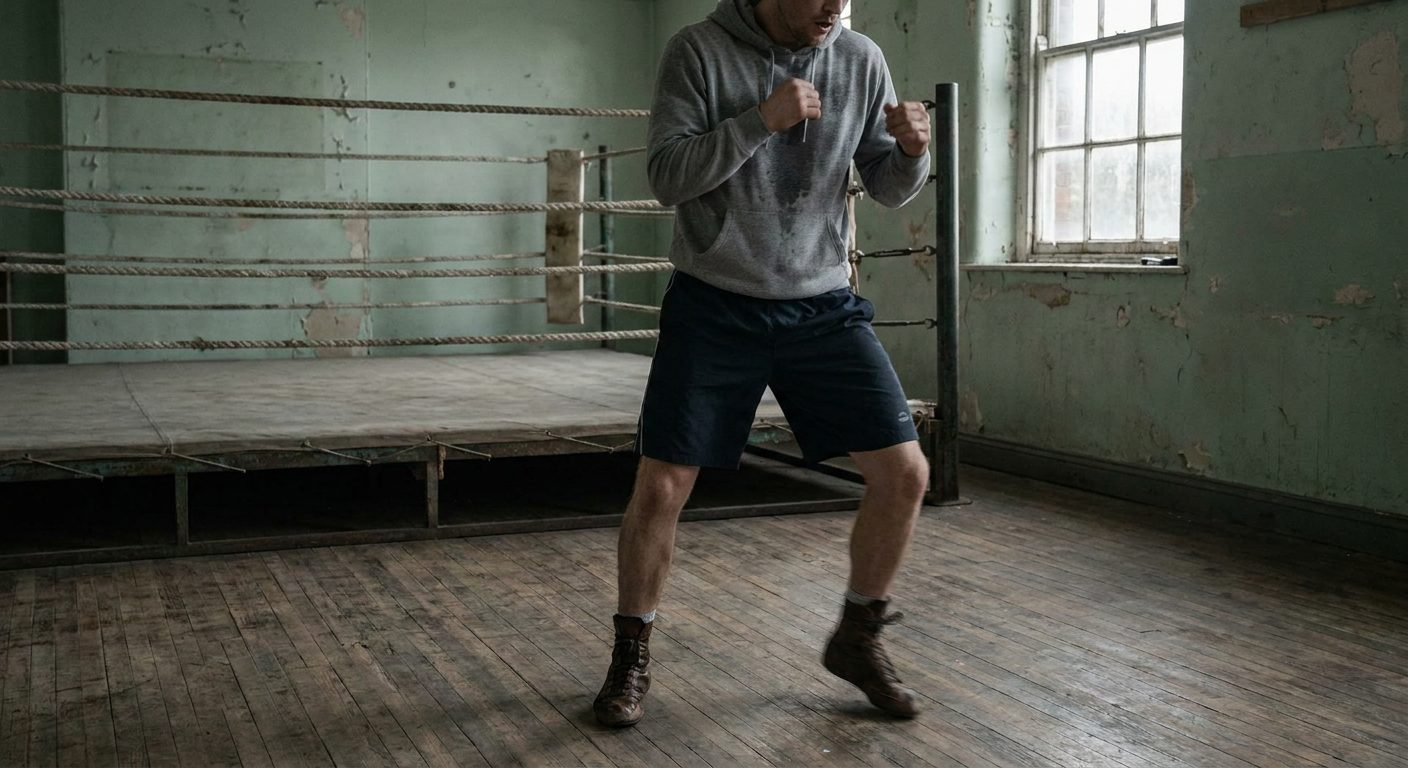
Scenario three: you spar or compete, or plan to. Then this is not even a question. Get boxing shoes. Full stop. You need them for the ring, and training in them means your footwork in sparring is trained in the same gear. Switching from training flats to competition shoes mid-camp is a bad idea for reasons any coach will tell you in the first five minutes.
Using a round timer like the one at heavybag.pro/boxingtimer/ during bag sessions also helps you structure rounds properly when drilling footwork. Set a 3-minute round with a 1-minute rest, focus on one footwork pattern per round, and you get more out of the shoe investment because you are doing specific, deliberate reps instead of just hitting the bag until your arms get tired.
What to look for when you buy
If you decide to get a pair, the specs that matter for bag work specifically are different from what matters for ring competition.
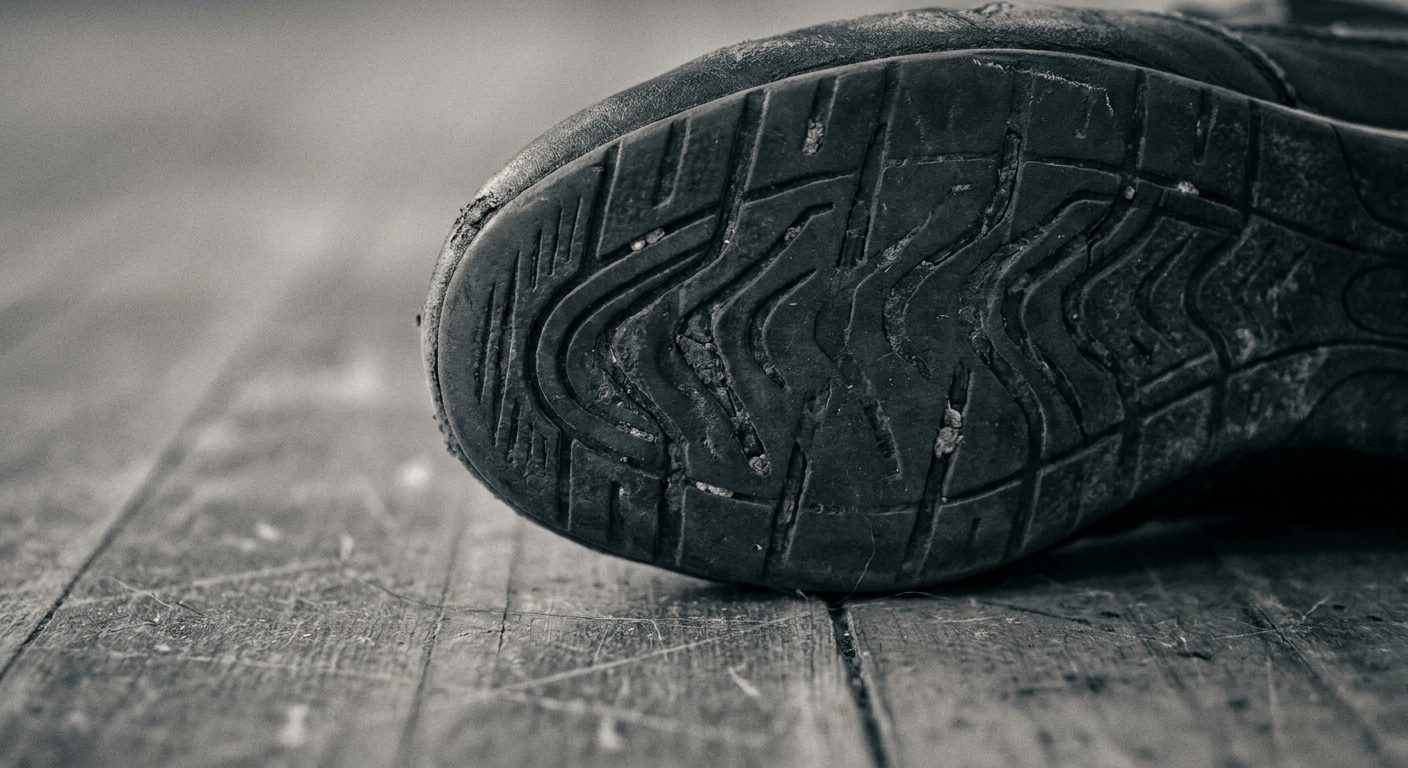
Sole thickness is the main one. Ring competition shoes often go very thin for weight and feel, but on a hard gym floor that means less cushioning during the impact phase of your punches. For bag training, a slightly thicker sole, still far thinner than a running shoe, gives you the pivot mechanics without jarring your joints on heavy landings. The Everlast Elite Hi-Top and the Ringside Diablo are both in this middle ground.
Ankle height is a personal call. Low-cut boxing shoes give more freedom of movement and feel closer to barefoot. Mid-top and hi-top provide more lateral support. If your ankles are solid, go low. If they have been through injuries, go mid.
Fit should be snug across the foot without being tight. Boxing shoes run narrow in most brands. Trying them on in a sports store first, or buying from a retailer with a good return policy, saves you the hassle of dealing with a pair that blisters your foot for the first month. Our beginner gear guide covers footwear alongside the other essentials if you want a broader overview of what to prioritize when you are setting up a kit from scratch.
One thing you can skip: ventilation mesh uppers, which are marketed for ring use where you want a lightweight shoe. For bag training, a solid leather or synthetic leather upper lasts much longer with daily use and does not pick up grime from gym floors the way mesh does.
The barefoot argument. Where it wins and where it loses.
Spending time barefoot during bag work is worth trying regardless of whether you end up buying boxing shoes. It forces you to feel the floor properly and exposes whether your balance and pivot mechanics are working or whether you are relying on the shoe to compensate.
Training at the Gleason’s Gym open sessions in New York, you can watch coaches run barefoot shadowboxing rounds with beginners specifically to get them off their heels. The floor feedback is immediate. You feel when you are loading the wrong part of your foot because the floor tells you before any coach does.
The limitation of barefoot bag training is surface dependency and session length. Short rounds on a clean hardwood floor? Great. An hour of bag work on rough rubber or concrete? Your feet will let you know by the third round. Barefoot is a supplement, not a replacement, for most home gym training contexts. Use a round or two at the start of a session for proprioceptive warmup, then put the shoes on for the main work.
For footwork drills specifically, a structured footwork drill routine is worth building out alongside any footwear changes, since the shoe change alone will not fix movement patterns that have already grooved incorrectly.
The verdict. Honest version.
Boxing shoes are worth it if technique work is the point of your training. They are worth considering if you train often enough that the repetitive pivot mechanics are going to add up over time. They are not worth it if your bag sessions are purely cardio-focused and you are not working on footwork at all.
Wrestling shoes are a legitimate cheaper alternative for most of the footwork and pivot benefits, at a fraction of the price. Bare feet work well on the right surface. Running shoes are the one option that actively works against you for bag pivots.
If you are going to put serious time into the bag and you care about your technique looking and feeling right, a purpose-built boxing shoe is one of the lower-effort gear upgrades you can make. Not because it will make you better by itself, but because it stops your shoes from making you worse. The sparring gear checklist on the site is worth reading if you are building your kit out and want to know what else to prioritize at each stage.
If you are building structure into your bag sessions, the Heavy Bag Pro app lets you set round timing, rest intervals, and custom round alerts so you can focus on your footwork and technique instead of watching the clock between rounds.