
I’ve bought two bag stands in my life. The first one wobbled every time I threw a hook. The second one sat rock-solid for three years before I finally moved and had to leave it behind. The difference between them came down to a few things I didn’t know to check when I bought the first one.
Bag stands are a compromise. They don’t hold a bag as well as a ceiling mount, and they’ll never be as stable as a bracket bolted into a joist. Knowing that going in isn’t a reason to skip them. For a lot of home trainers, a stand is the only real option: renting means no ceiling work, garage joists sit at the wrong height, or you just want to be able to move the bag out of the way on non-training days. A good stand solves all of that. A bad one punishes every combination you throw.
This guide walks through exactly what separates the two.
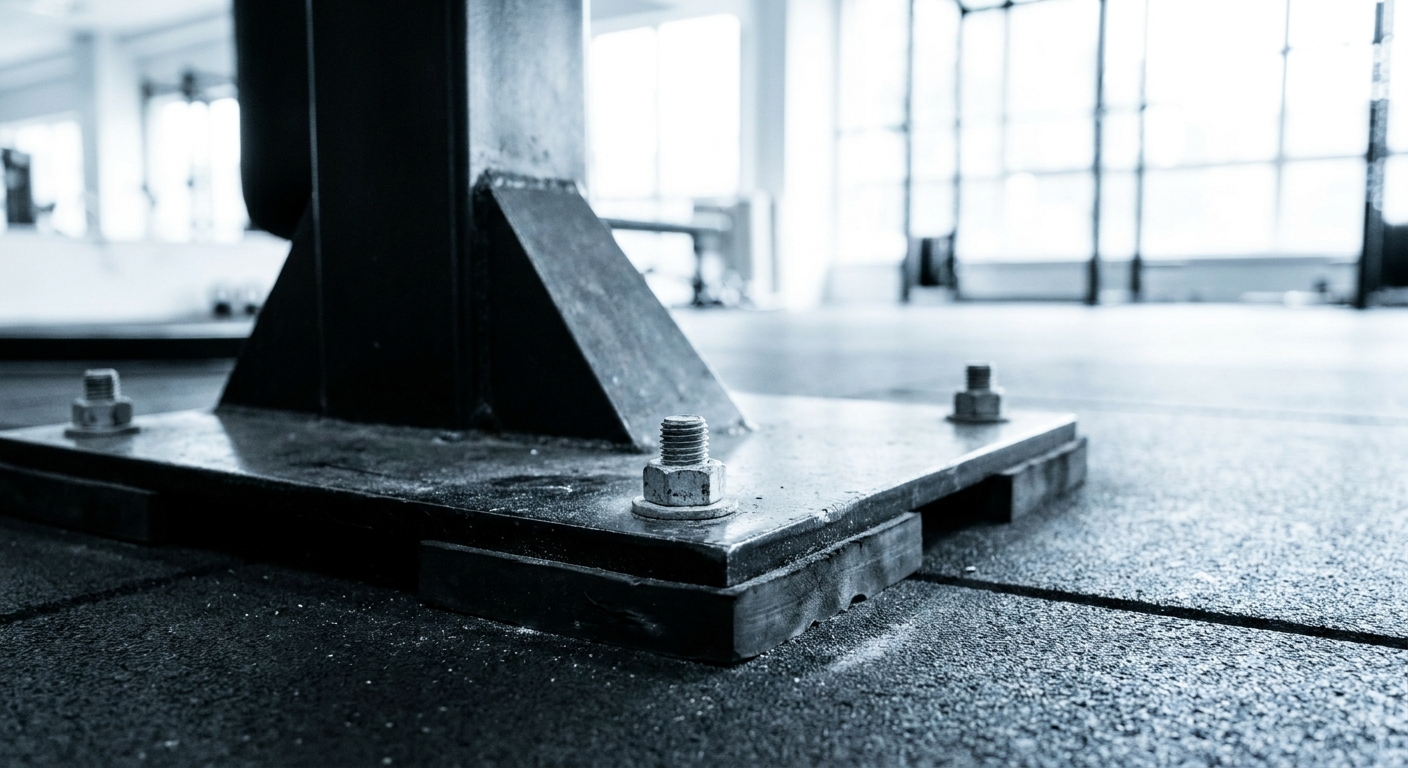
Weight. The only spec that matters.
Every other spec on a bag stand is secondary to mass. A light stand will walk. It will shift under power shots. Your combinations will become about chasing the bag rather than landing clean.
The base on most stands accepts weight plates. This is not a bonus feature. It is the product working as designed. If you buy a stand and skip filling the base, you have bought the wrong product. Load it. Use Olympic-style plates if possible since they stack efficiently. A well-filled base should be heavy enough that nudging it with a shoulder takes real effort.
The minimum usable fill weight for consistent heavy bag work is somewhere around 200 pounds on the base. Less than that and you’ll feel the stand shift on hooks. Some heavier users and harder punchers need more. Test it by throwing your hardest cross after a few warm-up rounds. If the stand rocks, add weight.
Stand types. Pick one.
There are three stand formats worth knowing about.
1. A-frame base (Olympic plate-loaded). The most common. A central upright with two angled legs meeting in a base that accepts weight plates. Cheap to make, widely available, and stable enough when fully loaded. The weak point is the cross-bar weld where the arms meet the upright. On budget versions that weld fails after a year of regular use. Check user reviews specifically for weld failure before buying.
2. T-base with cross-feet. A cross-shaped base, often with four rubber feet. These distribute weight a little better and tend to be more stable at the same fill level as an A-frame. They also take up more floor space. If you’re training in a garage with 10 feet or more of clear space, this is usually the better choice. Smaller rooms make the cross-feet awkward.
3. Platform base (filled with sand or water). Less common. The base is a sealed container you fill on delivery. No weight plates needed. These are often the heaviest option when filled correctly and work well for apartments where carrying weight plates up stairs isn’t practical. The downside: if the seal cracks, you’re mopping. Also tend to run more expensive.
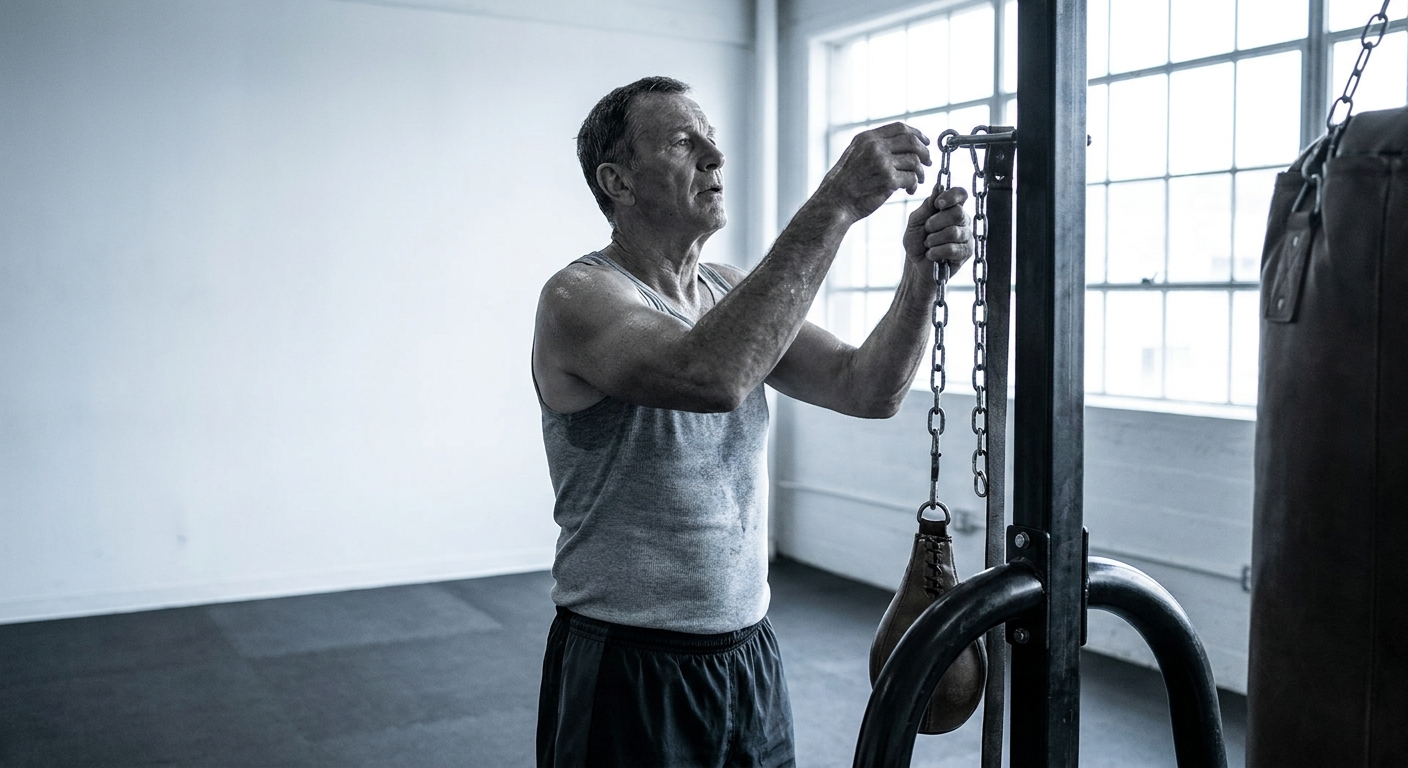
Height range. Check it twice.
Most stands adjust from around 70 inches to 85 inches to the top of the hanging hook. Your bag hangs below that. For a standard 70-pound heavy bag, you’re looking at the bag bottom sitting somewhere between 10 and 20 inches off the floor depending on chain length.
The problem is that manufacturers measure to the hook, not to where the bag actually hangs. A 5’10” boxer training body shots needs the bag bottom sitting around hip height. A 6’2″ fighter working head-level combinations needs it higher. Do the math before you buy: hook height minus bag length minus chain length equals bag bottom height. If the stand’s max hook height can’t get your bag where you need it, it’s the wrong stand.
Adjust height before loading the base with plates. Adjusting the collar with 250 pounds of plates stacked on the base is not fun.
Reach. How far out the bag hangs.
The arm that extends from the upright to hold the bag varies from about 18 inches to 36 inches on most stands. Shorter reach means the bag sits closer to the upright, which limits your movement around the bag. Longer reach puts more stress on the upright and increases wobble unless the base weight compensates.
For boxing-specific training with combinations and footwork, 24 to 30 inches of reach is a workable range. Muay Thai practitioners who throw knees and work at closer range can get away with shorter. If you’re doing heavy power work with a 100-pound bag, stick to the shorter reach options and load the base heavier. Leverage magnifies every weak point.
You can find stand specifications from established boxing equipment suppliers like Title Boxing, which publish detailed arm-length and weight specs that are worth cross-referencing before purchase.
The wobble problem.
Every bag stand wobbles to some degree. This is worth accepting before you buy. What you’re managing is the degree of wobble and where it happens in the session.
Wobble that shows up immediately on the first jab is a sign the base isn’t loaded enough or the stand quality is too low. Wobble that creeps in during round four after sustained combination work is normal. Your focus between rounds can return it to stable position.
Two things reduce wobble that most reviews don’t mention. First: the bag’s fill. A denser, heavier bag transfers less swing energy into the stand because it returns to center faster. A light unfilled bag swings wide and yanks the stand with it. If you’re consistently fighting wobble, check your bag weight before blaming the stand.
Second: the floor surface. Rubber flooring damps movement significantly. Training on hardwood or concrete without a mat under the stand base lets the feet slide. A rubber base mat cut slightly larger than the stand footprint costs almost nothing and makes a noticeable difference. Pair that with a structured training timer like the one at heavybag.pro/boxingtimer/ so you’re working clean rounds and not just hammering the bag until it walks away.

Steel gauge. What to look at on the spec sheet.
Nobody’s advertising “thin steel” but some stands are made with thinner wall tubing that flexes noticeably under load. You’ll see this described as “11-gauge steel” or “14-gauge steel” on the better stands. Lower gauge number means thicker steel. 11-gauge is solid. 14-gauge is acceptable for lighter bags. Anything not listed is worth being suspicious about.
The collar clamp where the upright meets the arm extension is another stress point. Look for a dual-bolt collar or a ratchet clamp. Single-bolt collars loosen over time, especially if the stand sees temperature changes in a garage.
Ringside and Everlast both make stands in the mid-range price bracket that publish steel gauge and collar specs. They’re not the cheapest options but they hold up through consistent training.
Six picks worth knowing.
These are the categories where specific options separate themselves from the generic budget crowd.
1. Best for serious home training (budget no object): Century Versys VS.2 system and dedicated heavy bag stand combos rated for 100+ pound bags. Heavy, stable, and genuinely built for daily rounds. More than most people need, but for a trainer who plans to use the bag daily for years, the per-session cost is low.
2. Best mid-range A-frame: Ringside 100-pound stand with Olympic plate base. Around $100-$130. The collar clamp is dual-bolt, the steel is listed gauge, and it ships at a reasonable weight. Load it properly and it works. Enough users have logged multi-year reviews to give it credibility.
3. Best for apartment use (sand/water platform): Everlast’s platform-base stand if you can find it in stock, or the RDX platform version. No weight plates to carry up stairs. Fill on delivery, train the same day.
4. Best for large garage space: Title Boxing four-foot-base T-stand, if the floor space works. Wider footprint, lower wobble even at lighter fill weights.
5. Best budget A-frame for 70-pound bags only: The generic steel A-frames in the $60-$80 range from Amazon can work for 70-pound bags and lighter punchers who load the base properly. They’re not built to survive a hard puncher’s sessions long term. Expect to upgrade in 18 months if you train seriously.
6. Best for portability: Dripex and Mirafit make stands with quick-release collars that fold down for storage. If you need the space back every day, these are worth a look. Stability is a step below the fixed-collar options at the same price, but the trade-off is real.
What a stand can’t replace.
A bag stand is a convenient solution, not the best one. If you have ceiling access, a structural joist, and are willing to put in the hardware, a proper ceiling mount or wall bracket will give you a more stable, more realistic training feel. The bag moves the way it’s supposed to. Your footwork adapts to real angles.
The Boxing Gym Membership vs Home Training cost breakdown on this site puts the full picture in context if you’re still deciding whether a home setup makes sense for your situation.
For those who decide a stand is the right call, combine it with structured round work using a proper timer and you have a home setup that delivers real training sessions, not just bag-chasing.
The Heavy Bag Workouts: Best Advice From 50+ Coaches post on this site covers what to do once the stand is set up. If you’re new to solo bag work, start there.
Before you buy.
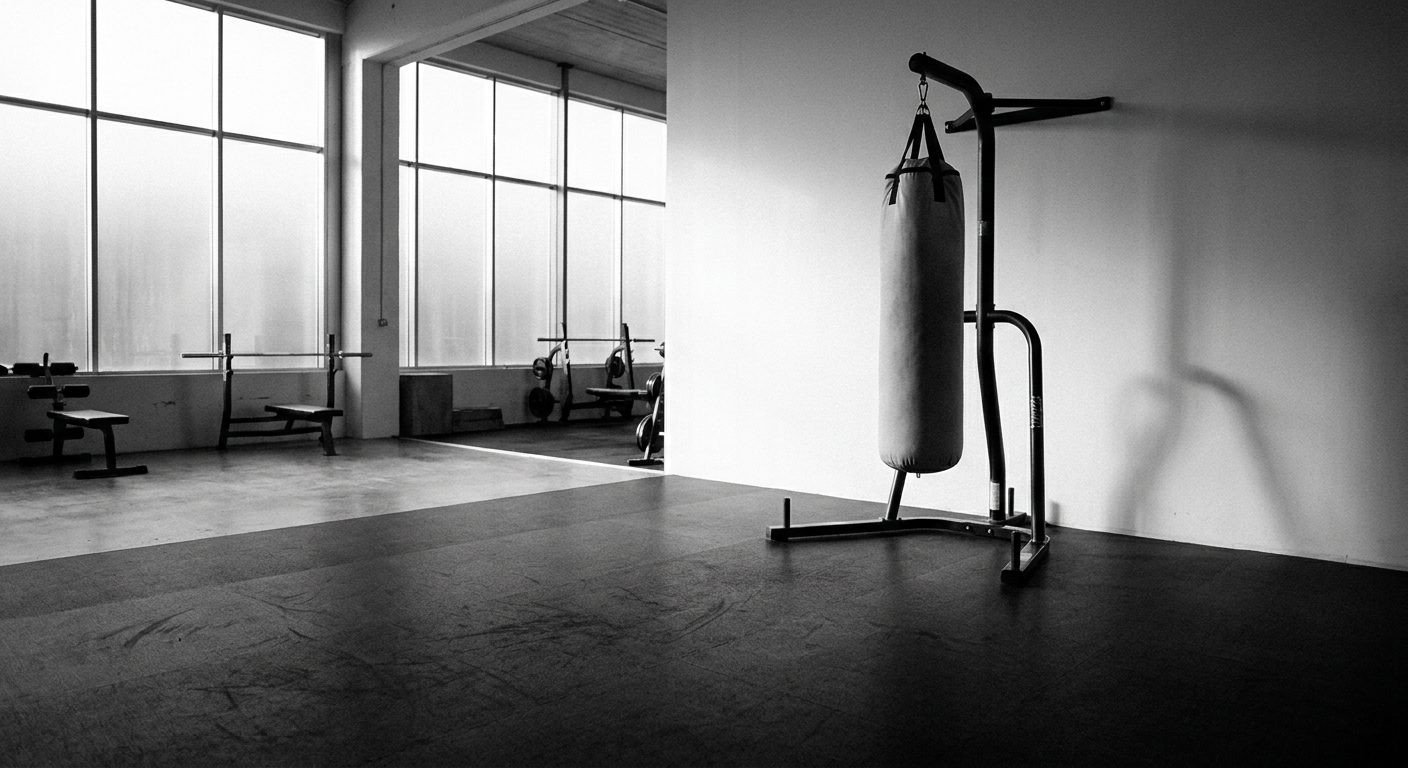
Check three things before placing the order. First: the maximum bag weight rating. Second: the arm reach in inches. Third: whether it ships with hardware to accept the plate size you already own or plan to buy. A lot of stands arrive specifying “Olympic plate compatible” but ship with an adaptor sleeve that creates wobble at the collar. Read reviews for that specific complaint.
A stand that’s right for your weight, your training style, and your floor space will give you years of solid sessions. A stand that’s wrong makes every round a frustration.
Structure your rounds properly once you have it set up. The free boxing round timer at Heavy Bag Pro on iOS gives you configurable rest intervals and combination prompts so you’re working to a plan rather than just punching until tired.