
Can you tell, just by listening, whether someone is on session 20 or session 200? Walk past an old gym and you can. Session 20 sounds like a person hitting a bag. Session 200 sounds like a rhythm: a snap, a thud, a pause, two thuds, and feet that never stop moving underneath.
This is our 200th daily post, so here is the plain version of what two hundred bag sessions can look like. Four sessions a week for a year gets you roughly there. Nobody gets that far by accident, and nobody gets that far by winging every workout. You need a plan that changes on purpose.
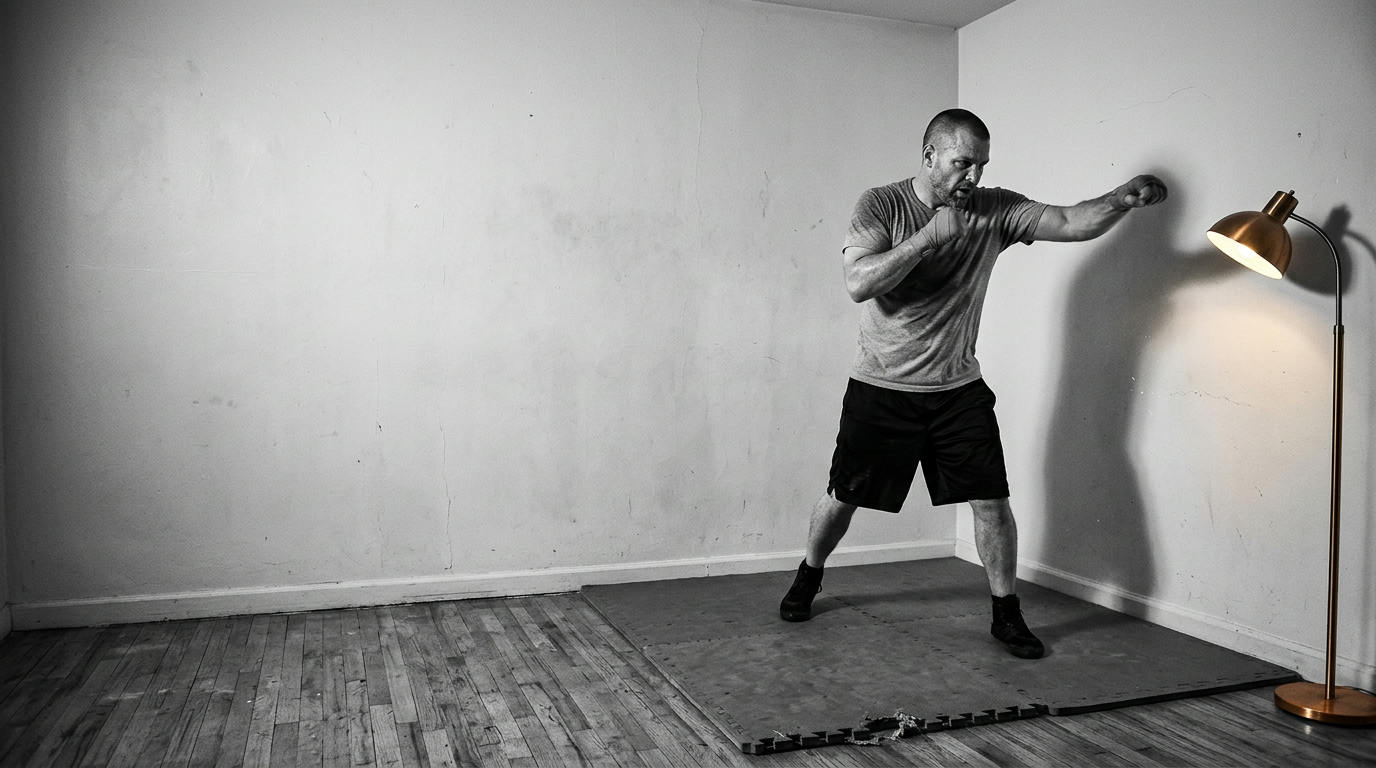
What Actually Changes Between Session 20 and Session 200?
Not the power. Power shows up early and it fools people. Someone lands a hard cross on session 15 and decides they have arrived.
What changes is everything around the punch. The stance stays loaded between shots. The head moves before the hands go out. The rounds stop collapsing in the last minute. Cus D’Amato’s Catskill gym built Mike Tyson on exactly this kind of boring layering: slip, bob, then punch, drilled until the order stopped being a decision. The glamorous part was the finish. The work was the sequence.
So treat the 200 sessions as a staircase, not a pile. Each block adds one thing and keeps the old things honest. If a block adds nothing new, it is a rest period wearing a training costume.
How Should You Split 200 Sessions?
Into four blocks of unequal length, each with a single job. Do not set strict week counts. A block ends when its test is passed, not when the calendar says so.
Block one is shape. Stance, guard, the jab, the cross, the pivot. Rounds are light and the bag barely moves. The test: you can throw a jab, return to guard with your chin down, and repeat it for a full session without looking at your hands. Most people leave this block too early because it feels like nothing is happening. Stay until it feels dull.
Block two is vocabulary. Hooks, uppercuts, body shots, and the first real combinations. For kickboxing and Muay Thai, this is where the teep, the round kick and the knee join the list. Fighters in the Lumpinee tradition in Bangkok are known for kicking bags in huge volume, but the point for you is the pairing: a teep to measure, then the kick behind it. The test: you can throw any three-punch string you pick at random and keep your feet under you.
Block three is pressure. Longer rounds, shorter rest, mixed targets, and punching while tired. Form will slide here. That is the point of the block, because it shows you which habits only exist when you are fresh. The test: your last round looks like your first, only slower.
Block four is choices. Fewer drilled combinations, more reading of the bag as it swings. You move off the line, exit at an angle, and decide the next punch from where the bag is, not from a script. This is the block that never really finishes, and that is fine. It is where most of your second hundred sessions will live.
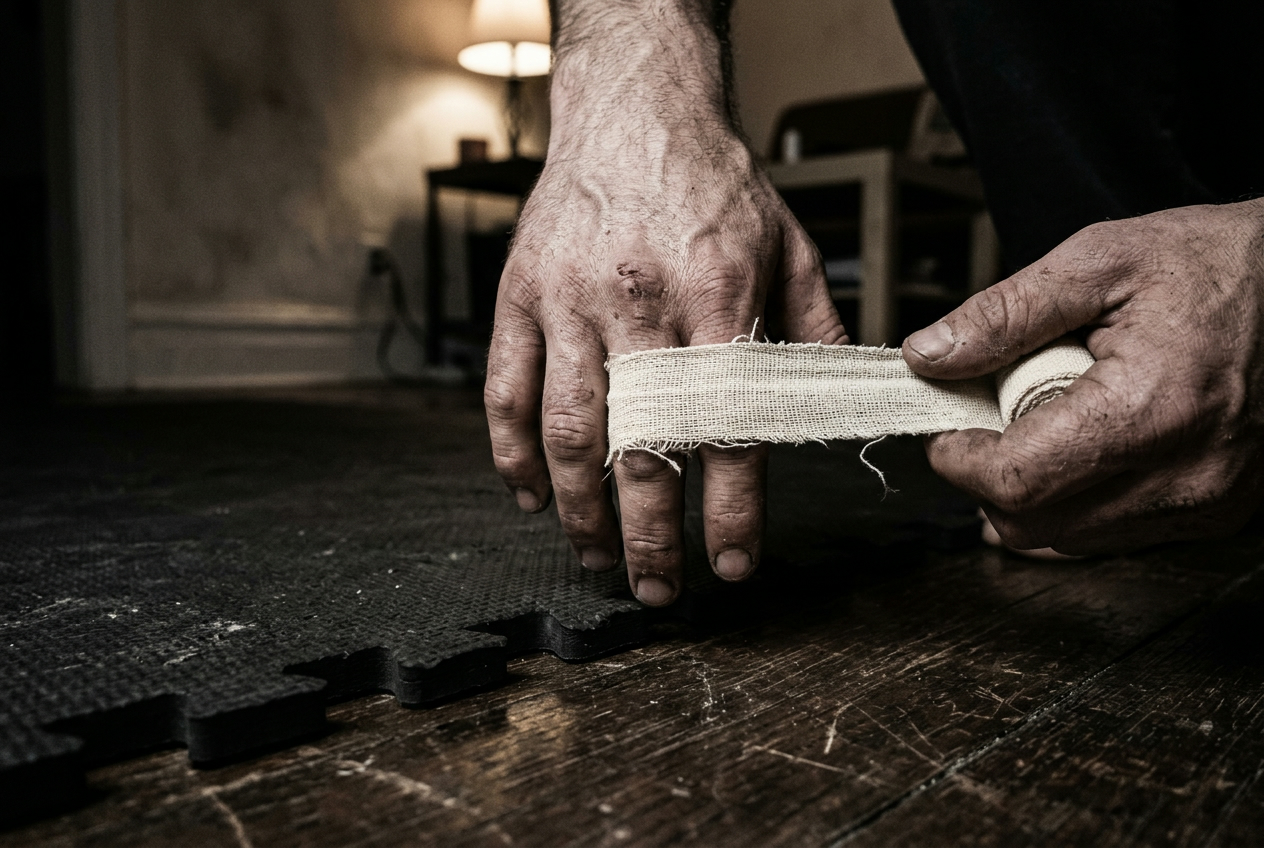
What Does a Normal Session Look Like Inside a Block?
Boring on paper, which is how you know it is a plan. Skip rope or shadowbox to get warm. Wrap your hands properly, every time, even when you are late. Then work rounds of three minutes with a one minute rest, the standard rhythm in boxing, and stop the session at the last round you can finish with clean form.
The timer is the part people skip. If you eyeball the clock, your rest stretches and your rounds shrink. Use a proper round timer with audio cues so the bell decides, not your mood. The free boxing round timer on heavybag.pro does it in a browser with no download.
What goes inside the round matters more than how many rounds you do. Heavy Bag Pro has over 1000 boxing, kickboxing and Muay Thai combos with audio callouts, so you do not have to invent a sequence while your lungs are burning. The custom workout builder lets you stack a block’s worth of work into one session: warm-up round, two technique rounds, a pressure round, a cool-down round. Build it once and run it for a few weeks.
One more rule. Finish with something that is not a punch. A few minutes of the ten-minute post-boxing cooldown is boring too, and it keeps the next session from starting in a hole.
Where Does Conditioning Fit?
Around the bag, not inside it. A round on the bag is a skill round, and if you turn every one into a lung-burner, your technique pays for it. Put the hard conditioning on separate days or after the skill rounds are done.
Core work is the obvious gap. Punching and kicking both run through the middle of your body, and a weak trunk leaks power with every rotation. A short abs session two or three times a week, on days the bag is off, covers it. The exercise library and 30-day challenge at Abs Pro is a ready-made way to do it without designing a program of your own.
Keep the total honest, too. The CDC’s adult activity guidelines ask for muscle-strengthening work on at least 2 days a week alongside the aerobic minimum. Four bag sessions a week already covers most people’s cardio. Strength and trunk work are what usually go missing.

When Should You Change the Plan?
Change it when something specific forces you to, and not before. Pain that shows up in the same place twice is the loudest signal. Wrists, shoulders and hands complain first on a bag. Back off the intensity, check your wrap and your alignment, and see someone qualified if it stays. Do not push through it to protect a streak.
A plateau you can describe is the other trigger. “I feel stuck” is not a diagnosis. “My left hook falls apart in round four” is. A specific problem gets a specific block of drilling, not a new program.
Watch your nights as well. When sleep falls apart, sessions fall apart a few days later. Read the piece on sleep for fighters before you decide you need more training volume. Most of the time you need less, with better nights.
What not to change: the boring parts. The wrap, the warm-up, the three-minute round. Any plan that replaces those with novelty is a plan that is about to stop.
Which Mistakes Waste the Most Sessions?
Skipping block one is the big one. Plenty of people with a few months of training jump straight to fancy combinations and spend the next year patching a jab that was never set. Walk into any Golden Gloves gym and the coaches will tell you the same thing in different words: go back to the jab.
Hitting every round at full effort is the next. It feels productive, and it quietly trains you to be sloppy when tired. Vary the rounds. Some are for technique at a walking pace, some are for speed, and only a few are for burning out.
Then there is the bag itself. A heavy bag that swings wildly is telling you your punches are pushes. Fix the contact, not the bag. Punch through the target, snap back, and let your feet do the chasing. If you ignore the swing, you build a habit that falls apart the first time someone pushes back.
Last, quitting the log. The week you stop writing things down is the week your sessions start to repeat. You will not notice. Your notes will.
What Should You Write Down?
Three lines after every session, nothing more. What you worked on. What broke. What you will fix next time. Keep them in a notes app or on the back of your wrap bag.
It sounds like paperwork, but it solves the one thing a bag cannot: the bag has no memory and neither do you. After a month, the notes tell you whether block two is done or whether you are fooling yourself. After a year, they are the only honest record of what you actually did, as opposed to what you remember doing.
If you are using Heavy Bag Pro, name your custom workouts by block, like “B2 hooks and body” or “B3 pressure rounds”. Then the app’s own list is half your log.
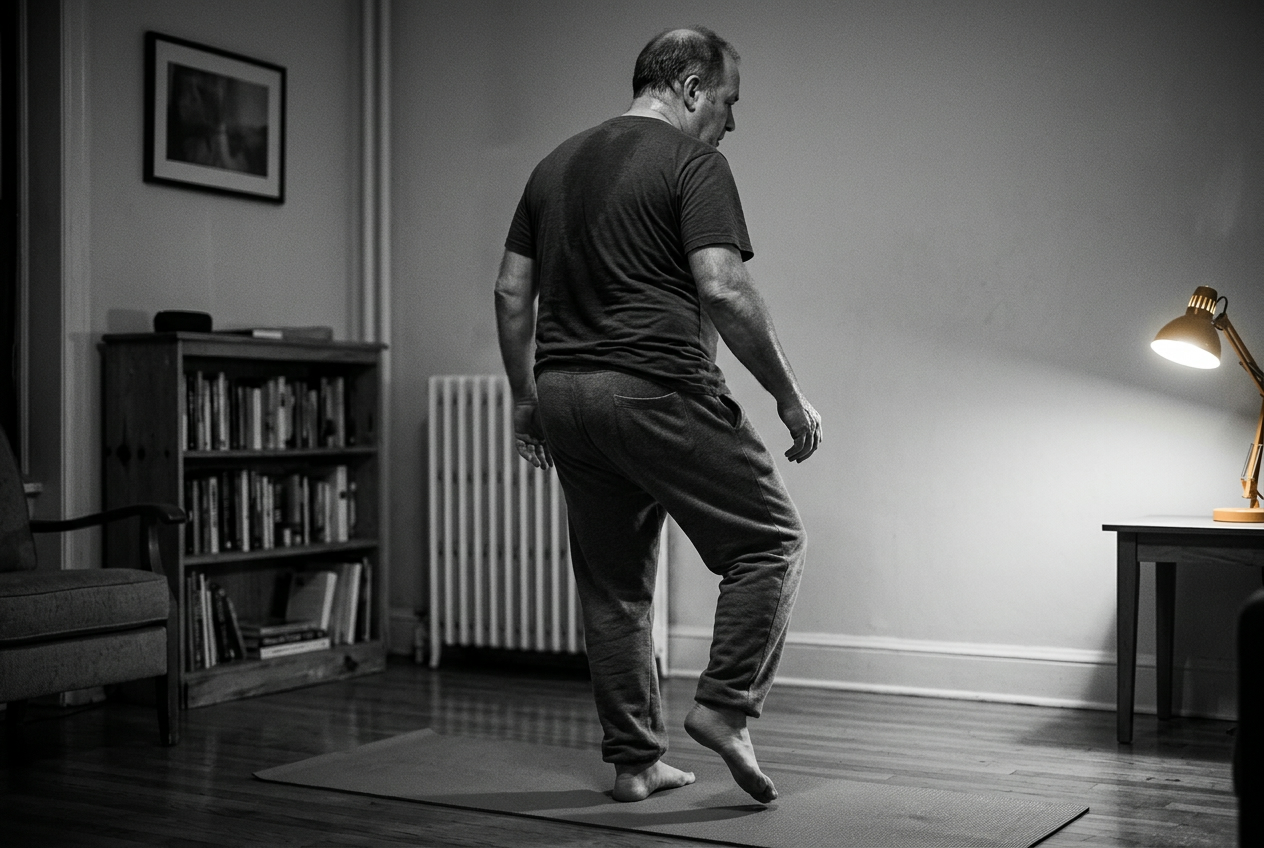
What Does Session 200 Feel Like?
Quiet. That is the surprise. The bag still thuds, but you stop narrating. You do not count rounds in your head or glance at the clock. The bell goes, your feet are already moving, and the combination comes out of the position you are in, not the one you rehearsed.
It will not feel like an arrival. It will feel like Tuesday. You wrap, you work, you stretch, you go home. That is the whole trick, and it is why most people never see session 200: they were waiting for a feeling that only comes from showing up for the ordinary ones.
If you want a place to start tonight, open the free round timer, set three-minute rounds with a one minute rest, and throw nothing but a clean jab for the first two. That is session one. Two hundred to go.