
Three months into Muay Thai, I watched a guy who’d boxed for four years get swept off his feet by a beginner. He’d walked in expecting his jab to save him. It almost got him kicked in the teeth instead.
Switching from boxing to Muay Thai is one of the better decisions a fighter can make. Your boxing fundamentals are genuinely useful, and coaches will notice. But the first 30 days expose habits that boxing built into you, and those habits will get you hurt if you don’t catch them early. This is what the transition actually looks like, week by week.
What boxing gives you (and what it doesn’t)
The good news first. Your jab, your guard, your head movement, your footwork angles, your read on rhythm, your ability to close and open distance. All of that crosses over and puts you well ahead of complete beginners. Muay Thai coaches consistently note that boxers are easier to bring along than wrestlers or raw beginners because they already understand timing and controlled aggression.
The harder news: boxing also builds some deep habits that are actively wrong for Muay Thai. Chin-down, shoulder-up defense leaves your torso open to kicks. Leaning forward into punches exposes your lead leg to sweeps. Dropping your rear hand to throw hooks invites an elbow. None of these were mistakes in boxing. In Muay Thai, they’re liabilities from day one.
The trap most switchers fall into is assuming that being skilled in one system means being competent in the other. You know enough to look confident, which means you’re more dangerous to yourself than a white belt who knows nothing and stays cautious.
Week 1: rebuild your guard from scratch
In boxing, getting your chin down behind your shoulder while throwing is textbook form. In Muay Thai, that same position puts your jaw at a worse angle against kicks and shifts your guard too low for elbow defense. The Thai guard sits higher and more vertical, elbows tighter to the ribs, hands protecting the temples.
Your first week should focus on one thing: rebuilding that guard in the mirror, slowly. Not sparring. Not bag rounds. Shadowboxing at 30% while a coach or training partner checks your hand position regularly.
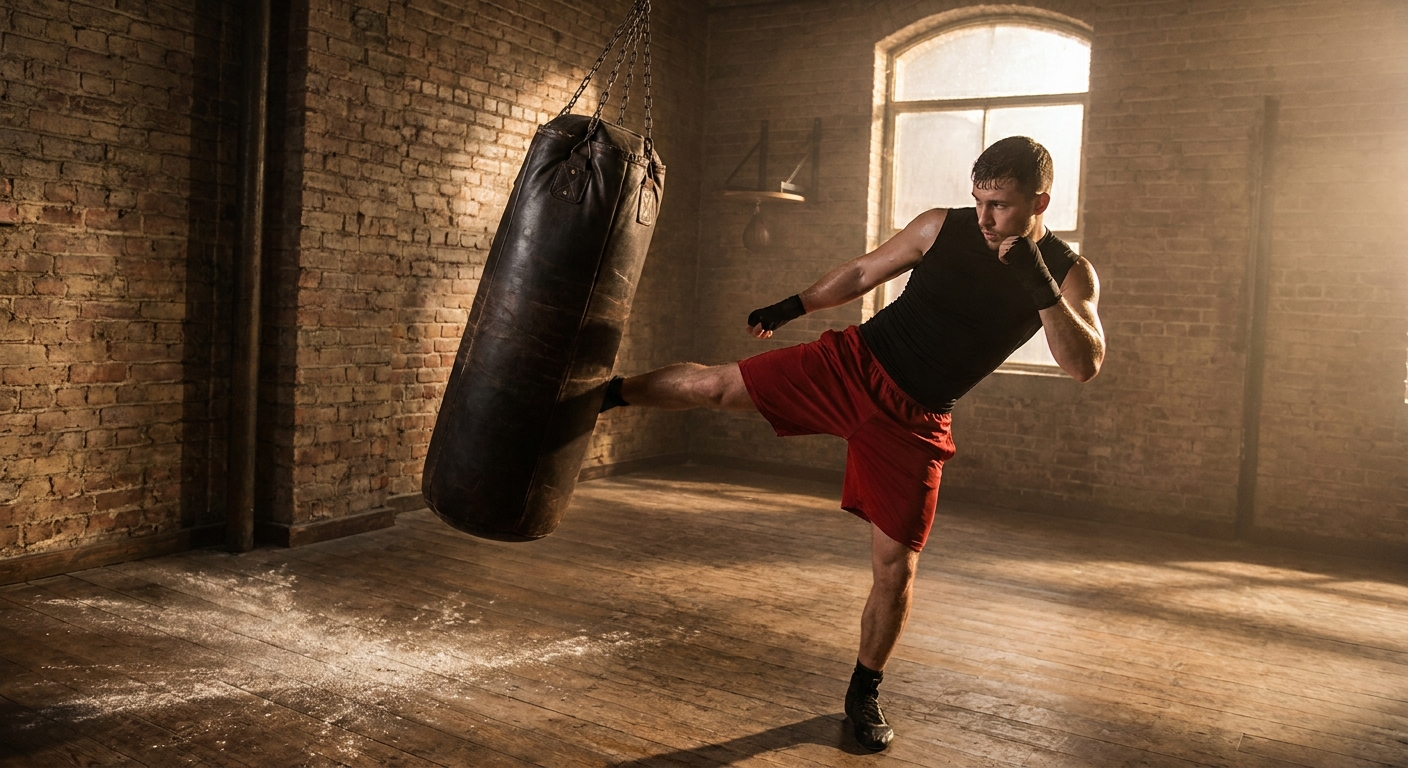
Also start learning the teep (push kick) immediately. The teep is Muay Thai’s distance-control tool, similar in function to the jab. Boxing trained you to close distance and work combinations. The teep keeps space and resets the range. These are opposite instincts, and the teep will feel awkward for weeks. Start it anyway.
Most Thai gyms run beginners through a basic kick curriculum in the first week: jab, cross, lead hook, teep, roundhouse. Even if you know the punch side cold, attend every session and drill the full curriculum. The kicks matter more than you think.
Week 2: your footwork is both an asset and a problem
Boxing footwork is lateral, angled, and weight-forward. Muay Thai footwork is more square, rooted, and weight-centered. This matters because Muay Thai has sweeps. The moment you load your lead leg to set a jab, a Thai fighter with good timing sweeps it and you’re on the floor.
This doesn’t mean throw away what you know. Your angles are still useful. An experienced Muay Thai fighter stepping offline to land and reset is doing exactly what boxing taught them. But in the early weeks, dial back the forward lean and the weight-forward stance until you understand how sweeps work in practice.
Spend week two drilling the roundhouse kick in isolation. Specifically the hip chamber and the pivot on the supporting foot. Boxers struggle with this because the hip rotation is different from a hook. The kick generates power from a hip snap, not a shoulder rotation. The hip-snap drills in this roundhouse guide are worth doing at the end of every session during this transition period.
Start light sparring by the end of week two if the gym allows it. Keep it to boxing range only, no kicks yet. You need to see what defending against kicks feels like before you start throwing them in live rounds.
Week 3: the clinch will humble you
Boxing clinches are a defensive move you break from. Muay Thai clinch is an offensive weapon with its own vocabulary: neck ties, arm ties, underhooks, double-collar, short knees to the body and thighs. Your first few rounds in the Muay Thai clinch will feel like being grabbed by someone who knows 40 things you don’t.
Don’t try to muscle out with boxing instincts. When a Thai boxer clinches you, they’re not stalling. They’re setting up their next three moves. Your job in week three is to survive, observe, and start learning the basic neck tie and the arm catch (catching a kick and immediately countering).
Clinch rounds are usually run separately from sparring in Thai gyms. Show up to every clinch session even when you’re exhausted. This is where boxers consistently fall behind grapplers who cross over to Muay Thai, because grapplers are already comfortable with body contact and control. Get used to being grabbed early.
The breakdown of what boxing skills carry over to Muay Thai goes deeper on the clinch crossover and is worth reading before you start week three sparring.
Week 4: build 4-weapon combination thinking
Boxing trained you to think in punches, with kicks as an idea you vaguely know exists. Muay Thai requires four weapons: hands, elbows, knees, kicks. Each opens the other. A teep sets up a cross. A cross sets up an elbow. A knee to the body sets up a roundhouse to the thigh.
In week four, start building 2-weapon combinations that include at least one non-punch. Jab-teep. Cross-roundhouse. Lead hook-knee. You don’t need to throw them at full speed yet. The goal is to wire your brain into the Muay Thai vocabulary rather than defaulting to boxing combos with a half-hearted kick tagged on at the end.
Round timers matter more here than in boxing, because the pace of a Muay Thai round is different and tracking your work in timed segments helps you build the conditioning to sustain 4-weapon output. A structured timer like the one at heavybag.pro/boxingtimer/ lets you set custom rounds with rest periods so you can match what your gym runs and then drill the same structure at home.
The mental shift nobody warns you about
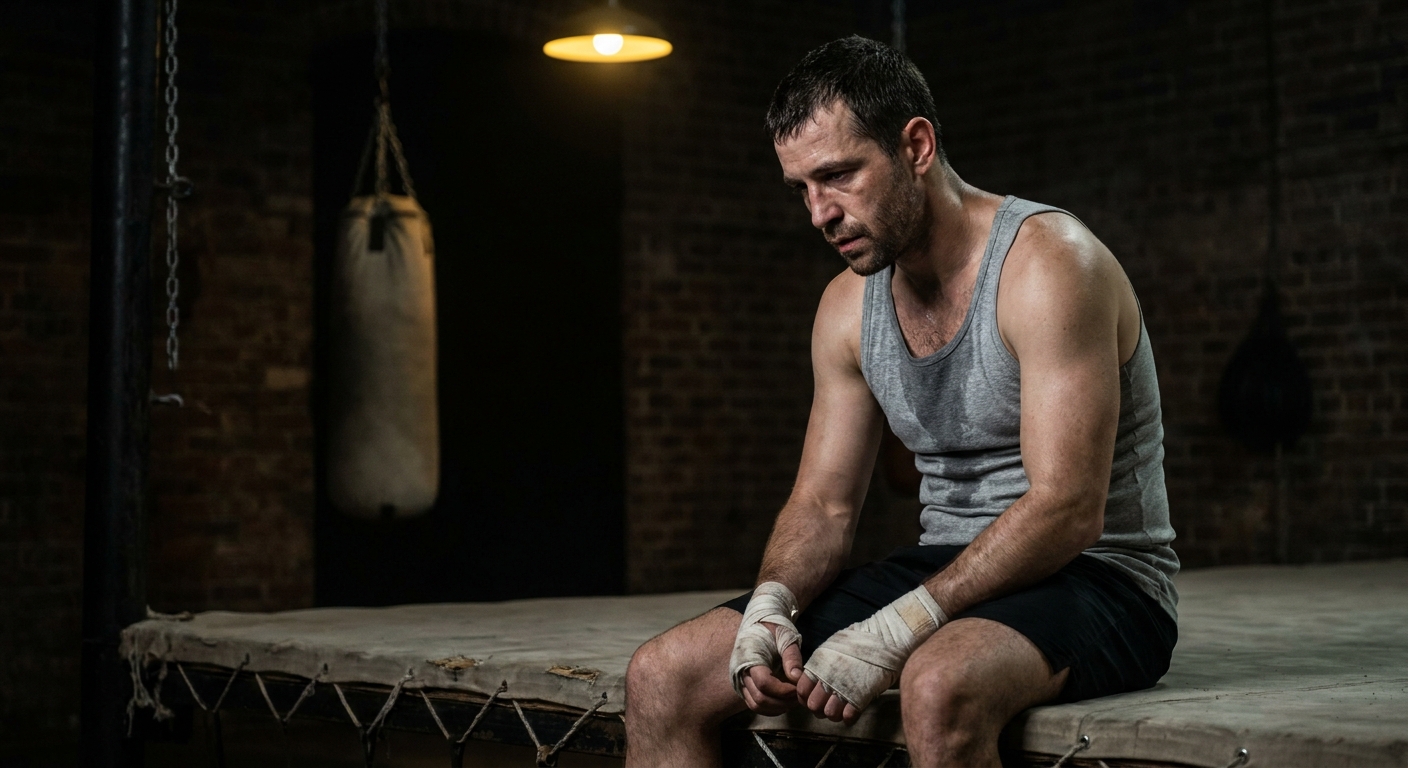
You will feel like a beginner again. That’s not just a feeling. That’s the actual truth. Your boxing record is real and nobody is disputing it, but Muay Thai is a different discipline and the learning curve starts fresh. The boxers who adapt fastest are the ones who drop the ego in week one and train like they’re brand new.
The ones who struggle are usually the ones who want their boxing experience to give them a fast-pass to the intermediate group. They’ll outbox every beginner in the gym and get worked by anyone with 6+ months of Thai boxing experience, because their defense isn’t built for the full Muay Thai attack system yet.
Being a good boxer means you’ll progress faster than a true beginner. It doesn’t mean you’re already at an intermediate Muay Thai level. Keeping those two things separate in your head is the main mental work of month one.
Gear changes you need to make
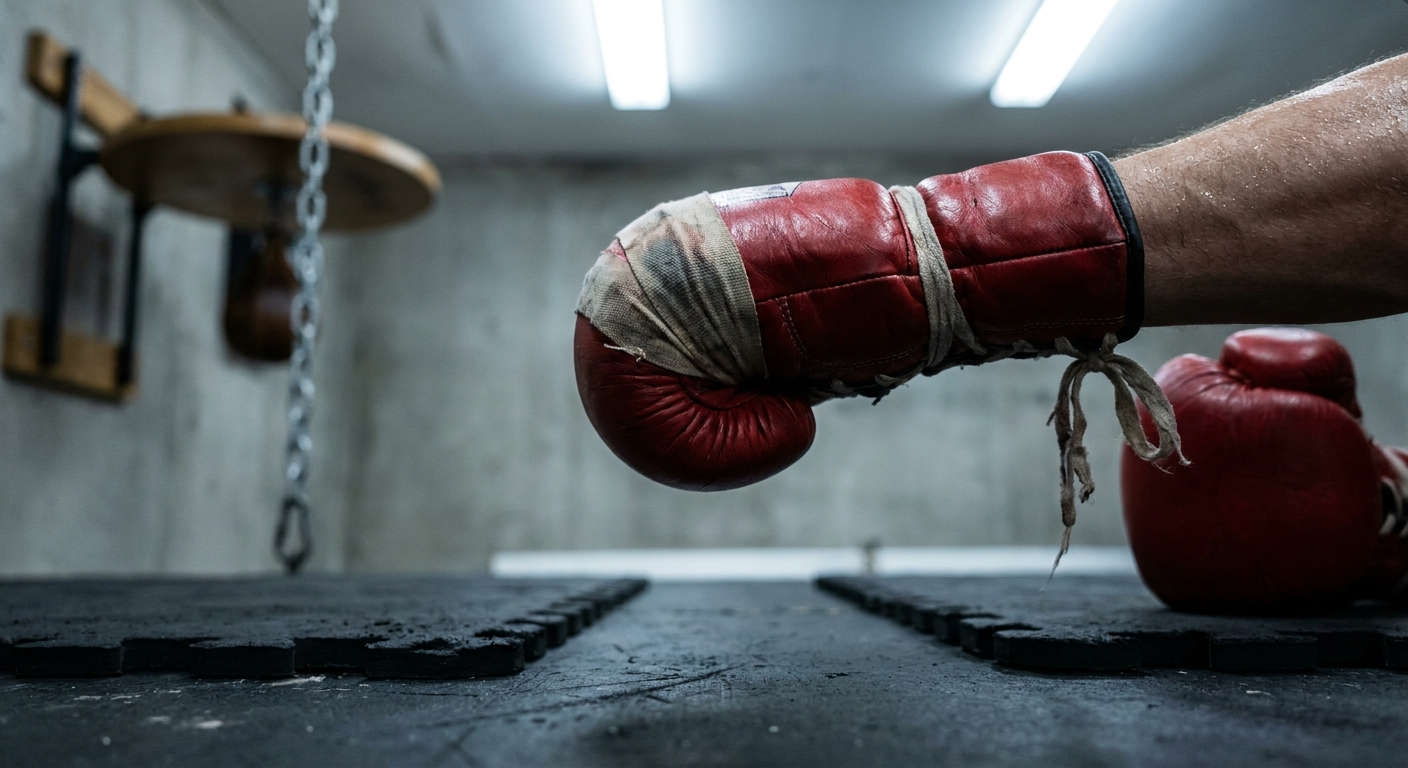
Your boxing gloves work fine on the bag and for pad work. For sparring, you’ll also need shin guards, which boxing doesn’t use. Most gyms require them for any kicking sparring.
Shorts matter more than people expect. Boxing trunks work. Tight compression spandex doesn’t, because it restricts hip mobility during kicks. If you’re doing bag rounds at home while drilling your new kicks, make sure you’re wearing something that doesn’t limit the range of motion you’re building.
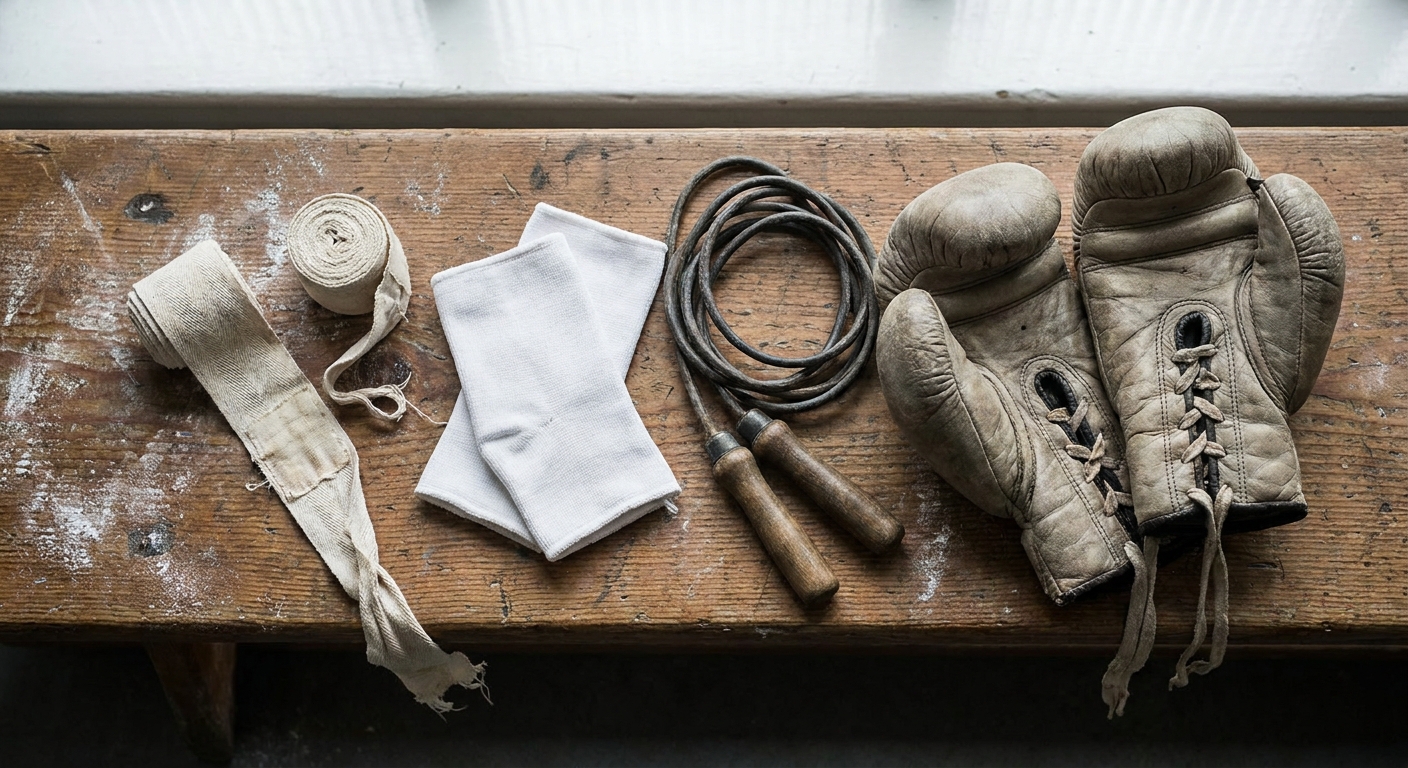
Hand wraps are the same. Some Thai fighters use a shorter wrap technique, but your boxing wrap offers solid knuckle protection for heavy bag work and is fine to keep using.
Staying sharp on boxing while you learn
One real concern during this transition: you don’t want to lose your boxing sharpness while you’re focused on new Muay Thai skills. Set aside at least one session per week that’s pure boxing, working your jab, head movement, and combination flow at speed. This keeps those skills from going stale and also gives you a session where you feel competent rather than perpetually like a beginner.
The article on what separates beginners from advanced boxers is worth reading during this period too. The skills listed there, especially reading range and managing rhythm, apply directly to Muay Thai sparring and are worth consciously applying as you adapt.
Research on skill transfer in combat sports has found that athletes with a background in a related striking art reach technique benchmarks faster than complete beginners, but still need dedicated drilling time for the new discipline’s specific patterns. The Journal of Human Kinetics study on motor skill transfer puts it plainly: prior experience helps, but new motor patterns still require their own training volume. You can’t just rely on transfer to shortcut the drilling.
Keep a training log. Write down what felt off after each session. Most boxers making this switch find the same two or three issues keep coming up (guard height, teep timing, staying square in the clinch), and catching the pattern early means fixing it early.
The Heavy Bag Pro app is useful for building structured home sessions during this transition. You can set Muay Thai-length rounds (3 minutes at standard Thai gym pace, or 2-minute rounds if you’re building up) with proper rest, and use the timer to stay honest about round pacing as your conditioning adjusts to the fuller output. Download it on iOS or Android and set up a 4-week block tracking your round volume as you add weapons.
Month one won’t make you a Thai boxer. It will make you a boxer who is learning Muay Thai correctly. That’s the only path that doesn’t leave you with six months of bad habits to undo later.