
Shadow boxing might look strange to outsiders, but ask any professional fighter and they’ll tell you it’s the foundation of boxing mastery. This solo training method builds muscle memory, improves technique, and develops fighting rhythm without needing a partner or heavy bag. Whether you’re a complete beginner or looking to refine your skills, shadow boxing offers a complete workout that burns calories while building boxing fundamentals.
What Is Shadow Boxing?
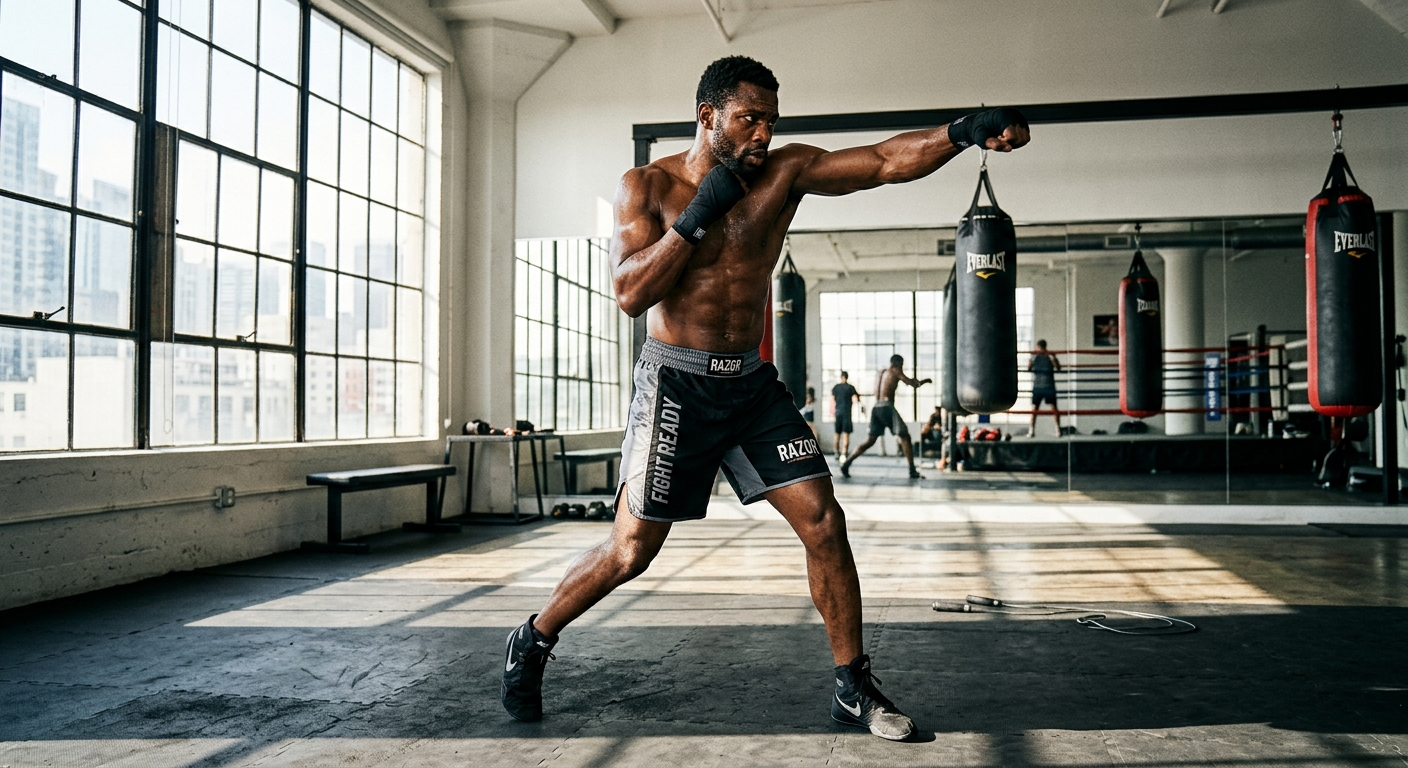
Shadow boxing is the practice of throwing punches at an imaginary opponent. You move around the ring (or your living room) throwing combinations, working on defense, and visualizing a fight scenario. It’s called “shadow” boxing because you’re essentially fighting your reflection or shadow.
Professional boxers dedicate 15-30 minutes of every training session to shadow boxing. Mike Tyson famously shadow boxed for hours, perfecting the explosive combinations that made him heavyweight champion. The beauty of shadow boxing is its accessibility – you need zero equipment and minimal space.
Benefits of Shadow Boxing
Physical Benefits
- Cardiovascular endurance: 3 rounds of shadow boxing can burn 200-300 calories
- Muscle tone: Full-body engagement strengthens core, shoulders, and legs
- Coordination: Develops hand-eye coordination and spatial awareness
- Balance: Constant movement improves stability and footwork
Technical Benefits
- Form perfection: Practice proper punching technique without resistance
- Combination flow: String together punch sequences smoothly
- Defensive skills: Work on slips, blocks, and head movement
- Ring IQ: Develop fighting strategies and timing
Shadow Boxing Basics for Beginners
Proper Stance
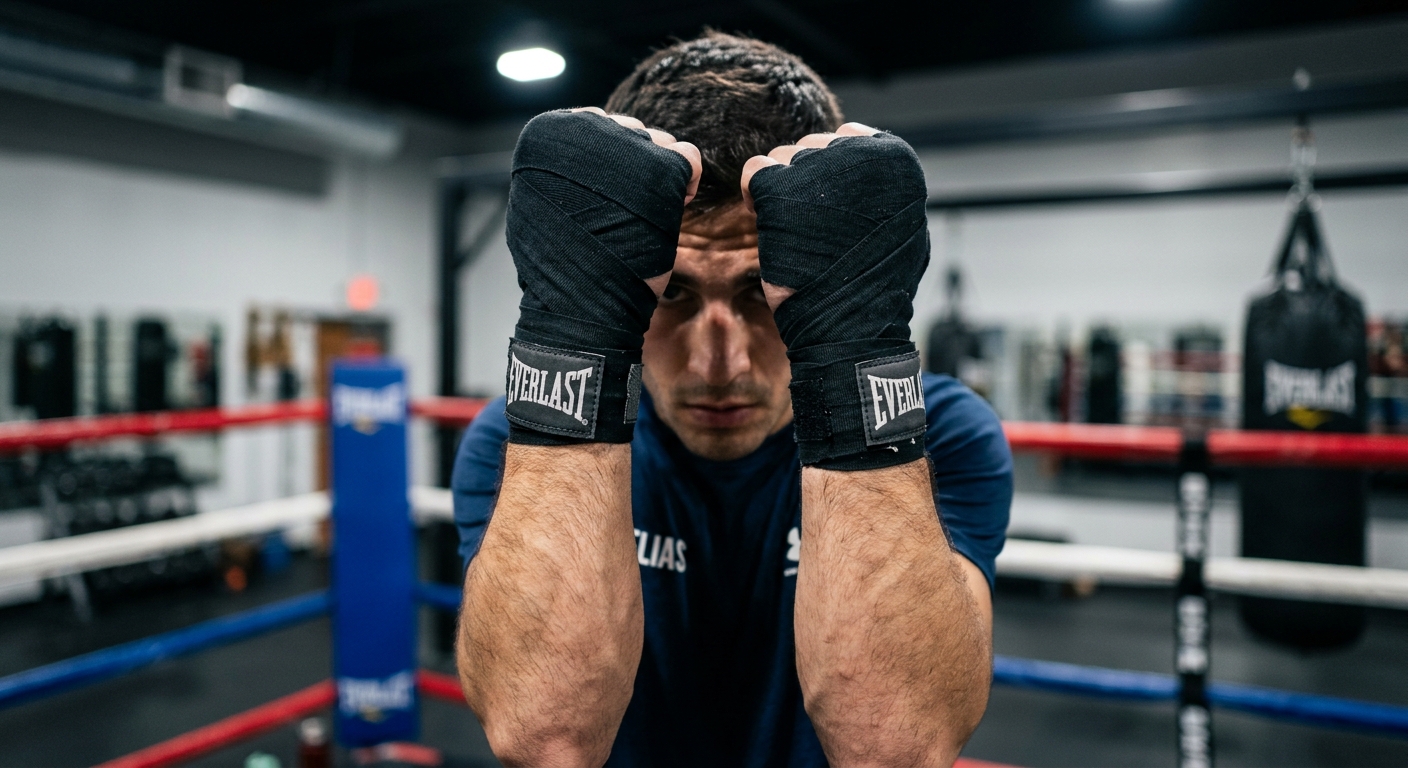
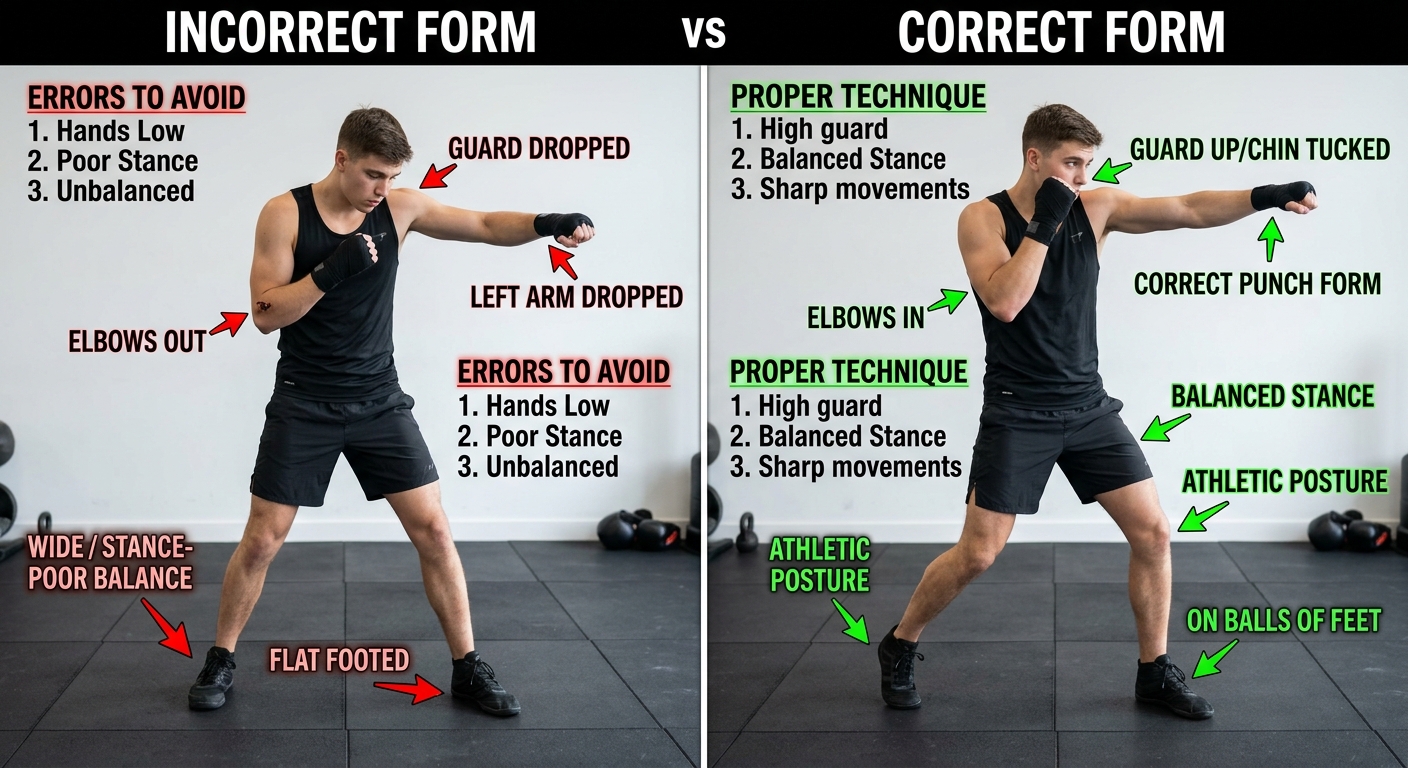
Start with your feet shoulder-width apart. If you’re right-handed (orthodox), place your left foot forward. Left-handed fighters (southpaw) lead with the right foot. Keep your knees slightly bent, weight evenly distributed, and hands up protecting your face.
Basic Punches
- Jab (1): Quick straight punch with your lead hand
- Cross (2): Power punch with your rear hand
- Lead Hook (3): Circular punch with your lead hand
- Rear Hook (4): Circular punch with your rear hand
- Lead Uppercut (5): Upward punch with your lead hand
- Rear Uppercut (6): Upward punch with your rear hand
Beginner Shadow Boxing Routine
Round 1: Basic Movement (3 minutes)
- Start with simple jabs and crosses (1-2 combinations)
- Focus on proper form over speed
- Add basic footwork – step forward, backward, and side to side
- Keep your hands up and chin tucked
Round 2: Combination Work (3 minutes)
- Practice 3-punch combinations (1-2-3, 1-2-5)
- Add defensive movement after each combination
- Vary your rhythm – fast bursts followed by slower technical work
- Circle around your imaginary opponent
Round 3: Advanced Flow (3 minutes)
- Chain 4-6 punch combinations together
- Include defensive moves: slip, duck, block
- Work angles – attack from different positions
- Finish strong with high-intensity combinations
Rest Period: 1 minute between rounds. Use this time to shake out your arms, hydrate, and mentally prepare for the next round.
Advanced Shadow Boxing Techniques
Visualization
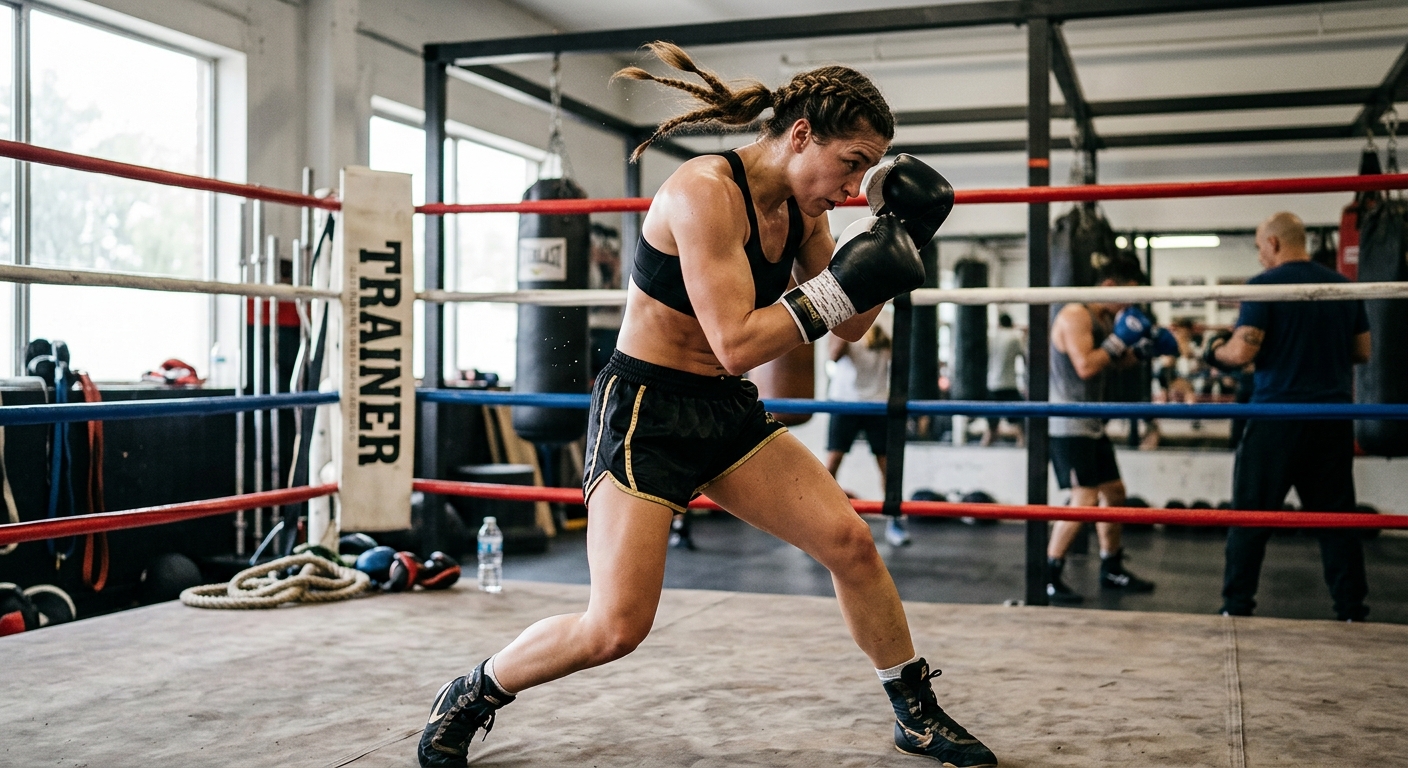
Elite fighters don’t just throw random punches. They visualize specific opponents, react to imaginary attacks, and create realistic fight scenarios. Picture your opponent’s height, fighting style, and preferred combinations. This mental training translates directly to real sparring and competition.
Level Changes
Mix up your target areas. Throw combinations to the head, then duck down and attack the body. This keeps your imaginary opponent guessing and develops your ability to find openings at different levels.
Feints and Setups
Professional boxers rarely throw committed punches without setups. Practice feinting with your lead hand before throwing power shots. Show the jab, then throw the cross. These deceptive movements create openings in real fights.
Common Shadow Boxing Mistakes
Overextending Punches
Without a target, it’s easy to throw punches too far and lose balance. Stop your punches where your opponent’s face or body would be – roughly 6 inches in front of you for most combinations.
Neglecting Defense
Don’t just focus on offense. After every 2-3 punch combination, practice defensive movements. Slip, duck, or step back as if your opponent is countering.
Standing Still
Real boxing involves constant movement. Even when throwing combinations, your feet should never be completely stationary. Small steps and weight shifts keep you balanced and ready to move.
Dropping Hands
Fatigue causes fighters to drop their guard. Focus on keeping your non-punching hand up throughout the entire session, even when tired.
Equipment-Free Shadow Boxing Workouts
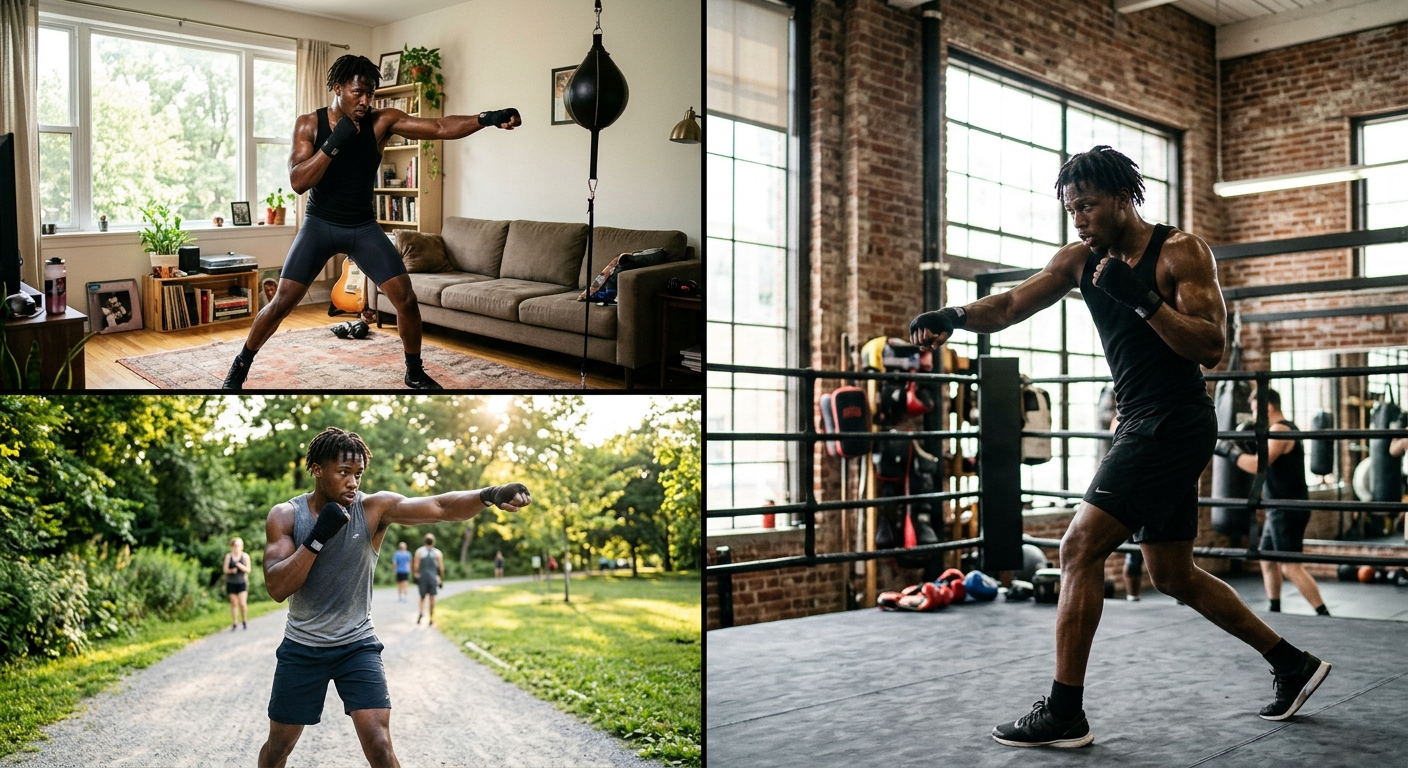
Living Room Session (15 minutes)
- 3 rounds of 3 minutes with 1-minute rest
- Focus on upper body combinations
- Perfect for apartments or small spaces
- Emphasize form over power
Outdoor Shadow Boxing (20 minutes)
- 4 rounds of 4 minutes with 1-minute rest
- Add lateral movement and footwork drills
- Use natural terrain for variety
- Include sprint intervals between rounds
Using Technology to Improve
While shadow boxing requires no equipment, technology can enhance your training. The Heavy Bag Pro boxing timer is perfect for shadow boxing sessions. Set customizable rounds with audio cues, so you can focus entirely on your technique without watching a clock.
The app’s interval timer helps you maintain proper work-to-rest ratios. Professional boxers typically use 3-minute rounds with 1-minute rest periods, but beginners can start with 2-minute rounds and 90-second breaks.
Shadow Boxing for Different Goals
Weight Loss Focus
- High-intensity rounds with minimal rest
- Incorporate squat punches and jumping combinations
- 6-8 rounds of 2 minutes each
- Target heart rate: 70-85% of maximum
Technique Development
- Slower, more deliberate movements
- Focus on perfect form for each punch
- Mirror work to check technique
- 5-6 rounds of 3 minutes each
Conditioning
- Professional-style rounds (3 minutes work, 1 minute rest)
- Maintain constant movement
- 8-12 rounds for advanced practitioners
- Include plyometric elements between rounds
Integrating Shadow Boxing Into Your Routine
Warm-Up Use
Start every boxing session with 2 rounds of light shadow boxing. This prepares your muscles, joints, and nervous system for more intense training. Focus on mobility and gradually increasing intensity.
Cool-Down Benefits
End your workout with 1 round of slow, technical shadow boxing. This helps maintain form while your body transitions from high-intensity work to recovery.
Standalone Workout
On days when you can’t make it to the gym, a 20-30 minute shadow boxing session provides an excellent full-body workout. It maintains your boxing skills while giving you a serious cardiovascular challenge.
Progression and Advanced Training
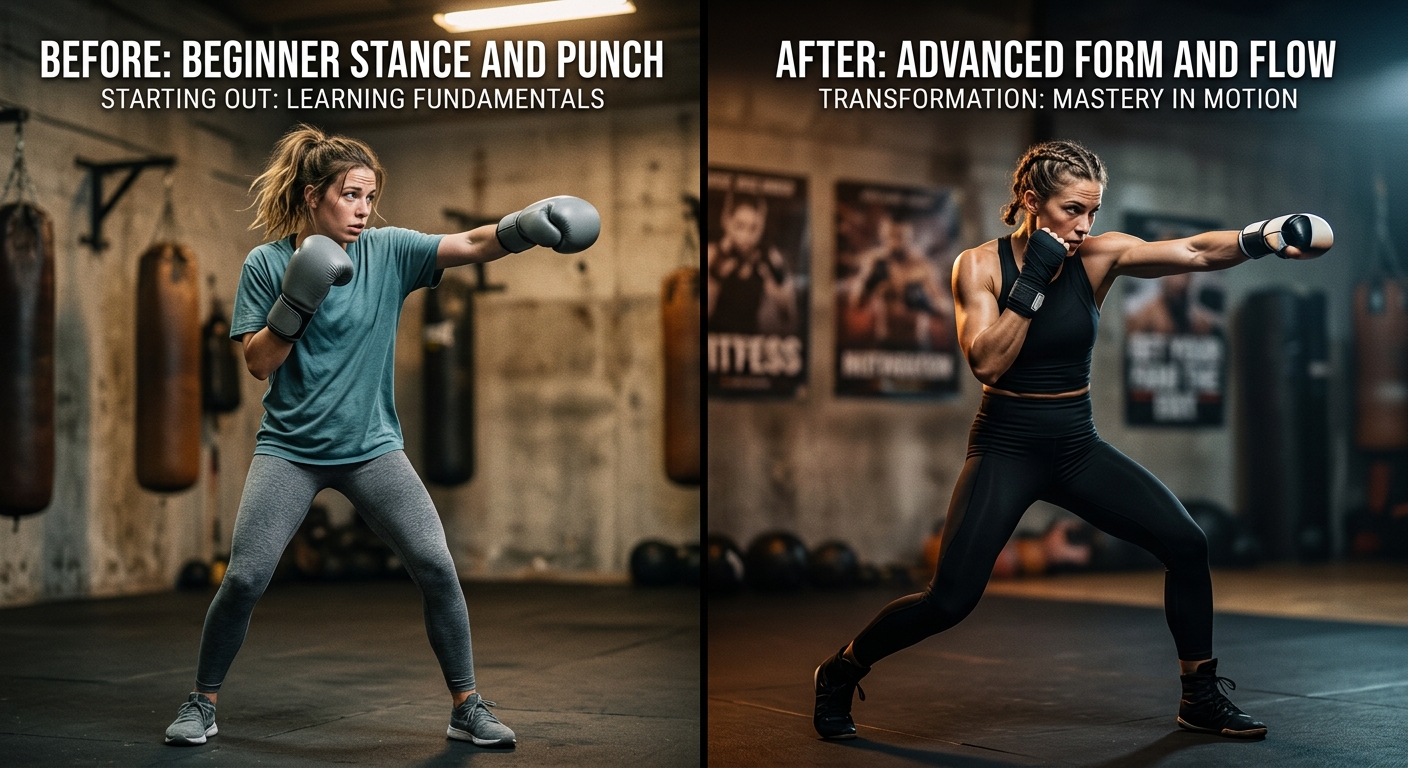
Week 1-2: Foundation
- Focus on basic punches and stance
- 3 rounds of 2 minutes
- Simple combinations (1-2, 1-2-3)
- Emphasize proper form over speed
Week 3-4: Combination Building
- Add 4-6 punch combinations
- 3 rounds of 3 minutes
- Include basic defensive movements
- Start working with rhythm changes
Week 5-8: Advanced Flow
- Complex combination sequences
- 4-5 rounds of 3 minutes
- Advanced defensive work
- Visualization and scenario training
Week 9+: Expert Level
- Fight simulation rounds
- 6-8 rounds of 3 minutes
- Specific opponent preparation
- Integration with other training methods
Mental Aspects of Shadow Boxing
The psychological benefits of shadow boxing extend beyond the physical. This solo training builds confidence, reduces stress, and develops mental toughness. Many fighters use shadow boxing as meditation in motion – the repetitive movements and focus required create a flow state that clears the mind.
Visualization during shadow boxing also improves performance anxiety. By mentally rehearsing fight scenarios, you become more comfortable with the chaos and unpredictability of actual combat sports.
Conclusion: Master Your Invisible Opponent
Shadow boxing transforms empty air into your greatest training partner. It’s always available, never gets tired, and adapts to your skill level. Whether you’re burning calories, perfecting technique, or preparing for competition, shadow boxing delivers results.
The key to effective shadow boxing is consistency and mental engagement. Don’t just go through the motions – visualize, react, and fight with purpose. Start with basic combinations and gradually build complexity as your skills develop.
Most importantly, make shadow boxing a regular part of your routine. Even 10 minutes of focused shadow boxing daily will improve your boxing skills, cardiovascular health, and mental well-being. Your invisible opponent is waiting – time to start the fight.