
How fast does a boxer’s engine fade when the gym door stays shut? Ask a coach in any town that runs a Golden Gloves bracket and you get the same shrug: faster than you’d like, slower than you fear. The wind goes first. Hands and timing hang around much longer, which is why a fighter back from a layoff can look crisp in round one and gassed by round three.
That gap is the whole subject here. A proper break helps you. A break with no plan costs months of rebuilding. What matters is the stretch in between, and almost nobody who isn’t booked for a fight has been taught it.
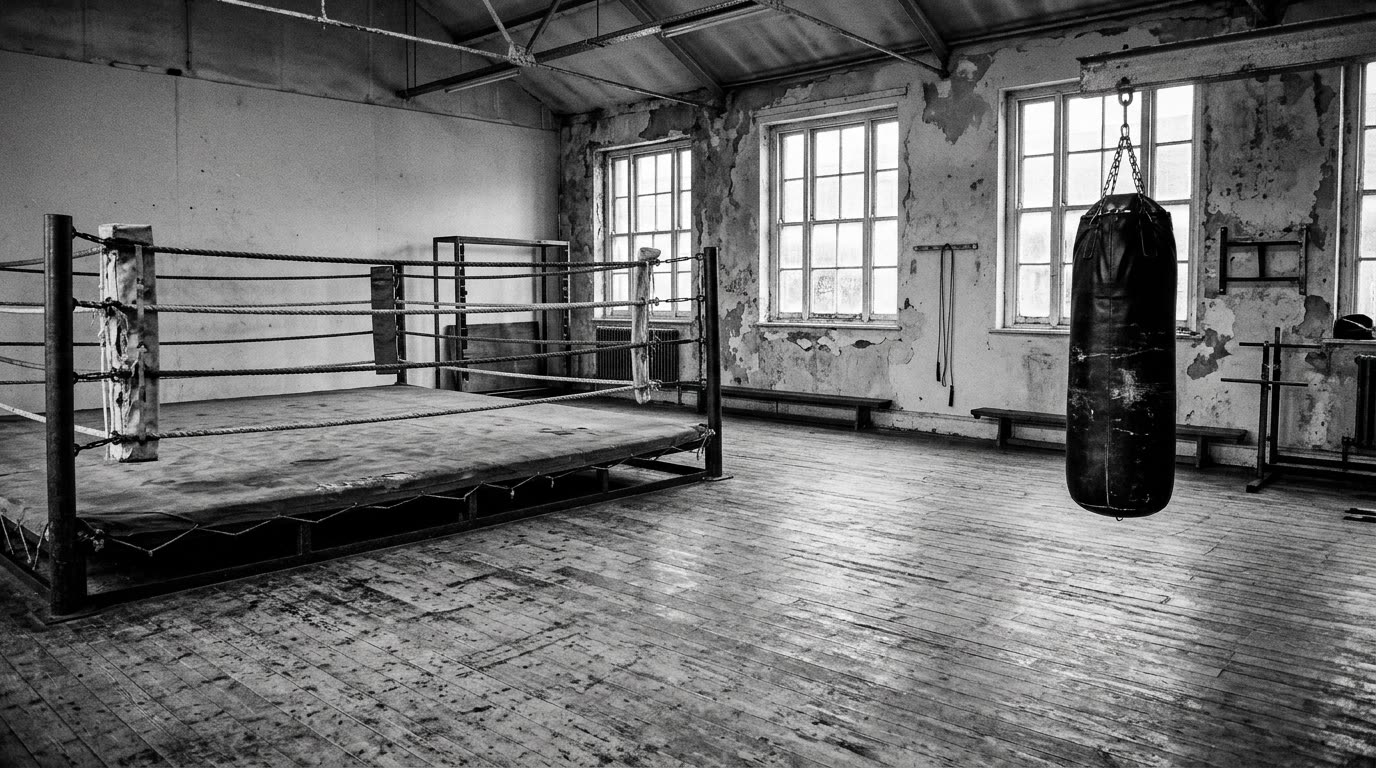
What counts as an off-season when no fight is booked?
Pros get a tidy calendar: camp, fight, rest, repeat. Amateurs peaking for a winter bracket live a smaller version of the same rhythm. Muay Thai fighters at stadiums like Lumpinee have historically fought far more often than Western pros, so their rest is measured in easy days after a bout, not in seasons.
Most people reading this have none of that. You train for fitness, for the sport, for your head. So your off-season is whatever stretch you decide to lower the dial on purpose: a work crunch, a nagging shoulder, a holiday, a month where the gym stopped being fun. The word “decide” carries the weight. Drifting away from training is not an off-season. It is quitting in slow motion.
Pick an end date before you start, and tell someone.
How long should the break be?
Sports medicine has a decent map for this. In a practical review of overtraining in Sports Health, Kreher and Schwartz describe a ladder. Functional overreaching, a dip in performance after a hard block, clears with rest in days to weeks and can leave you better afterward. Non-functional overreaching takes weeks to months. Full overtraining syndrome means a performance drop lasting more than two months, plus an extra stressor and heavier symptoms like insomnia, low mood and a loss of drive.
Most recreational boxers sit at the bottom rung. Your realistic break is one easy week after a hard block, then a few weeks of reduced load. If you are hitting the symptoms at the top of that ladder, the answer is a doctor, not a training plan.
Check in at the end of each week, not only at the end of the break. Look at your resting heart rate when you wake up, how heavy your legs feel on the stairs, and whether you are looking forward to the next session. When all three trend the right way, the dial is set about right. When they drift the wrong way, you need more rest, not more discipline.
Now the cautionary tale. Muhammad Ali lost his licence in 1967 after refusing military induction, and he did not fight again until October 1970, against Jerry Quarry in Atlanta. That was exile, not a rest. Many observers felt the legs he came back with were not the ones he left with. Three and a half years away is a different category from a deliberate lull.
Months of nothing is not an off-season. It is a restart.
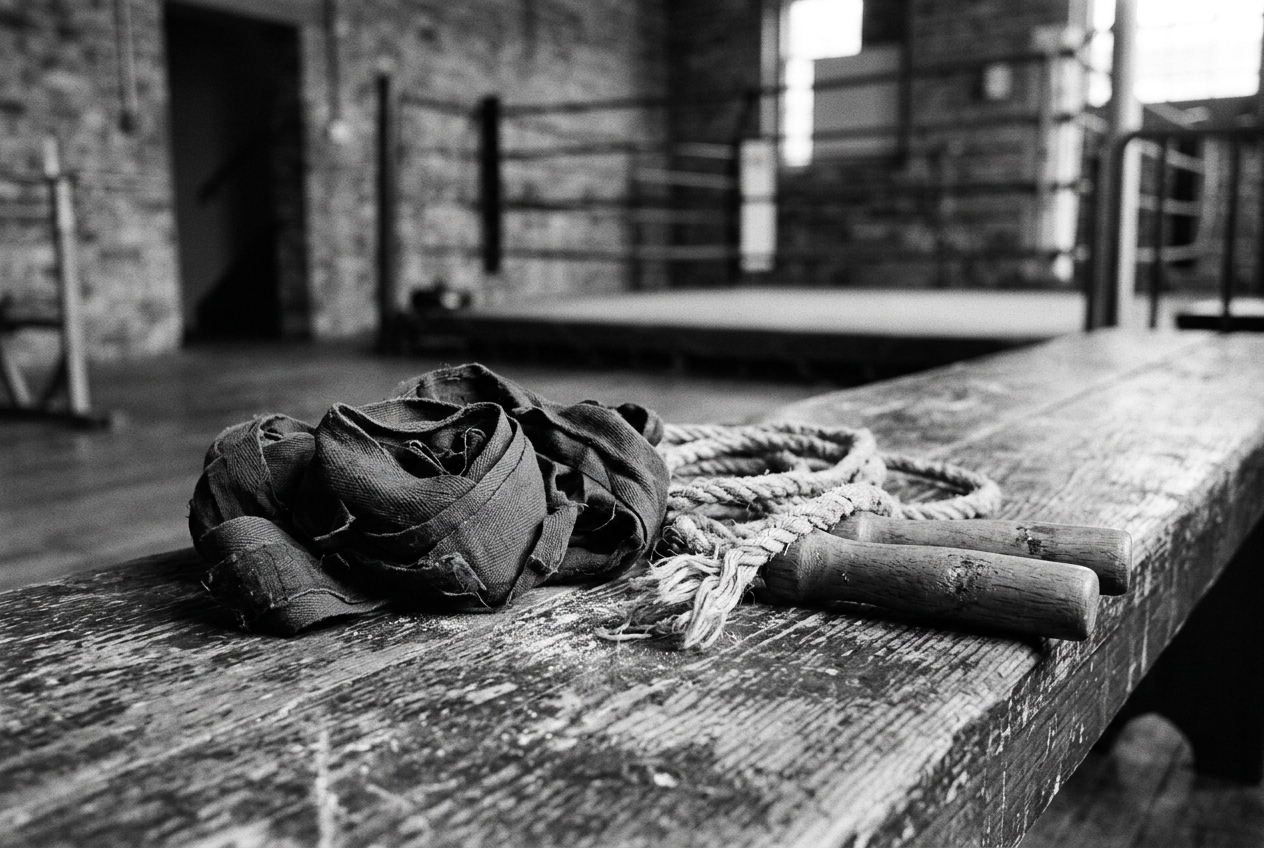
What do you keep, and what goes?
Think of it as turning down the volume, not hitting mute. Keep the habits that are cheap and hard to rebuild. Drop the things that cost the most recovery.
Keep: touching the bag a few times a week, technique rounds, shadowboxing, mobility, one strength day, and a normal bedtime. That last one is not decoration. Sleep is where most of the repair happens, as we covered in sleep for fighters, and a lighter schedule is the best excuse you will get to catch up on it.
Drop: hard sparring, weight cutting, long punishing roadwork, and anything that looks like a test. Think about how Freddie Roach has long built Manny Pacquiao’s camps at the Wild Card gym in Hollywood. Everything points at one date, with intensity climbing week by week. The off-season is that picture turned upside down. Nothing climbs, nothing peaks.
Strength work deserves its own note. Lifting holds its value through a layoff better than most things, so one or two simple sessions a week protect the base you built. Squats, rows, presses and carries do the job. Leave out the ugly stuff: max attempts, grinders, anything that leaves you sore for days. Soreness is a tax on your next boxing session, and the point of the break is to keep that bill low.
Sparring leaves first and comes back last.
What does a maintenance week look like?
Here is one version for someone who normally trains five or six days. Adjust it to your life, but keep the shape.
- Monday: six rounds on the heavy bag, light and technical. Pick two combinations and stay with them for every round.
- Tuesday: full-body strength. Stop a couple of reps before failure.
- Wednesday: off, or a walk with no watch.
- Thursday: four rounds of shadowboxing in front of a mirror, then ten minutes of hip and shoulder mobility.
- Friday: the bag again, five rounds. Make one round genuinely fast, the rest easy.
- Saturday: something that is not boxing. Swim, hike, kick a football around with friends.
- Sunday: off.
About those bag rounds. Use them for the things you rush when you are chasing a sweat: pivoting out after a combination, resetting your guard before the next one, breathing out on every punch. Slow work exposes habits that speed hides. Six technical rounds at conversation pace are an investment, not a wasted session.
Core work fits on Tuesday or Thursday and takes ten minutes. The exercise library at Abs Pro has plenty of moves to pick from, so you are not stuck doing the same crunch for a month. Keep drinking as if you were training too, because the advice in our hydration guide for heavy bag workouts does not expire when the rounds get easier.
Saturday is the one people skip. It is also the session that stops the break from feeling like giving up.
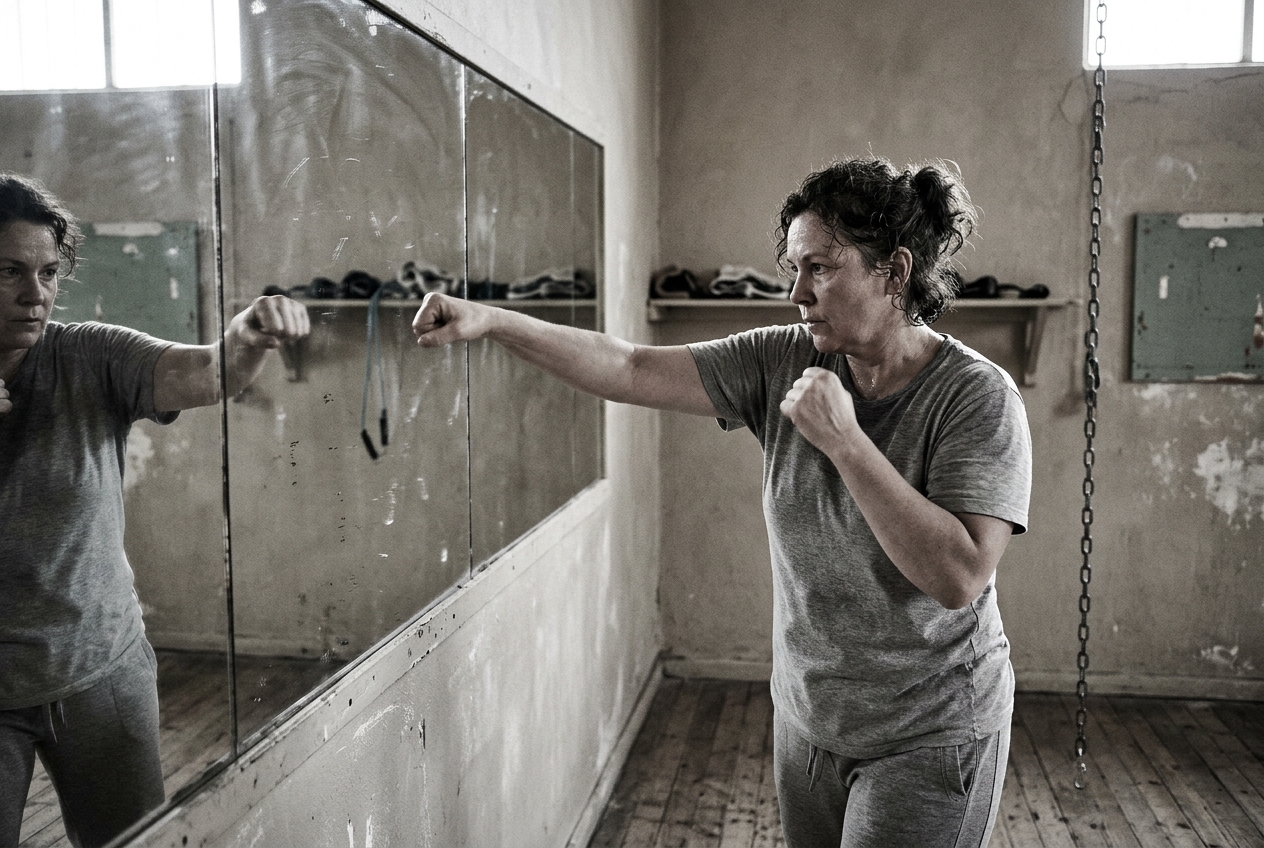
How do you avoid coming back out of shape?
Frequency beats volume. Two light bag sessions a week keep your hands, your breathing pattern and your sense of distance alive. Zero sessions for three weeks does not.
Even the greats get caught. Sugar Ray Leonard returned in 1984 after about two years away following his eye surgery, and Kevin Howard put him on the canvas before Leonard stopped him. Ring rust is real at every level. It shows up as a half-beat of lateness: the jab lands a touch short, the slip comes a moment after the punch.
So build in one session a week with some breathless work. Not a test, just a reminder to your lungs. A hard final round on the bag does the job, or ten minutes of skipping rope at a pace that makes talking awkward. If you can chat through the whole thing, it was a walk.
Keep a floor, and never drop below it.
A simple check helps. Film one bag round every other week from the same spot and compare. If your guard drops or your feet bunch up late in the round, that is the first sign your base is slipping, and the fix is an extra easy session instead of a panicked block of hard ones.
What happens to your head during the break?
This is the part that catches the keen ones. People who love training feel guilty when they ease off, and the guilt turns a smart break into a spiral of extra sessions “just to stay ticking over”. Then the shoulder flares up and the break is forced after all.
Dutch kickboxing gyms like Thom Harinck’s Chakuriki in Amsterdam built their name on relentless work, and that culture spreads to every corner gym that copies it. Taking a week off feels like cheating. It is not. The coaches who last in the sport schedule rest the way they schedule pad rounds.
Write down what you will do with the time instead. Fix a stance habit in the mirror. Learn a combination you keep fumbling. Cook a proper meal. Sleep. A log with three lines a day is enough to remind you that the break has a purpose.
Guilt is a poor coach.
The break can also show you what you actually miss. If it is the pad work and the people, you are a gym person and should book a social session even in the quiet weeks. If it is the solo rounds, the quiet bag work is the real draw. Neither answer is wrong, but it tells you what to protect when life gets busy.

How do you know it’s over?
You will feel it before the calendar tells you. You wake up wanting to hit something, the aches have gone quiet, your sleep is deep, and a light session leaves you wanting more instead of less. When those line up, you are ready to ramp.
Ramp the way a camp does. Start well below your old load, with half the rounds and half the pace, and add a little each week. Technique first, then pace, then the hard stuff, and sparring only once your breathing holds up through a full round of real work. A camp that rushes the early weeks usually pays for it in the last ones.
When you are ready to load again, the free boxing round timer gives you the rounds and rest periods, and Heavy Bag Pro adds combinations with audio callouts and a workout builder so the first session back has a shape. Start small. You have the rest of the year.