
Defense wins fights. While flashy knockouts get all the attention on social media, the boxers who consistently win are the ones who don’t get hit. Master these essential defensive techniques and you’ll train smarter, last longer in sparring, and develop real boxing skills that actually work.
Great defense isn’t about being passive or running away. It’s about positioning yourself to counter-attack while staying safe. Every defensive movement should set you up for your next offensive combination. That’s what separates amateur defense from professional-level technique.
The Guard Position: Your Defensive Foundation
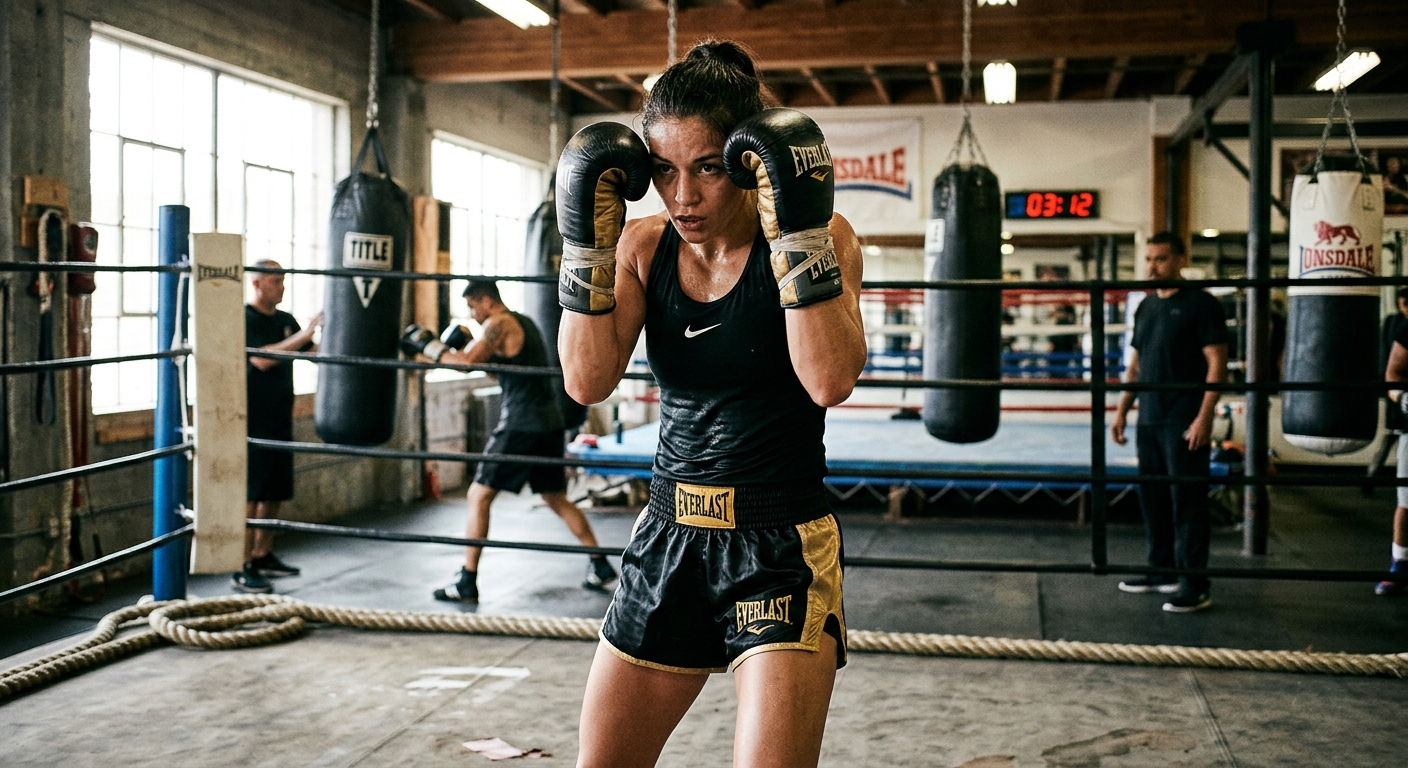
Your guard is your home base. Everything starts and ends here. Keep your hands up with elbows tight to your body. Your lead hand protects your face while your rear hand guards your chin. Common mistakes include dropping hands after punching or keeping elbows too wide.
Practice holding your guard for three-minute rounds while shadow boxing. If your arms get tired, you’re doing it wrong. The guard should feel natural, not forced. Your shoulders carry the weight, not your arms.
Head Movement: The Art of Not Being There
The best way to avoid getting hit is to not be where the punch is landing. Head movement includes slips, ducks, and weaves. Each movement serves a specific purpose and counters different types of punches.
Slipping moves your head just enough to let punches pass by your ear. Slip outside the jab, inside the cross. Keep your feet planted and use small, efficient movements. Big dramatic slips leave you off-balance and vulnerable.
Ducking drops your head under horizontal punches like hooks. Bend at the knees, not the waist. Keep your hands up and eyes on your opponent. Duck too low and you’ll eat an uppercut.
Weaving combines ducking with lateral movement. Popular in old-school boxing but less common today due to the energy cost. Save weaving for specific situations, not constant movement.

Blocking: The Smart Fighter’s Shield
Blocking gets criticized as passive defense, but smart blocking sets up counter-attacks beautifully. The key is active blocking – using your arms and gloves to deflect punches while positioning for counters.
High Guard Block protects against hooks and overhands. Bring both gloves to your temples with elbows covering your body. Don’t just absorb the punch – deflect it outward to create openings.
Shoulder Roll deflects straight punches using your lead shoulder. Advanced technique that requires perfect timing. Practice slowly before attempting at full speed. Floyd Mayweather perfected this technique but it took years to master.
Parrying redirects straight punches with your gloves. Parry the jab with your rear hand, the cross with your lead hand. Quick, snappy movements that redirect rather than stop the punch completely.
Footwork: Control Distance and Angles
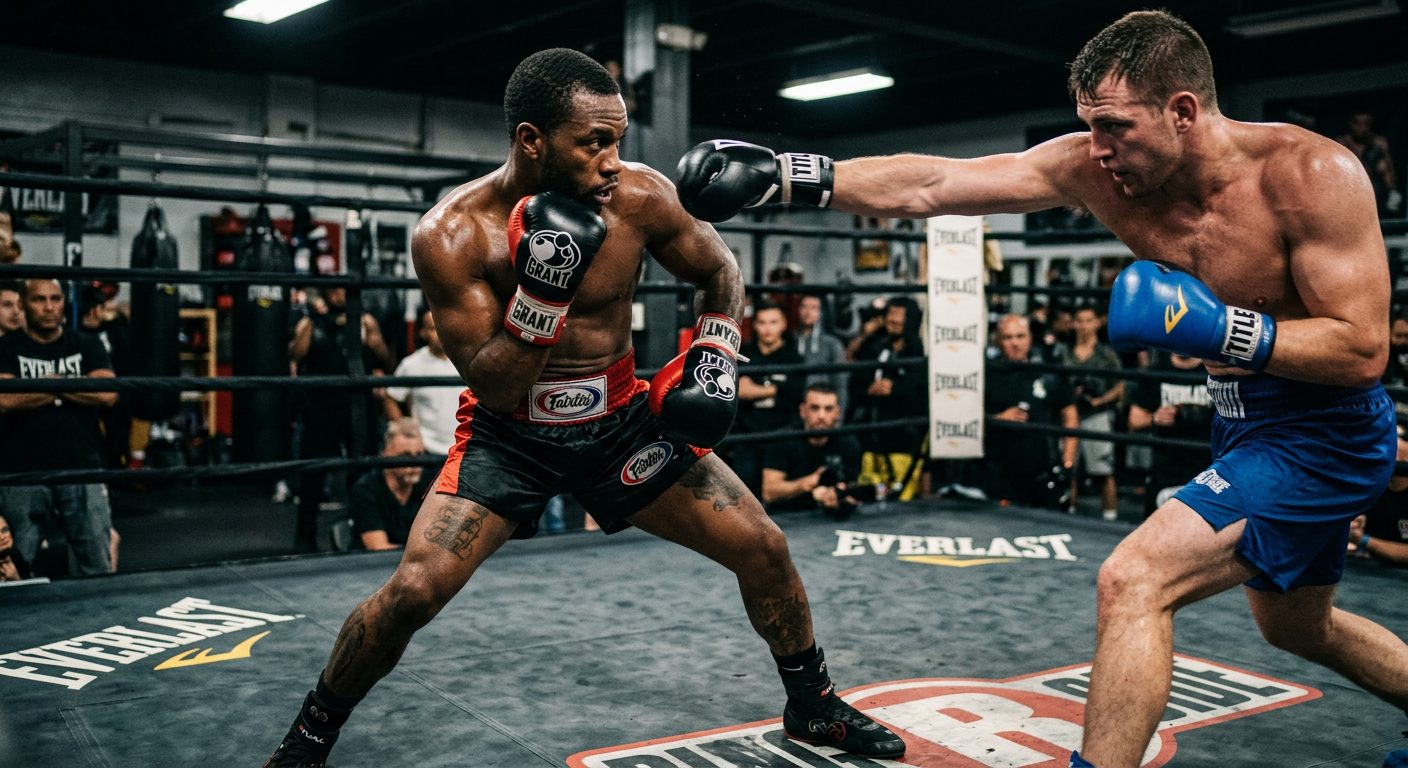
Defense isn’t just upper body movement. Your feet determine whether you’re in punching range or safe distance. Master these footwork patterns and you’ll control every sparring session.
Step Back creates distance when opponents rush forward. Simple but effective. Step straight back to avoid punches, then step forward to counter. Don’t backpedal constantly or you’ll hit the ropes.
Side Step moves you off the center line where most punches travel. Step to either side after your combinations to avoid return fire. Side stepping also creates angles for counter-attacks.
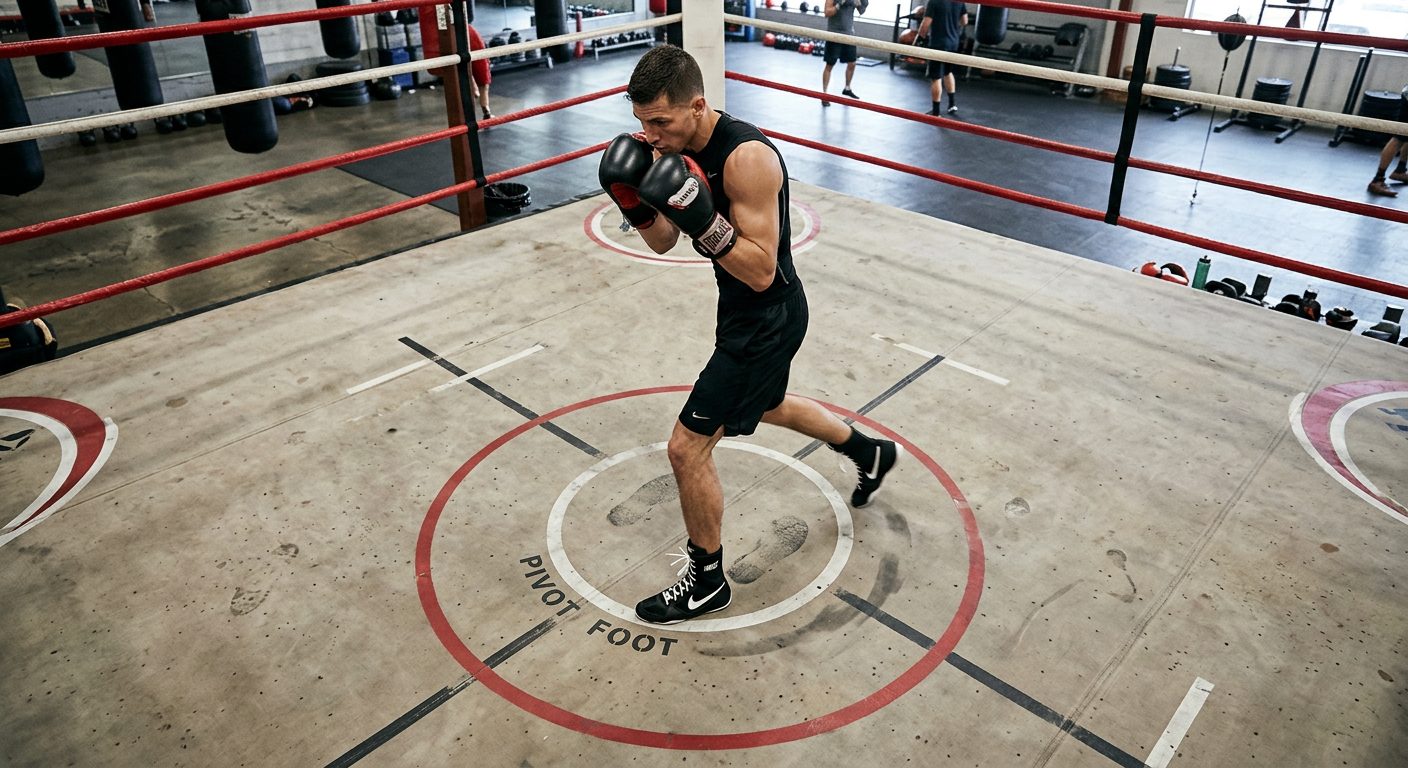
Pivot spins you away from pressure using your lead foot as an anchor. Effective against aggressive fighters who come straight forward. Pivot left against orthodox fighters, right against southpaws.
Timing Your Defense: Reading Punches
Defense without timing is just movement. You need to read when punches are coming to react appropriately. Watch for tells – shoulder drops, weight shifts, eye movement. Every fighter has patterns you can exploit.
Most punches follow predictable sequences. After a jab comes a cross. After a hook comes another hook or an uppercut. Study these patterns and you’ll anticipate attacks before they fully develop.
Practice with a partner throwing slow, controlled punches. Focus on reacting to the movement, not the glove hitting you. Speed comes later – timing comes first.
Counter-Attacking: Defense Becomes Offense
The best defensive fighters are also devastating counter-punchers. Every defensive movement should position you for immediate retaliation. This is what makes defense active rather than passive.
Slip and Counter is the most fundamental counter-punch pattern. Slip the jab, counter with a cross. Slip the cross, counter with a hook. Simple but extremely effective when timed correctly.
Check Hook combines footwork with punching. As your opponent rushes forward, pivot and throw a lead hook. This technique stops aggressive fighters dead in their tracks.
Pull Counter draws your opponent forward with movement, then counters as they overextend. Advanced technique that requires excellent timing and distance management.
Training Your Defense: Drills That Work
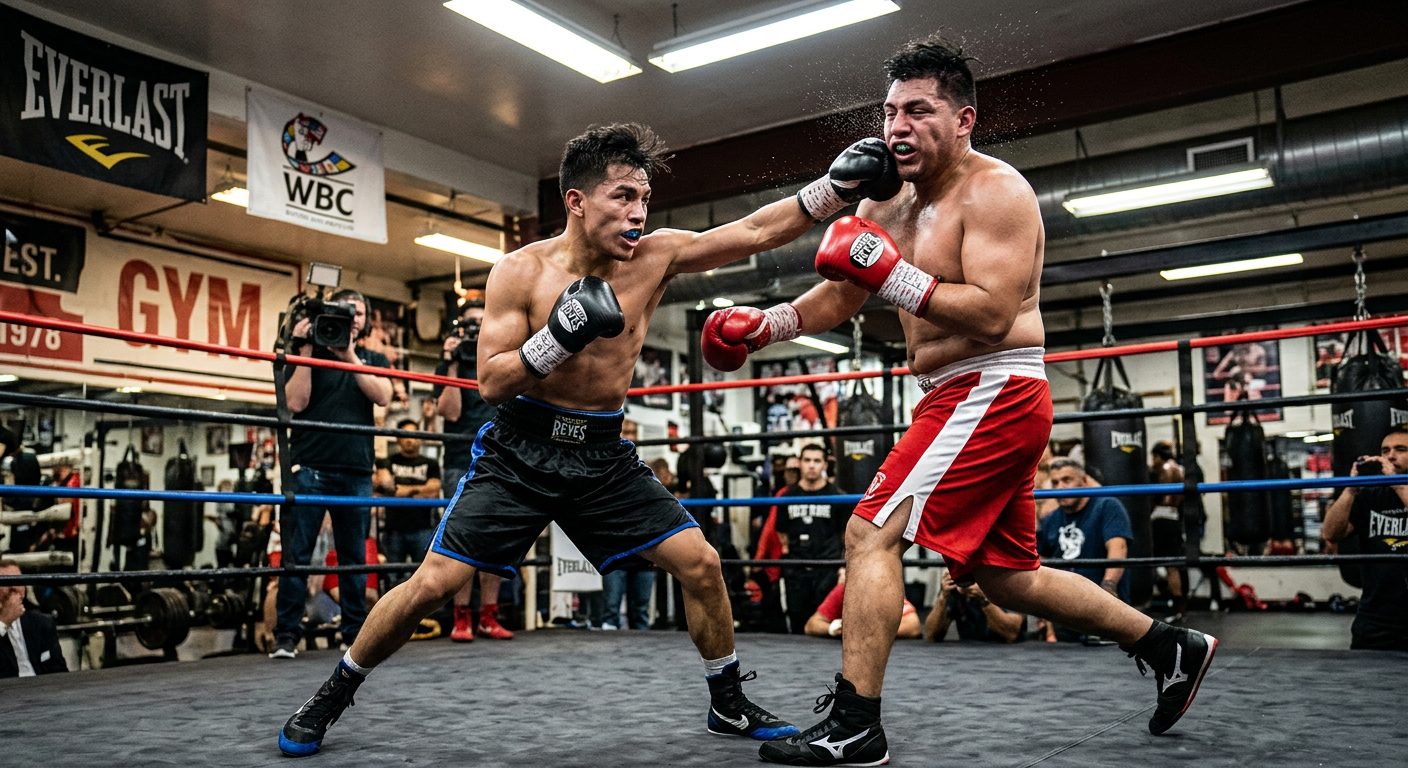
Defense improves through specific drilling, not just sparring. These exercises develop the muscle memory and timing needed for automatic defensive reactions.
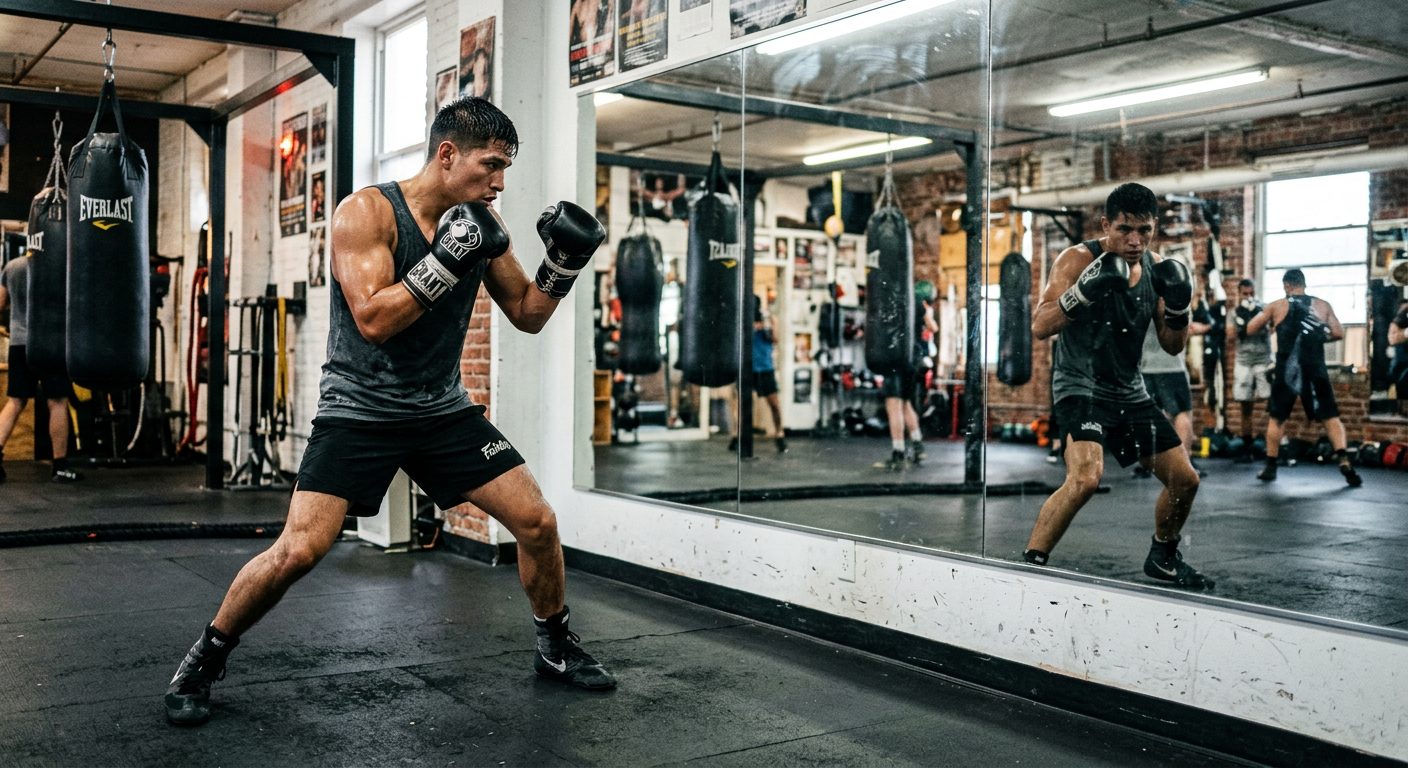
Mirror Work builds head movement patterns. Stand in front of a mirror and practice slipping imaginary punches. Focus on small, efficient movements. Start slow and gradually increase speed.
Tennis Ball Drill improves hand-eye coordination for parrying. Have a partner toss tennis balls at different angles while you deflect them with your gloves. Develops quick reflexes and accurate hand positioning.
Focus Mitt Defense combines defensive movement with offensive counters. Have your partner call out defensive movements between punch combinations. “Slip left, hook right” or “duck, uppercut.”
Use Heavy Bag Pro’s boxing timer to structure your defensive drills. Three minutes of focused defense work followed by one minute rest develops the endurance needed for consistent defensive performance.
Common Defensive Mistakes to Avoid
Poor defense habits are harder to break than poor offensive ones. Avoid these common mistakes that leave you vulnerable in sparring and competition.
Dropping Hands after punching or when tired. Your guard should return to position automatically after every punch. If you’re dropping hands due to fatigue, you need better conditioning.
Backing Straight Up when under pressure. Linear movement makes you predictable and easier to corner. Mix in lateral movement and pivots to stay unpredictable.
Over-Movement wastes energy and creates openings. Big, dramatic defensive movements look impressive but leave you vulnerable to follow-up punches. Keep movements small and efficient.
Fighting in Survival Mode means you’re only defending without looking for counters. Even when hurt, look for opportunities to turn defense into offense.
Building Defensive Confidence
Great defense requires confidence in your technique. You can’t hesitate when a punch is coming – your defensive movement must be automatic and decisive.
Start with controlled drilling where you know what’s coming. Gradually increase the unpredictability and speed of attacks. Build your defensive skills progressively rather than jumping into hard sparring immediately.
Mental preparation is as important as physical drilling. Visualize successful defensive sequences during downtime. See yourself slipping punches and counter-attacking effectively. This mental rehearsal transfers directly to physical performance.
Remember that defense is an active skill, not passive survival. Every defensive movement should position you for immediate counter-attack. Master these techniques and you’ll control the pace and distance of every boxing exchange.
Great boxers aren’t remembered for the punches they threw – they’re remembered for the punches they didn’t take. Build bulletproof defense and everything else in boxing becomes easier.