
The round ends. You pull off your gloves, sit on the bench, and just… breathe. Not because you have to. Because something inside you needed that half hour more than food. You did not come to the gym to get fit today. You came because the week had been grinding you down, and hitting something felt like the only honest answer.
That instinct is not just anecdote. There is a growing body of research looking at what combat sports training does to stress, anxiety, and mood. Some of it is surprising. Some of it confirms what anyone who has been training for more than a year already suspected. This article walks through what the research actually says, where the evidence is solid, and where the claims outrun the data.
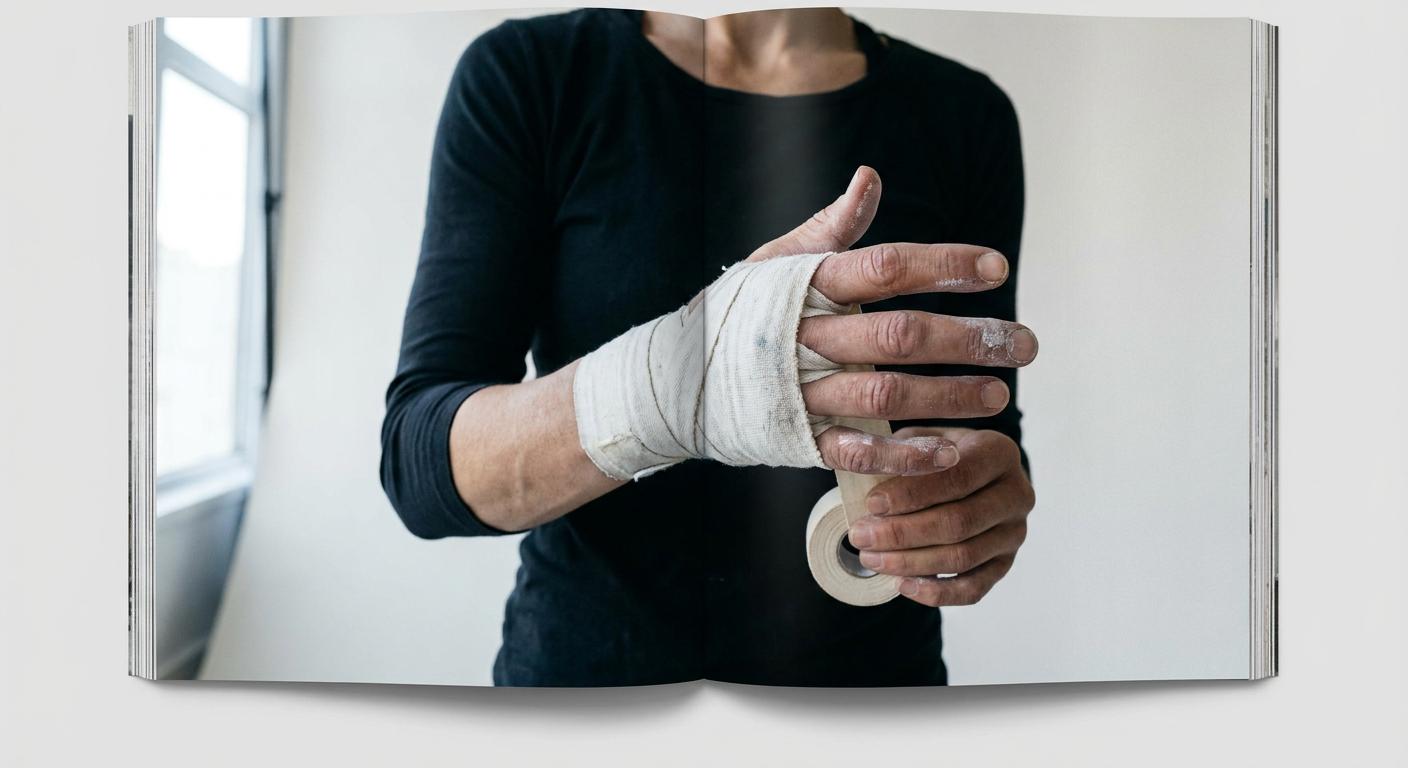
What stress actually does to the body
Chronic stress keeps your nervous system in a low-grade alert state. Cortisol stays elevated, sleep quality drops, and the brain’s threat-detection circuitry runs hotter than it needs to. This is not dramatic. It is the background hum that makes you snappy, unfocused, and physically tense through the shoulders and jaw without any obvious reason.
Exercise interrupts that loop. During intense physical effort, your sympathetic nervous system fires hard for a defined period, then has to return to baseline. Repeat this often enough and the recovery becomes faster and more complete. You become, in physiological terms, better at coming down from stress. A 2021 review in Frontiers in Psychiatry found that high-intensity exercise interventions consistently reduced trait anxiety scores across multiple populations, with the effect strongest in adults who described themselves as high-stress at baseline. (Source)
Boxing and Muay Thai hit that high-intensity threshold easily. Three rounds of bag work is enough. The physiological stress response during training is real, and so is the rebound. That rebound is part of what people describe when they say the gym “clears my head.”
The aggression question
People who have never trained often assume that combat sports make you angrier. Coach Rafael Cordeiro, who has worked with fighters at Kings MMA in California for years, describes the opposite pattern. New students come in tightly wound. Six weeks in, they are calmer in conversation and more patient under frustration. The act of controlled, focused aggression in training does not seem to prime aggression outside of it.
Research on this is more complicated than either camp wants to admit. A 2019 study published in Aggressive Behavior found that martial arts training reduced trait anger in participants, compared to non-training controls. The authors noted that the structured rule environment and the emphasis on self-control as a cultural norm within martial arts communities seemed to be the mechanism, not the physical exercise alone. In other words, it is not just the hitting. It is the context in which hitting is practiced.
This matters when you look at boxing as a stress outlet from a practical angle. Training inside a gym, with its rituals and expectations and the respect owed to training partners, is a fundamentally different experience from unstructured venting. The discipline is the therapy, not just the sweat.

Depression and the evidence base
A few caveats first. Most exercise-and-depression research uses aerobic or resistance training, not boxing or Muay Thai specifically. The combat sports data is thinner. But there are a handful of well-designed trials worth knowing about.
A 2020 pilot study out of the University of South Australia looked specifically at boxing training in a group of adults with mild to moderate depression. Participants did three sessions per week for eight weeks. By the end, self-reported depression scores had dropped significantly, and the dropout rate was lower than in typical gym-based exercise interventions. The researchers speculated that the novelty, the skill acquisition demands, and the social element of training partners all contributed to adherence. Aerobic exercise does not always have those three factors together.
Skill acquisition is underrated as a mood intervention. Learning to move correctly, to time a jab, to shift weight for a hook, requires attention. And sustained attention on an external task is the opposite of rumination. Rumination, the loop of replaying what went wrong and imagining worse versions, is one of the key maintenance mechanisms for depression. The gym interrupts it not just with physical effort but with cognitive demand. You cannot think about your failing project and time your slip correctly at the same time.
Confidence, identity, and the slower gains
This is where the research gets harder to measure but where the long-term users tend to agree most clearly. Boxing changes how people carry themselves. Not in a cliche way. In a specific way: competence at something physically difficult tends to recalibrate self-perception.
If you have never thrown a punch and then you learn to, and you do it well, and a trainer nods and says “that’s it,” something registers. It is not about fighting. It is about discovering you can do hard physical things with your body that you did not think you could do. For people who have spent years feeling physically incompetent or disconnected from their own bodies, this matters a lot.
Research on self-efficacy (the belief that you can do things you set out to do) consistently links martial arts training to improvements in general self-efficacy, not just sport-specific confidence. A meta-analysis in Aggression and Violent Behavior (2016) found that martial arts training improved self-concept across a range of age groups and backgrounds. The effect was particularly notable in adults who described low confidence as a baseline characteristic.
For anyone dealing with the anxiety patterns that come from a background of low self-esteem, working through the psychological demands of boxing training offers something most therapies cannot: repeated, embodied evidence that you are capable. You do not just think you have gotten tougher. You can point to a thing you could not do and can now do.
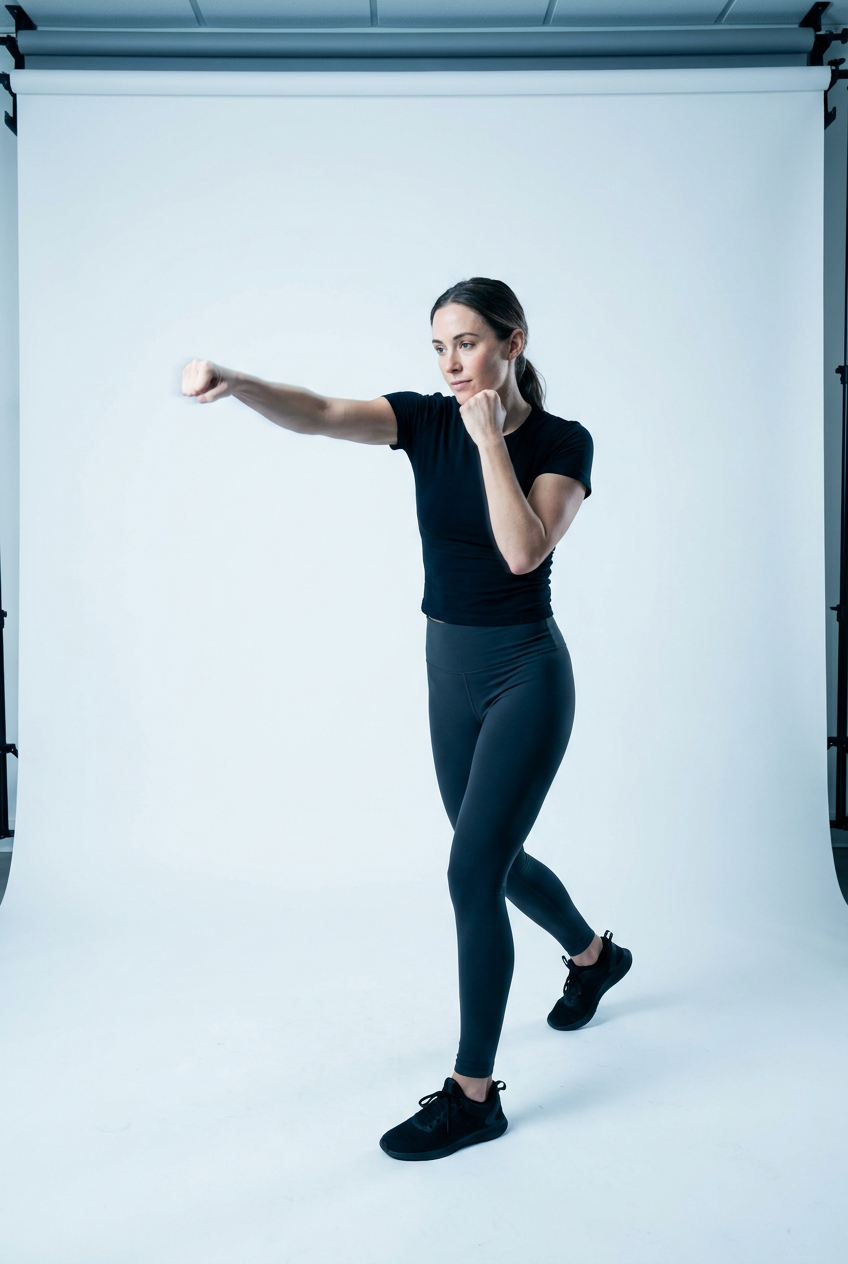
The sleep connection
One effect that does not get enough attention in the “boxing as therapy” conversation: sleep. Sleep is the biggest legal performance enhancer for mental health that exists, and it is the one most athletes are chronically underusing.
High-intensity exercise done at the right time of day improves sleep onset, depth, and consistency. Combat sports training done before early evening typically falls within the window where that benefit operates without disrupting melatonin cycles. Poor-quality sleep significantly worsens anxiety, depression, and irritability. Improved sleep significantly helps all three. If boxing does nothing else, and it does more, it makes you tired in the right way at the right time, and that alone changes how you feel by morning.
The mental resilience built through training compounds over time. A bad week outside the gym feels different when you know you have something that reliably makes you feel better, and when your body is rested enough to handle it.
What boxing cannot do
Honest accounting here. Boxing training does not replace clinical treatment for serious mental health conditions. If you are dealing with clinical depression with significant functional impairment, PTSD with active intrusion symptoms, or any condition that requires medication management, exercise is an adjunct, not a substitute. A GP or psychiatrist has not been made redundant by the heavy bag.
The research also shows that benefits plateau without progression. People who train monotonously, the same combinations, the same intensity, no new skill, no structure, get less out of it over time. The novelty and challenge factors matter. A structured workout with timed rounds, varied combinations, and clear goals is more effective than unstructured time in the gym. This is where a proper timer and session structure earn their keep. Using a structured round timer to build bag sessions keeps the work demanding enough to maintain the mental health benefits rather than sliding into comfortable routine.
Finally, the social element cannot be fully replicated solo. Training with partners, getting a nod from a coach, the quiet camaraderie of people sharing a difficult physical experience, these are real components of the mental health effect. Pure solo training is better than nothing, but it is not the whole picture.

What the evidence supports
Pulling it together: the research supports boxing and combat sports training as a meaningful intervention for stress reduction, mild to moderate anxiety, low mood, and disrupted sleep. The mechanisms are physical (high-intensity exercise, cortisol reset), cognitive (attentional demand, skill learning), and social (structure, community, competence feedback). The effect on trait anger is positive, not negative, when training happens in a structured environment with cultural expectations of self-control.
The evidence for serious clinical depression is promising but thinner and should not be overstated. The best use of boxing as mental health support is as a consistent, structured, progressive practice, not as a one-off stress dump, and alongside professional support when that support is indicated.
Stick with it long enough to get through the awkward early months when the technique is rough and the sessions feel chaotic. The mental benefits tend to compound once training becomes familiar enough to be genuinely demanding rather than just confusing.
If you are building out a structured home training routine, the free round timer at heavybag.pro/boxingtimer/ makes it easy to keep sessions honest. Structure is the difference between a workout that helps and one that just wears you out.