
I’ve been standing at the edge of a gym bench watching the same scene play out for years. A boxer throws a hundred rounds on the bag, feeling strong. Then, a few days later, the second knuckle on the dominant hand is puffy, tender to the touch, and aching when they make a fist. They ice it, take a few days off, then go back and do exactly what caused it. Same bag, same angle, same unprotected impact. Same swollen knuckle two weeks later.
Boxer’s knuckle is one of the most common repetitive injuries in combat sports, and it’s almost entirely preventable once you understand what’s happening under the skin. The problem isn’t that you’re punching hard. It’s usually a combination of how you wrap, how you land, and whether you’re giving the tissue any real recovery time between sessions. This article covers all of it in plain terms, with no invented timelines or recovery promises, just what the injury is, why it happens, and how to manage it properly.
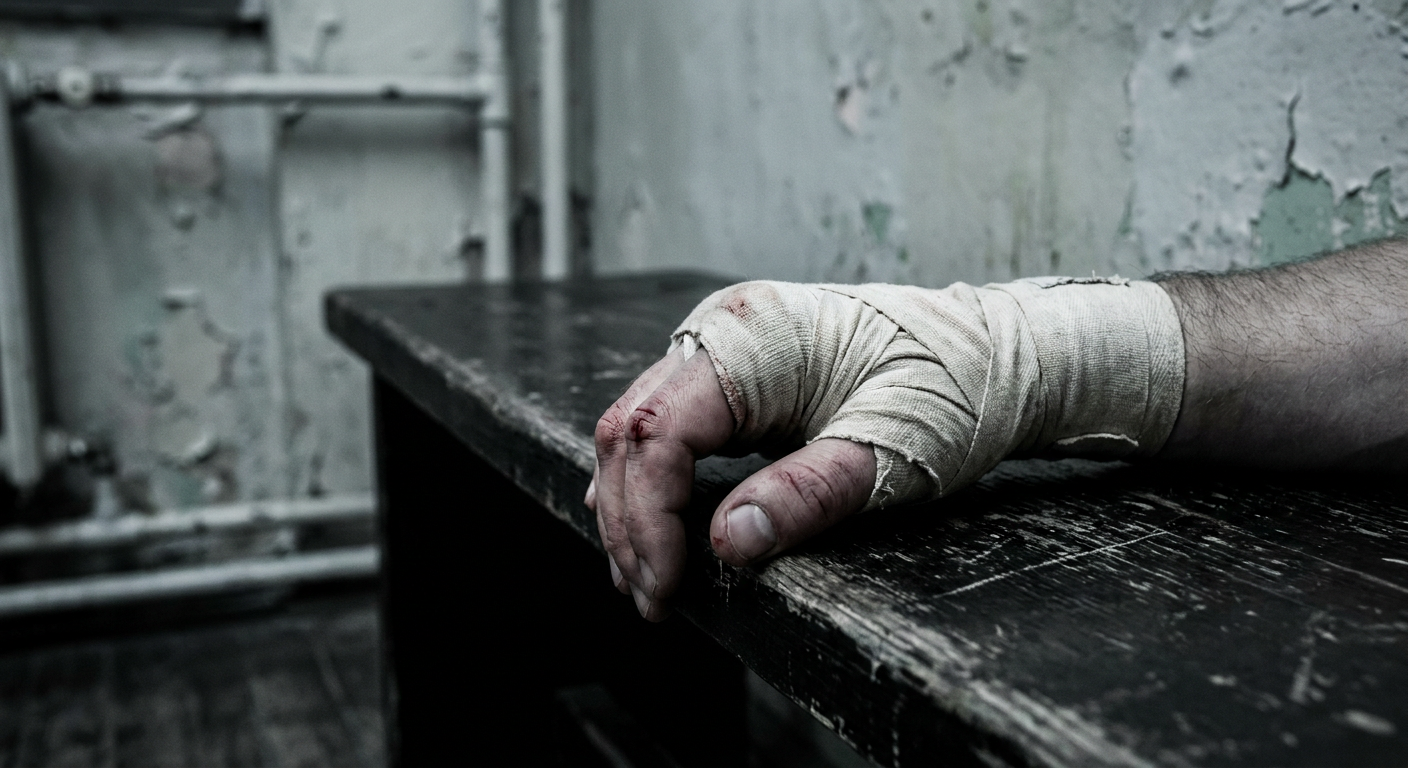
Q: What exactly is boxer’s knuckle?
The knuckle joint is called the metacarpophalangeal joint, or MCP. It’s the hinge where the long bones of your hand (metacarpals) meet the bones of your fingers (phalanges). When you make a fist and punch, the extensor hood, which is a band of soft tissue that sits over the back of each MCP joint, takes a huge amount of force.
Boxer’s knuckle describes a range of injuries to that structure. At the mild end, it’s inflammation and microtearing of the extensor hood tissue. At the severe end, the hood ruptures partially or fully, and the extensor tendon can sublux (shift sideways off the joint). In between those two extremes, you have varying degrees of tendinopathy, synovitis (swelling inside the joint capsule), and scar tissue buildup that makes the knuckle feel thick and stiff rather than sharp and painful.
The index and middle finger knuckles take the most damage in orthodox boxers, typically because those are the two knuckles that align with most power punches. Southpaws get the same injury on the opposite hand. Hooks and overhands create slightly different loading patterns, but the fundamental problem is the same: repeated blunt trauma to a joint that doesn’t have much protective tissue over it.
Q: How do I know if this is boxer’s knuckle or just normal soreness?
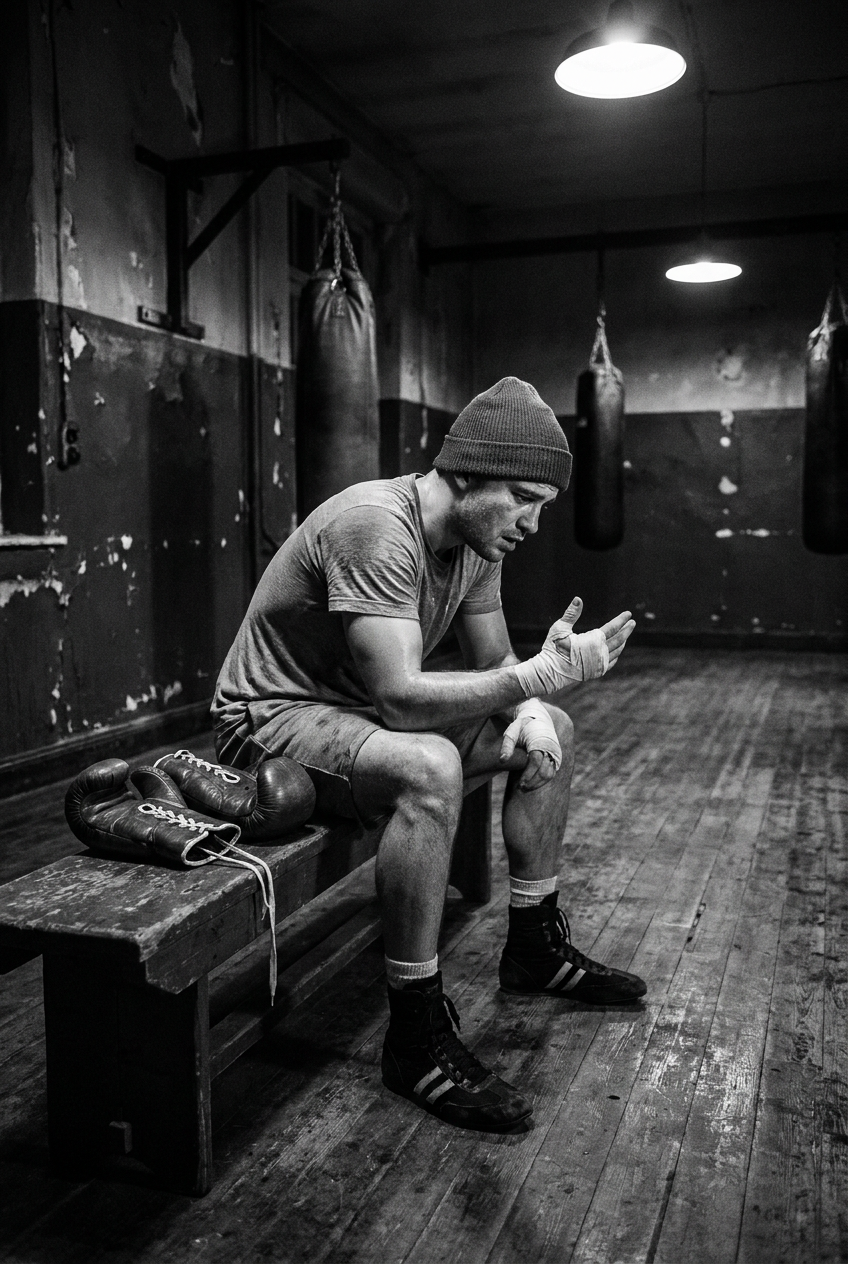
Soreness after heavy bag work is normal. An actual boxer’s knuckle injury is not. The distinction matters because training through the former is fine, and training through the latter accelerates the damage.
Normal post-training soreness fades within 24-48 hours, is diffuse across the knuckles rather than localized to one joint, and doesn’t limit your ability to make a full fist. There’s no visible puffiness and no pain when you bend the finger slowly through its range of motion without impact.
Boxer’s knuckle looks different. You’ll notice swelling concentrated at one specific knuckle, usually the index or middle finger MCP joint. The knuckle may feel doughy or boggy compared to the others. Bending the finger under resistance (making a fist against light pressure) produces a sharp or aching pain right at the joint. In more advanced cases, the knuckle looks visibly misshapen because the soft tissue around it has thickened with scar tissue over months of repeated injury and incomplete healing.
Coach Nacho Beristain, who has trained world champions at his gym in Mexico City for decades, puts it simply: if the knuckle still hurts when you press it the day before your next session, you have not recovered. Training on it anyway is a choice, but it should be a conscious one with eyes open to what’s accumulating.
Q: What causes it? Why do some boxers get it and others don’t?
Four factors show up consistently in cases of boxer’s knuckle: wrapping mechanics, punch landing angle, volume without adequate recovery, and bag surface.
Wrapping mechanics. The purpose of a hand wrap is to compress the metacarpal bones together and limit the sideways shift of the extensor hood under impact. A wrap that crosses the knuckles insufficiently, or one that comes loose by round two, leaves the extensor hood absorbing impact without support. A proper hand-wrapping technique applies multiple passes over the knuckles with the wrap pulled moderately firm, not circulation-cutting tight, and secures the wrist before moving up to the knuckles.
Punch landing angle. Punching on a bag that hangs too high forces you to angle your wrist downward at impact. This puts the extensor hood in a more exposed position. The same problem happens when you overreach and catch the bag with bent wrists. Winning and Cleto Reyes bag gloves both have stiffer wrist supports for this reason: they force better wrist alignment, which distributes the impact load through the knuckles more evenly.
Volume without recovery. The extensor hood and MCP joint capsule adapt to load like any soft tissue, but they adapt slowly compared to muscle. You can build shoulder endurance in a few weeks of consistent training. The connective tissue around the MCP joint takes longer. Jumping from two bag sessions per week to five, or adding intensive knuckle-heavy combinations before the hands have adapted, outruns the tissue’s ability to recover.
Bag surface. Old canvas bags filled with sand or rice compact over time into something close to hitting concrete. Modern vinyl bags with softer fill, or purpose-made Thai pads used at a bag-like angle, are noticeably easier on the hands. This isn’t about training soft. It’s about choosing the right tool for the training stage you’re in.
Q: What should I do immediately after the knuckle swells?
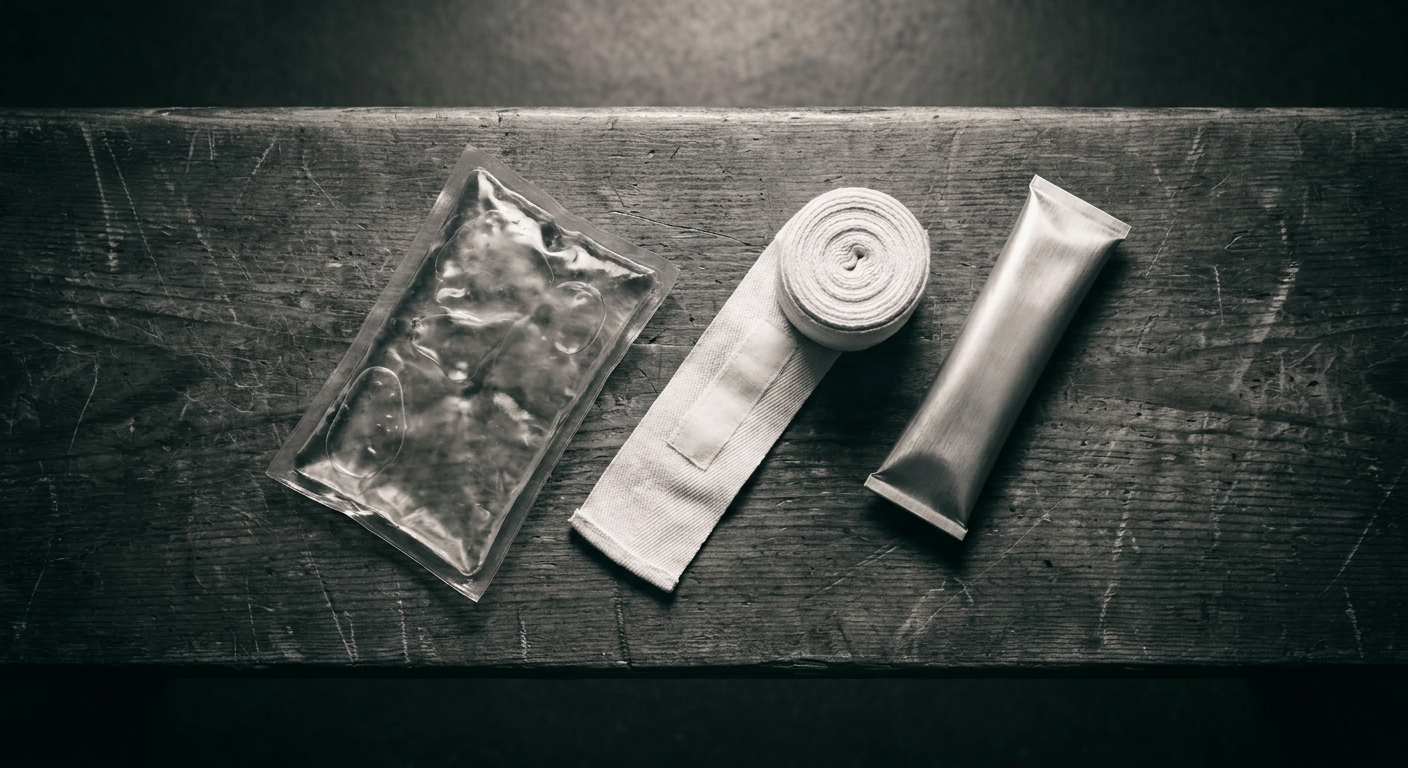
The first 48 to 72 hours are the window where the basic tissue response can be managed. Ice the joint for 15 minutes on, at least 45 minutes off, using a cloth between the ice and skin. Compression helps: wear your hand wraps during the day at moderate tension if the knuckle is puffy, not so tight that circulation is affected. Elevate the hand when resting. Standard NSAIDs like ibuprofen can reduce both pain and the inflammatory response if you can take them without contraindications, but consult your doctor before using anti-inflammatories routinely.
What you shouldn’t do is tape the knuckle up and jump back on the bag within two days of a significant swelling event. A minor bump that feels fine by the next morning is different from an acute injury. If the swelling is visible, if the range of motion is reduced, or if the knuckle is hot to the touch, that’s your body’s signal to stop loading that joint and let the acute phase resolve first.
The structural problem with boxing through acute inflammation is that you’re punching with tissue that’s already stressed. Every impact during that phase creates more microtearing on top of existing microtearing. What could have been a week of rest becomes a month of chronic irritation.
Q: How do I prevent this long-term?
Prevention is a combination of wrapping correctly every single session (not just sparring days), managing session volume relative to where your hands currently are, and varying the types of impact across your training week.
On wrapping: Mexican-style elastic wraps with adequate knuckle coverage are the standard recommendation, and they work if you apply them properly. Gel wraps are faster but provide less structural support. If you train five or more days a week on the bag, prioritize proper cotton wraps over gel inserts for the majority of those sessions. Save the gel wraps for shorter technical sessions where volume is low. The same load-management logic that applies to wrist pain applies here: the cumulative stress matters more than any single session.
On volume: the sessions where you’re doing heavy combination rounds at full power are the ones doing the most knuckle loading. Alternate those with shadowboxing, padwork focused on technique rather than power, or light technical bag rounds. Not every session needs to punish the bag. The fighters at Kronk Gym in Detroit during the Steward era were notorious for their volume, but Steward was also meticulous about managing when and how fighters went hard, cycling intensity throughout the week rather than going full throttle every day.
On bag selection: if you’re training on an old, packed-out canvas bag and your knuckles are consistently sore, that’s a legitimate variable to address. Newer bags with softer fill or vinyl shells are easier on the hands without significantly changing the training effect. If you have access to a Thai pad holder for bag-style rounds, those sessions will consistently be easier on the MCP joints because pads have more give than any hanging bag.
For timing your rounds, a structured app like the boxing round timer at heavybag.pro lets you set distinct work, rest, and round intervals so you can program lighter technical rounds in between your heavy power rounds, giving the hands genuine recovery within a single session rather than going full intensity from bell to bell.
Q: When do I need to see a doctor?
A mild boxer’s knuckle that responds to rest and resolves within a couple of weeks is manageable without medical intervention. But some presentations need a professional assessment. Go see someone if:
- The swelling doesn’t decrease after a week of rest and icing
- You notice the extensor tendon shifting sideways off the knuckle when you flex the finger (this is visible as the tendon tracking to one side of the joint)
- The joint is locking, catching, or has significantly reduced range of motion
- The pain is sharp and severe rather than a dull ache
- You had a direct hyperflexion impact, like catching a punch on a bent finger
A sports medicine doctor or orthopedic specialist can order an MRI or ultrasound to assess the extent of extensor hood involvement. For partial tears that aren’t responding to conservative management, corticosteroid injections under ultrasound guidance are sometimes used to reduce inflammation inside the joint capsule. Full extensor hood ruptures occasionally require surgical repair, though this is the minority of cases in recreational and amateur fighters.
According to research published by the National Institutes of Health on hand injuries in combat sports, the MCP joint is one of the most commonly affected structures in boxers, with extensor mechanism injuries accounting for a substantial portion of hand problems that result in time away from training. Getting a proper diagnosis early is almost always better than training around an undiagnosed injury for months.
Q: Can I keep training with boxer’s knuckle?
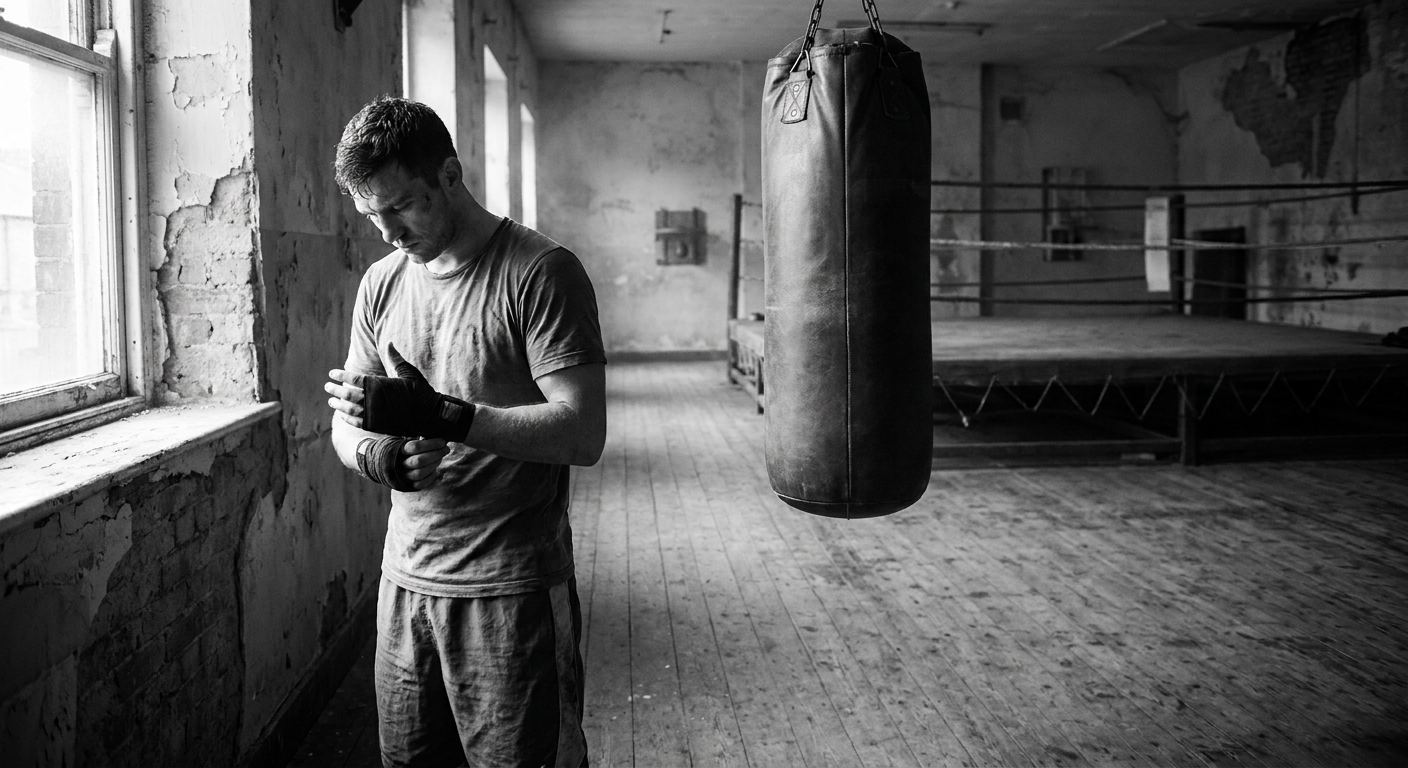
Depends entirely on the severity and what “training” means in that moment. Shadowboxing with correct form, padwork with a skilled holder using moderate power, and technical drilling where no impact lands on the affected knuckle? Usually fine, especially once the acute phase has passed. Jumping back into full-power rounds on a hard bag with the knuckle still puffy? That’s how a manageable injury becomes a chronic problem that follows you for years.
One thing worth knowing: many experienced boxers train with some degree of chronic knuckle thickening because the scar tissue that builds up around the joint actually provides a degree of protection over time. This is different from training through active inflammation. The goal is to get to the point where the knuckle has adapted to the loading, not to keep re-injuring it before it can adapt. That distinction, between earned toughness and repetitive damage, is the line worth paying attention to.
Use the recovery windows. If you’re hitting the bag four days a week and one knuckle is consistently sore, drop to three days and add a day of shadowboxing or skipping. Give the tissue time to catch up. Heavy Bag Pro’s structured round system can help you keep that lighter day genuinely lighter by setting shorter rounds with longer rest periods, making it harder to accidentally go full intensity when the hands need a break.
Q: What about taping the knuckles?
Zinc oxide tape over the knuckles, applied before wrapping, can provide meaningful additional support to the extensor hood during impact. Many gym coaches teach this as standard practice for fighters with sensitive hands. The tape goes on clean, dry skin, and you still wrap over it normally.
The technique: cut strips about 15 to 20 cm long, apply them anchored at the wrist side of the knuckle row and fanned slightly across the joint. Pulling the tape under slight tension before applying it adds compression. This isn’t a substitute for proper wrapping, it’s supplemental. A fighter who tapes their knuckles but wraps sloppily over the top won’t get much benefit.
If you’re in a period of active recovery from boxer’s knuckle and want to do some light technical padwork, taping is a reasonable protective measure. Full power bag rounds while taped during an acute injury? No. The tape reduces movement at the extensor hood, but it’s not absorbing the impact force of a hard punch on a stiff bag.
Keeping your bag rounds organized and timed so you can track volume across the week is part of staying on top of load management. A round timer that lets you program distinct session types, whether it’s a lighter 2-minute technical round or a full 3-minute power round, gives you actual control over what you’re putting through the hands each training day. Heavy Bag Pro lets you save and switch between different interval configurations so lighter recovery sessions don’t accidentally turn into full-intensity ones.