
How does a fighter end up in front of a federal grand jury over a jar of cream? In 2003, Shane Mosley found out.
Mosley was one of the best boxers of his generation, a former lightweight champion who had beaten Oscar De La Hoya in 2000 and would beat him again in September 2003. Before that rematch he trained with the BALCO lab in the Bay Area, run by Victor Conte. When the BALCO case broke, prosecutors wanted to know who had used what. Mosley’s grand jury testimony leaked the following year. He said he had used the substances Conte supplied, including the cream and the clear, designer steroids that had been built to slip past drug tests. He also said he did not know what they were and believed he was taking legal supplements.
Hold on to that detail, because it comes back in almost every doping case in the sport. The fighter says he did not know. The lab says otherwise. The commission, the promoter and the fans all pick the version that suits them.
Mosley kept his decision win over De La Hoya. He kept boxing for years. He did not lose the respect of most of the gym crowd, which tells you something about how boxing has treated this subject for most of its history: loudly for a week, then quietly forever.
Why Did Boxing Test So Late?
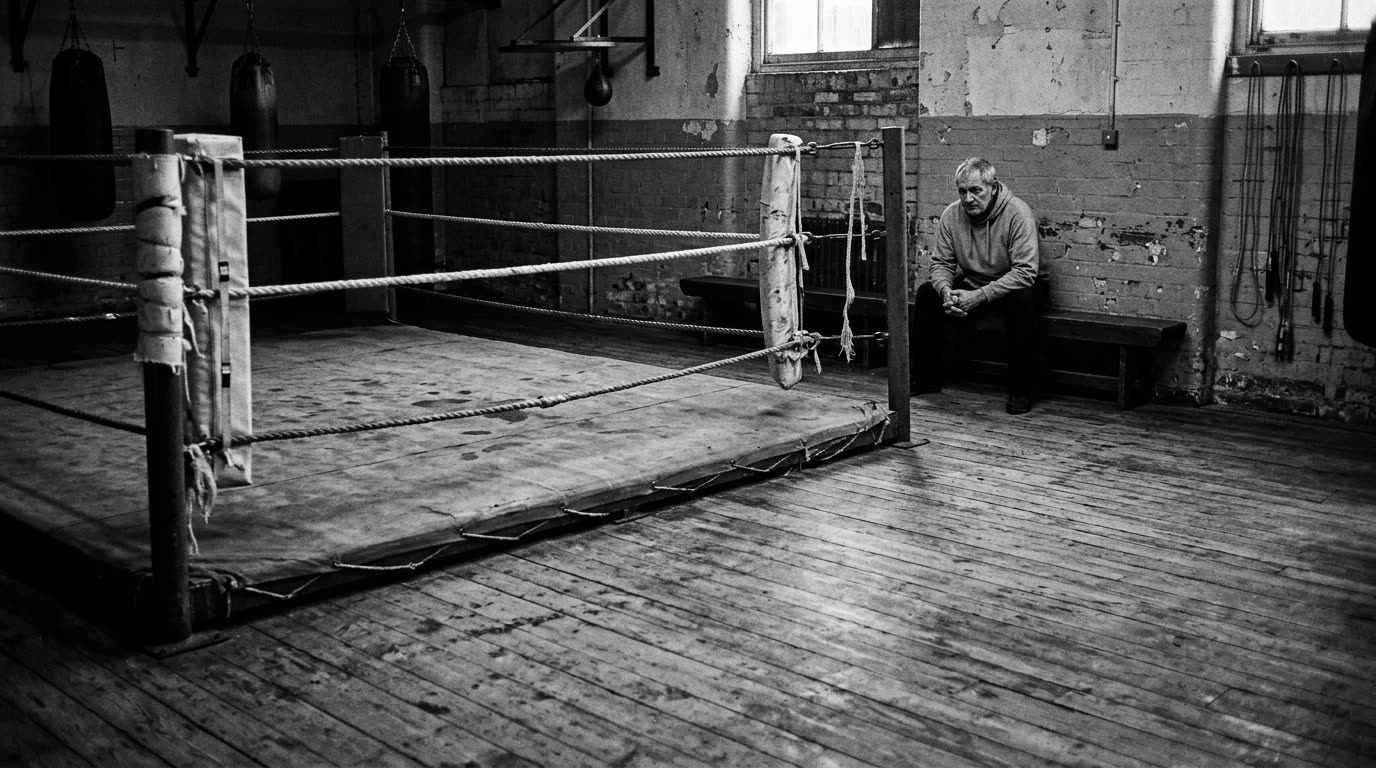
Most sports built anti-doping systems because a federation or the Olympic movement forced the issue. Professional boxing has no single federation. It has state and national commissions, four major sanctioning bodies and promoters who decide where a fight happens. A fighter who fails a test in one jurisdiction can sometimes be moved to another.
Before the late 2000s, testing in a typical pro fight meant a urine sample at the weigh-in, if that. Out-of-competition testing, the kind that catches someone cycling a steroid in camp and clean by fight night, was close to unknown. The sport’s own insiders said so. Dr. Margaret Goodman, a former Nevada ringside physician, helped found the Voluntary Anti-Doping Association (VADA) in 2008 precisely because the commissions were not doing random testing.
The turning point everyone points to is the 2010 negotiation for Floyd Mayweather against Manny Pacquiao. Mayweather’s side demanded Olympic-style random blood testing, Pacquiao’s side objected to the limits and the fight collapsed. The two did meet in May 2015, with USADA running the testing program. Say what you like about that five-year delay, but it made the question public. Fighters and fans started asking who was being tested, how often and by whom.
Ask in your own gym: has anyone here ever been tested at an amateur show? Most people will shrug.
Who Has Been Caught?
The list is longer than casual fans assume and shorter than the rumour mill suggests. A few cases carry most of the weight.
Canelo Alvarez tested positive for clenbuterol in February 2018, ahead of his rematch with Gennady Golovkin. He blamed contaminated meat from Mexico, a defence that has been used in other sports, and the Nevada commission handed him a six-month suspension. The rematch moved from May to September.
Tyson Fury was charged by UK Anti-Doping over nandrolone after a 2015 sample. He denied wrongdoing. The case dragged on, and in 2017 it ended with an agreed ban, backdated so that it had already run its course.
Jarrell Miller was the heavyweight who made it plain how crude some cheating can be. In 2019 VADA flagged him for GW1516, human growth hormone and EPO in the lead-up to a Madison Square Garden fight with Anthony Joshua. Joshua ended up facing Andy Ruiz instead, and everyone remembers how that night went.
Alexander Povetkin tested positive for meldonium in 2016, a heart drug that had only just been added to the prohibited list, and his heavyweight title fight with Deontay Wilder in Russia was cancelled. Cases like that, where a drug is banned one season and routine the one before, are the grey areas that keep fans arguing.
Notice the pattern. Nearly every one of these cases came from out-of-competition or pre-fight testing by a private or national program, not from the old weigh-in urine cup. Testing found them because someone finally looked.
What Does a PED Actually Do for a Boxer?
Boxing is a skill sport wrapped in a weight class, which makes the benefit of doping messy. A steroid like nandrolone or testosterone helps you recover between hard sessions and carry more muscle at the same weight. That matters in camp, when a fighter is stacking sparring, roadwork and strength sessions and has a hard cut coming. Growth hormone and EPO are about recovery and oxygen delivery, which is why they show up in Miller’s case.
Clenbuterol is the one that confuses people. It is a bronchodilator that some athletes use to drop fat while holding muscle, and it is also an issue in cattle feed in parts of the world, which is the reason the contamination excuse sounds plausible to a lot of fans. Plausible is not the same as proven, and anti-doping bodies treat it as the fighter’s responsibility either way.
Notice what none of these do. They do not teach you to slip a jab. They do not fix a lazy guard or a flat-footed stance. A doped fighter with bad habits is a strong fighter with bad habits, and a well-coached opponent still beats him. That is why the rumours around any given champion say more about the fans than about the champion.
What they do change is the risk profile. Heavier, stronger fighters hit harder, and boxers who cut weight hard while taking performance drugs are asking a lot of the heart and the kidneys. Our own piece on cutting weight safely covers the part of this that you can control.
Is Any of This Your Problem as an Amateur?
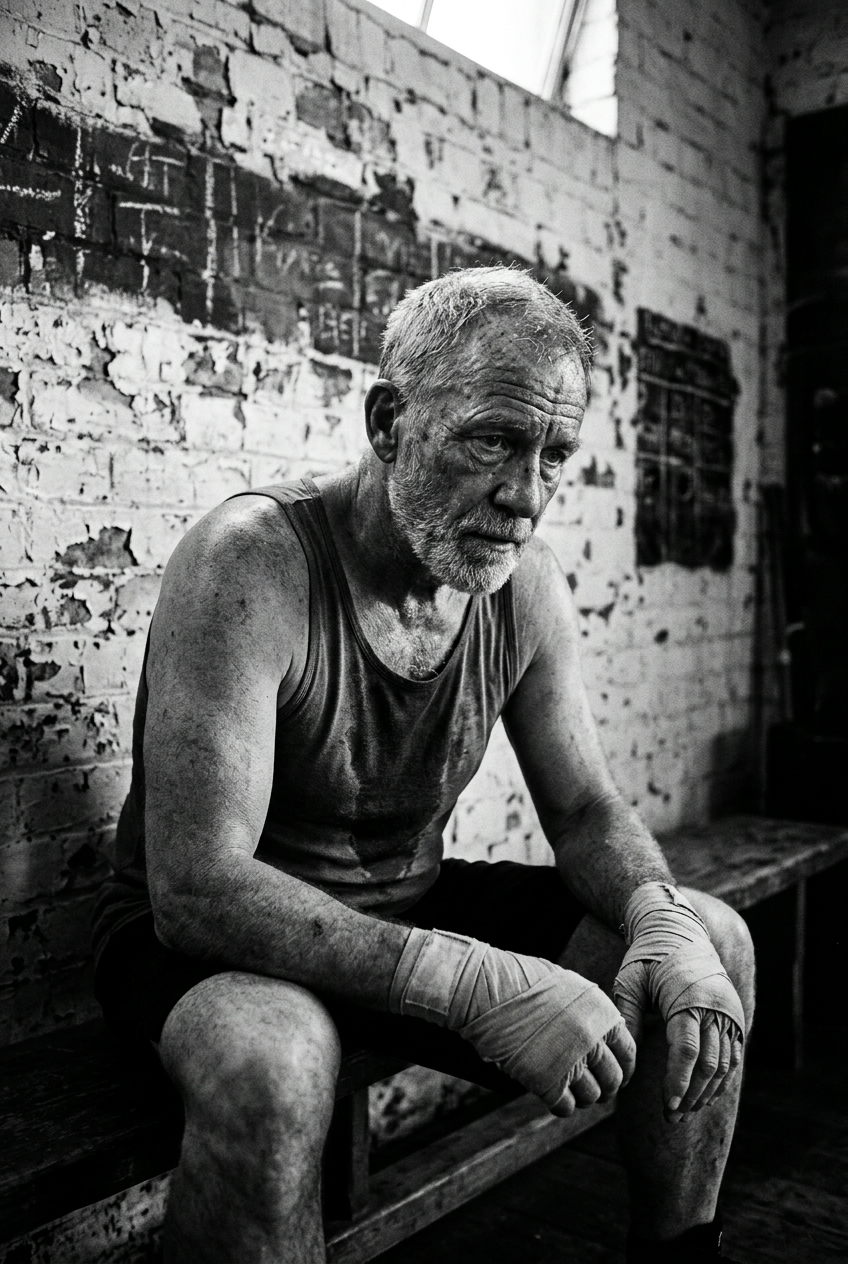
If you spar twice a week and have never stood on a scale in a hall, it is easy to file all of this under pro-boxing gossip. Here is why it is not.
Amateur boxing under Olympic rules sits inside the WADA system. USA Boxing athletes can be tested by USADA, and the prohibited list applies to a club fighter in a licensed event exactly as it does to a champion. The risk for a normal gym fighter is rarely a deliberate cycle. It is the cheap supplement that lists one thing on the tub and holds something else, the pre-workout from a shop with no batch testing, the friend’s prescription.
The practical rule: if you compete under a governing body that tests, check every product against the official list before it goes near your gym bag. The USADA substances pages are the place to start, and they link to the tools for checking a specific product. If you cannot verify it, skip it.
Sleep, protein from food and consistent training are not exciting. They also cannot cost you a licence. If recovery is the thing you are chasing, sleep for fighters will get you further than any tub on a shelf.
How Should a Fan Read the Rumours?
Every great physique in boxing gets whispered about. A fighter moves up two weight classes and looks different, a veteran suddenly stays strong into the late rounds long after his prime, a body changes in a single camp. None of that is evidence. Fighters grow, coaches change diets, and some men are simply built to carry muscle.
Treat the rumour mill like the commentary booth: entertaining and unreliable. What you can use are the boring facts. Was the fighter in a testing program with random samples, who ran it, and was the result published? A VADA or USADA enrolment on a fight announcement tells you more than a thousand comments under a highlight clip.
Then look at what happened after a positive test. Some fighters served a ban and came back to the same belts with no public explanation. Others lost a sponsor and a date, then drifted out of the sport. Boxing has no single answer, because boxing has no single rulebook. That is the real story behind the headlines, and it is the reason this subject never goes away.
Write down the names you recognise from this article and check what each program found. It costs one evening and it will change how you read the next scandal.
Why Does the Sport Still Feel Dirty?
Because the incentives have not changed. A promoter with a big date, a fighter with a short camp and a commission with a small budget are all looking at the same calendar. Random testing costs money and produces bad news, and bad news cancels fights.
A fan cannot fix that. What you can do is notice who volunteers for testing. Fighters who sign up for a program like VADA or USADA before a big fight are paying for the privilege of being checked. Fighters who refuse are saying something too, even if they never say it out loud.
Mosley’s story is the one to remember, though. A fighter who really did not know what was in his cream was still a fighter who had trusted the wrong man with his body. The lesson for the rest of us is dull and sound: know what you put in yourself, and know who gave it to you.
Keep your own training honest and measurable. Set rounds, rest and recovery with the free boxing round timer, and let the work you can count be the thing that improves.