
The punch didn’t knock him out. He just got rocked, shook his head, and stepped back in. By round three he was fine. That’s what his training partner said afterward, anyway. What nobody said was that he felt foggy for two weeks, had headaches every morning, and snapped at his girlfriend when she asked how training went. Nobody called it a concussion. Nobody sat him down.
Amateur boxing doesn’t have ringside neurologists. Most clubs have a first-aider if you’re lucky, a well-meaning coach if you’re not, and a culture that rewards toughness and punishes the appearance of weakness. So when your bell gets rung, the default is to shake it off and get back in. That default kills people. Not often, but enough that you should understand what a concussion actually is, how to recognize one, and what to do in the hours and weeks after it happens.
This isn’t a scare piece. Boxing carries real risk and adult athletes who train regularly deserve a straight explanation of that risk and a clear protocol to follow when things go wrong.
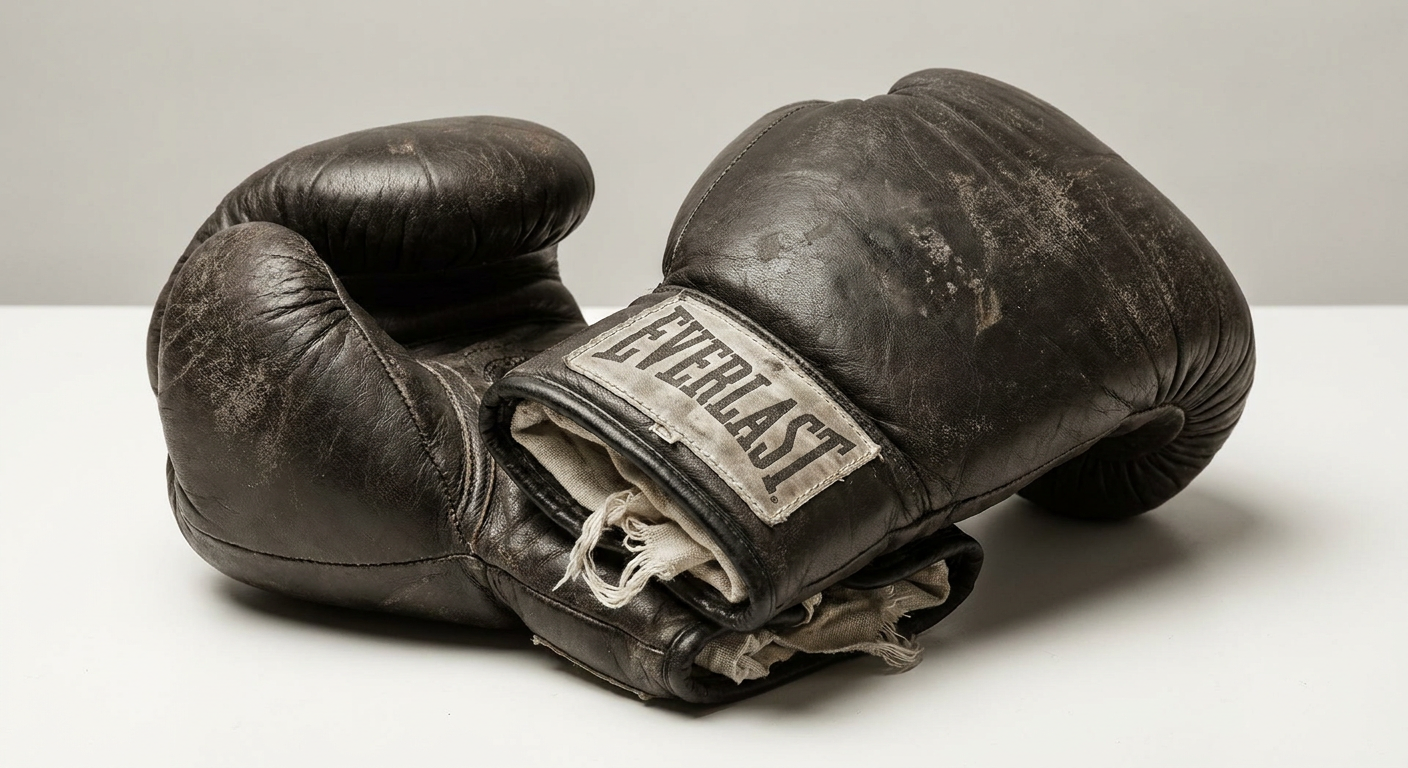
Stop sparring. Right now.
If you’ve taken a shot that left you briefly dazed, confused, or with ringing in your ears, the round is over. Not after you finish the combination. Not after the round bell. The round is over when your brain takes a hit that changes your perception of the room.
The USA Boxing Medical Guidelines state plainly that any boxer who exhibits signs of concussion must be removed from sparring and not returned that session. This isn’t a guideline that applies only to competition. It applies whenever a boxer gets hurt, including in the gym.
The reason for stopping immediately is a phenomenon called second-impact syndrome. A brain that has already sustained a mild traumatic injury is acutely vulnerable to a second impact, even a minor one. The second hit doesn’t need to be hard. It needs to happen while the brain is still in its post-injury window. The consequences can be severe and in rare cases fatal. Your coach asking you to shake it off and keep going is not malicious, it’s ignorant. Don’t comply.
Know what you’re looking for
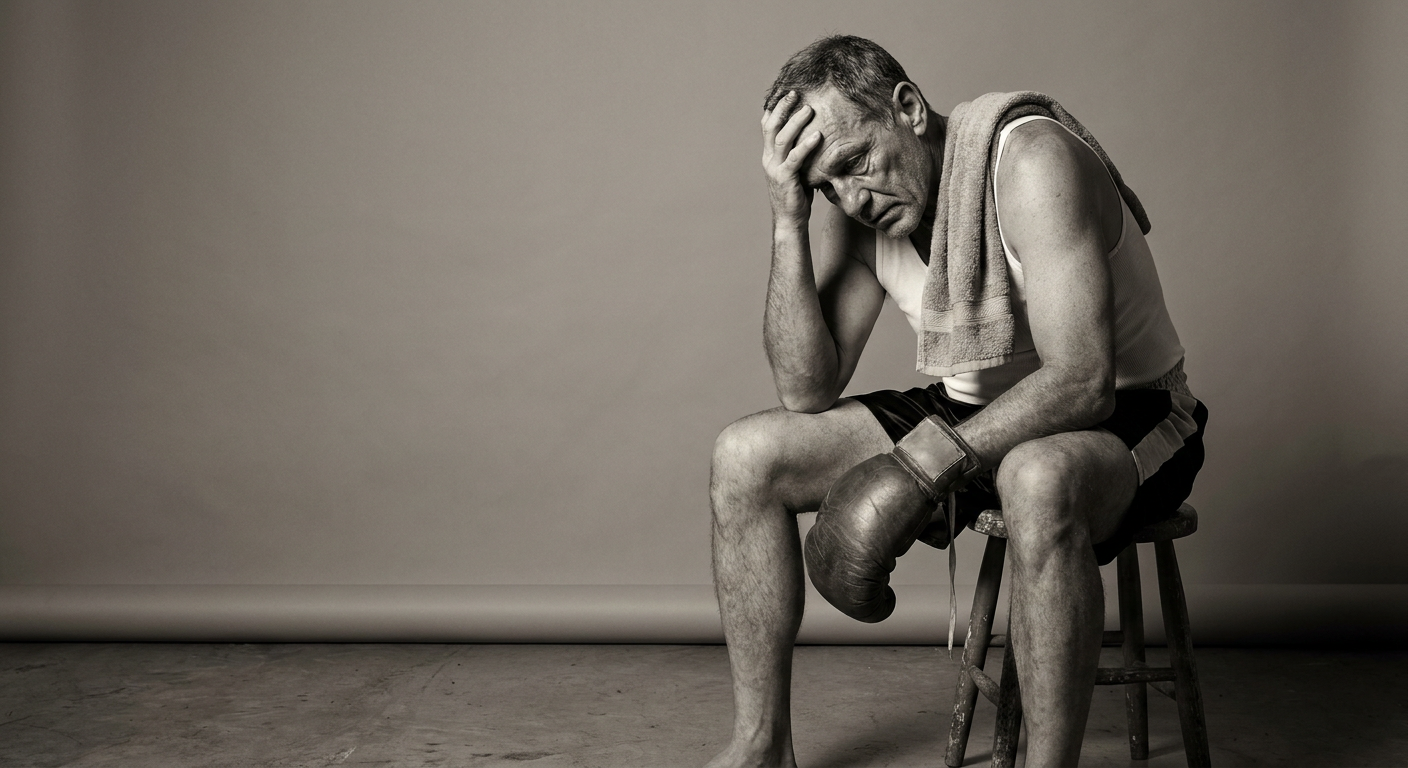
Concussions don’t always involve a knockout. In amateur boxing, most concussions are what neurologists call “sub-concussive” or “mild TBI” events where the fighter never loses consciousness but still suffers measurable brain disruption. Signs that something is wrong:
- Confusion about where you are or what round it is
- Feeling slowed down or “foggy” when thinking or speaking
- Headache that appears during or immediately after contact
- Nausea or vomiting
- Balance problems or stumbling between rounds
- Vision changes: double vision, light sensitivity, or blurring
- Ringing in the ears that doesn’t clear within a minute
- Uncharacteristic emotional response: crying, aggression, confusion
A boxer doesn’t need to exhibit all of these. One is enough to stop the session. Coaches and training partners often notice these signs before the fighter does, because the injured brain isn’t reliable at assessing its own impairment. If your corner says something is off, listen.
The short-term memory problem is worth singling out. One common post-concussion marker is the fighter who can’t remember the preceding minutes: they don’t remember the combination that dropped them, can’t say what combinations they were drilling before sparring started, or ask the same question multiple times without tracking that they’ve already asked it. That’s a red flag. Sit them down.
What to do in the first 24 hours
Stop all physical training immediately and don’t drive if you have any balance or cognitive symptoms. If you’re experiencing severe headache, repeated vomiting, seizure activity, loss of consciousness, or pupils that are unequal in size, go to the emergency department. Now. Those are signs of something more serious than a standard concussion.
For a standard post-hit presentation with no emergency symptoms: rest physically and cognitively. That means no sparring, no bag work, no running. It also means reducing screen time, avoiding loud noise and bright light if they aggravate symptoms, and sleeping as much as you need. The old advice about “staying awake after a head injury to prevent coma” is a myth; sleep is one of the most effective early interventions for concussion recovery.
Alcohol is off the table during the recovery window. Alcohol impairs the healing brain and can mask symptom progression. This applies to the full recovery period, not just the first night.
Take a note of when symptoms appeared, which ones you experienced, and what changed over the next 12 to 24 hours. This record matters if you see a doctor. It also helps you track whether symptoms are getting better, staying flat, or getting worse. If they get worse after the first few hours, see a doctor that day.
When to see a doctor (it’s sooner than you think)
If your symptoms persist beyond 24 hours, you should see a doctor before returning to any physical activity. This is not optional. Persistent symptoms are a signal that the brain hasn’t recovered, and training on an unrecovered brain compounds the damage.
Doctors in the UK can refer to NHS Sport and Exercise Medicine services. In the US, sports medicine physicians, neurologists, and your primary care physician all have the ability to assess concussion severity and clear you for return to training. Don’t go to an urgent care clinic run by someone with no sports medicine background and expect them to give you the all-clear for sparring three days later. Ask specifically whether the doctor has experience with concussion assessment.
Bring your symptom log. Describe the mechanism of the injury: how the shot landed, from what angle, how hard. Ask about vestibular rehabilitation if you’re experiencing balance or dizziness symptoms that persist beyond a few days. These are real symptoms and there’s an evidence-based therapy for them.
A study published in Journal of Neurotrauma found that amateur combat sports athletes often underreport concussion symptoms compared to their actual measured impairment on cognitive testing. The gap between “I feel fine” and “you have measurable deficits” is real, and it’s why self-assessment alone isn’t reliable. You feel better before you are better.
Return to training: the protocol your gym probably isn’t using
The graduated return-to-play protocol from the British Journal of Sports Medicine (adapted by most national boxing bodies) uses five stages. You must be symptom-free at rest before you can start stage one. Complete each stage without symptoms returning before moving to the next. If symptoms return at any stage, drop back one level and wait 24 hours before trying again.
Stage 1: Light aerobic exercise only. Walking, light stationary cycling, no resistance training. No elevated heart rate. Duration: minimum 24 hours symptom-free before Stage 2.
Stage 2: Sport-specific exercise without any head impact. You can do footwork, movement drills, skipping rope. No bag work yet.
Stage 3: Non-contact drills with increased exertion. Light bag work, pad work without power, shadowboxing. Still no sparring. Minimum 24 hours symptom-free before Stage 4.
Stage 4: Non-contact sparring simulation at full effort. Mitt work at pace, bag work at intensity. Still no head contact.
Stage 5: Return to full training including sparring. Only after medical clearance.
From symptom-free at rest to Stage 5 is a minimum of five days in the most optimistic case. After a significant concussion with symptoms lasting more than a day or two, expect two to three weeks minimum. Don’t let anyone rush you through the stages. Your sparring partner will be there next month. Your baseline cognitive function is harder to replace.
If you train using the round timer at heavybag.pro/boxingtimer/, use it during Stages 3 and 4 to structure bag rounds at controlled intensity. Short, timed work intervals with mandatory rest periods are a smarter way to ease back into exertion than going until fatigue without a clock.
What your gym should have (and probably doesn’t)
Honest truth: most amateur boxing gyms don’t have a written concussion policy. The average boxing coach learned their craft from another coach, who learned from another coach. If concussion protocol wasn’t part of that lineage, it isn’t in the gym. That’s not a character flaw. It’s a training gap.
A gym that takes this seriously has at minimum: a written policy stating that any boxer showing concussion signs is stopped immediately, a contact list for the nearest sports medicine service, and a coach who knows the graduated return protocol and can explain it in plain language. England Boxing, USA Boxing, and Boxing Ireland all publish medical guidelines and most affiliated gyms are expected to follow them. If your gym is affiliated and the coach can’t name the protocol, that’s worth raising with the club committee.
UK gyms affiliated with England Boxing have access to the ABA Medical Guidelines, which include specific concussion protocols for club-level sparring. If your coach hasn’t read them, print them out and put them in the locker room. Headgear reduces the risk of cuts and scrapes but doesn’t eliminate concussion risk, which is a persistent misconception worth correcting in your gym. The physics of rotational brain injury aren’t changed significantly by foam padding on the outside of the skull.
Long-term brain health: what the research says
Chronic traumatic encephalopathy (CTE) is the long-term outcome most associated with repeated head trauma in combat sports. CTE is confirmed only postmortem. It’s not something a living person can be diagnosed with, and most of the existing data comes from NFL and NHL athletes who sustained hundreds of sub-concussive hits over careers spanning decades. The picture for amateur boxers who train recreationally, don’t compete, or compete infrequently is different and in many ways more favorable.
That said, the research is clear on one point: frequency of sub-concussive impacts matters as much as severity of single events. A boxer who takes light, regular head contact five days a week over fifteen years may accumulate more cumulative damage than a boxer who competed full-on twice a year and followed strict recovery protocols between events. Heavy bag work, if done correctly, carries minimal concussion risk. Most of the risk in boxing is contact-based: sparring, pads with careless partners, accidentally walking into something during clinch work.
Reducing sparring frequency, increasing technical drilling, and never sparring on a day when you already feel cognitively sluggish or under-slept are practical risk-reduction decisions for the recreational boxer. These choices don’t eliminate risk, but they shift the exposure profile. For a framework on how to structure rest and recovery alongside this kind of training, read about how rest and recovery fit into a sustainable training schedule.
One rule that changes everything
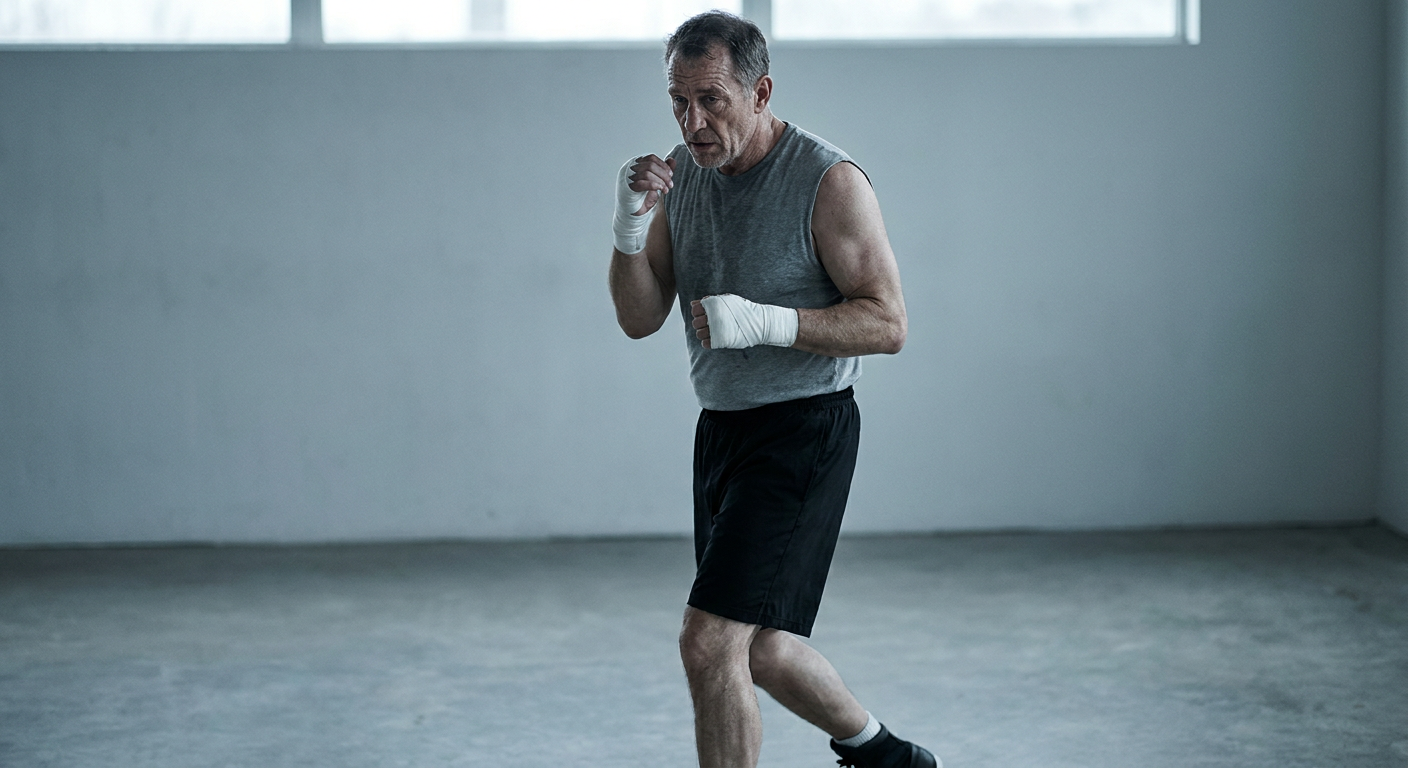
Tell your coach before you start sparring on any day when you have a headache, feel mentally sluggish, or haven’t slept well. Not because of concussion specifically, but because those are elevated-risk states that a good coach factors into how hard they run a session. A coach who dismisses that and sends you in anyway is not running a safe gym. A coach who adjusts the session or pulls you out entirely has made the call correctly.
The culture shift needed in amateur boxing isn’t complicated. It’s one gym at a time adopting the position that stopping sparring when someone gets hurt is not softness. It’s the only rational response. Train hard between sessions. Protect the brain that makes all the other training possible.
During the non-contact recovery stages, structured solo training is your best tool. The Heavy Bag Pro app keeps you on a timed interval schedule so you can work footwork, shadowboxing, and light bag rounds without overreaching, and without losing the training habit while you recover.