
Running is good for boxing until it isn’t. The first sign is usually a dull ache along the front of your lower leg that you notice about two miles in. You ignore it. Three sessions later it’s sharp enough to stop you mid-stride on a quiet street at 6am, and you’re standing there wondering whether to limp home or push through. Push through, and you might be off training for six weeks. That’s the choice shin splints force on you.
Fighters get shin splints more than most runners because the demands of the sport pile up fast: roadwork several days a week, skipping rope, footwork drills on hard floors, and sometimes Muay Thai kicking on top of all of it. Your shins don’t get much of a break. When the bone tissue and the surrounding connective structures can’t adapt fast enough to the load you’re putting through them, something gives. That’s not a metaphor. Medial tibial stress syndrome, which is the clinical name for shin splints, involves actual stress on the periosteum, the membrane covering the tibia.
This guide covers the problem, what’s actually causing it in your specific training context, and how to recover without losing your conditioning. No six-week rest prescriptions. No generic “just stretch more” advice. Actual steps.
The real problem
Shin splints in boxers are almost never just a running problem. That’s the part most online advice misses. You’re not training for a 10K. You’re training to fight, or to stay fight-fit, which means your roadwork sits on top of other stressors that a recreational runner doesn’t have.
The tibia handles compressive and bending forces with every footstrike. Under normal training loads, it adapts. The bone remodels, the surrounding fascia tightens up appropriately, the soleus and posterior tibialis muscles absorb shock before it reaches the bone. When load outpaces recovery, the bone surface becomes irritated before it finishes remodeling. That gap between stress and adaptation is where shin splints live.
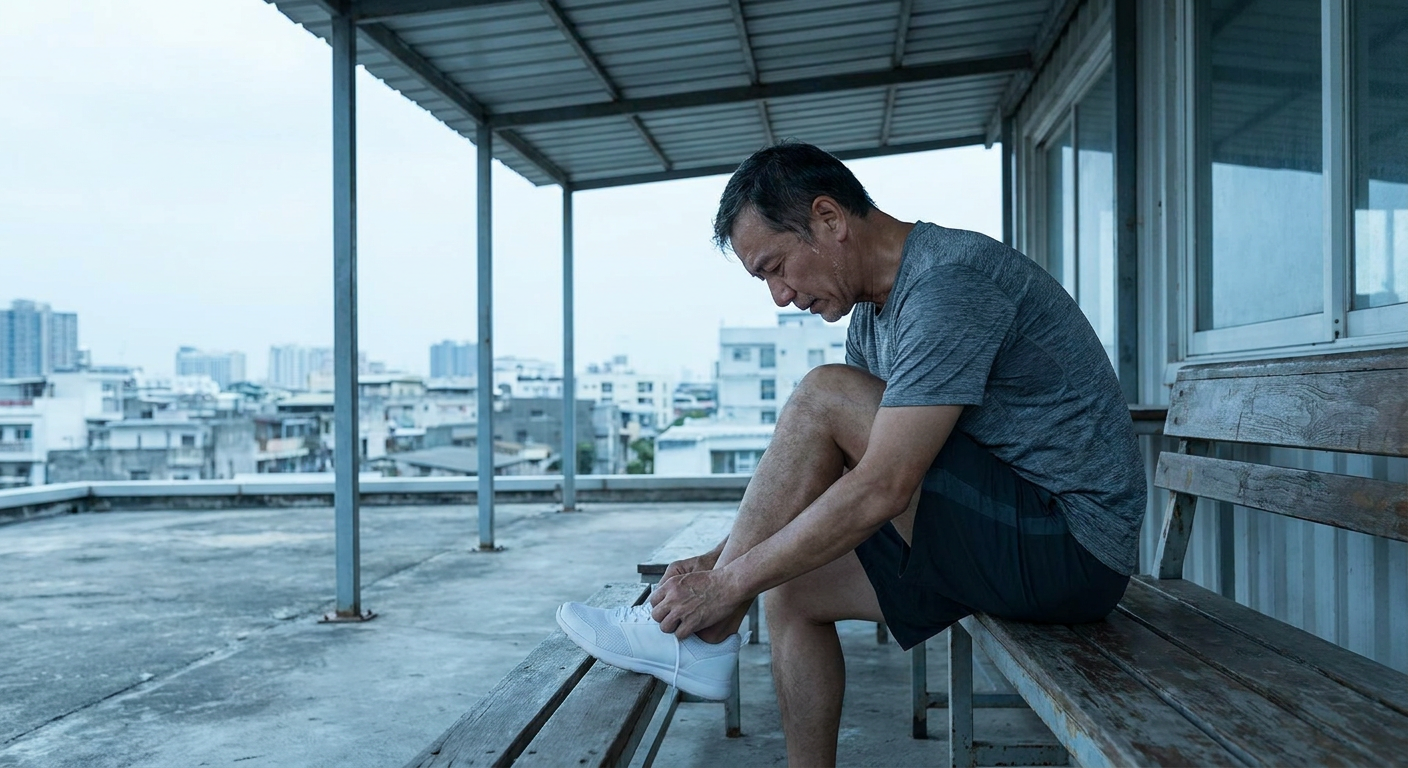
For boxers, three things create that gap faster than for regular runners. First: road surface. Boxers traditionally run on concrete or asphalt because that’s what’s available at 5am. Both surfaces return more impact force to the foot than grass or a running track. Second: footwear. A lot of fighters run in their training shoes or even their cross-trainers, which often have less cushioning than dedicated running shoes and wear unevenly from lateral movement on the gym floor. Third: volume spikes. The standard boxing training cycle means some weeks are heavier than others, and roadwork often gets increased when a fight or a test is approaching. Jumping from three miles to six miles in a week is exactly the pattern that precedes shin splint flare-ups.
There’s also a biomechanical layer. Boxers develop a particular gait. Stance work and lateral footwork drills train a slightly turned-out foot position and a bouncy, forefoot-weighted movement pattern. When you take that gait out for a long road run, you’re loading your shins in a different plane than the one your body expects. Pronation and supination patterns matter too. If you’ve been told you have flat arches, or if your shoes wear down on the inner edge, your posterior tibialis is working overtime to stabilize your arch with each step, and that muscle connects directly to the tibia.
Coach Freddie Roach has talked about fighters who overtrain their road miles early in a camp and then limp through the final weeks compromised. The problem isn’t dedication. It’s timing. Increasing mileage when a fight is close is the opposite of what the body needs, but it’s what boxers instinctively want to do. The bones need weeks to respond to new load. Motivation doesn’t speed that up.
The diagnosis
Not all shin pain is the same, and getting this wrong costs you time. There are three things that produce anterior lower leg pain in boxers, and they require different responses.
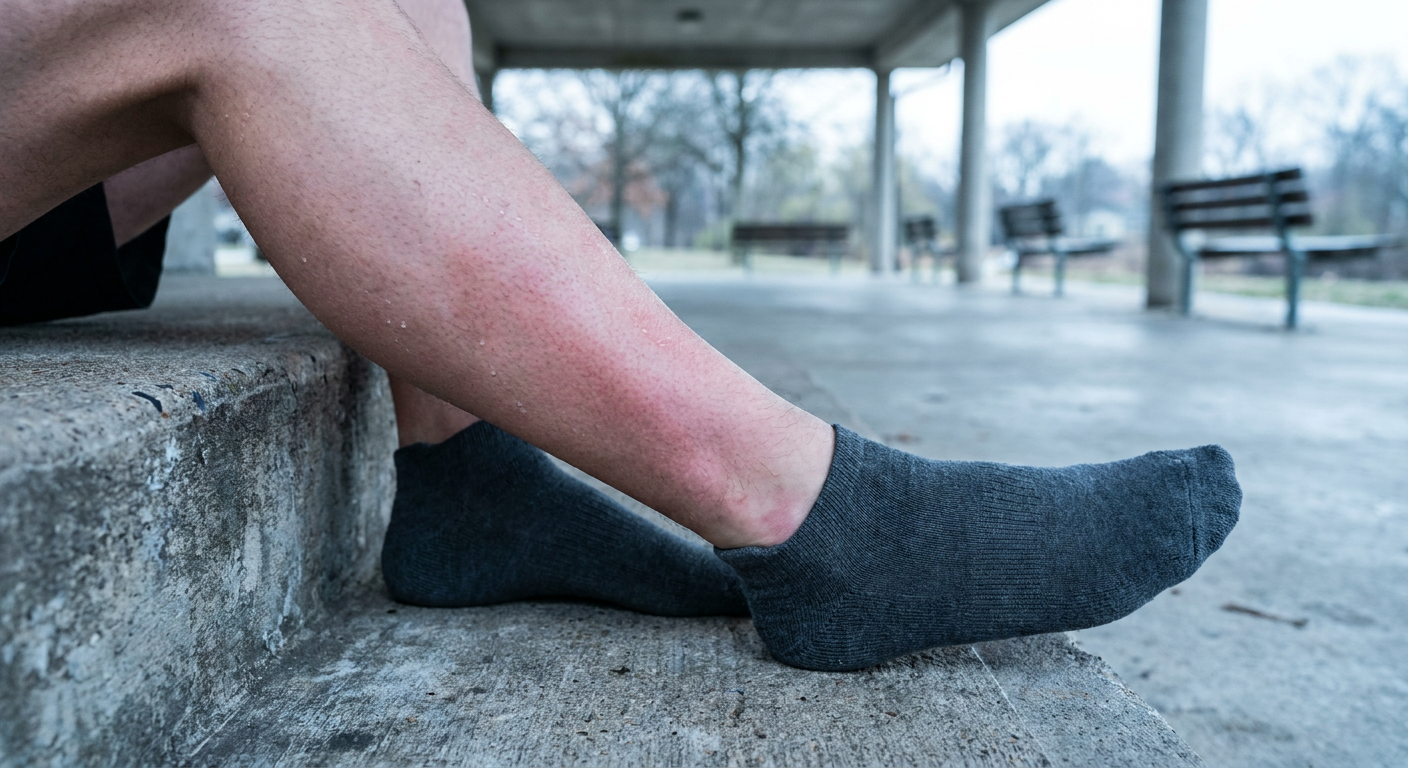
Medial tibial stress syndrome (shin splints). Pain along the inner border of the shinbone, usually diffuse across a stretch of four to six centimetres rather than a sharp point. It’s worse at the start of a run, sometimes eases in the middle as things warm up, then returns afterward. Pressing along the tibia with your thumb reveals a tender band rather than one precise spot. This is the most common presentation and the one this article focuses on.
Compartment syndrome (exertional). Pain that builds during a run and forces you to stop. It often feels like tightness or pressure, sometimes with numbness in the foot. It relieves quickly with rest but returns the moment you start again. This is a different problem entirely, caused by pressure buildup inside the muscle compartments, and it needs a sports medicine assessment. Don’t try to train through it or self-treat it as shin splints.
Stress fracture. Point tenderness at a precise spot, not a diffuse area. Often worse with impact. Pain can wake you at night. If hopping on one foot causes sharp pain at a single location on the shin, stop running and see a doctor. A stress fracture will not resolve with active recovery, and continuing to run on it leads to a complete fracture. A plain X-ray will often miss early stress fractures; an MRI or bone scan confirms it. If there’s any doubt, treat it as a stress fracture until proven otherwise.
Assuming you’ve ruled out the latter two, the self-test for medial tibial stress syndrome: run your thumb firmly down the inner edge of your shinbone. Diffuse soreness across a reasonable stretch? Shin splints. One specific point of sharp pain? Get it scanned. The distinction matters and takes about thirty seconds to check.
The fix
Recovery from shin splints doesn’t require six weeks of nothing. It requires a structured reduction in load while keeping your conditioning alive through lower-impact alternatives. Here’s how to do that without losing everything you’ve built.
Week 1-2: cut impact, keep fitness
Stop road running completely. This is not negotiable. Every mile you add is adding more micro-stress to a structure that’s already behind on its repair cycle. Instead, switch to swimming, pool running (aqua jogging), or cycling. These get your heart rate into the same ranges as roadwork without the ground impact. Pool running is particularly useful because it mimics the motor pattern of running without loading the tibia at all.
At the gym, avoid jump rope entirely. Skipping is high-impact and loads the shin in a repetitive bounce pattern. Footwork drills on sprung floors are borderline, and footwork on concrete is off the table. Shadowboxing from the waist up is fine. Heavy bag work is fine if you’re not doing heavy Muay Thai round kicks, which torque the lower leg. Pad work is fine.
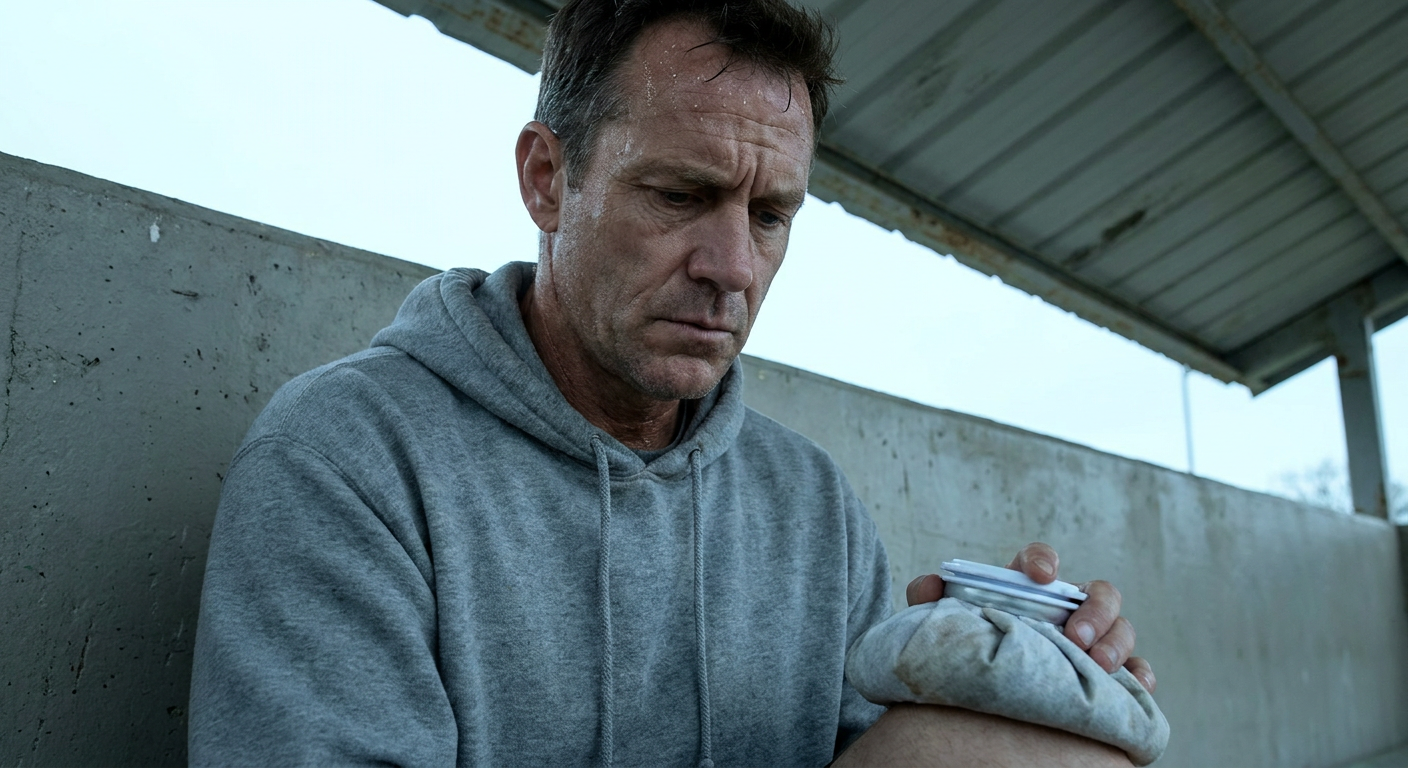
Ice the affected area for fifteen minutes twice a day. Not on the skin directly, wrapped in a cloth. The evidence on icing for bone-adjacent injuries is more useful than for purely muscular problems because it reduces periosteal inflammation.
Two exercises that help during this phase. The first is toe-tapping: seated, tap your toes on the floor repeatedly for two to three minutes. This works the tibialis anterior with minimal load and maintains blood flow to the area. The second is calf raises on a step, slow and controlled, three sets of fifteen. Strong calves and soleus absorb more impact during each footstrike, which is exactly the capacity you want to rebuild before you return to running. Research published in the British Journal of Sports Medicine on tibial stress injury management consistently finds that calf strengthening alongside load reduction shortens return-to-sport timelines. (British Journal of Sports Medicine: tibial stress injury review)
For conditioning, use the structured deload templates from our burnout recovery guide as a framework. The principle is the same: replace impact with volume at lower intensity, not complete rest.
Week 3-4: graded return to running
When the diffuse tenderness along the tibia has reduced significantly (not gone, but meaningfully better), you can begin reintroducing running. Soft surface first: grass or a running track. Not concrete. Not the road.
The rule here is to keep intensity low and stop at the first sign of pain. A run that produces zero pain during and minimal discomfort the following morning is a successful session. A run that produces pain during is not. Start with ten to fifteen minutes. Add five minutes every two to three sessions, not every session. The bone adaptation timeline runs on a weekly rhythm, not a daily one.
Footwear matters now more than it did before. If you’ve been running in beat-up trainers or cross-trainers, this is when to replace them. A proper running shoe with a heel drop appropriate for your gait removes a meaningful amount of stress from the shin during each footstrike. You don’t need expensive specialist analysis. A standard cushioned road running shoe from a reputable brand is fine. What you don’t want is a minimal, zero-drop shoe during a shin splint recovery, because those increase forefoot loading significantly.
Jump rope technique matters a lot for shin loading too. When you do return to skipping, land on the balls of your feet but don’t lock your knees. A slight bend absorbs shock. Landing with stiff legs transfers everything straight into the shin. Most boxers who get shin splints from skipping are landing too hard and too flat.
Long-term: stop it coming back
Shin splints that return repeatedly aren’t bad luck. They mean something structural in your training hasn’t changed. Three things worth addressing.
Mileage caps. A common guideline in running literature is not to increase weekly mileage by more than ten percent in a single week. Boxers ignore this because nobody writes it on the gym whiteboard. Write it on your gym whiteboard. If you ran fifteen miles last week, twenty miles this week is already too fast. Your bones don’t care how motivated you feel.
Surface rotation. Pure road running is the hardest option for your shins. Adding one grass session per week makes a difference over a training block. If you have access to a running track, use it. The surface absorbs meaningfully more impact than tarmac.
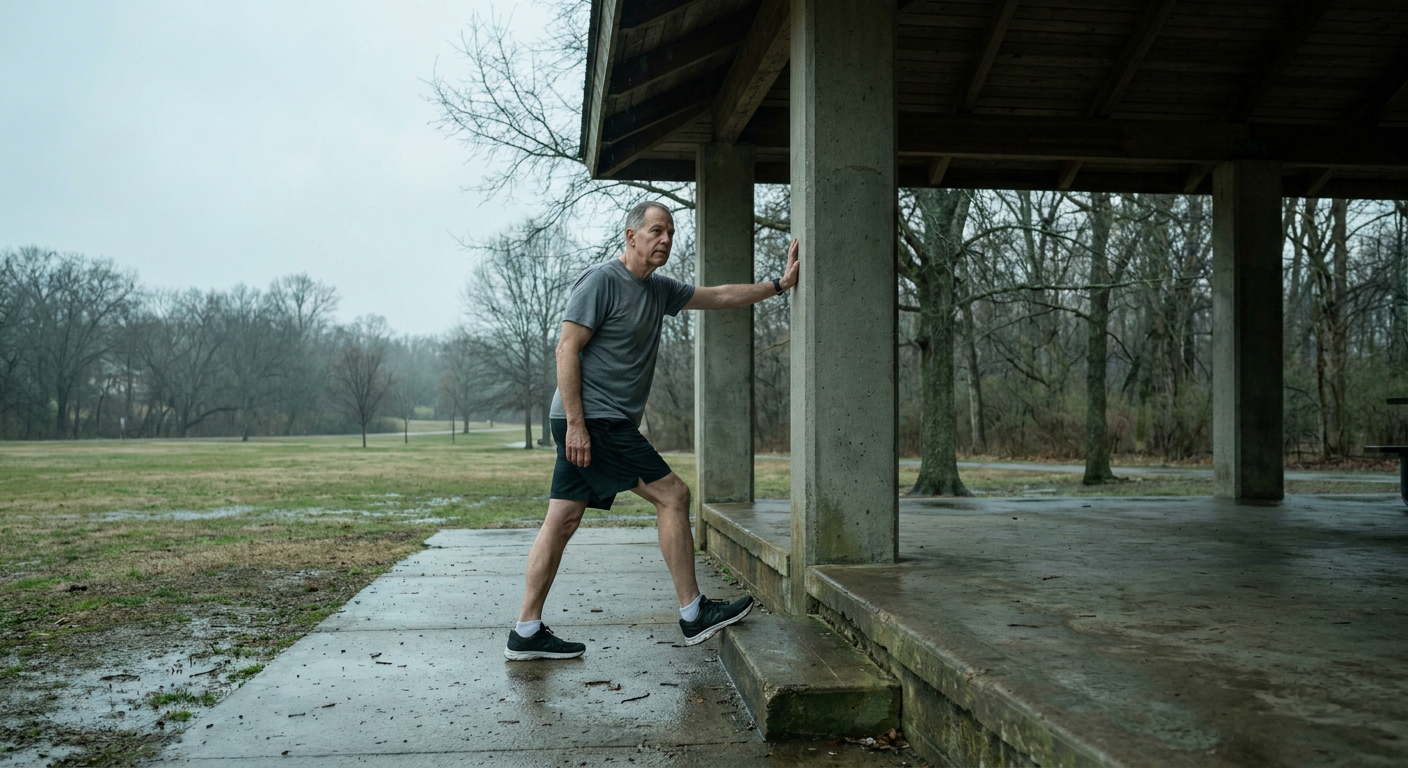
Hip and ankle mobility. Tight hip flexors alter your running gait in ways that increase tibial loading. Stiff ankles reduce dorsiflexion, which shifts impact up the chain. Spending ten minutes on hip flexor stretches and ankle circles after bag sessions costs nothing and pays off over a training block. Our boxing recovery and rest day guide covers the full post-session routine worth building in.
One more thing. If you’ve had multiple bouts of shin splints and none of this makes it better, get your running gait assessed. A session with a sports physio or a running gait specialist costs less than two weeks of private training and often reveals a fixable mechanical issue, excessive heel strike, significant pronation, poor hip stability, that no amount of stretching or surface-swapping will solve on its own.
If you want to manage your roadwork more precisely during recovery, the round timer at heavybag.pro/boxingtimer/ lets you structure timed interval sessions that keep your aerobic conditioning moving while you’re off the road. Pool running intervals, bike intervals, bag rounds with technical focus: all of it works with a proper timer structure instead of guessing when to stop and rest.
Worth noting: overuse injuries in combat sports tend to cluster. Fixing your roadwork pattern often means fixing your overall training volume across the week, not just your running. If you’re dealing with multiple niggles at once, the problem is almost always recovery time, not effort.
Before you go back to full training
Do this check before you declare yourself recovered. One-leg hop on the affected side. Does it hurt? If yes, you’re not done. Jog in place for a minute. Pain? Not done. Run at your normal road pace for five minutes on grass. Any shin pain during or noticeably worse the next morning? Not done.
When those tests clear, you can return to normal roadwork. Keep one eye on the mileage increase rule. Replace one road session per week with a softer surface for a month. The injury you fix and prevent coming back is worth more than any single week of extra mileage.