
The Problem Every Solo Boxer Faces
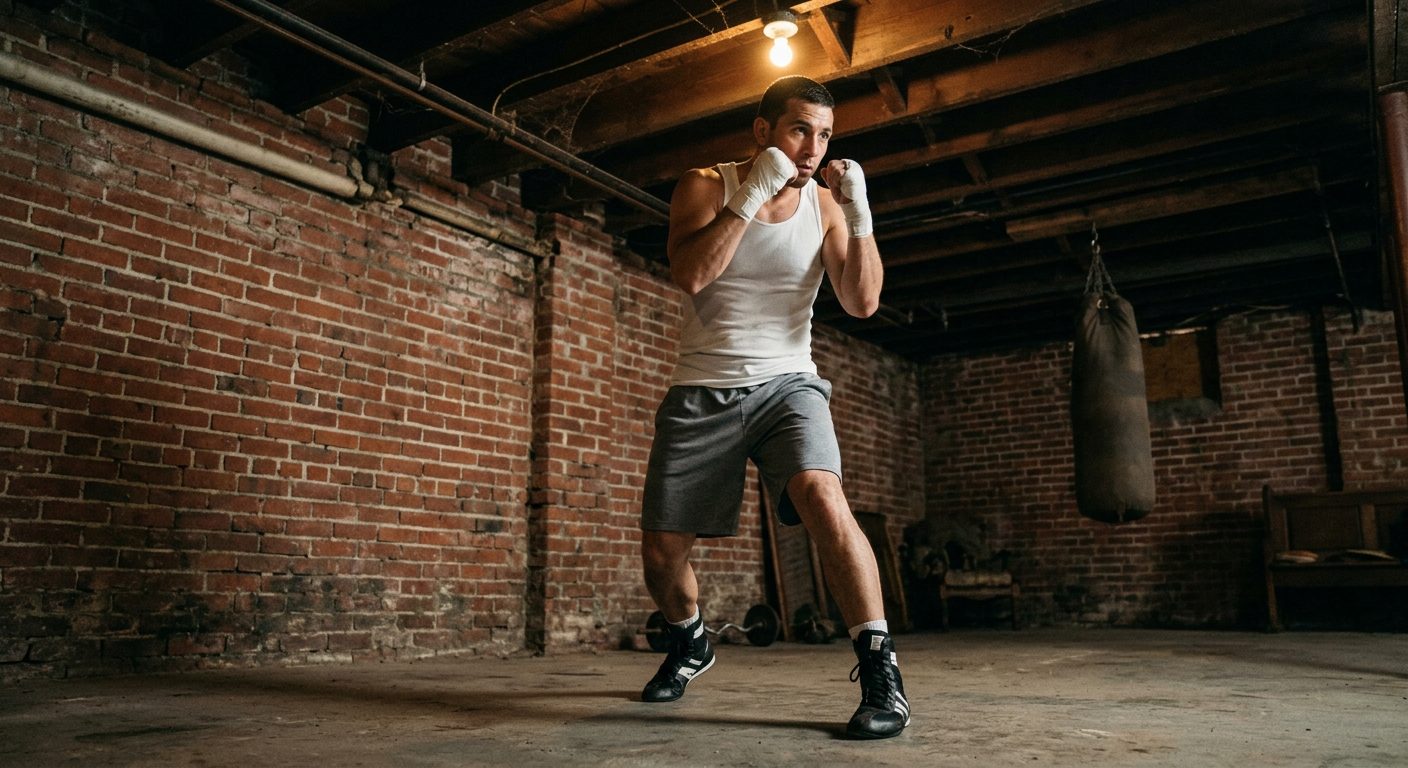
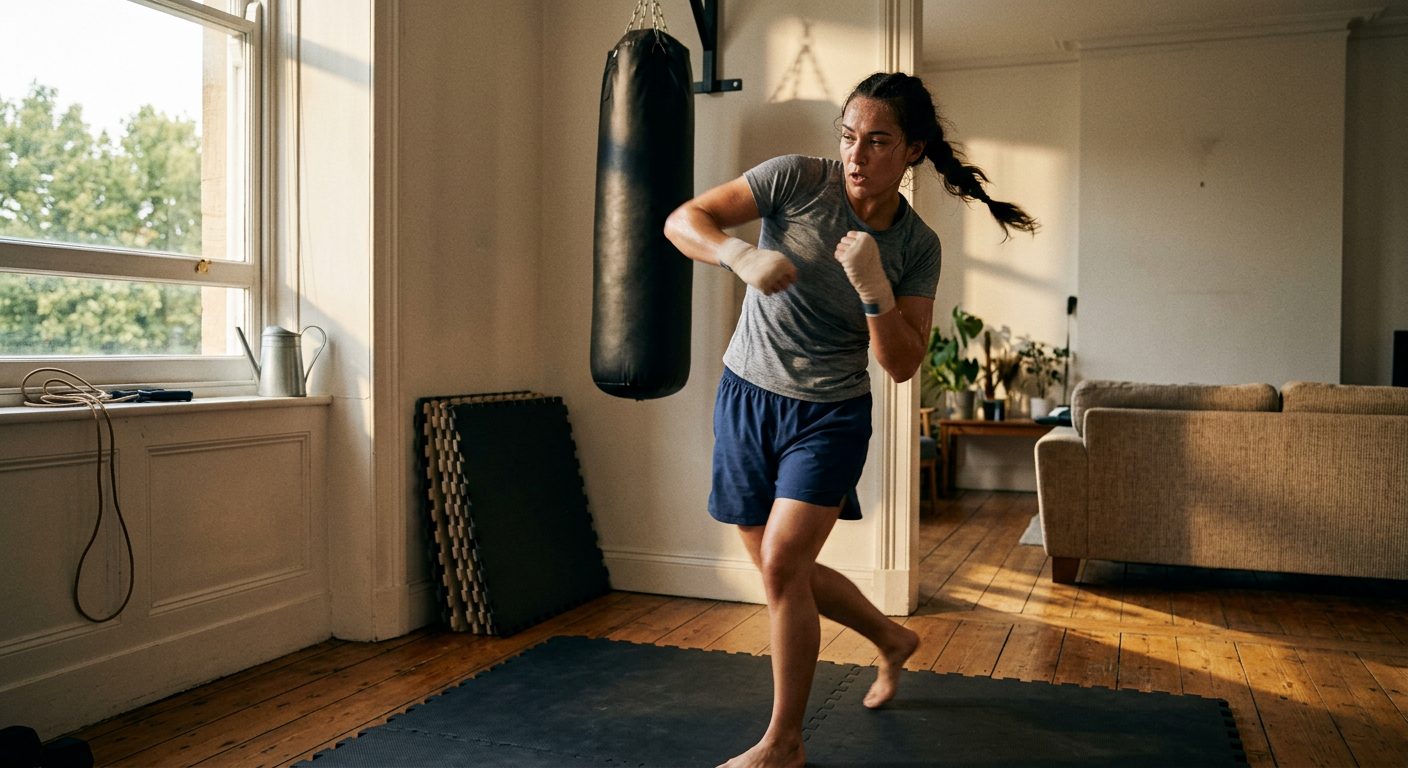
You’re throwing punches in your garage, basement, or living room. Each combination feels smooth in your head, but something’s off. Your shoulders ache after five minutes. Your balance feels wonky on the pivot. You catch a glimpse of yourself in the mirror mid-hook and cringe.
Without a coach standing ringside, how do you know if you’re building good habits or drilling mistakes into muscle memory? Most boxers wing it and hope for the best. Smart fighters learn to coach themselves.
Why Self-Coaching Actually Works
Professional boxers spend hours analyzing their own footage between sessions with trainers. They develop an internal sense for what feels right versus what looks right. According to research published in the Journal of Sports Medicine, self-monitoring and visual feedback significantly improve motor skill acquisition in combat sports. The goal isn’t to replace expert coaching — it’s to maximize the time between lessons and catch obvious flaws before they become ingrained patterns.
Self-correction works best with shadowboxing because there’s no bag impact to mask poor mechanics. Every punch, slip, and step gets isolated. You feel the timing, balance, and flow without external resistance clouding the feedback.
Set Up Your Self-Coaching Environment
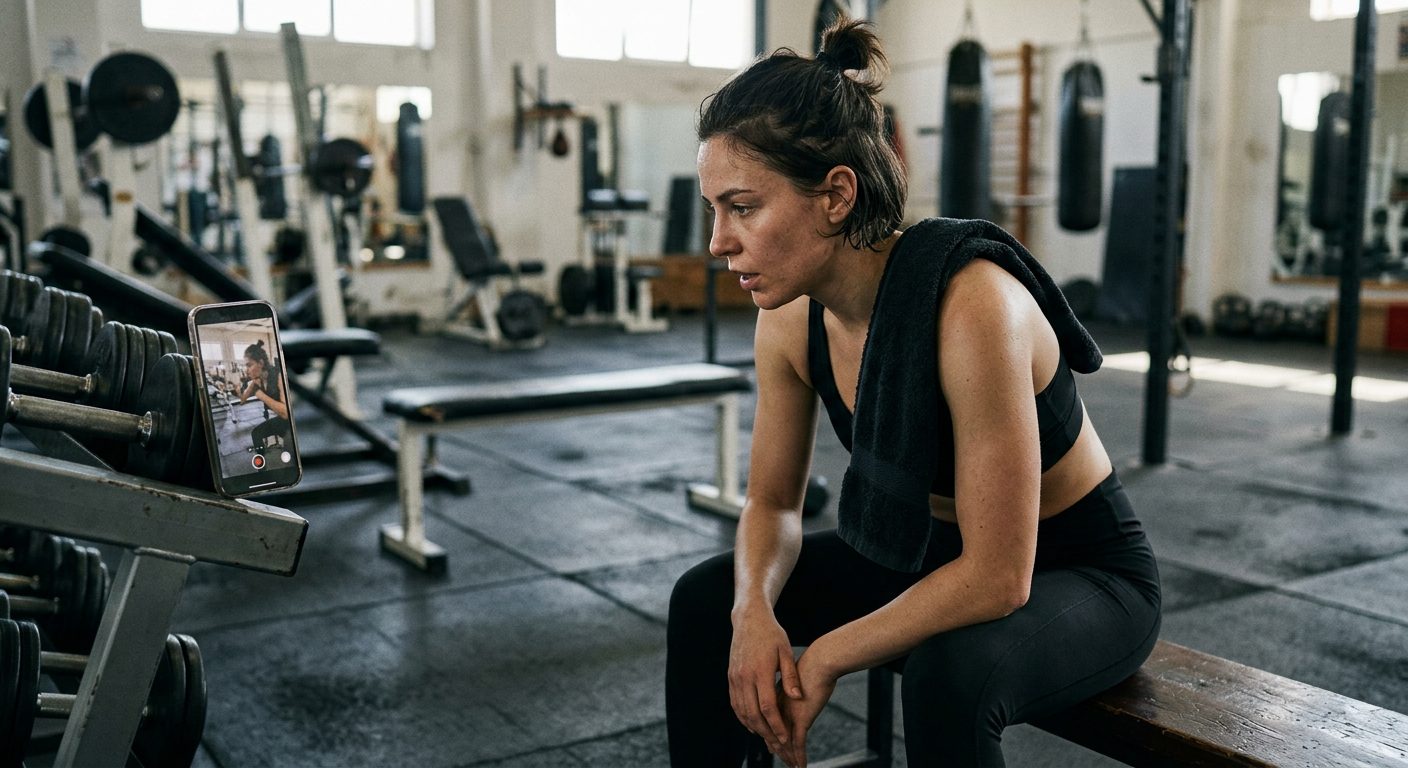
Find a mirror large enough to see your full body from the side and front. A bathroom mirror works if you have space. Phone cameras work too — prop yours against something stable and hit record for later review.
Clear enough floor space to move freely in all directions. You’ll need room to pivot, step, and throw full combinations without hitting furniture. A structured round timer like the one at heavybag.pro/boxingtimer/ helps break sessions into focused segments rather than just throwing punches until you’re tired.
Good lighting matters more than you’d expect. Shadows hide form flaws. Position yourself so you can clearly see your reflection and any recording you make.

The Five-Point Form Check System
1. Stance and Guard Reset
Every 30 seconds, freeze mid-combination and check your foundation. Are your feet shoulder-width apart with your lead foot slightly forward? Is your rear heel lifted just enough to push off quickly? Are both hands protecting your chin and solar plexus?
Common self-corrections: feet too wide (makes you slow), feet too narrow (kills balance), hands dropping during combinations, weight sitting too far back on the rear foot.
2. Shoulder and Hip Coordination
Throw single punches in slow motion and watch how your torso moves. Your rear shoulder should drive the cross. Your lead shoulder should snap the jab. Hip rotation should initiate power punches, not just arm movement.
If your punches look like arm-only movements, you’re missing the kinetic chain that generates real power. Reset your stance and focus on turning your hips first, then letting the punch follow.
3. Head Movement Flow
After every 2-3 punch combination, your head should be in a different position than where you started. Slip left, right, duck, or lean back as you throw. Static head positioning makes you an easy target.
Watch for these patterns: throwing combinations while standing straight up, always slipping the same direction, moving your head after the combination instead of during it.
4. Foot Position After Movement
Every step, pivot, or angle change should leave you in proper fighting stance. Check your feet after practicing footwork drills. If you’re off-balance or have your feet too close together, you can’t throw effective follow-up punches.
Practice this: throw a 1-2, step to the right, freeze. Can you immediately throw another combination from this new position? If not, your footwork needs work.
5. Breathing and Rhythm
You should exhale sharply on every punch and maintain steady breathing between combinations. If you’re holding your breath or gasping after 30 seconds of shadowboxing, you’re either going too hard or too tense.
Smooth fighters make shadowboxing look effortless. They’re not straining or throwing every punch at 100% intensity. They’re grooving the movement patterns and timing.
Common Shadowboxing Mistakes to Catch
The “Phantom Heavy Bag” Problem
Many fighters shadowbox like they’re hitting a stationary target. They plant their feet, throw combinations straight ahead, and never move their head or change angles. Real opponents move, so your shadowboxing should reflect that reality.
Fix: Imagine specific scenarios. Visualize slipping a jab and countering, or cutting off a retreating opponent. Make your movement purposeful rather than just throwing punches at empty air.
Going Too Hard, Too Fast
Shadowboxing isn’t conditioning work. It’s skill practice. Throwing every punch at maximum speed and power defeats the purpose. You lose the ability to self-correct because everything happens too quickly to analyze.
Start at 60% speed and 40% power. Focus on perfect technique. Speed comes naturally when the movement patterns are grooved correctly.
Ignoring Distance Management
Effective shadowboxing includes stepping in and out of range. Practice throwing combinations as you step forward, then immediately create distance. Many fighters only practice offense and forget that controlling space is half the game.
Video Review: Your Best Teaching Tool
Record 30-60 second clips of your shadowboxing from multiple angles. Side-view shows your stance, hip rotation, and forward-backward movement. Front view reveals head movement, hand positioning, and left-right balance.
Watch the footage immediately after training while the feeling of each movement is still fresh. Compare what you see with what you felt. Often there’s a disconnect — punches that felt crisp look sloppy, or movements that felt awkward actually looked smooth.
Don’t try to fix everything at once. Pick one technique flaw per session and focus exclusively on that element. Common targets: dropping the rear hand during jabs, leaning too far forward on hooks, stepping too wide on lateral movement.
Slow-Motion Analysis
Most phone cameras can record in slow motion or allow frame-by-frame playback. Use this feature to break down complex movements. Watch how your weight shifts during a cross, or how your head position changes during defensive movement.
Pay special attention to the transition moments between punches. That’s where most technique flaws show up — poor recovery, exposed positioning, or rushed timing.
Building Progressive Self-Coaching Sessions
Beginner Structure: Master the Basics
Start with 2-3 round sessions focused on single techniques. Round 1: jab only, checking form every 30 seconds. Round 2: cross only. Round 3: jab-cross combination with emphasis on smooth transitions.
This approach lets you isolate and perfect individual elements before combining them into complex sequences.
Intermediate Structure: Combination Flow
Practice 4-6 round sessions with specific combination themes. Round 1: jab-cross-hook combinations. Round 2: the same combinations with defensive movement added. Round 3: incorporating footwork and angles.
Each round builds on the previous one, adding layers of complexity while maintaining focus on the core techniques.
Advanced Structure: Scenario Training
Design rounds around specific fighting situations. Practice pressuring a retreating opponent, countering an aggressive fighter, or working in close range. The Heavy Bag Pro app includes guided scenario-based rounds that walk you through these tactical situations with audio cues.
The Mirror vs Video Debate
Live mirror feedback and video review serve different purposes. Mirrors show you real-time positioning and help with immediate corrections. Videos reveal timing, rhythm, and movement patterns that are hard to catch while you’re focused on throwing punches.
Use mirrors for stance work and basic technique drilling. Use video for analyzing flow, combinations, and overall movement quality. Most effective self-coaches combine both tools rather than relying on just one.
Internal Links for Further Reading
Understanding proper shadowboxing form connects to several other fundamental skills. Our complete shadow boxing guide covers the mental aspects of visualization and opponent simulation. Footwork fundamentals form the foundation that every other technique builds upon.
For fighters dealing with limited training space, solo training strategies offer ways to maximize practice time between shadowboxing sessions.
When Self-Coaching Isn’t Enough
Self-analysis has limits. Complex defensive techniques, advanced combinations, and sparring strategy require expert eyes and live feedback. Think of self-coaching as a supplement to professional instruction, not a replacement.
If you notice the same technical problems appearing repeatedly despite focused work, it’s time to seek outside help. Sometimes an ingrained habit needs external intervention to break.
For fighters preparing for competition, video analysis becomes even more critical. Recording sparring sessions and breaking down performance patterns helps identify strengths to leverage and weaknesses to address.
Making It a Habit
Effective self-coaching requires consistency and honest self-assessment. Set aside time for technique-focused shadowboxing separate from your conditioning work. Make it as routine as wrapping your hands.
Track your observations in a training log. Note which techniques feel smooth, which ones need work, and what specific adjustments improved your form. This documentation helps you see progress over time and prevents you from forgetting valuable insights between sessions.
The goal is developing an internal coach that guides you through training even when you’re working alone. With practice, you’ll catch mistakes immediately instead of drilling them into muscle memory. You’ll feel the difference between good technique and poor technique, making every training session more productive.
Perfect shadowboxing form doesn’t happen overnight, but consistent self-analysis accelerates the learning process. Combined with the right training structure and realistic self-expectations, you can make significant technical improvements without leaving your garage, basement, or living room.