
Walking into a boxing gym for your first sparring session feels like entering uncharted territory. The rhythmic thud of leather on flesh, the sharp whistle of breath through mouthguards, and the unmistakable energy of controlled violence fill the air. You’ve mastered the basics, drilled combinations until muscle memory took over, and now it’s time to test those skills against another human being.
But here’s the thing about sparring: the unwritten rules matter just as much as your jab-cross-hook combinations. Every gym has “that guy” – the one who treats light technical work like a title fight, ignores safety protocols, or generally makes everyone else’s training experience worse. Don’t be that guy.
Sparring etiquette isn’t just about politeness. It’s about building a training environment where everyone can improve safely, where egos take a backseat to education, and where respect flows both ways regardless of skill level. Master these unspoken rules, and you’ll not only become a better fighter but also the kind of training partner everyone wants to work with.
Understanding Different Types of Sparring
Not all sparring is created equal, and recognizing the different intensities is crucial for proper gym behavior. Light technical sparring focuses on timing, distance, and technique at maybe 20-30% power. Medium sparring ramps up to 50-60% intensity while maintaining control. Hard sparring approaches fight-level intensity and should only happen between experienced fighters with explicit agreement.
The cardinal rule: always match your partner’s intensity level. If they’re moving slowly and working on timing, you do the same. If someone throws a light jab, don’t respond with a power hook that rattles their teeth. This isn’t about winning or losing – it’s about mutual improvement.
Most gym sparring falls into the light-to-medium category, especially for beginners and intermediate fighters. Heavy sparring should be rare and reserved for pre-fight preparation or very experienced training partners who specifically agree to that level of intensity.
The Pre-Sparring Conversation
Before gloves touch, have the conversation. This simple exchange can prevent 90% of sparring problems: “What are we working on today?” or “Light technical?” These few words establish expectations and show respect for your partner’s goals.
If you’re working on specific techniques, say so. “I’m focusing on my jab today” or “Can we keep it to body shots?” Your partner should accommodate reasonable requests, just as you should accommodate theirs. Some fighters might be coming back from injury, preparing for a specific fight, or simply having an off day.
Discuss pace and intensity explicitly. Don’t assume everyone shares your definition of “light” sparring. What feels controlled to a 200-pound fighter might feel heavy to someone half that size. Be specific about percentages or use clear language like “flow sparring” or “timing work.”
Fundamental Safety Protocols
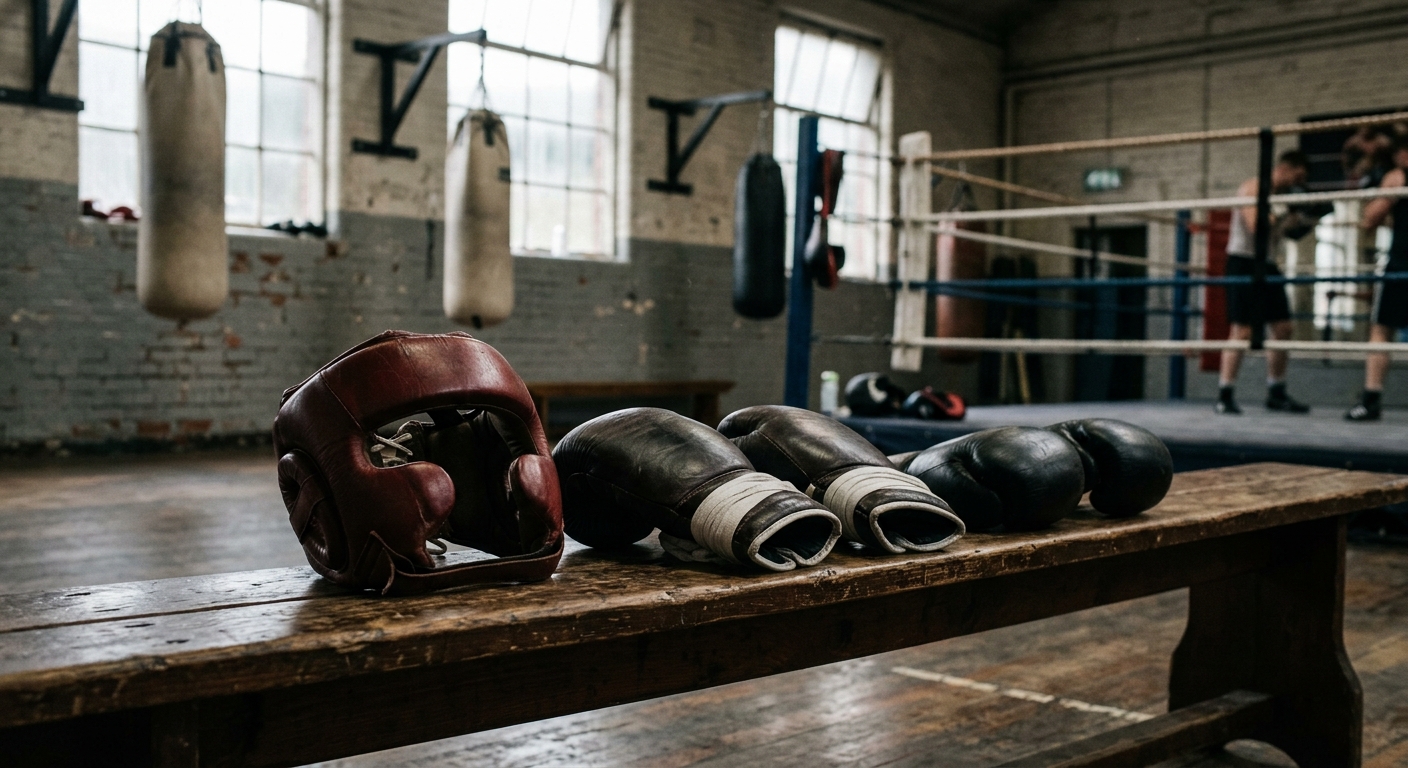
Safety protocols aren’t suggestions – they’re non-negotiable rules that keep everyone healthy and training consistently. Always wear proper protective gear: headgear, mouthguard, and appropriate glove weight (usually 16oz for sparring). If your gym requires additional protection like shin guards for kickboxing sparring, use it without complaint.
Respect the “stop” or “time” call immediately. Whether it comes from your partner, the coach, or a training timer, freeze when you hear it. No “one more punch” or trying to land something as the round ends. This instant response to stop commands builds trust and prevents injuries.
Keep your shots controlled and purposeful. Wild swinging has no place in training sparring. Every punch should be deliberate, with proper technique and appropriate power for the agreed-upon intensity level. If you find yourself getting excited and throwing harder, take a breath and dial it back.
Power Control and Targeting
Learning to punch with precise power control is one of the most important skills in sparring. You should be able to throw the same combination at 10%, 50%, or 80% power depending on what the session requires. This takes practice, but it’s essential for being a good training partner.
Target selection matters too. Stick to traditional sparring targets: head and body above the belt. Avoid targeting the back of the head, spine, or below the belt unless you’re specifically doing leg kick work in a kickboxing context. When in doubt, aim for the gloves or shoulders – these make great targets for practicing accuracy without causing damage.
Be especially careful with power shots to the head. Even in medium sparring, head shots should be controlled and purposeful. The goal is to touch your target, demonstrate timing, and work on defensive reactions – not to concuss your training partner.
Reading Your Partner’s Signals
Good sparring partners develop the ability to read subtle signals during training. If your partner starts backing up more, covers up defensively, or reduces their output, they might be getting overwhelmed. Match their energy and give them space to recover.
Watch for signs of fatigue or distress. Heavy breathing, dropping hands, or stumbling are clear indicators to ease up or offer a break. Some fighters are too proud to ask for a breather, so be the observant partner who recognizes when it’s time to slow down.
Pay attention to skill level differences too. If you’re clearly more experienced, use the opportunity to work on your defense, try new combinations, or focus on specific techniques rather than overwhelming a less skilled partner. Remember, helping others improve ultimately makes you better too.
Respecting Skill Level Differences
Every gym has fighters at different skill levels, from complete beginners to seasoned veterans. How you approach sparring with each group says everything about your character as a training partner and fighter.
When sparring with beginners, slow everything down. Use basic combinations, give them time to work, and focus on defense rather than overwhelming offense. Beginners learn more from seeing clear, controlled technique than from being overwhelmed by advanced combinations at speed.
With more experienced partners, be ready to step up your game appropriately. They might move faster, use more complex combinations, or apply more pressure. Match their level while staying within the agreed-upon intensity range.
Never use sparring as an opportunity to “teach someone a lesson” or prove your toughness. The goal is mutual improvement, not domination. If someone needs correction, let the coaches handle it – your job is to be a good training partner, not an enforcer.
Communication During Rounds
Effective communication during sparring rounds can prevent problems and enhance learning. Simple verbal cues like “good shot” or “nice defense” build positive energy and help both fighters relax into the flow of sparring.
If something isn’t working, communicate immediately. A simple “lighter” or “slow down” should be respected instantly. Don’t let frustration build – address issues in the moment with clear, respectful communication.
Some gyms encourage talking during sparring rounds, while others prefer silence. Follow your gym’s culture, but always prioritize clear communication about safety or intensity adjustments over cultural norms.
Post-Sparring Behavior
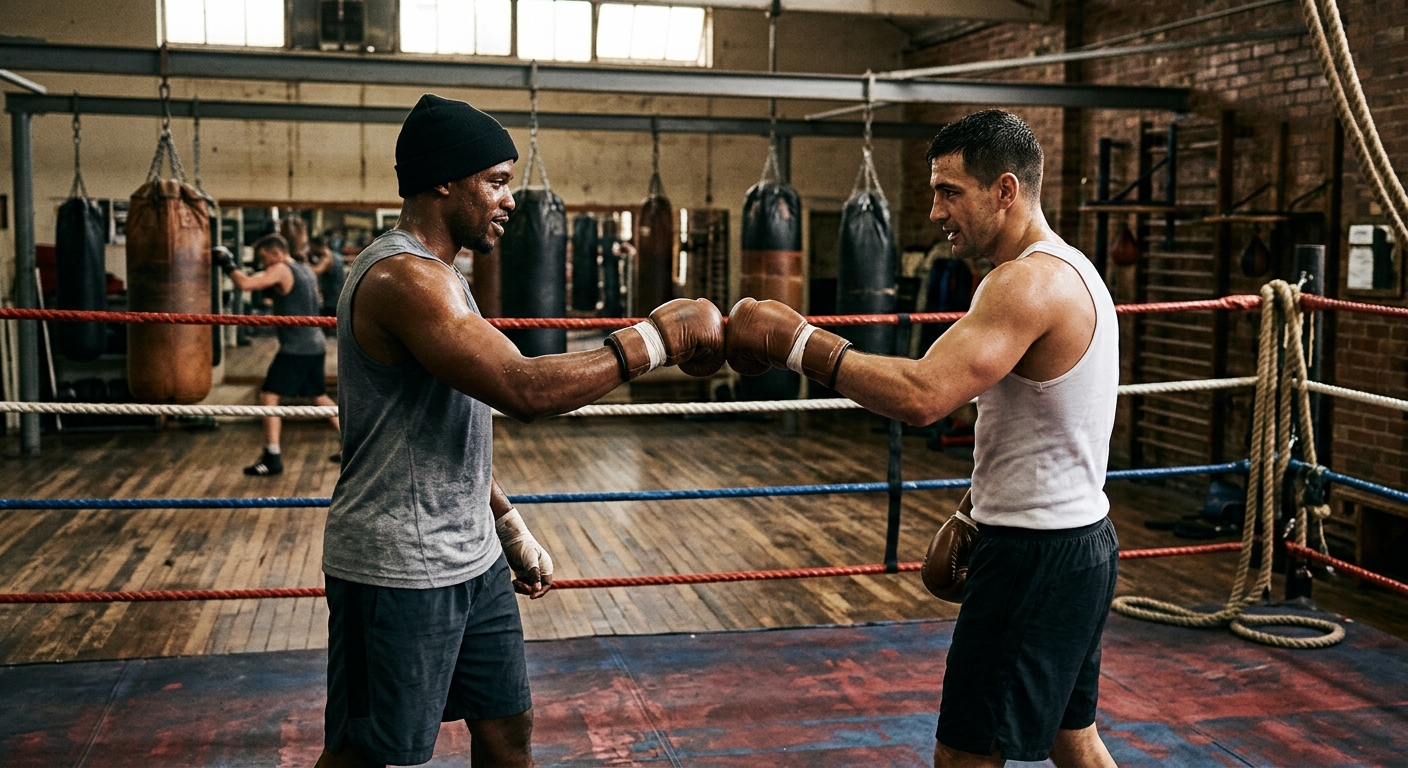
How you behave after sparring rounds often reveals more about your character than your performance during them. Always touch gloves or show respect at the end of rounds, regardless of how the sparring went. This simple gesture reinforces the collaborative nature of training.
Avoid immediately giving advice or critique unless asked. Your training partner might want to process the round themselves or get feedback from their coach. Unsolicited advice, especially from peers, often comes across as condescending even when well-intended.
If you made mistakes during the round – hit too hard, got overly aggressive, or lost control – acknowledge it briefly and sincerely. “Sorry, got carried away there” goes a long way toward maintaining good relationships and showing that you’re self-aware.
Working with Different Body Types and Styles
Sparring partners come in all shapes, sizes, and fighting styles. Each requires slight adjustments in your approach to maintain good etiquette and productive training.
When working with significantly smaller partners, be extra conscious of your power and reach advantages. Use this as an opportunity to work on accuracy, timing, and defensive skills rather than overwhelming them with size and strength.
Against larger partners, focus on movement, angles, and combination work. Don’t try to muscle your way through their defenses – use the size difference as motivation to develop better technique and ring IQ.
Different fighting styles also require adaptation. Aggressive pressure fighters might need you to work more on your defensive skills, while technical counter-punchers might encourage you to take more initiative and create openings.
The Role of Ego in Training
Perhaps the biggest factor that separates good training partners from problematic ones is ego management. Sparring isn’t competition – it’s controlled practice designed to help both participants improve. Getting “beaten up” in sparring doesn’t diminish your fighting ability; it provides valuable learning opportunities.
When you get caught with clean shots or find yourself outworked, resist the urge to escalate intensity or “get them back.” Instead, analyze what happened, adjust your approach, and continue working within the agreed parameters. This mindset shift from ego to education transforms sparring from a battle into a collaborative learning experience.
Remember that everyone has good and bad days. Sometimes you’ll be sharp and flowing; other times you might feel off or sluggish. Don’t let ego drive you to force performance on off days – adjust your expectations and focus on what you can control.
Timing Your Rounds Properly
Good sparring etiquette extends to respecting time limits and round structures. Most gyms use boxing timers or round timers to structure sparring sessions. When the bell rings to start or end rounds, respond immediately.
Don’t monopolize equipment or partners. If others are waiting to spar, keep your rounds to reasonable lengths and rotate fairly. Usually 2-3 rounds with one partner before switching is considered good gym etiquette, but this varies by gym culture and the number of people training.
Respect rest periods between rounds. Use the time to hydrate, catch your breath, and mentally reset rather than continuing to trade light shots or discuss technique extensively. Your partner needs recovery time too.
Equipment Etiquette
Proper equipment use shows respect for your training partners and the gym facilities. Always ensure your protective gear is clean and in good condition. Dirty or damaged equipment is not only disrespectful but potentially dangerous.
Share equipment thoughtfully. If the gym provides headgear or gloves, clean them before and after use. Don’t hog premium equipment if others are waiting, and always return borrowed gear to its proper place.
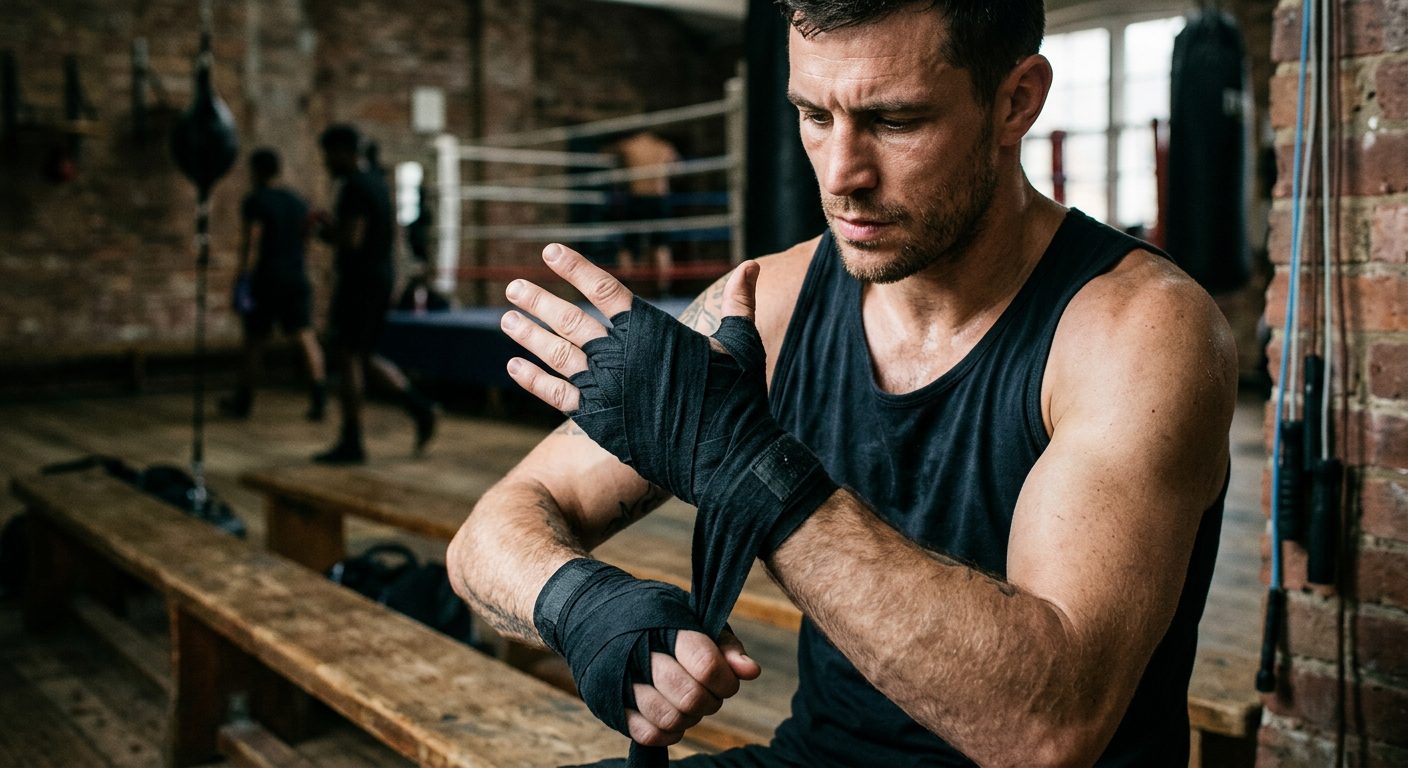
Maintain your personal equipment well. Worn-out gloves with damaged padding, torn hand wraps, or broken mouthguards compromise safety for everyone involved. Replace equipment when it shows significant wear.
Building Long-Term Training Relationships
The best sparring partners develop into long-term training relationships that benefit both fighters over months and years. These relationships are built on mutual respect, consistent good behavior, and genuine interest in each other’s improvement.
Be reliable and consistent in your approach. Partners should know what to expect when they work with you – controlled intensity, good communication, and respect for agreed parameters. This consistency builds trust and makes you a sought-after training partner.
Show genuine interest in your partners’ goals and progress. Celebrate their improvements, offer appropriate encouragement, and be the kind of supportive teammate that makes training enjoyable rather than just challenging.

When Things Go Wrong
Even with perfect etiquette, sparring sessions sometimes go awry. Someone might get carried away, miscommunicate intensity levels, or simply have an off day that affects their control. How you handle these situations defines your character as a training partner.
If you accidentally hurt your partner or exceeded agreed intensity levels, address it immediately. Stop the action, check on their well-being, and acknowledge your mistake. Don’t make excuses or try to justify what happened – take responsibility and ensure it doesn’t happen again.
When others violate sparring etiquette, avoid escalating the situation. If someone is consistently hitting too hard or ignoring safety protocols, address it verbally first. If the behavior continues, involve a coach or gym staff member rather than taking matters into your own hands.
Remember that most etiquette violations come from inexperience rather than malicious intent. New fighters often don’t understand the unwritten rules, and a patient explanation usually solves the problem more effectively than retaliation.
The Coach’s Role and Respect
Coaches play a crucial role in maintaining proper sparring etiquette, and showing them appropriate respect is essential. When a coach gives instruction during sparring, listen and implement their guidance immediately. They see things from outside the exchange that you might miss.
Don’t argue with coaching decisions about intensity, matchups, or technique corrections during sparring sessions. Save questions or disagreements for after the rounds when emotions have cooled and you can discuss things more objectively.
If you have concerns about a particular sparring partner or situation, bring them to the coach privately rather than handling them yourself during training. Coaches appreciate fighters who communicate problems constructively rather than letting issues escalate on the gym floor.
Conclusion
Mastering sparring etiquette transforms you from just another gym member into a valued training partner. These unwritten rules aren’t about being soft or overly polite – they’re about creating an environment where real learning and improvement can happen safely.
Good sparring etiquette benefits everyone: beginners learn faster, experienced fighters can work on advanced techniques, and the entire gym maintains a positive training atmosphere. You’ll find yourself invited to work with the gym’s best fighters when you demonstrate consistent respect for these principles.
Remember that sparring is a privilege, not a right. Gyms invest time and resources into creating safe environments for controlled combat training. Honor that investment by being the kind of training partner who makes everyone around you better, safer, and more enthusiastic about the sport.
The fighter who masters these etiquette principles often finds that their technical skills improve faster too. When you’re focused on being a good partner rather than winning every exchange, you relax, learn more effectively, and develop the kind of fighting IQ that can’t be taught through pad work alone.
Start implementing these principles in your next sparring session. Your training partners, coaches, and future fighting self will thank you for it.