
Essential Head Protection
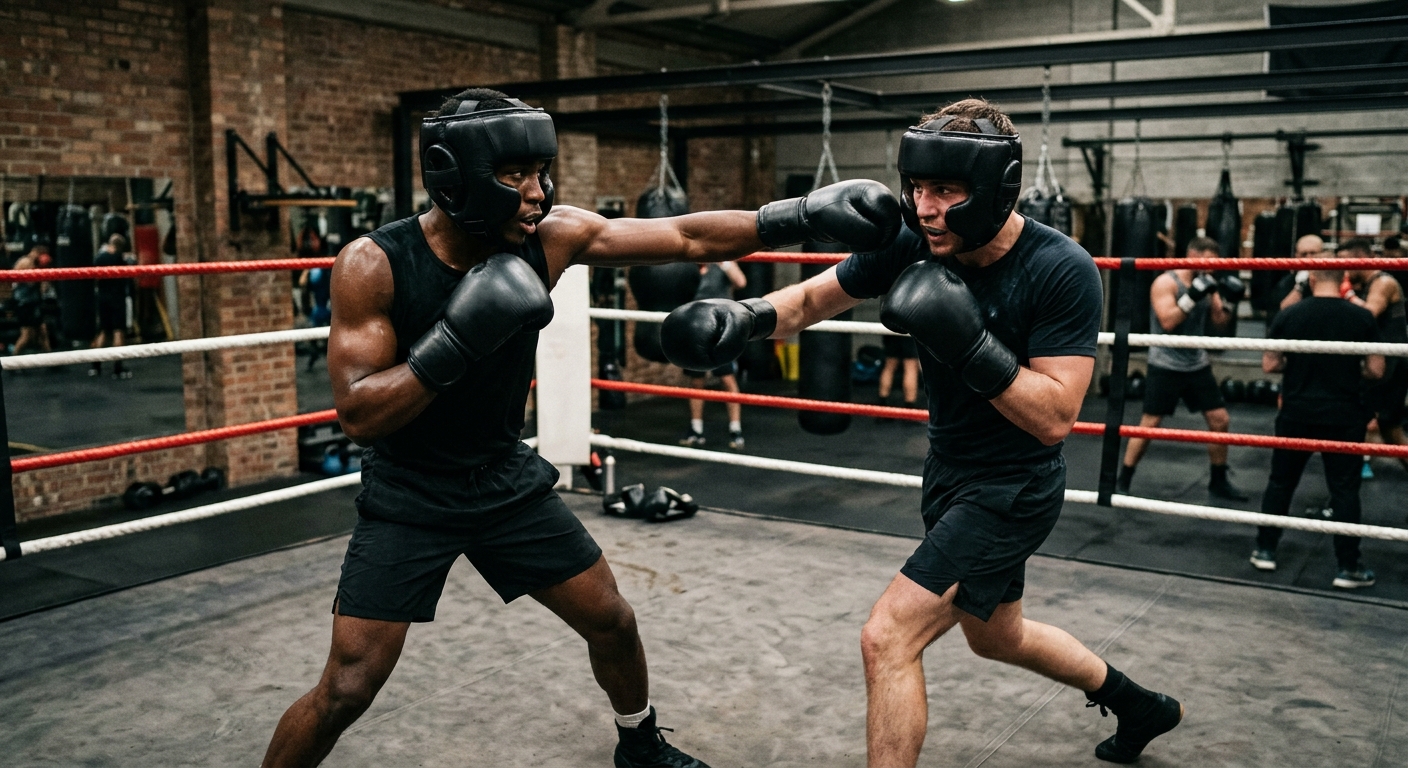
Your head is your most valuable asset in boxing, and proper protection should never be compromised. Quality headgear serves as your first line of defense against concussions and facial injuries during sparring sessions.
Boxing Headgear Requirements:
- Look for headgear with thick padding around the forehead, temples, and back of head
- Choose adjustable straps that keep the gear secure without restricting vision
- Ensure adequate ventilation to prevent overheating during intense sessions
- Consider open-face designs for better peripheral vision and communication
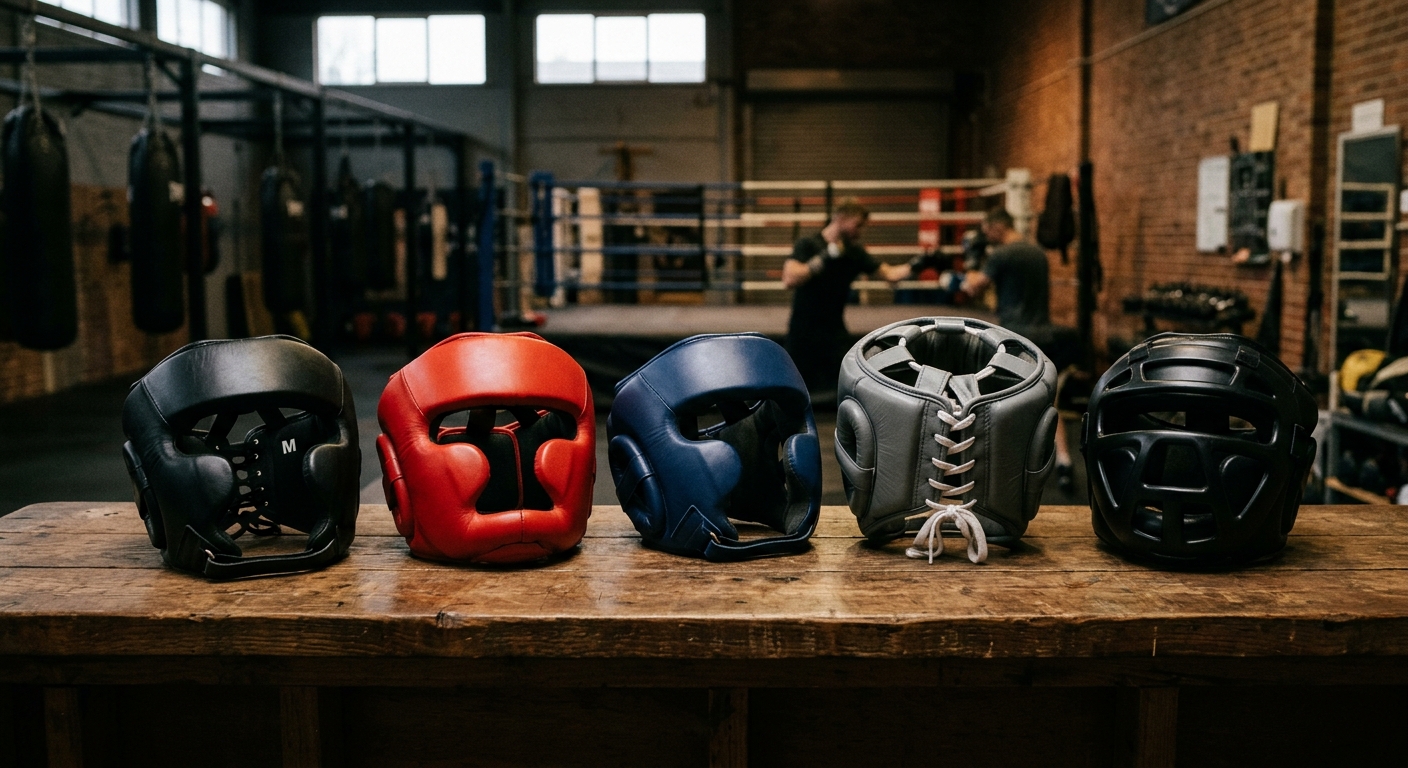
Professional brands like Winning, Grant, and Title offer superior protection, though they come at premium prices. For beginners, Everlast and Ringside provide solid protection at more accessible price points. The key is finding gear that fits snugly without causing pressure points that could distract you mid-round.
Hand and Wrist Protection
Your hands contain 27 bones each, and proper protection prevents career-ending injuries. The combination of hand wraps and appropriate gloves creates a protective shell around these delicate structures.
Hand Wrap Essentials:
- Use 180-inch Mexican-style wraps for maximum wrist support
- Learn proper wrapping technique to distribute impact across your hand
- Replace wraps every 3-6 months or when elastic begins to weaken
- Always wrap both hands, even if sparring light
Sparring Glove Selection:
Sparring gloves differ significantly from training gloves. They feature more padding in the knuckle area and softer exterior materials to reduce impact on your training partner. Most gyms require 16oz gloves for sparring, regardless of your weight class.
Quality sparring gloves should have:
- Dense foam padding that maintains shape after repeated use
- Secure velcro or lace closure systems
- Breathable interior lining to manage moisture
- Balanced weight distribution for natural hand positioning
Body Protection Equipment
While not always required in amateur boxing, body protection becomes essential when sparring includes body shots or when training with heavier hitters.
Body Protector Features:
- Covers ribs, solar plexus, and kidney areas
- Adjustable sizing for proper fit across different body types
- Lightweight construction that doesn’t restrict movement
- Easy to clean materials for hygiene maintenance
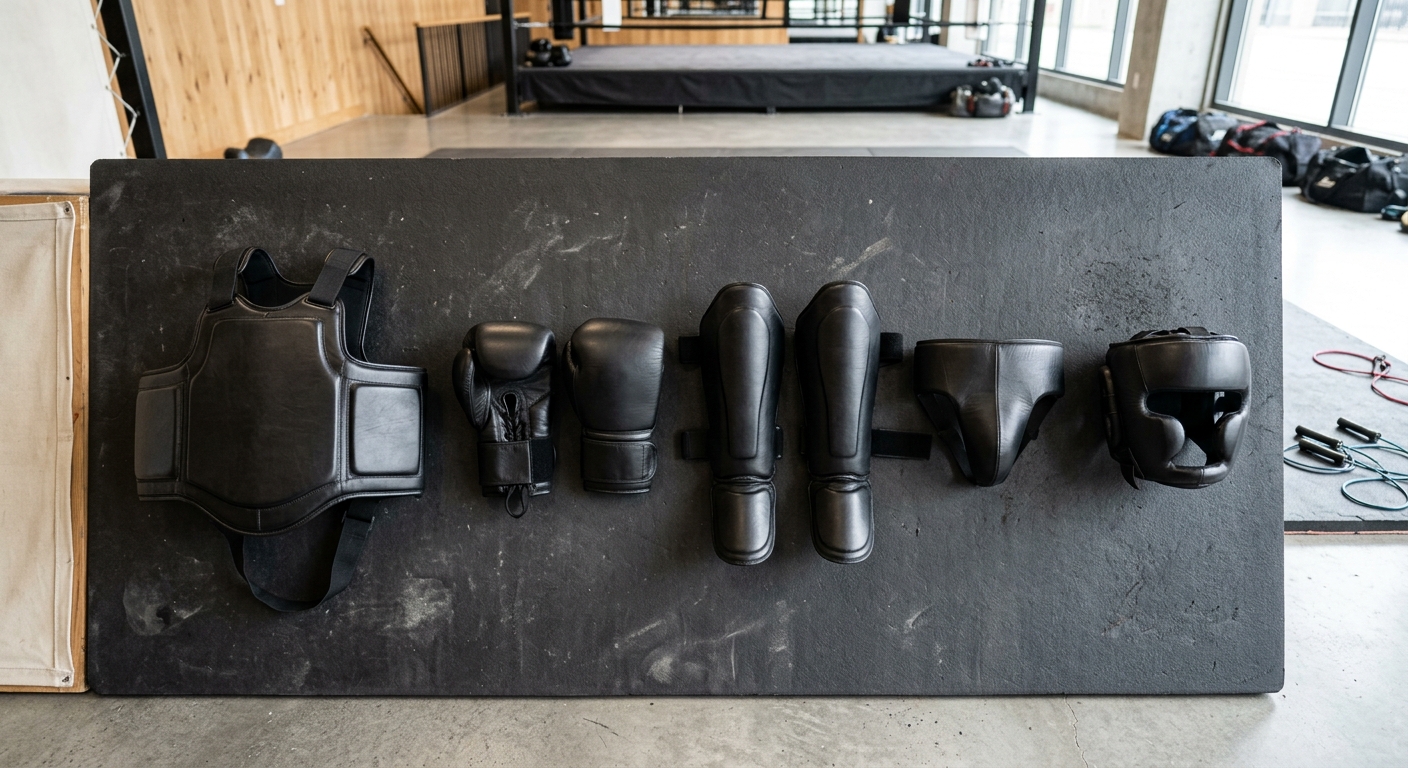
Some gyms provide communal body protectors, but investing in your own ensures proper hygiene and fit. This becomes particularly important as you progress and begin sparring more frequently.
Protective Cups and Groin Protection
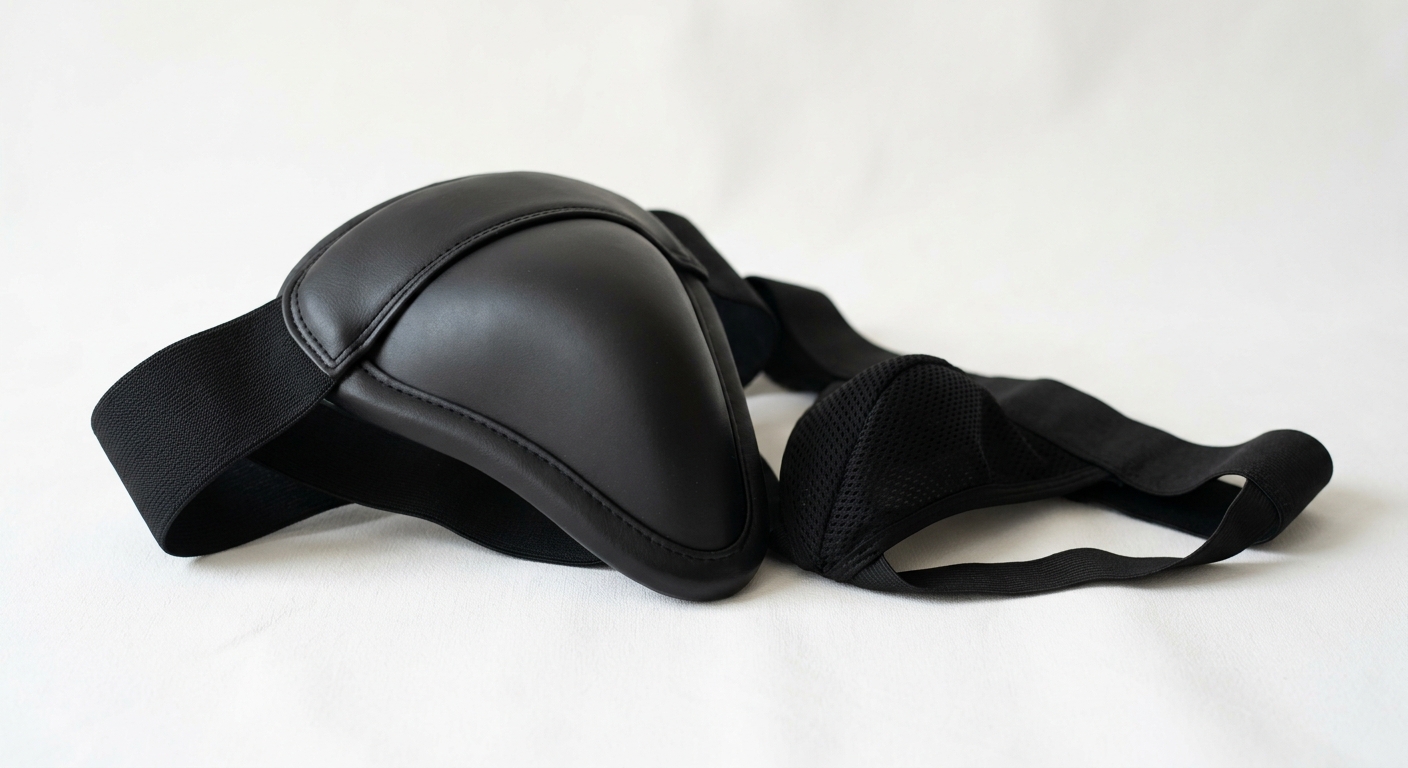
Groin protection is mandatory in all competitive boxing and strongly recommended for sparring. Even accidental low blows can cause serious injury and end training sessions prematurely.
Modern protective cups offer several advantages over older designs:
- Ergonomic shapes that move naturally with your body
- Impact-resistant materials like carbon fiber or high-grade plastics
- Moisture-wicking fabrics in supporter garments
- Secure fit that stays in position during movement
Mouthguard Protection
A quality mouthguard protects your teeth, jaw, and brain from impact forces. Custom-fitted guards offer superior protection compared to boil-and-bite alternatives, though they require a larger initial investment.
Mouthguard Options:
- Custom-fitted: Made by dental professionals for maximum protection and comfort
- Boil-and-bite: Moldable guards that offer decent protection at lower cost
- Stock guards: Pre-formed options that provide basic protection
Replace your mouthguard every 6-12 months or immediately if you notice cracks, tears, or loose fitting. A damaged mouthguard provides false security and may cause more harm than protection.
Shin Guards for Cross-Training
If your gym incorporates kickboxing or Muay Thai techniques into sparring sessions, shin guards become essential equipment. They protect both you and your training partner from painful shin-to-shin contact.
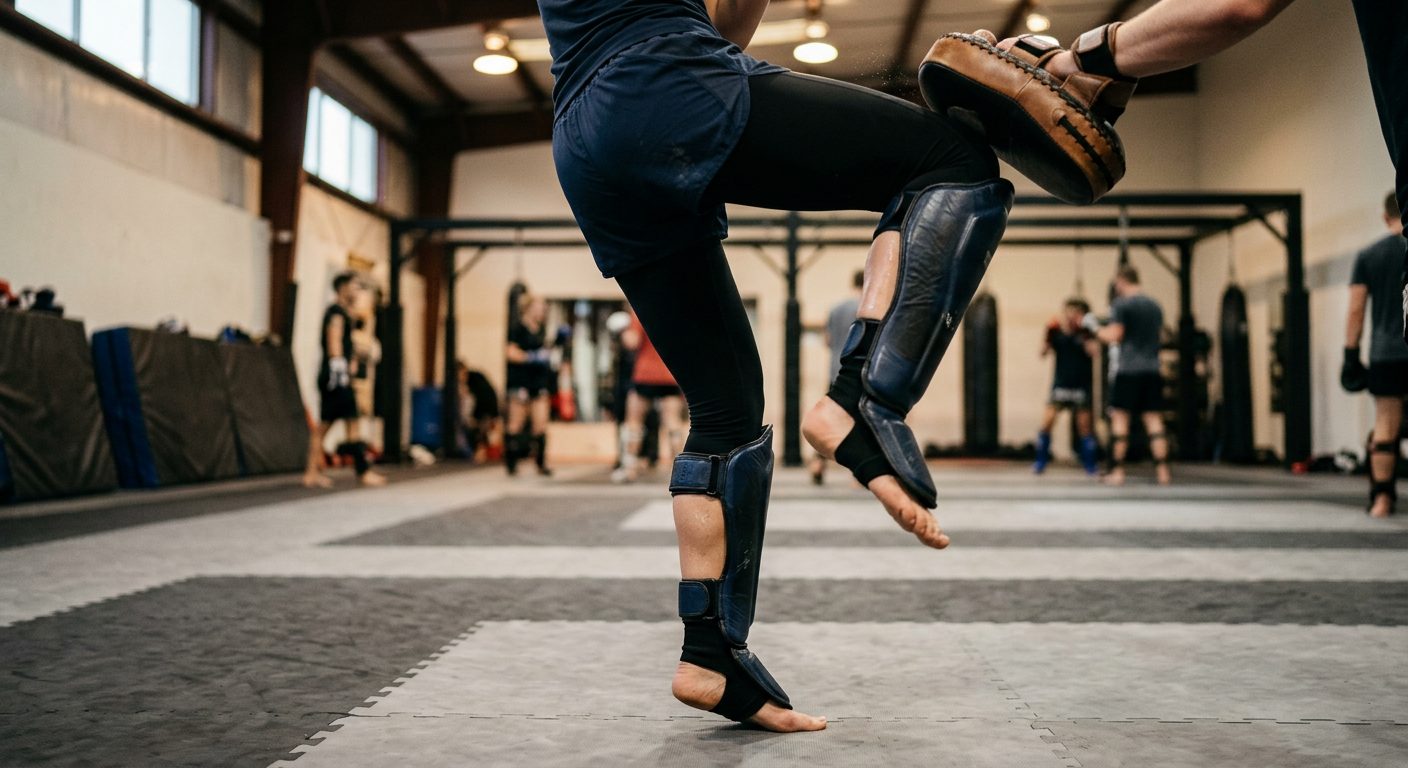
Quality shin guards should extend from just below the knee to the top of the foot, with adequate padding over the shin bone and instep area. Velcro straps should secure the guards without cutting off circulation or slipping during movement.
Training Shoes and Foot Protection
Proper boxing shoes enhance footwork, provide ankle support, and improve overall performance during sparring sessions. While not always mandatory, they offer significant advantages over regular athletic shoes.
Boxing Shoe Benefits:
- Thin, flexible soles for better ground connection and pivot ability
- High-top designs that support ankle stability during lateral movement
- Lightweight construction that doesn’t fatigue legs during long sessions
- Non-marking soles suitable for gym floors
Many boxers prefer leather shoes for durability, though synthetic options offer breathability and easier maintenance. Choose shoes that fit snugly without restricting blood flow or causing pressure points.
Timing and Round Management
Proper sparring requires precise timing and round management. Whether you’re working with a coach or training independently, having reliable timing tools ensures productive sessions that build skill without unnecessary fatigue.
The Heavy Bag Pro boxing timer provides professional-grade timing features specifically designed for combat sports training. Unlike generic interval timers, it includes preset rounds for sparring, customizable rest periods, and audio cues that work even when your phone is in a gym bag.
Consistent round timing helps build conditioning, allows for proper rest periods, and creates structured training sessions that maximize improvement while minimizing injury risk.
Gear Maintenance and Hygiene
Proper maintenance extends equipment life and prevents hygiene issues that can lead to skin infections or equipment degradation.
Daily Maintenance Routine:
- Air-dry all equipment immediately after use
- Wipe down gloves and pads with antibacterial solutions
- Wash hand wraps after every session
- Store gear in ventilated areas, never in closed gym bags
Weekly Deep Cleaning:
- Disinfect all hard surfaces with appropriate cleaners
- Check equipment for wear, cracks, or loose components
- Replace any damaged items before next training session
- Organize gear to ensure nothing is forgotten for training
Budget-Friendly Gear Strategies
Quality sparring gear requires investment, but smart shopping can reduce costs without compromising safety. Focus spending on items that directly impact safety while finding value in less critical accessories.
Priority Spending Order:
- Headgear and mouthguard (non-negotiable safety items)
- Quality gloves and hand wraps (protect your tools)
- Groin protection (prevents serious injury)
- Body protection and shin guards (as needed for training style)
- Specialized shoes and accessories (performance enhancers)
Many gyms offer gear rental or trial programs that allow you to test different brands before purchasing. This prevents expensive mistakes and helps identify personal preferences for fit and style.
When to Replace Equipment
Even quality gear has a lifespan, and using worn equipment creates false security that can lead to injury. Establish replacement schedules based on usage frequency and visual inspection.
Replacement Indicators:
- Headgear: Compressed padding, loose straps, visible cracks in shell
- Gloves: Hardened foam, separated seams, worn velcro
- Mouthguards: Cracks, tears, loose fit, or 12-month age
- Protective cups: Cracks in shell, worn supporter fabric
Document purchase dates for each item and set calendar reminders for inspection schedules. This proactive approach prevents equipment failure during crucial training periods.
Final Checklist for Complete Protection
Before entering any sparring session, run through this complete gear checklist to ensure maximum protection and performance:
Essential Safety Gear:
- Properly fitted headgear with secure straps
- Fresh mouthguard in good condition
- Hand wraps properly applied to both hands
- 16oz sparring gloves (or gym-required size)
- Groin protection properly positioned
Additional Protection (as required):
- Body protector for body-shot sparring
- Shin guards for kickboxing elements
- Boxing shoes for optimal footwork
- Towel and water for hydration breaks
Support Equipment:
- Timer for round management
- Backup hand wraps in case of damage
- First aid supplies for minor cuts or injuries
Remember that sparring is a tool for skill development, not a fight. Proper gear allows you to train at realistic intensities while minimizing injury risk. Invest in quality protection, maintain it properly, and replace worn items promptly. Your boxing journey depends on staying healthy enough to train consistently, and complete protective gear makes that possible.