
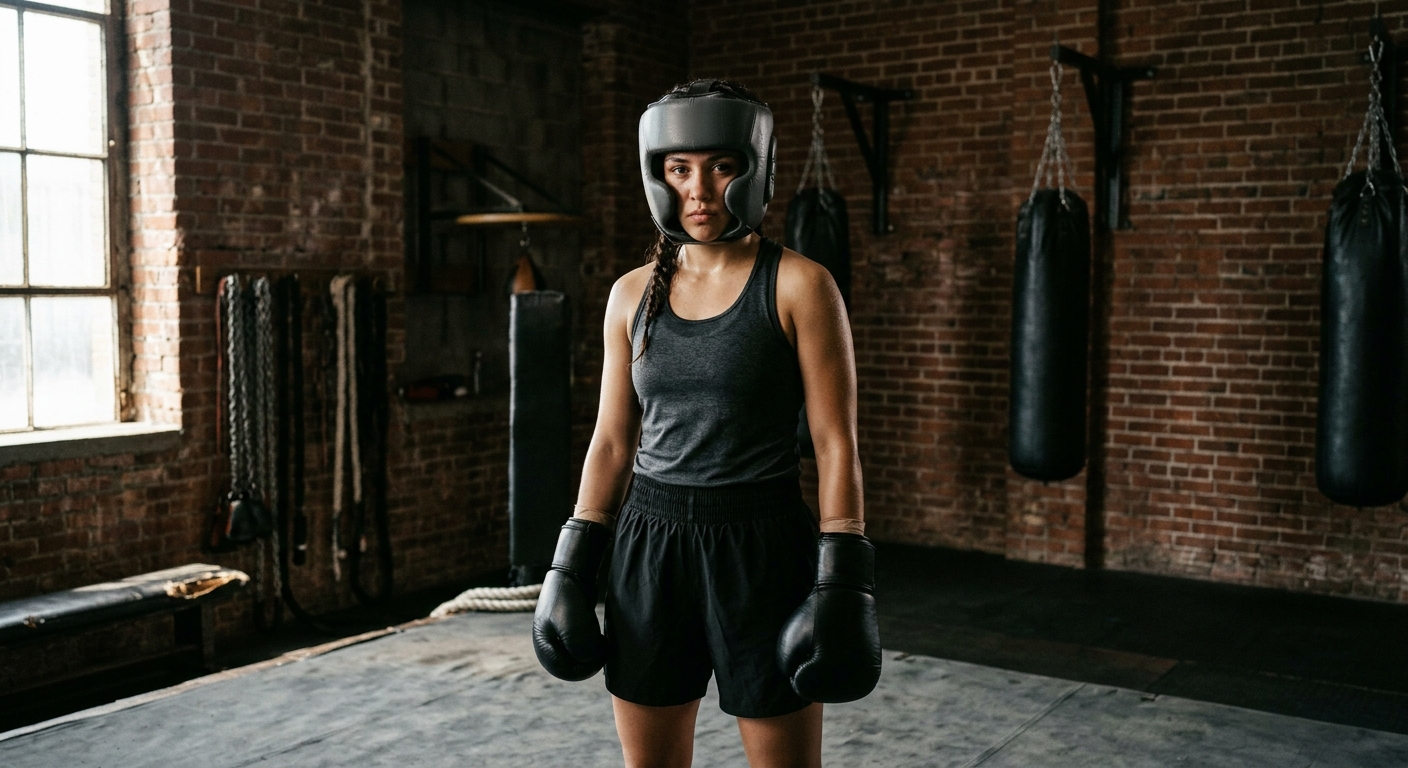
Getting Started with Boxing Sparring: Your Complete Gear Guide
Walking into a boxing gym for your first sparring session can feel overwhelming. Veteran boxers move around with confidence, wrapped in gear that looks both protective and intimidating. You’re probably wondering: what do I actually need, and what’s just marketing fluff?
After training hundreds of beginners through their first sparring sessions, I can tell you this: the right gear makes the difference between building confidence and building fear. Most boxing gyms require specific protective equipment before you step into the ring, but the sheer number of options can paralyze new fighters.
This guide cuts through the noise. You’ll learn exactly what sparring gear beginners need, why each piece matters, and how to build your kit without breaking the bank. No marketing nonsense, just practical advice from someone who’s seen too many beginners waste money on unnecessary gear.
Why Sparring Gear Matters More Than You Think
Boxing sparring isn’t about trying to hurt your partner. It’s controlled practice where both fighters work on timing, distance, and technique at 30-70% intensity. But even at this reduced power, gloves traveling 15-20 mph can cause serious damage without proper protection.
The right gear serves three purposes: protecting you, protecting your partner, and building confidence. When you know your brain, teeth, and ribs are protected, you can focus on learning instead of flinching. This mental aspect is crucial for beginners who need to develop timing and reflexes.
Most boxing gyms won’t let you spar without basic protective gear, and for good reason. Insurance requirements aside, coaches have seen too many injuries derail promising fighters. A broken nose in week three of training tends to kill enthusiasm fast.
Essential Sparring Gear: Your Must-Have List
Before we dive into specific products, understand this: you need protection for your head, hands, teeth, and groin. Everything else is optional for beginners. Here’s your shopping list, ranked by absolute necessity.
1. Boxing Headgear (Critical Priority)
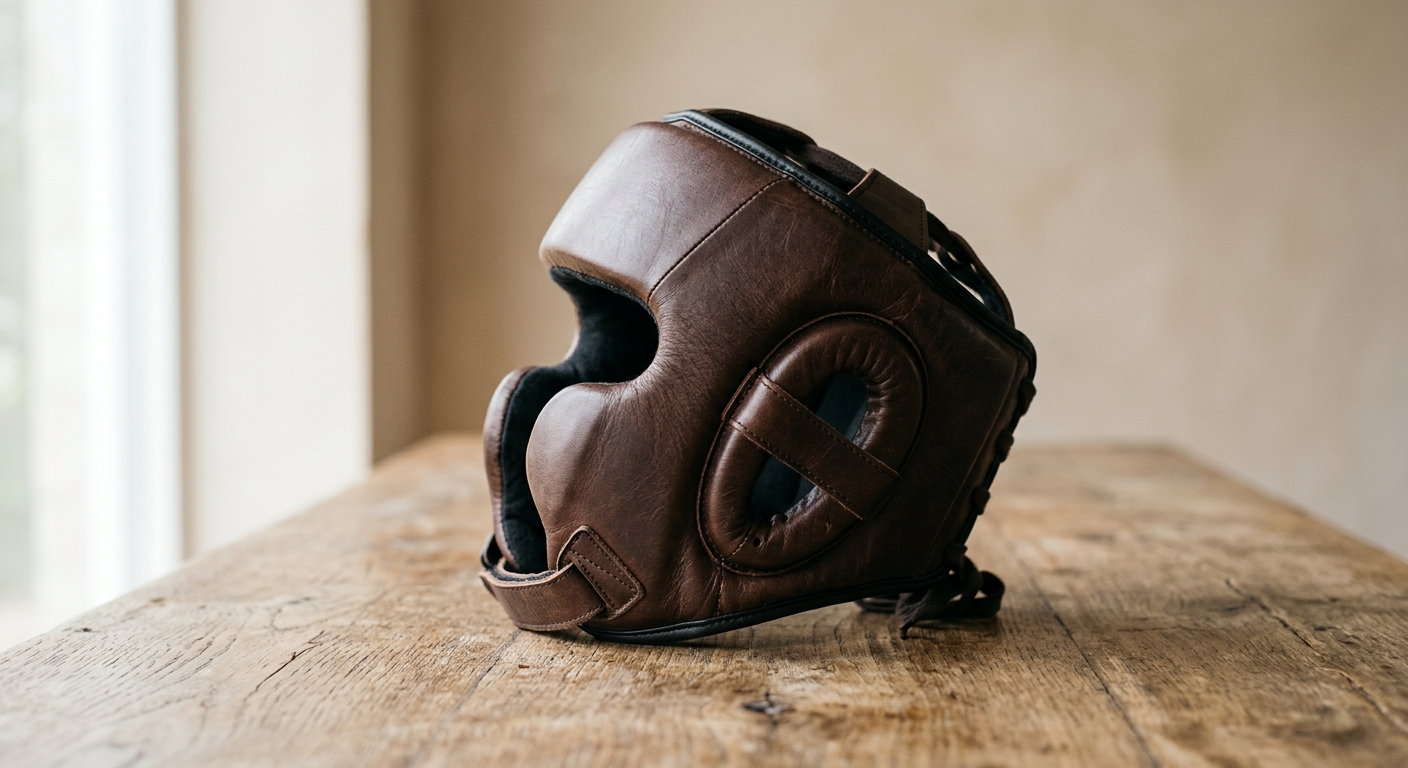
Headgear protects against cuts, bruises, and reduces concussion risk during sparring. Despite what you might have heard, properly fitted headgear doesn’t restrict vision or movement when chosen correctly.
Look for headgear with cheek protection but an open face design. Full-face headgear blocks too much vision for beginners learning to see punches coming. The padding should feel firm but not hard – foam that compresses too easily won’t absorb impact effectively.
Expect to spend $60-120 for quality headgear. Cheap models often shift during sparring, which defeats the purpose entirely. Brands like Winning, Cleto Reyes, and Title offer excellent options for different budgets.
2. Proper Sparring Gloves (16oz Minimum)
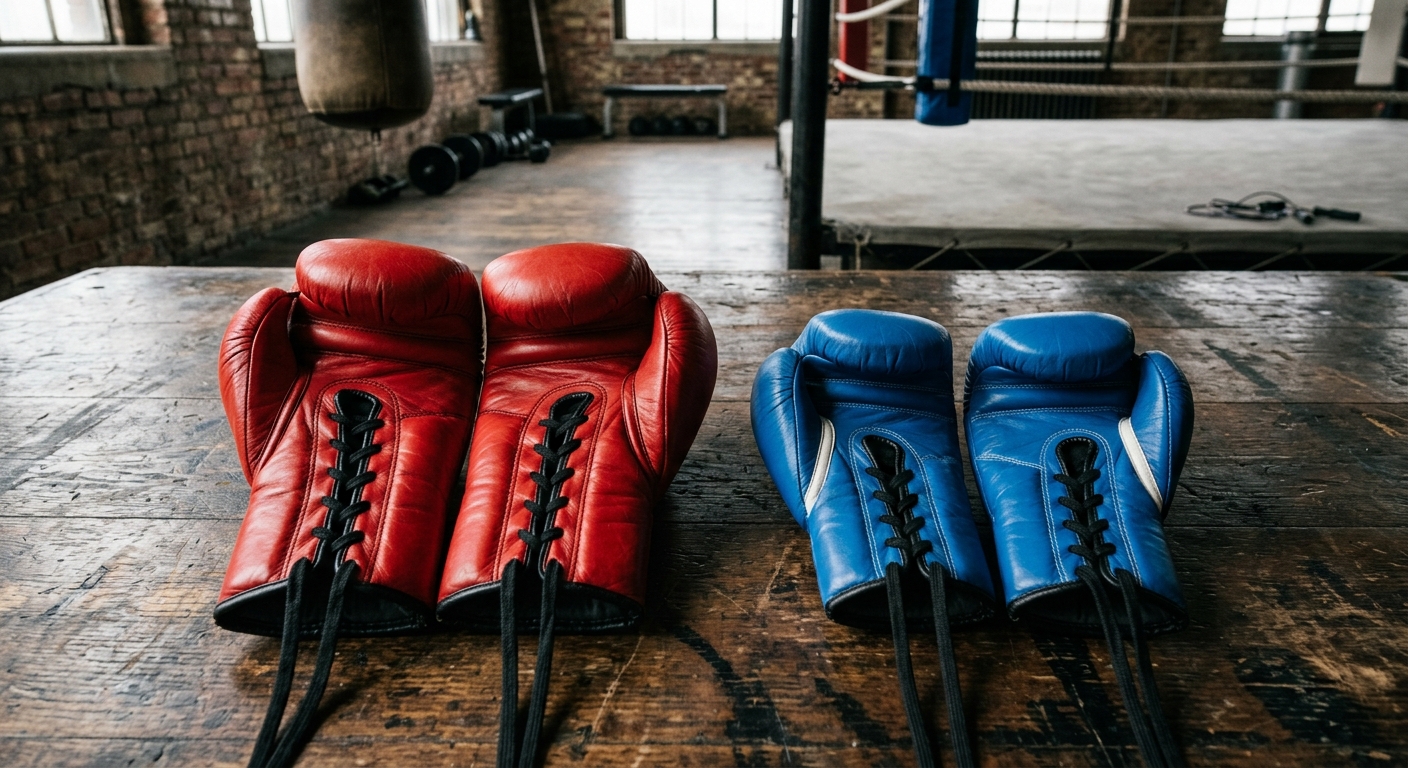
Regular bag gloves aren’t suitable for sparring. Sparring gloves need extra padding to protect both you and your partner. Most gyms require 16oz gloves for sparring, regardless of your body weight.
The extra padding in sparring gloves spreads impact over a larger surface area, reducing injury risk. They’re also typically larger, making it harder to slip punches through your partner’s guard and cause accidental cuts.
Invest in dedicated sparring gloves rather than trying to use your bag gloves. Your training partners will appreciate the consideration, and coaches notice these details when deciding who gets quality instruction time.
3. Mouthguard (Non-Negotiable)
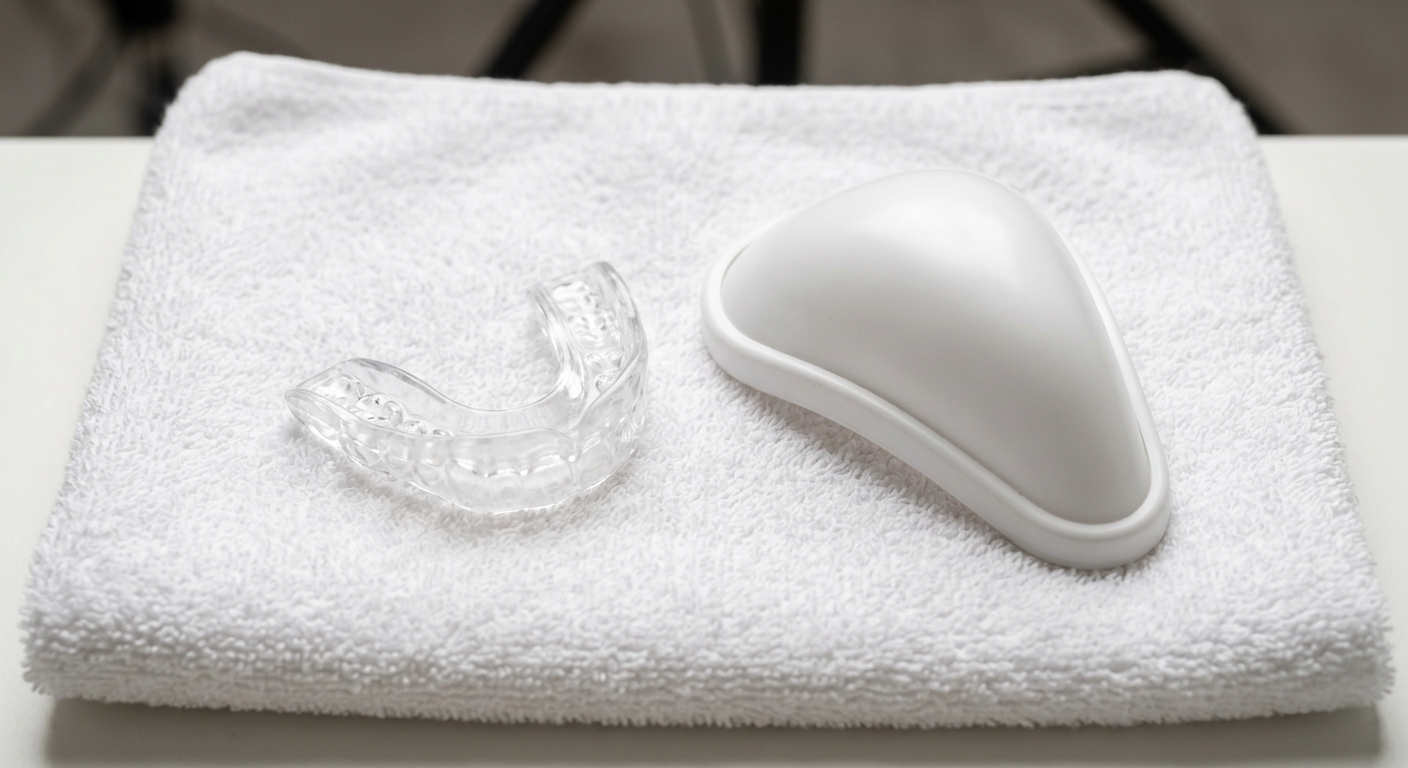
Your teeth are expensive to replace. A quality mouthguard protects against chipped teeth, cut lips, and reduces jaw injury risk. Even light sparring can result in accidental collisions that crack teeth.
Skip the cheap boil-and-bite guards from sporting goods stores. They often feel bulky and make breathing difficult. Custom mouthguards from your dentist cost more ($150-300) but fit perfectly and allow normal breathing during intense rounds.
For a middle-ground option, try Shock Doctor’s professional models. They mold better than basic versions and cost around $30-50. Whatever you choose, practice wearing it during pad work before your first sparring session.
4. Groin Protection
Low blows happen accidentally during sparring, especially with beginners still working on accuracy. A cup protects against shots that can end your training session immediately and leave you sore for days.
Thai-style steel cups offer the best protection but can feel uncomfortable initially. Traditional jockstrap-style cups work fine for boxing sparring where kicks aren’t a concern. The key is finding one that stays in position during movement.
Don’t skip this because you’re “just doing light sparring.” Murphy’s Law applies in boxing – the one time you forget protection is when you’ll need it most.
Gear You DON’T Need as a Beginner
Boxing equipment companies love selling unnecessary gear to eager beginners. Here’s what you can skip initially and add later if needed.
Chest Protection
Chest protectors are mainly used in amateur competition or very heavy sparring. For beginner sparring sessions, they’re unnecessary and can actually hinder movement patterns you’re trying to develop.
Focus your budget on head, hand, and dental protection first. You can always add chest protection later if you move into competitive boxing or notice you’re taking hard body shots during sparring.
Shin Guards
Unless you’re training Muay Thai or kickboxing, shin guards have no place in boxing sparring. Save the money for better boxing-specific gear.
Expensive Training Gear
You don’t need professional-grade everything as a beginner. Mid-range gear often offers 90% of the protection at 50% of the cost. Upgrade individual pieces as you identify what works best for your body and fighting style.
Budget-Friendly Sparring Gear Setup
Quality sparring gear doesn’t have to cost a fortune. Here’s how to build a complete setup for under $200 without sacrificing safety.
Start with a solid headgear in the $60-80 range. Title Classic Headgear or Everlast Elite models offer excellent protection for beginners. Pair this with 16oz Everlast PowerLock gloves ($45-60) which provide adequate padding for light sparring.
Add a Shock Doctor V1.5 mouthguard ($25-35) and basic groin protection ($15-25). This complete setup costs around $150-200 and meets the requirements for most boxing gyms.
Buy used gear cautiously. Headgear and gloves can harbor bacteria, and you can’t verify how much impact absorption the padding has lost. Mouthguards and cups should always be purchased new for obvious hygiene reasons.
When to Upgrade Your Sparring Gear
As you progress in boxing, you’ll develop preferences for fit, padding thickness, and brand characteristics. Here’s when to consider upgrading each piece of your kit.
Upgrade headgear when you start sparring regularly or move to harder sessions. Better headgear offers superior impact absorption and won’t shift during intense exchanges. Winning headgear, while expensive, lasts years and provides excellent protection.
Replace sparring gloves when padding compresses permanently or when you notice increased hand soreness after sessions. Quality gloves maintain their protective properties for 2-3 years with regular use.
Consider custom mouthguards once you commit to serious training. The improved fit and breathing capability justify the cost when boxing becomes a regular part of your routine.
Fitting and Maintenance Tips
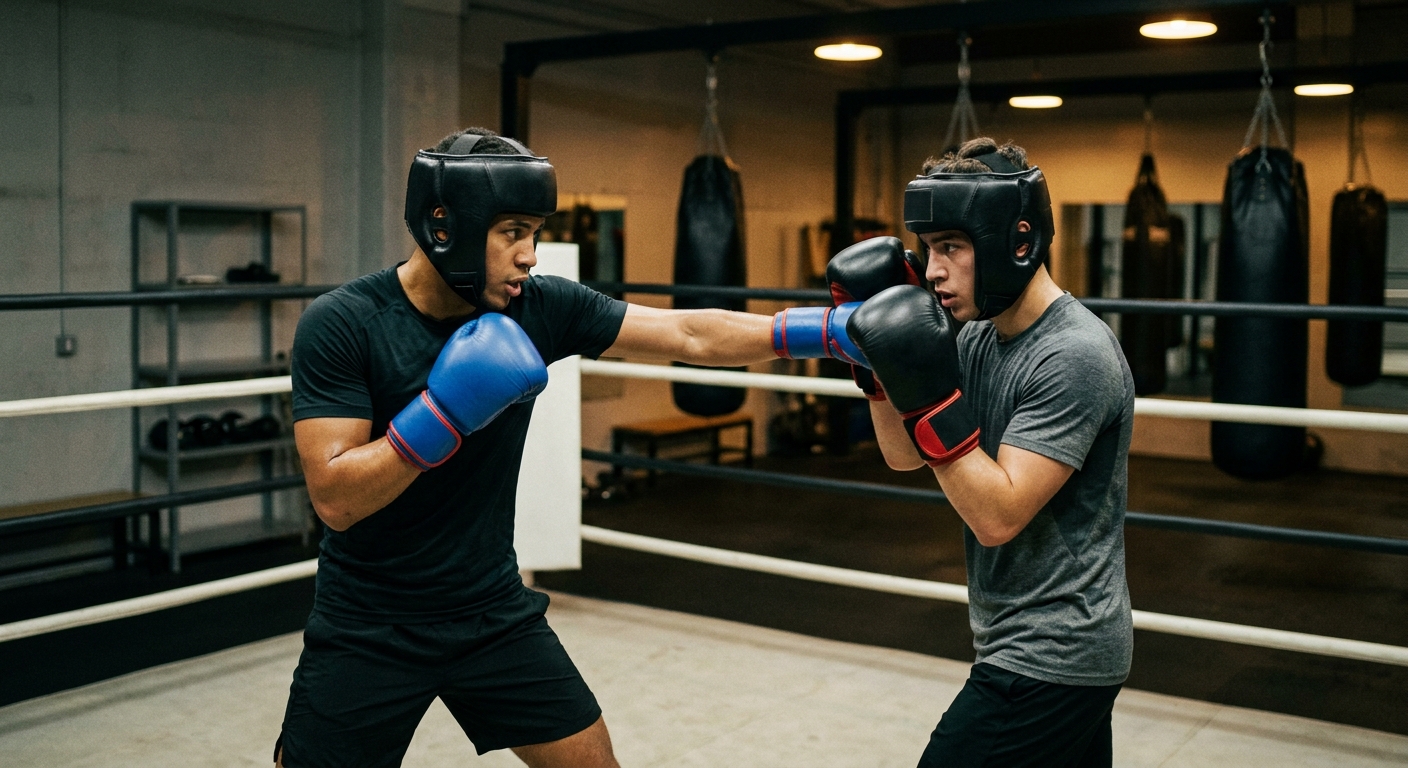
Proper fit is crucial for effectiveness. Headgear should feel snug without pressure points, and you should be able to see clearly in all directions. Loose headgear shifts during sparring and can actually increase injury risk.
Test glove fit by making a fist inside them. There should be room for hand wraps without excessive tightness, but your hands shouldn’t slide around inside the gloves during punching combinations.
Clean gear after every session to prevent bacteria buildup. Wipe down headgear and gloves with antibacterial wipes, and allow everything to air dry completely before storing. Replace mouthguards every 6-12 months regardless of visible wear.
Training Apps and Timing for Sparring Sessions
Proper timing becomes crucial once you start sparring with protective gear. Rounds feel different when you’re wearing headgear and heavier gloves, and you need consistent timing to build rhythm with partners.
Heavy Bag Pro offers the most reliable round timing for sparring sessions. Unlike phone apps that can be disrupted by notifications, Heavy Bag Pro provides clear, consistent signals that cut through the noise of a busy gym. The customizable round and rest intervals let you match exactly what your coach prescribes.
Many fighters prefer using a dedicated timer app rather than watching wall clocks during sparring. You can set specific round lengths (often 2 or 3 minutes for beginners) with appropriate rest periods. Visit heavybag.pro/boxingtimer/ to see how proper timing can improve your sparring sessions from day one.
Common Beginner Mistakes to Avoid
Don’t buy gear that’s too large thinking more padding equals better protection. Oversized headgear blocks vision, and loose gloves reduce punch accuracy. Properly fitted gear protects better than oversized equipment.
Avoid sparring without any piece of the essential gear list. Coaches notice when fighters show up unprepared, and it reflects poorly on your commitment to training safely.
Don’t ignore gear maintenance. Dirty, smelly equipment marks you as someone who doesn’t respect the gym culture or training partners. Take five minutes after each session to clean and properly store your gear.
Finally, don’t rush into sparring without mastering basic combinations and defensive movements. Gear protects you from impact, but technique protects you from getting hit in the first place.
Your Path to Safe, Confident Sparring
Starting your sparring journey with proper protective gear builds confidence and prevents injuries that derail training progress. Focus on the essentials first: quality headgear, appropriate gloves, a fitted mouthguard, and groin protection.
Budget around $150-200 for your initial setup, and upgrade pieces as your training intensifies. Remember that gear is an investment in your safety and long-term progress in boxing.
Most importantly, don’t let equipment concerns delay your development. Once you have the basics covered, focus on technique, timing, and building experience in controlled sparring situations. The confidence that comes from proper protection allows you to learn faster and progress more safely through your boxing journey.