
Starting your sparring journey can feel overwhelming with the endless lists of “essential” gear that boxing stores try to sell you. The truth? You need far less equipment than most people think, but what you do need must be quality gear that actually protects you.
After training hundreds of beginners through their first sparring sessions, I’ve learned exactly what gear makes the difference between safe, productive sparring and expensive mistakes that end up gathering dust. This guide cuts through the marketing noise to show you the actual essentials.
The Absolute Essentials: Your Non-Negotiable Protection
Before you step into the ring for controlled sparring, these four pieces of gear are mandatory. No exceptions, no “I’ll get it next week” – your brain and body depend on this protection.
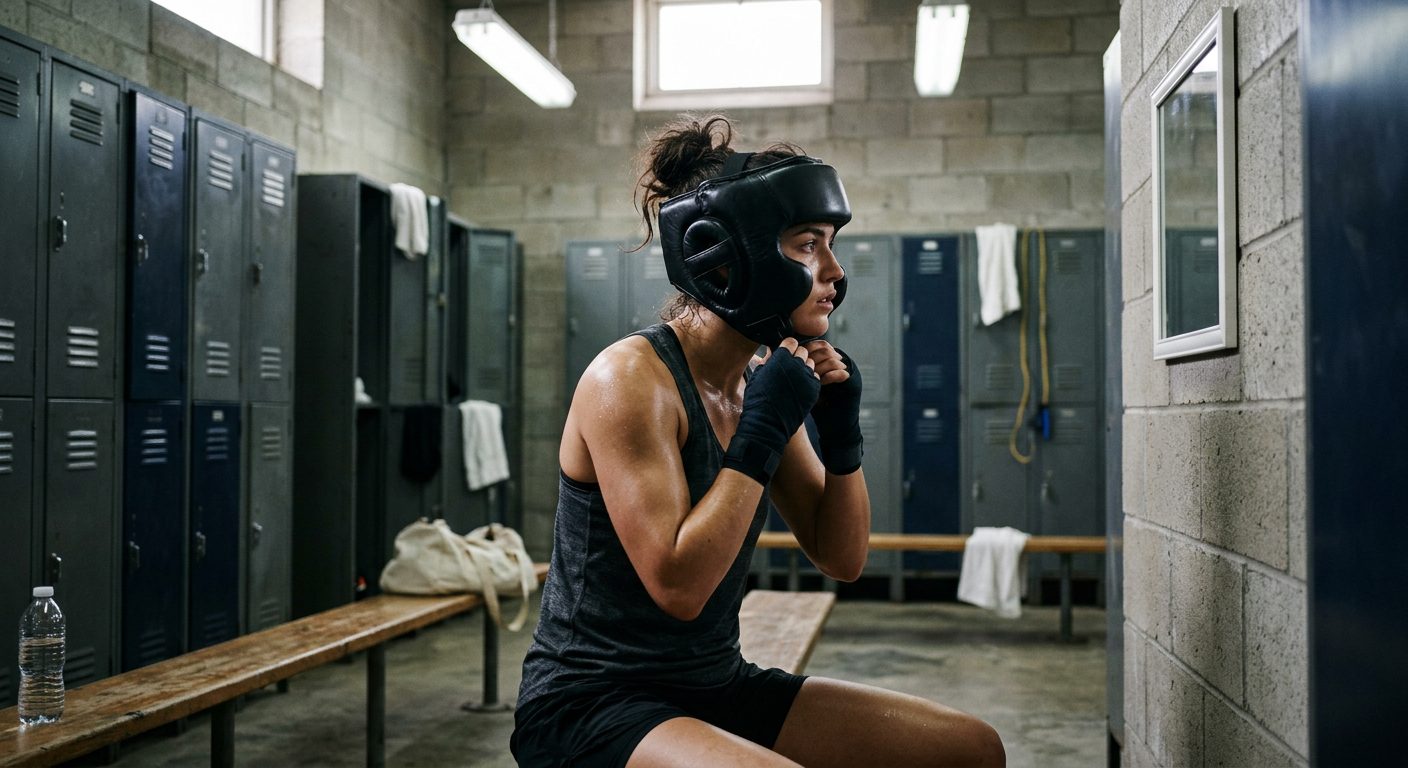
Boxing Headgear: Protect What Matters Most
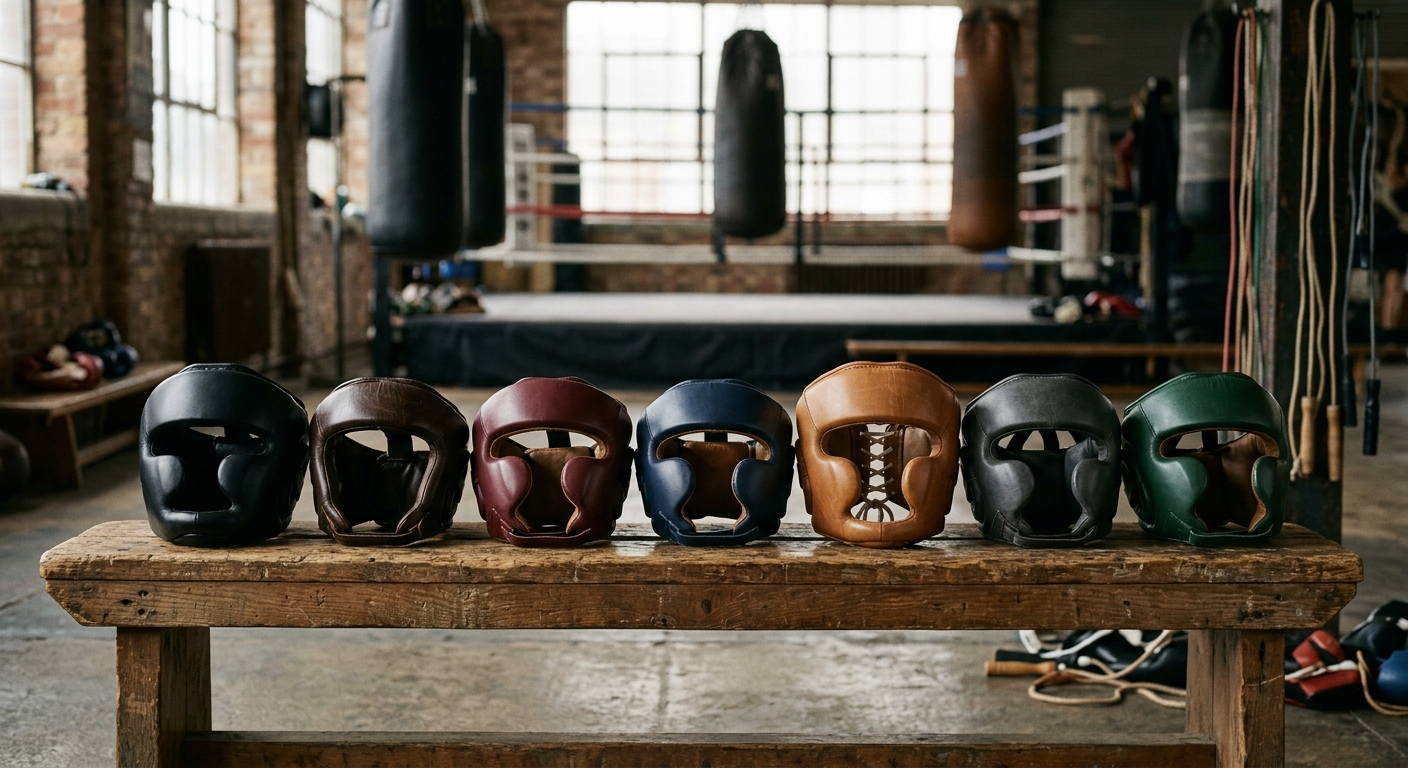
Your brain cannot be replaced. Period. Quality headgear reduces the impact force on your skull and prevents most cuts around the eyes and nose. Look for headgear with thick padding around the temples and good visibility through the eye openings.
The Winning FG-2900 is the gold standard that most serious gyms use. It costs around $80-120 but offers superior protection with excellent visibility. For budget-conscious beginners, the Everlast Prime or Title Classic provide decent protection at $40-60.
Avoid cheap headgear under $30. The padding compresses quickly, the straps break, and you end up buying twice. Your brain deserves better than discount protection.
Proper Boxing Gloves: 16oz Minimum for Sparring
Your daily training gloves are not sparring gloves. Sparring requires heavier gloves with more padding to protect both you and your training partner. Most gyms require 16oz gloves minimum for sparring, regardless of your weight.
The extra weight forces you to work harder and keeps your punches controlled. Lighter gloves encourage wild, hard punching that leads to injuries. Heavy Bag Pro users often ask about glove weight – and for sparring, bigger is always safer.
Quality options include the Cleto Reyes training gloves ($120-160) for premium protection, or the Everlast Powerlock 16oz ($50-80) for reliable beginner gear. Avoid fashion gloves or anything marketed as “fitness boxing” – you need real protection.
Mouthguard: Your Teeth Thank You
A $5 boil-and-bite mouthguard from any sporting goods store provides basic protection. More expensive custom guards offer better fit and breathing, but the cheap version works fine for beginners who spar occasionally.
Replace your mouthguard every 6 months or whenever it shows wear. A damaged mouthguard provides zero protection and can actually cause more injury during impact.
Hand Wraps: Foundation Protection
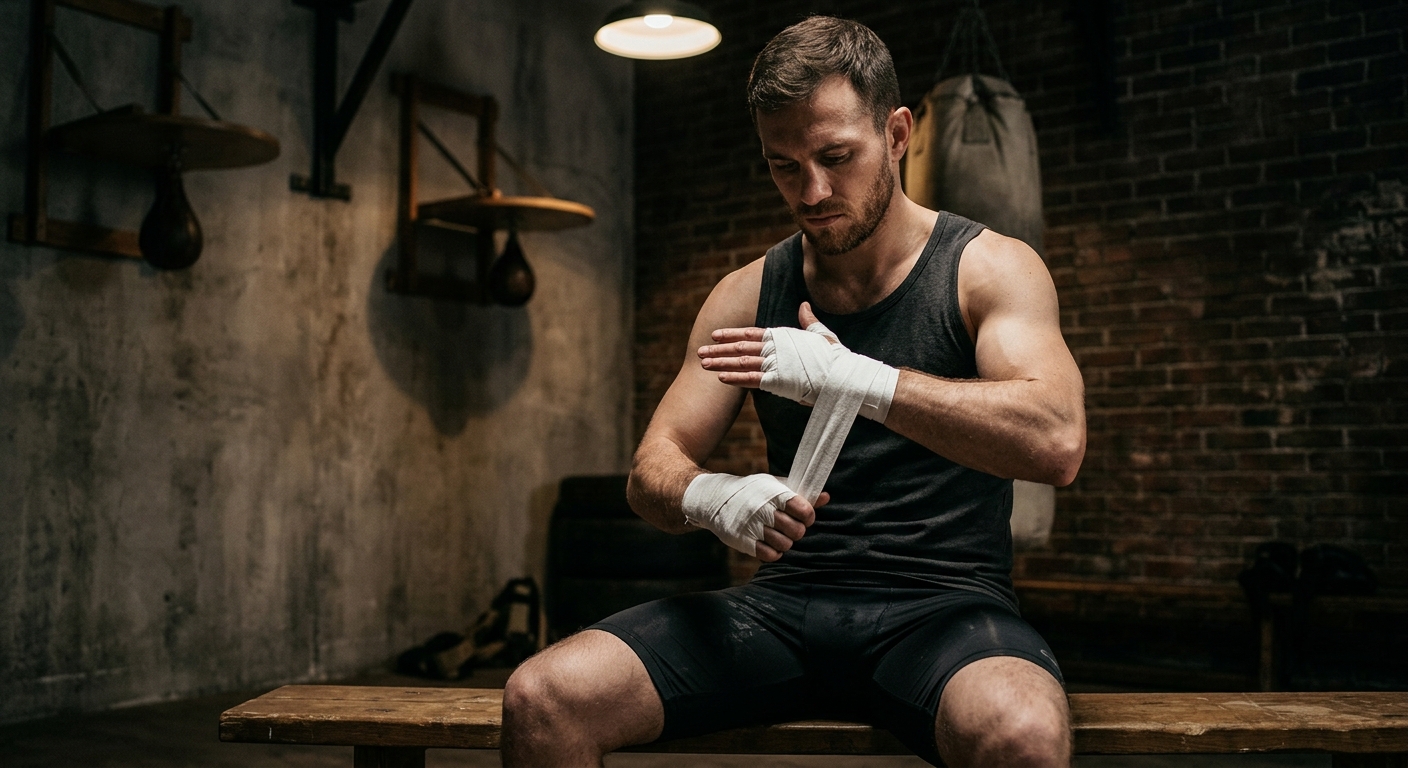
The same 180-inch cotton hand wraps you use for bag work serve perfectly for sparring. Proper wrapping technique matters more than expensive materials. Learn to wrap your hands correctly – your wrists and knuckles depend on this foundation layer.
The Second Tier: Gear That Enhances Safety
Once you have the essentials covered, these additions provide extra protection for regular sparring sessions. They’re not mandatory for your first few sessions, but become important as you increase intensity and frequency.
Groin Protection: Accidents Happen
Body shots are part of sparring, and protective cups prevent painful accidents. Even light sparring can result in unintentional low blows. A basic athletic cup costs $15-25 and saves you from sessions ending in agony.
For men, a standard jockstrap with cup works fine. Female fighters need specialized groin protection designed for women’s anatomy – brands like Diamond MMA make quality options.
Chest Protection (For Women)
Female fighters need chest protection during sparring. A sports bra provides some protection, but dedicated chest guards offer better impact distribution. Title and Ringside make affordable options around $40-60.
Don’t let anyone tell you chest protection is optional for women. Your comfort and safety during sparring directly affects your ability to learn and improve.
What You DON’T Need as a Beginner
Boxing stores love selling expensive gear to excited beginners. Here’s what you can skip initially and add later if needed.
Shin Guards
Unless you’re doing Muay Thai or kickboxing sparring, shin guards are unnecessary for pure boxing. Save your money for better gloves or headgear instead.
Multiple Sets of Gloves
One quality pair of 16oz sparring gloves handles everything initially. You don’t need separate competition gloves, training gloves, and sparring gloves when you’re learning basics.
Professional-Grade Equipment
Grant gloves at $400+ are beautiful, but beginners gain zero benefit over quality $100 gloves. Master the basics first, then upgrade gear as your skills develop.
Building Your Gear Collection: A Smart Timeline
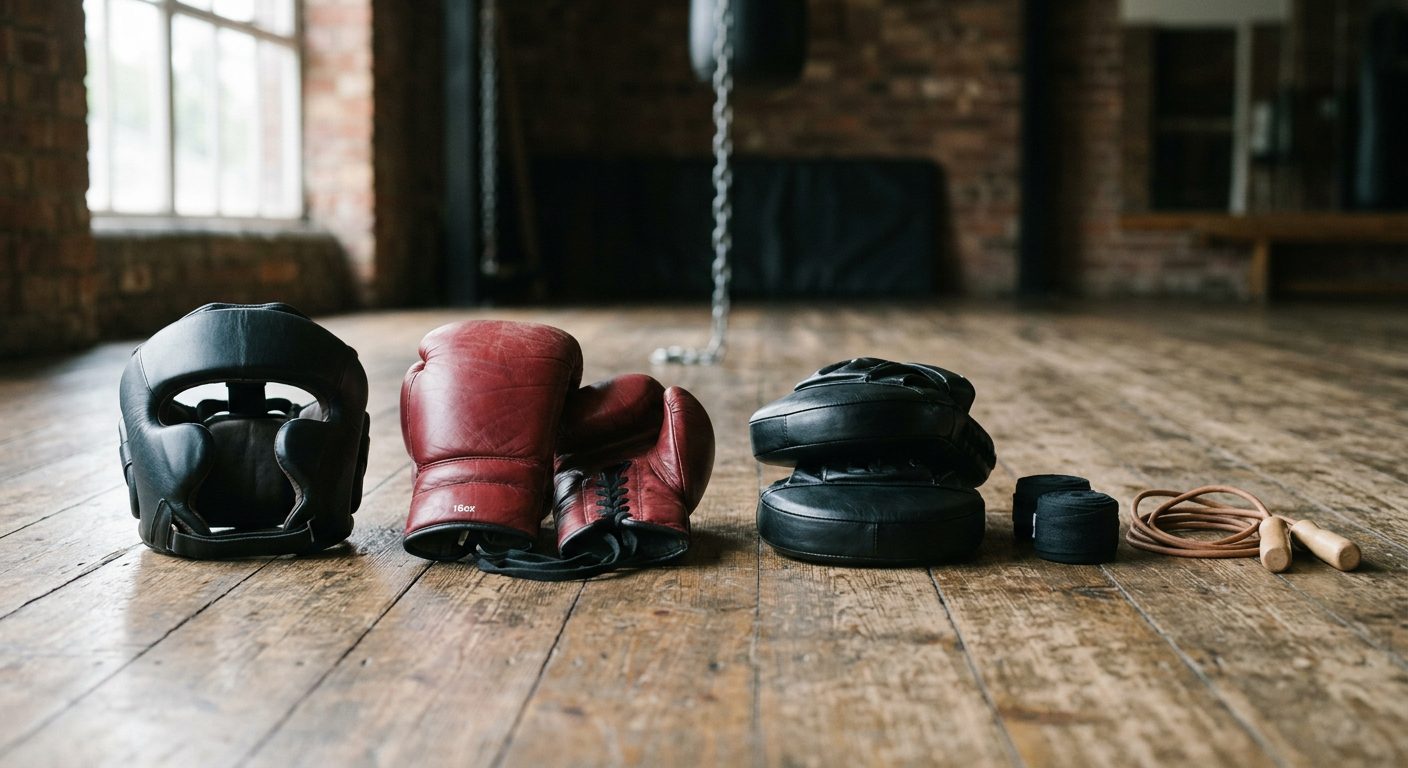
Smart gear acquisition follows your sparring development. Start minimal, learn what works for your body and style, then upgrade systematically.
Month 1: The Essentials Only
- 16oz sparring gloves ($50-100)
- Quality headgear ($60-120)
- Basic mouthguard ($5-15)
- Hand wraps (already owned)
Total investment: $115-235. This covers 90% of sparring scenarios safely.
Months 2-3: Comfort Additions
- Groin protection ($15-30)
- Better mouthguard if needed ($30-50)
- Backup hand wraps ($15-25)
Months 4+: Upgrades Based on Experience
- Premium sparring gloves ($150-300)
- Custom mouthguard ($100-200)
- Professional headgear ($120-250)
Maintaining Your Sparring Gear
Quality gear lasts years with proper care. Cheap gear breaks quickly regardless of maintenance. Your investment in good equipment pays off through longevity and consistent protection.
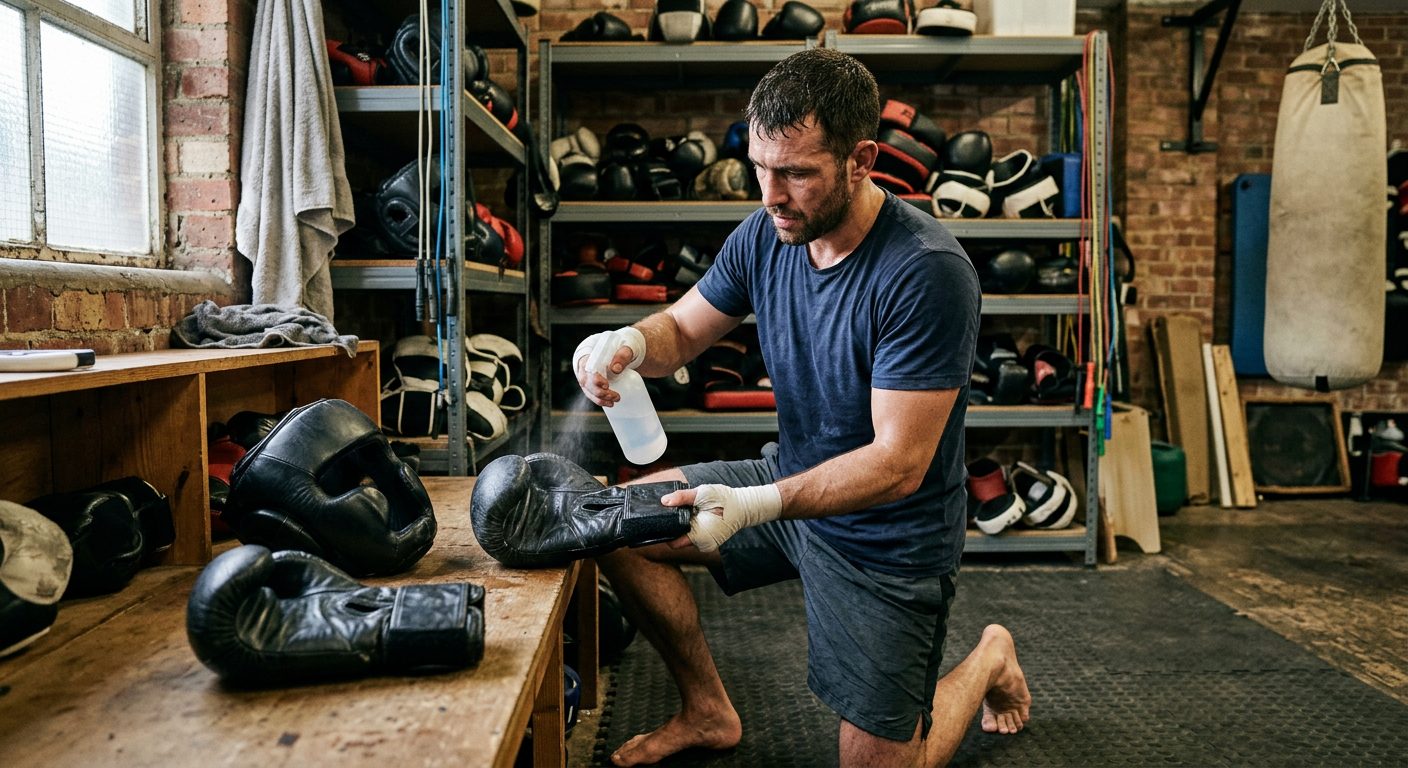
Air out your gloves after every session. Headgear and gloves develop odor and bacteria when stored wet. Use antibacterial spray and let everything dry completely before storage.
Replace gear when protection deteriorates. Compressed padding, loose straps, or cracked materials mean it’s time for new equipment. Your safety isn’t worth extending worn-out gear’s life.
Where Heavy Bag Pro Fits Your Training
While you’re building your sparring skills and gear collection, Heavy Bag Pro keeps your training consistent at home. The app’s precise round timing translates directly to sparring sessions – you’ll already understand pace, combinations, and rest periods.
Many beginners use Heavy Bag Pro’s shadowboxing and technical rounds to practice the combinations they learn during sparring. The muscle memory built through consistent home training makes your sparring sessions more productive and safer.
Download Heavy Bag Pro to maintain your boxing skills between sparring sessions. Consistent training at home builds the fitness and technique that keeps you safe when things get intense.
Common Beginner Sparring Gear Mistakes
Every beginner makes gear mistakes. Learning from others’ experiences saves money and prevents safety issues.
Buying Everything at Once
Resist the urge to buy every piece of gear before your first sparring session. You’ll discover preferences for fit, style, and protection level through actual use. Start with essentials, then build based on experience.
Prioritizing Style Over Safety
Flashy colors and brand names don’t protect you. Focus on protection quality, proper fit, and durability. Your gear’s job is keeping you safe, not looking cool.
Ignoring Proper Fit
Ill-fitting headgear shifts during sparring and blocks vision. Loose gloves allow your hands to move inside, reducing protection. Always try gear on or buy from retailers with good return policies.
Final Thoughts: Safety Enables Progress
Quality sparring gear isn’t an expense – it’s an investment in your boxing development. Proper protection lets you train consistently without fear, which accelerates learning and builds confidence.
Start with the essentials: 16oz gloves, quality headgear, mouthguard, and proper hand wraps. This foundation handles 90% of sparring safely. Add additional protection as you gain experience and identify your specific needs.
Remember that gear is only part of sparring safety. Proper coaching, controlled intensity, and good training partners matter more than expensive equipment. But when you do need protection, buy once and buy quality.
Your brain, teeth, and long-term health depend on the gear decisions you make today. Choose protection over fashion, quality over savings, and safety over everything else.