
If you’ve ever watched a pro fighter step into the ring, you’ve seen what peak human conditioning looks like. They aren’t just muscular. They’re lean, explosive, and capable of maintaining a high pace for round after round. This isn’t just about good genetics. It’s the result of boxing training, which is likely the most effective cardio workout you haven’t tried yet.
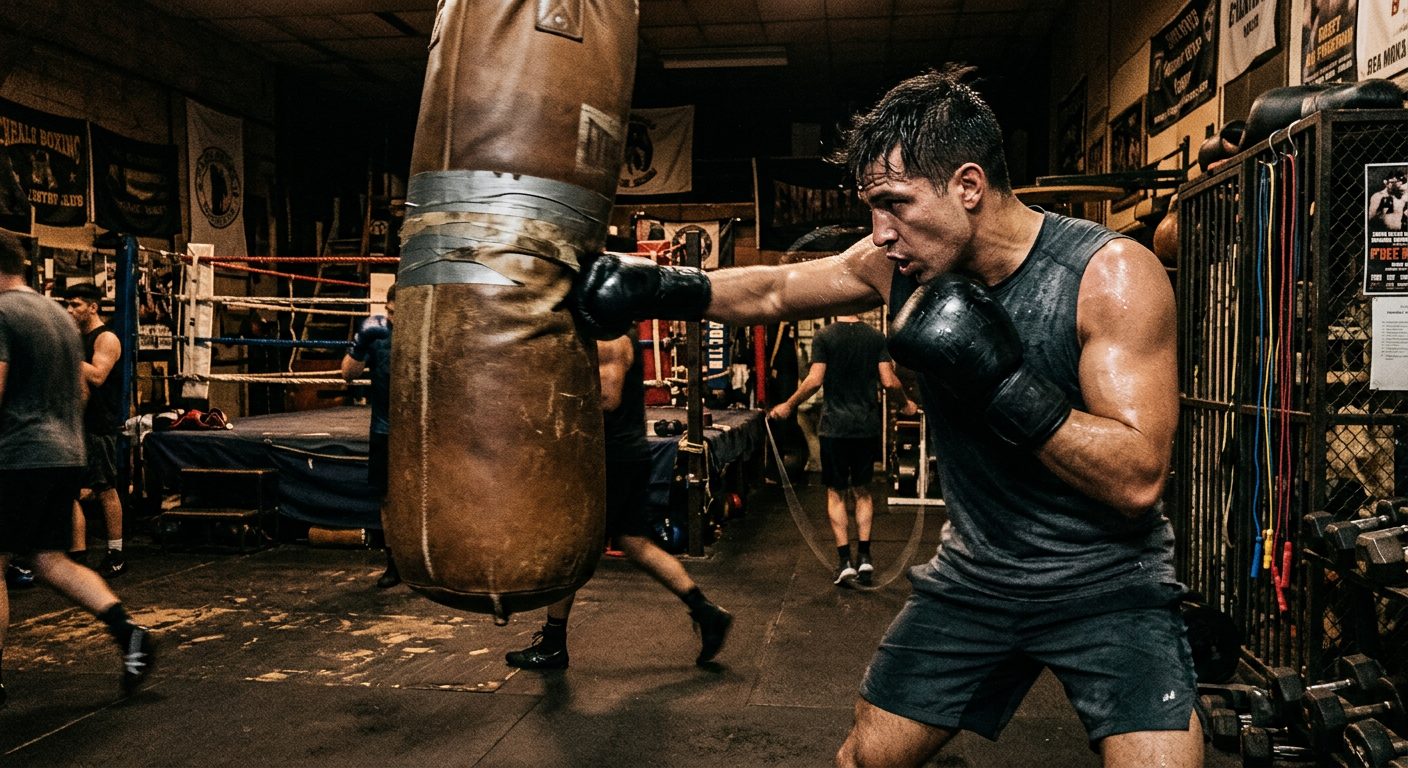
Boxing burns more than almost anything else
A solid hour of heavy bag work or pad drills can burn between 700 and 1,100 calories. That beats running, cycling, and most HIIT classes. The reason is simple: boxing uses your whole body at once. A punch doesn’t just come from your arm. It starts at your feet, moves through your core, and finally snaps through your fist. When you add footwork and defensive slips, you’re hitting muscles you didn’t even know you had.
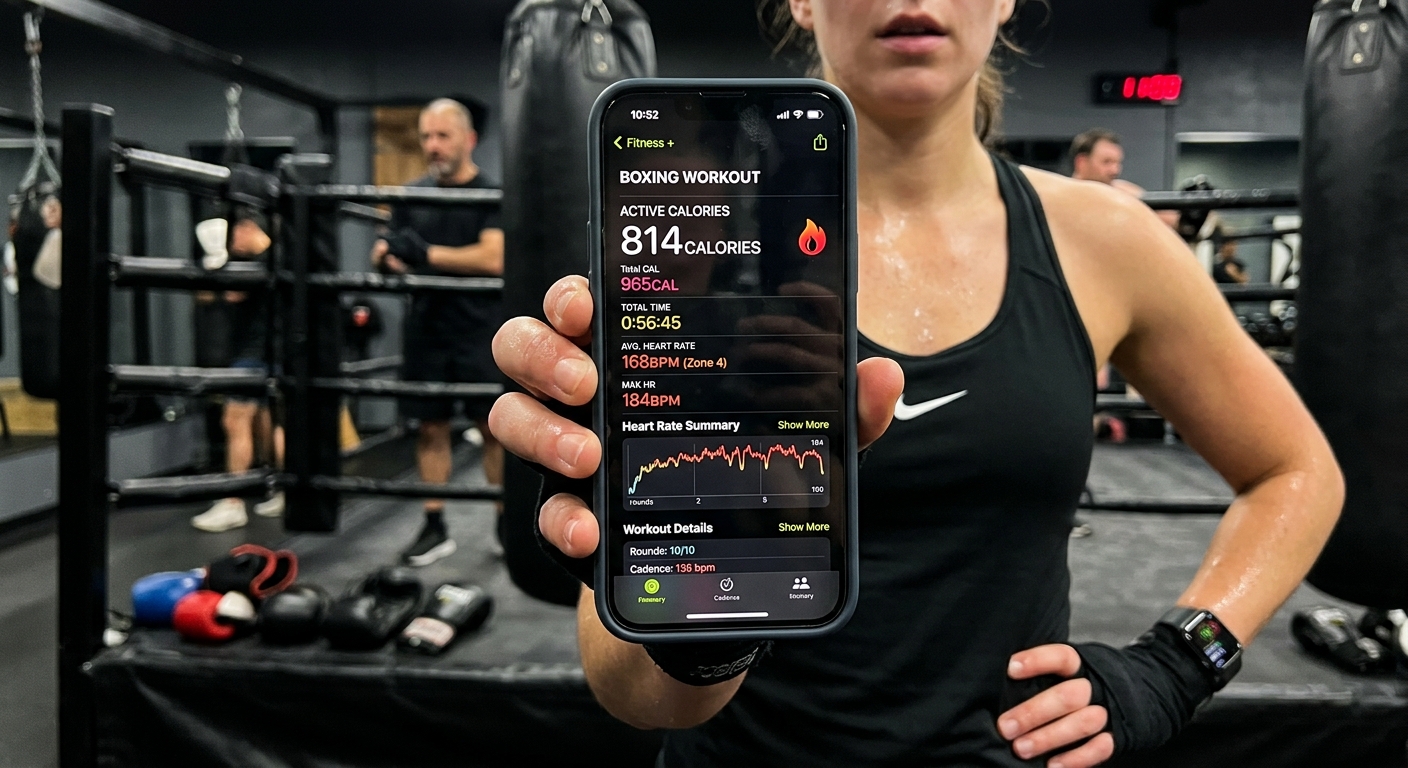
The real intensity comes from the interval structure. Most training follows three-minute work periods with one-minute rests. This creates what’s known as EPOC, or afterburn. Your body keeps burning calories at a higher rate for hours after you’ve left the gym. It’s why fighters can eat a lot and still stay lean.
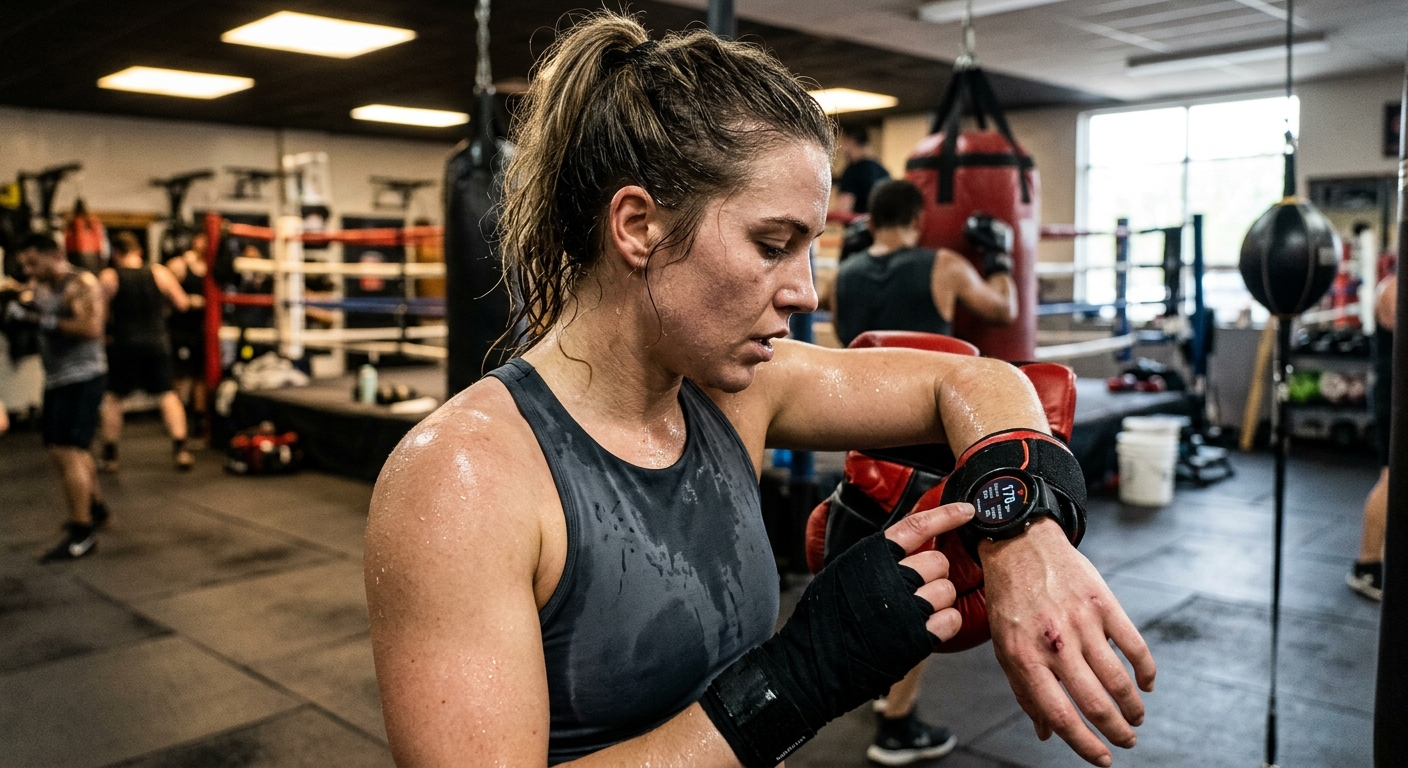
Real conditioning without the boredom
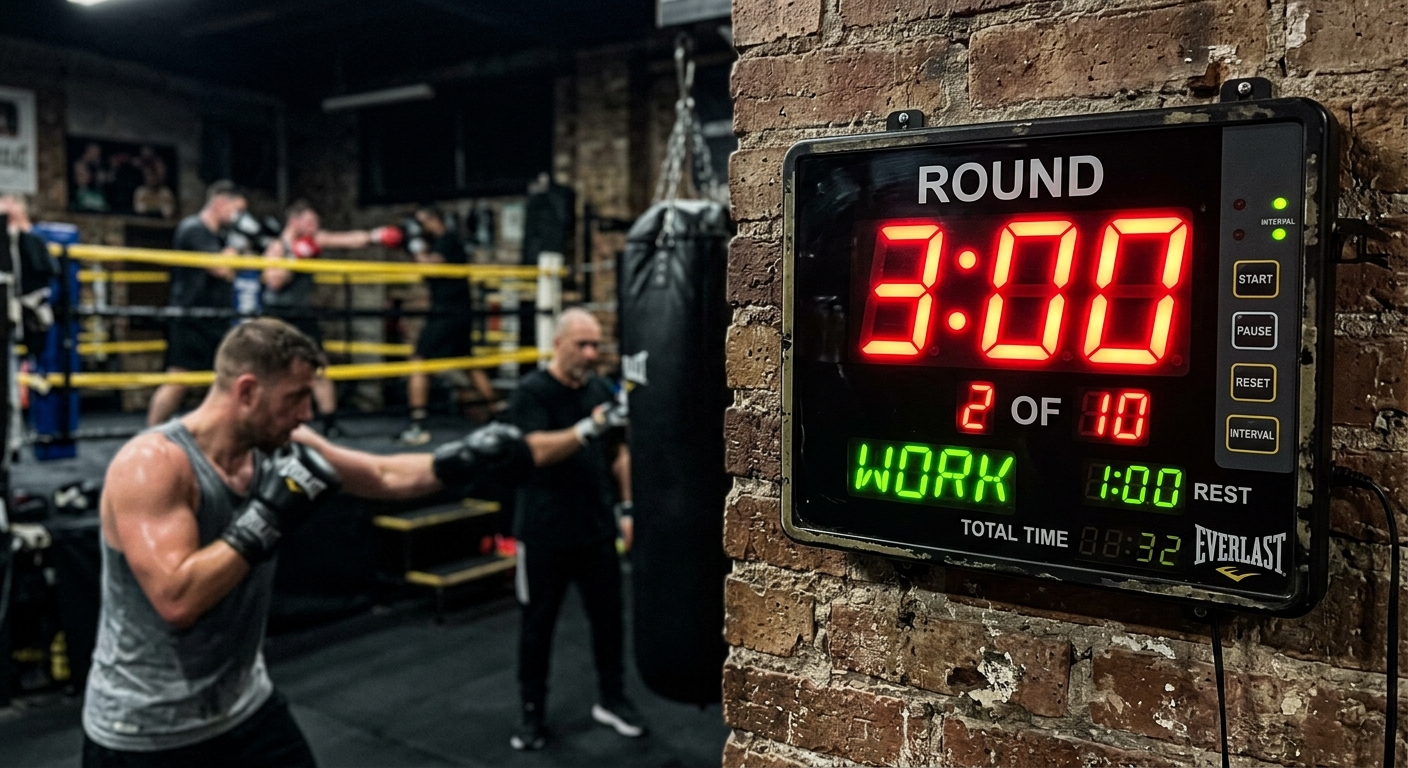
Unlike a treadmill session where you just stare at a screen, boxing forces you to switch between different energy systems. You might spend one minute throwing fast, light combinations for speed, then transition into heavy power shots, followed by agility drills.
Because the movements change constantly, your body can’t just go on autopilot. Your heart and lungs have to adapt to the changing pace, which leads to much faster fitness gains than steady-state cardio. You don’t need to train six hours a day like a pro to see results. Most people see a massive shift in their fitness with just three 45-minute sessions a week.
The mental edge cuts through fatigue
Boxing is basically high-speed problem solving. You’re thinking about your timing, your foot placement, and how to stay relaxed while you’re tired. This mental load actually increases your caloric burn.
It’s a lot harder to get bored when you’re focused on learning a skill. When your brain is engaged, you don’t notice the fatigue as much as you do when you’re just counting down miles on a bike. This mental engagement is why people stick with boxing long after they’ve quit the regular gym.
Strength that actually works
Most cardio builds endurance but leaves you feeling weak. Boxing builds functional power. The rotation required for punching strengthens your core far better than doing endless crunches. Slipping and weaving improves your balance and coordination.
This athleticism carries over into real life. You’ll feel more stable, move more fluidly, and have more “pop” in your movements. It’s not just about looking fit; it’s about being capable.
Start where you are
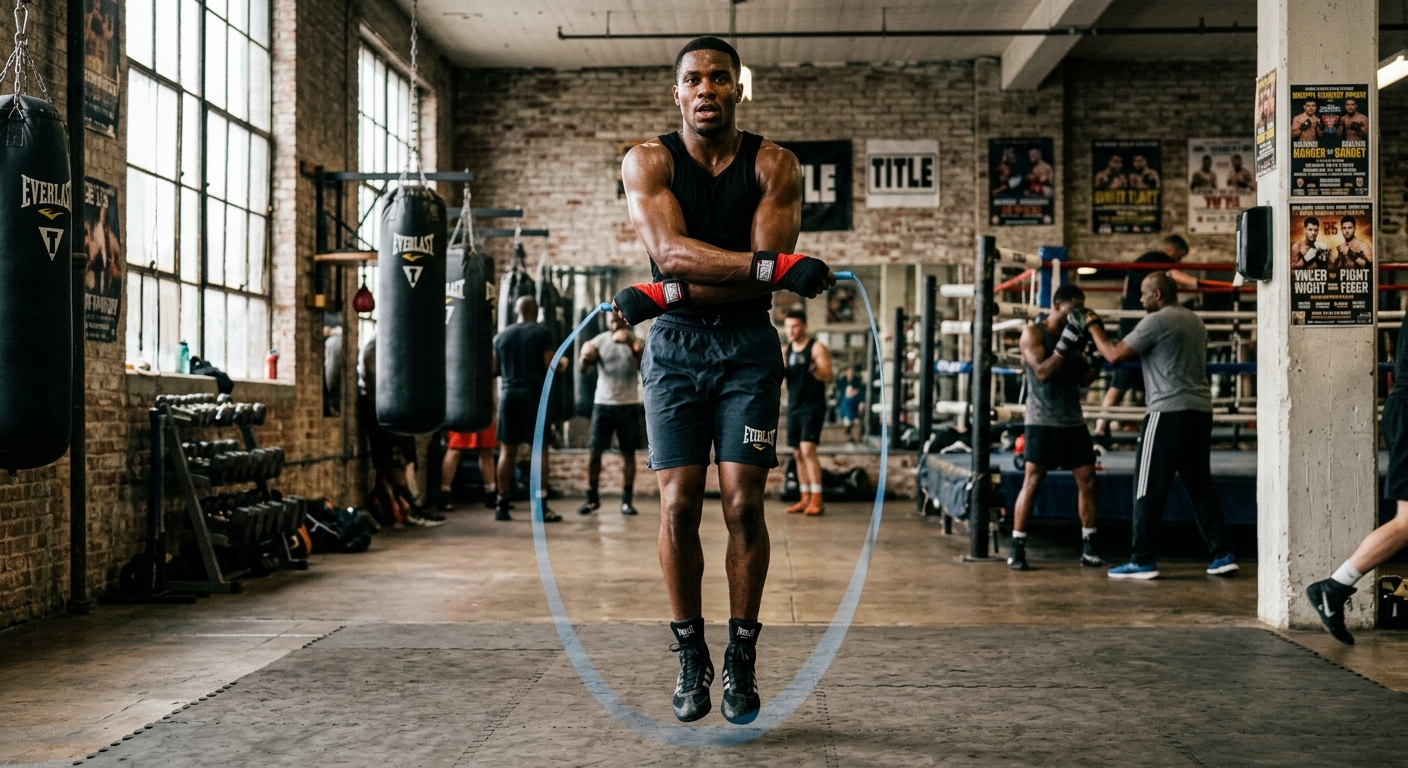
Pro fighters didn’t begin throwing 800 punches per round. Boxing scales from total beginner to world champion. You might start with basic jabs and crosses for 30-second intervals. Advanced students work complex combinations for full three-minute rounds.
The best part is that boxing automatically adjusts to your current fitness level. As you get stronger, you naturally throw harder and faster. You don’t need to add external resistance like weights or change the incline like cardio machines.
Why boxers stay lean year-round
Professional fighters maintain extremely low body fat percentages even when they aren’t preparing for a fight. This happens because boxing training creates perfect conditions for fat loss: high calorie expenditure, muscle preservation, and metabolic enhancement.
The combination of explosive movements and sustained work triggers both immediate calorie burning and long-term metabolic changes. When you add the mental component, you have a sustainable approach to fitness that feels more like play than punishment.
Getting started safely
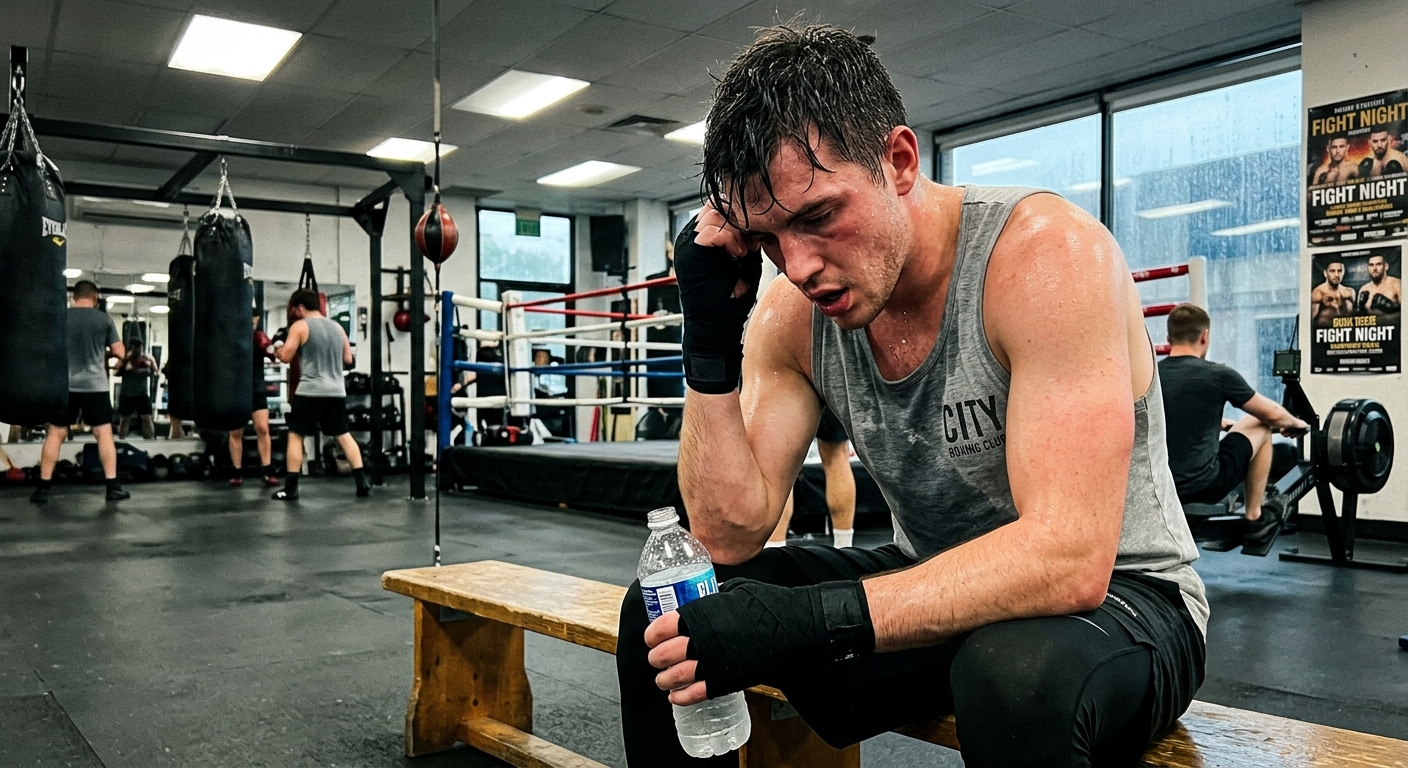
You don’t need to get punched in the face to get the conditioning benefits. Heavy bag training, pad work with a trainer, and shadow boxing provide all the fitness advantages with almost no injury risk.
Good instruction matters more than intensity. Proper technique prevents injury and maximizes results. Poor form not only limits your fitness gains but can cause shoulder, wrist, or back problems. Start with a qualified trainer or structured program rather than trying to figure it out on your own.
Boxing might seem intimidating from the outside, but the conditioning benefits are available to anyone willing to learn proper technique and put in consistent work. You don’t need to compete or even spar. The training alone will change your cardiovascular fitness, body composition, and overall athleticism in ways that traditional cardio simply can’t match.
The next time you wonder why fighters look so incredibly fit, remember: it’s not just genetics or extreme dedication. It’s access to the most effective form of cardiovascular training disguised as skill development. And that combination of fun, challenge, and results is why boxing gyms are packed with people who’ve tried everything else.