
The heavy bag isn’t just for boxers anymore. This powerful piece of equipment has become the secret weapon for anyone serious about weight loss, offering one of the most effective calorie-burning workouts available. While a typical gym session might burn 300-400 calories, a proper heavy bag workout can torch 500+ calories in just 45 minutes.The beauty of heavy bag training lies in its combination of high-intensity cardio, strength training, and explosive movements. Unlike running on a treadmill or cycling, heavy bag workouts engage your entire body while building functional strength and improving coordination.
Why Heavy Bag Training Burns More Calories Than Traditional Cardio
Heavy bag training creates what exercise scientists call “excess post-exercise oxygen consumption” (EPOC). This means your body continues burning calories at an elevated rate for hours after your workout ends. The explosive punching movements, combined with constant core engagement and footwork, create a metabolic demand that traditional steady-state cardio simply can’t match.The numbers speak for themselves. A 150-pound person can burn:
- 400-450 calories per hour with moderate heavy bag training
- 500-600 calories per hour with intense heavy bag sessions
- 300-350 calories with running at 6 mph
- 250-300 calories with cycling at moderate pace
The key difference is intensity. Heavy bag training naturally incorporates high-intensity intervals as you alternate between explosive punching combinations and brief recovery periods.
The Science Behind Heavy Bag Calorie Burn
Heavy bag workouts combine multiple energy systems, creating maximum calorie burn through:Anaerobic Power: Short bursts of maximum effort punching combinations
Aerobic Endurance: Sustained movement and footwork throughout rounds
Muscle Recruitment: Full-body engagement from legs to core to arms
Recovery Demand: Your body works overtime to recover between roundsThis combination creates what researchers call “metabolic conditioning” – training that improves your body’s ability to produce and utilize energy efficiently while burning maximum calories during and after the workout.
Essential Heavy Bag Techniques for Maximum Calorie Burn
The most effective heavy bag workouts for weight loss focus on combination punching, constant movement, and maintaining high intensity throughout rounds.
Basic Power Combinations
The Burner Combo (1-2-3-2)
Start with a jab (1), follow with a cross (2), add a hook (3), then finish with another cross (2). This four-punch combination engages your entire body while maintaining continuous movement. Throw this combination for 30 seconds straight, focusing on power and speed.The Cardio Crusher (1-2-Hook-Uppercut-1-2)
This six-punch sequence maximizes calorie burn by incorporating different punch angles and body movements. Start slow to master the technique, then increase speed and power as you build confidence.
Advanced Fat-Burning Combinations
The Metabolic Meltdown
Combine punching with movement: throw a 1-2 combination, step to the left, throw a hook, step to the right, throw another hook, then reset with a jab-cross. This pattern keeps your heart rate elevated while building explosive power.The Calorie Incinerator
Mix body shots with head shots in rapid succession: jab to the head, cross to the body, hook to the head, uppercut to the body. This vertical movement pattern engages your core more intensely while maintaining high calorie burn.
High-Intensity Heavy Bag Workout Routines
Beginner Fat-Burning Routine (20 minutes, 300-400 calories)
Round 1-3 (2 minutes work, 1 minute rest)
- 30 seconds: Basic jab-cross combinations at moderate pace
- 30 seconds: Hook combinations (left hook, right hook)
- 30 seconds: Uppercut practice
- 30 seconds: Free combination mixing all punches
Round 4-6 (90 seconds work, 90 seconds rest)
- Focus on the Burner Combo (1-2-3-2)
- Emphasize proper form over speed
- Add light footwork between combinations
Intermediate Calorie-Torching Routine (30 minutes, 450-550 calories)
Round 1-2 (3 minutes work, 1 minute rest)
- 45 seconds: Power jab-cross combinations
- 45 seconds: Hook combinations with body movement
- 45 seconds: Uppercut-hook combinations
- 45 seconds: Free combinations at high intensity
Round 3-4 (3 minutes work, 1 minute rest)
- 60 seconds: The Cardio Crusher sequence
- 60 seconds: Body shot combinations
- 60 seconds: Head-body-head combinations with movement
Round 5-6 (2 minutes work, 2 minutes rest)
- Maximum intensity free combinations
- Focus on explosive power and continuous movement
Advanced Fat-Melting Routine (45 minutes, 600+ calories)
Phase 1: Power Development (15 minutes)
- 5 rounds of 2 minutes work, 1 minute rest
- Focus on maximum power single shots and double combinations
- Emphasize perfect technique even at high intensity
Phase 2: Metabolic Conditioning (20 minutes)
- 4 rounds of 4 minutes work, 1 minute rest
- Continuous combination punching with movement
- Incorporate the Metabolic Meltdown and Calorie Incinerator sequences
Phase 3: Finishing Sprint (10 minutes)
- 5 rounds of 1 minute work, 1 minute rest
- Maximum intensity, all-out effort
- Mix all combinations learned in previous phases
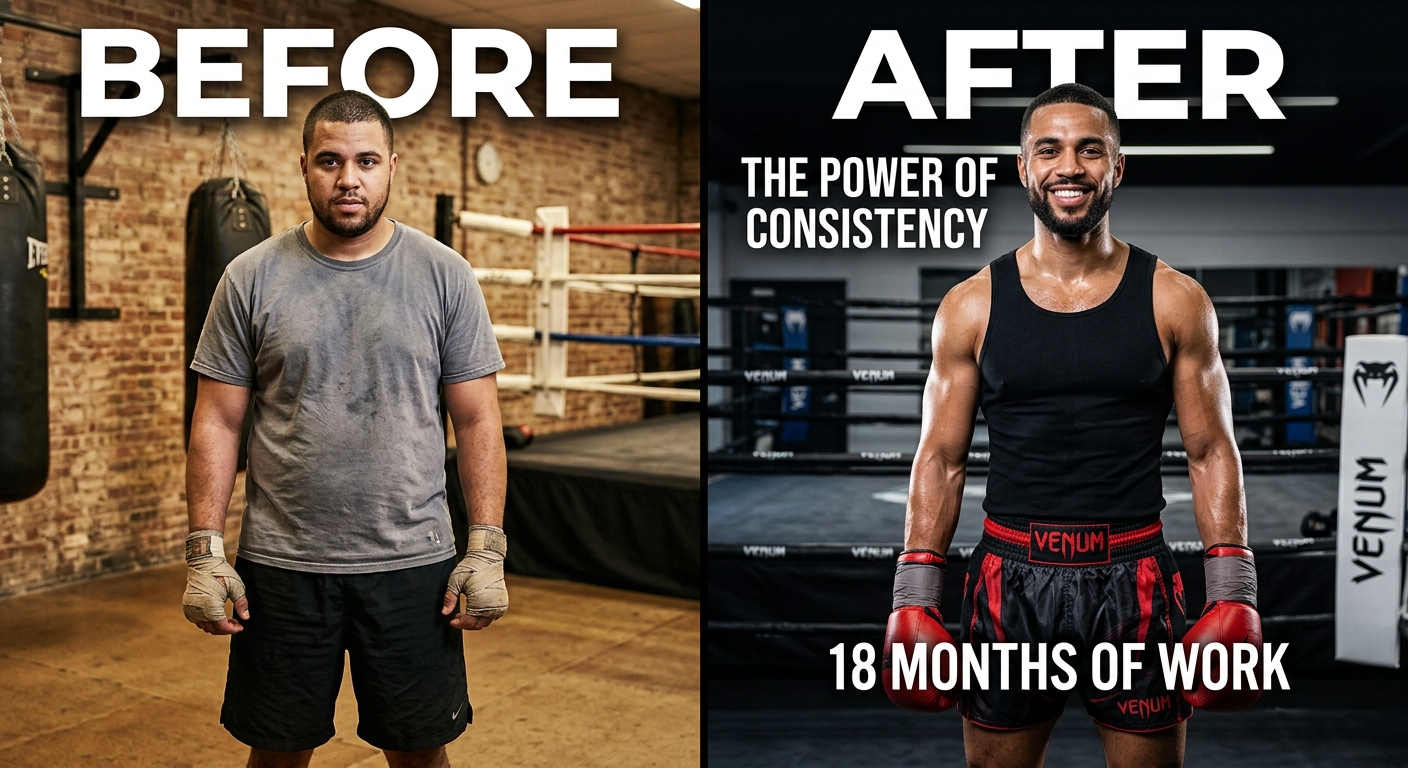
Maximizing Calorie Burn: Form and Technique Tips
Proper technique doesn’t just prevent injury – it maximizes calorie burn by ensuring full-body engagement and power generation.
Power Generation Fundamentals
Hip Rotation: Every punch should start from your hips. This generates maximum power while engaging your core muscles throughout the workout. Poor hip rotation reduces calorie burn by up to 30%.Foot Positioning: Maintain proper boxing stance with feet shoulder-width apart. Your weight should shift from back foot to front foot with each cross, creating additional calorie burn through constant leg engagement.Core Engagement: Keep your core tight throughout every combination. This isometric contraction burns additional calories while building functional strength.
Movement Patterns for Maximum Burn
Lateral Movement: Don’t just stand and punch. Move left and right around the bag, throwing combinations from different angles. This lateral movement engages different muscle groups and increases calorie expenditure.Forward and Back: Step in with combinations, then step back to reset. This constant movement pattern keeps your heart rate elevated while building ring-ready footwork.Circling: Walk around the bag throwing combinations as you move. This pattern most closely mimics actual boxing and provides the highest calorie burn potential.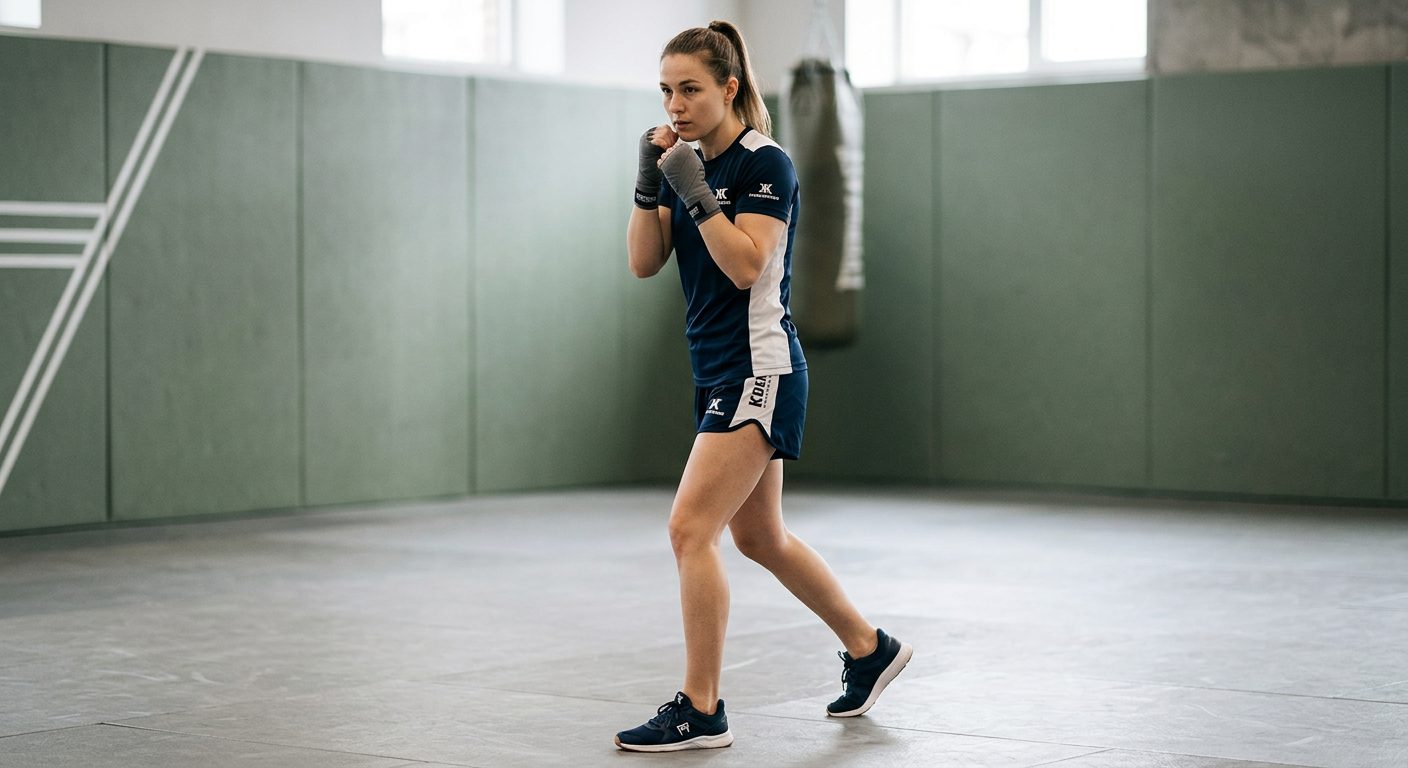
Tracking Your Calorie Burn and Progress
Accurate tracking helps maintain motivation and ensures you’re hitting your calorie burn targets consistently.
Heart Rate Monitoring
For maximum calorie burn accuracy, use a heart rate monitor during heavy bag sessions. Target heart rate zones for optimal fat burning:
- Fat Burn Zone: 60-70% of maximum heart rate (220 minus your age)
- Cardio Zone: 70-85% of maximum heart rate
- Peak Zone: 85-95% of maximum heart rate for short bursts
Heavy bag training naturally incorporates all three zones through its interval structure, maximizing both immediate calorie burn and post-workout metabolic boost.
Progress Tracking Metrics
Rounds Completed: Track how many full rounds you can complete at high intensity
Combination Accuracy: Monitor your ability to maintain proper form as intensity increases
Recovery Time: Notice how quickly your heart rate returns to baseline between rounds
Power Endurance: Track your ability to maintain punch power throughout longer sessionsThe most successful heavy bag weight loss programs combine consistent training with proper tracking. Use a dedicated boxing timer to maintain round structure and monitor improvement over time.
Common Mistakes That Reduce Calorie Burn
Even with good intentions, many people unknowingly sabotage their calorie-burning potential through common technical and strategic mistakes.
Technical Errors
Arm Punching: Using only your arms reduces calorie burn by eliminating leg and core engagement. Every punch should involve your entire kinetic chain from feet to fist.Static Positioning: Standing in one spot and throwing punches burns significantly fewer calories than incorporating movement and footwork patterns.Inconsistent Intensity: Taking long breaks between punches or combinations allows your heart rate to drop, reducing overall calorie expenditure.
Programming Mistakes
Too Much Rest: Extended rest periods between rounds cool down your metabolic rate. Keep rest periods short enough to maintain elevated heart rate.Insufficient Round Length: Rounds shorter than 90 seconds don’t provide enough sustained work to maximize calorie burn. Build up to 2-3 minute rounds for optimal results.Lack of Progression: Using the same routine without increasing intensity, duration, or complexity limits your body’s adaptation and calorie-burning potential.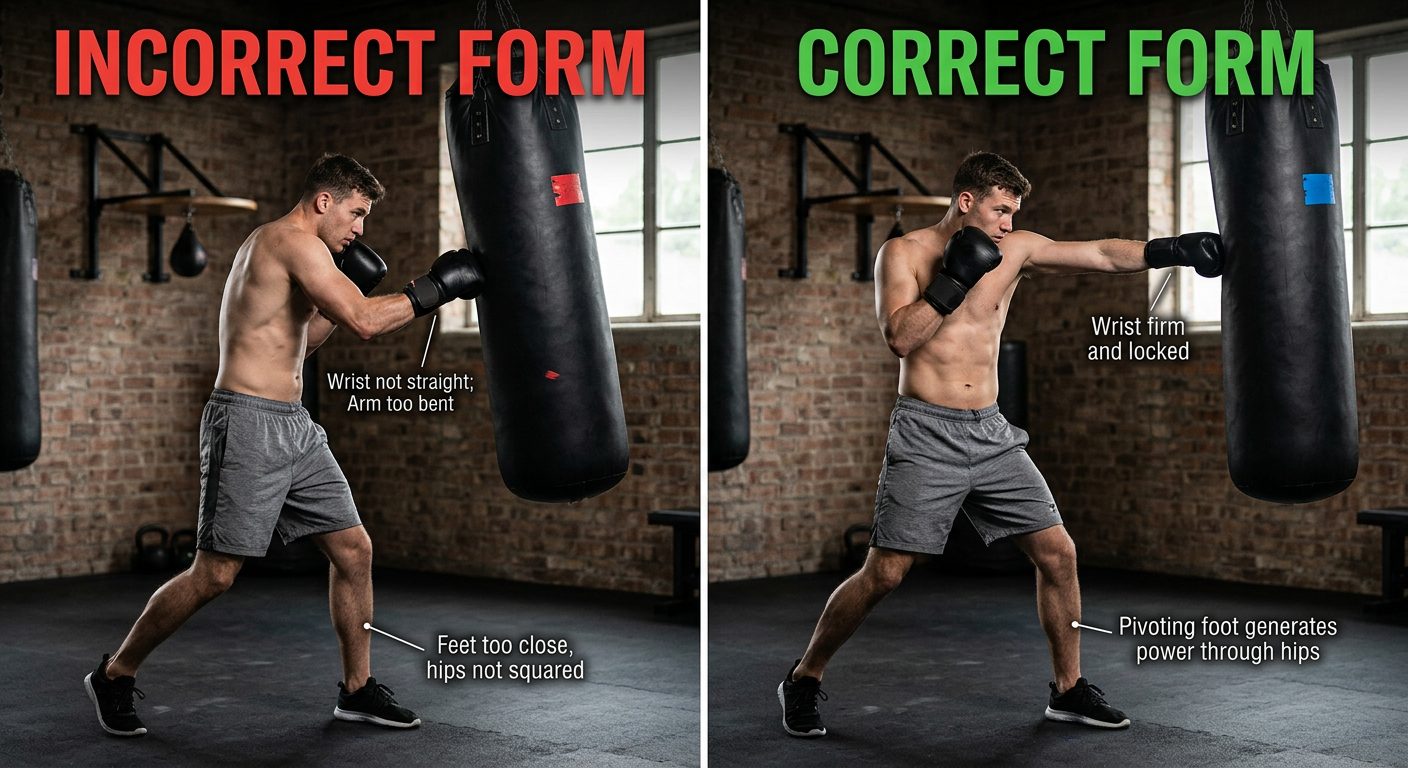
Nutrition and Recovery for Heavy Bag Weight Loss
Heavy bag training creates significant metabolic demands that require proper nutrition and recovery strategies to maximize weight loss results.
Pre-Workout Nutrition
Timing: Eat 30-60 minutes before training for optimal energy without digestive discomfort
Composition: Focus on easily digestible carbohydrates with minimal fat and fiber
Examples: Banana with a small amount of peanut butter, or a small handful of dates
Post-Workout Recovery
Immediate (0-30 minutes): Consume protein and simple carbohydrates to support recovery and maintain elevated metabolism
Extended (2-4 hours): Focus on complete meals with lean protein, complex carbohydrates, and healthy fatsThe post-workout period is crucial for weight loss success. Your body continues burning calories at an elevated rate for 12-24 hours after intense heavy bag training, provided you support this process with proper nutrition.
Hydration for Maximum Performance
Dehydration reduces both performance and calorie burn. Aim for:
- 16-20 oz of water 2-3 hours before training
- 6-8 oz every 15-20 minutes during training
- 16-24 oz for every pound lost through sweat after training
Building Your Heavy Bag Weight Loss Program
Creating a sustainable heavy bag weight loss program requires balancing intensity, frequency, and progression while allowing adequate recovery.
Weekly Programming Structure
Beginners (2-3 sessions per week)
- Monday: 20-minute basic combination workout
- Wednesday: 25-minute technique-focused session
- Friday: 20-minute high-intensity interval workout
Intermediate (3-4 sessions per week)
- Monday: 30-minute power and combination workout
- Tuesday: 20-minute high-intensity metabolic session
- Thursday: 35-minute endurance and movement workout
- Saturday: 25-minute technique refinement and new combinations
Advanced (4-5 sessions per week)
- Monday: 45-minute comprehensive workout
- Tuesday: 30-minute high-intensity interval training
- Wednesday: 40-minute technical and combination work
- Friday: 50-minute endurance and power session
- Sunday: 30-minute active recovery and technique practice
Progressive Overload for Continued Weight Loss
Week 1-2: Master basic combinations and establish work capacity
Week 3-4: Increase round duration and reduce rest periods
Week 5-6: Add advanced combinations and movement patterns
Week 7-8: Incorporate maximum intensity intervals and complex sequencesThe key to long-term weight loss success with heavy bag training is consistent progression. Your body adapts quickly to repetitive stress, so continuously challenge yourself with new combinations, longer rounds, or higher intensity intervals.
Equipment and Setup for Maximum Results
The right equipment setup maximizes both safety and calorie-burning potential during heavy bag workouts.
Heavy Bag Selection
Weight Guidelines: Choose a bag that weighs approximately half your body weight. A 150-pound person should use a 75-80 pound bag for optimal resistance and rebound.Filling Material: Fabric and sand-filled bags provide consistent density and proper impact absorption. Avoid water-filled bags for serious training.Mounting: Ensure your bag is securely mounted to handle high-intensity training. Poor mounting reduces power generation and limits calorie burn potential.
Essential Training Gear
Hand Wraps: Proper hand protection allows you to punch with maximum power throughout entire workouts. Injured hands severely limit training consistency.Boxing Gloves: 12-16 oz gloves provide adequate protection for heavy bag training while allowing full power generation. Heavier gloves add resistance training benefits.Athletic Footwear: Cross-training shoes with good lateral support allow for proper footwork and movement patterns essential for maximum calorie burn.For optimal training structure and intensity management, use a dedicated boxing timer that handles round timing automatically. This allows you to focus entirely on technique and power rather than watching a clock.
Long-Term Success and Plateau Prevention
Heavy bag training for weight loss requires strategic program evolution to prevent plateaus and maintain progress over months and years.
Signs of Training Adaptation
Decreased Perceived Exertion: If your usual workout feels easier, your body has adapted and requires increased challenge
Reduced Heart Rate Response: If your heart rate doesn’t elevate as high during familiar workouts, increase intensity or complexity
Weight Loss Plateau: If weight loss stalls despite consistent training, modify your program structure
Advanced Progression Strategies
Complex Combination Sequences: Link multiple combinations together with specific transition patterns
Time-Under-Tension Variations: Alternate between explosive bursts and controlled, powerful punching
Asymmetrical Training: Focus on weak-side development to challenge coordination and increase calorie burn
Reactive Training: Incorporate unpredictable element timing and combination selectionThe most successful long-term heavy bag weight loss programs evolve continuously, keeping both mind and body challenged while maintaining the fundamental principles of intensity, consistency, and proper technique.Heavy bag training offers unmatched calorie-burning potential when approached with proper technique, strategic programming, and consistent progression. The combination of high-intensity intervals, full-body engagement, and explosive power development creates a metabolic demand that continues burning calories long after your workout ends.Whether you’re burning 400 calories as a beginner or torching 600+ calories in advanced sessions, heavy bag training provides a sustainable, engaging path to significant weight loss. The key lies in mastering fundamental techniques, maintaining proper intensity, and progressively challenging yourself with more complex combinations and longer training sessions.Start with the beginner routine, focus on perfect technique, and gradually build toward the advanced programs. With consistent application of these principles, heavy bag training becomes not just an effective weight loss tool, but a lifelong fitness solution that builds strength, coordination, and confidence while melting away unwanted pounds.