
Choosing the right boxing gloves can make or break your training. Too small and you risk injury. Too big and your technique suffers. After years of testing gloves from 8oz sparring weights to 20oz training monsters, here’s everything you need to know about sizing gloves properly.
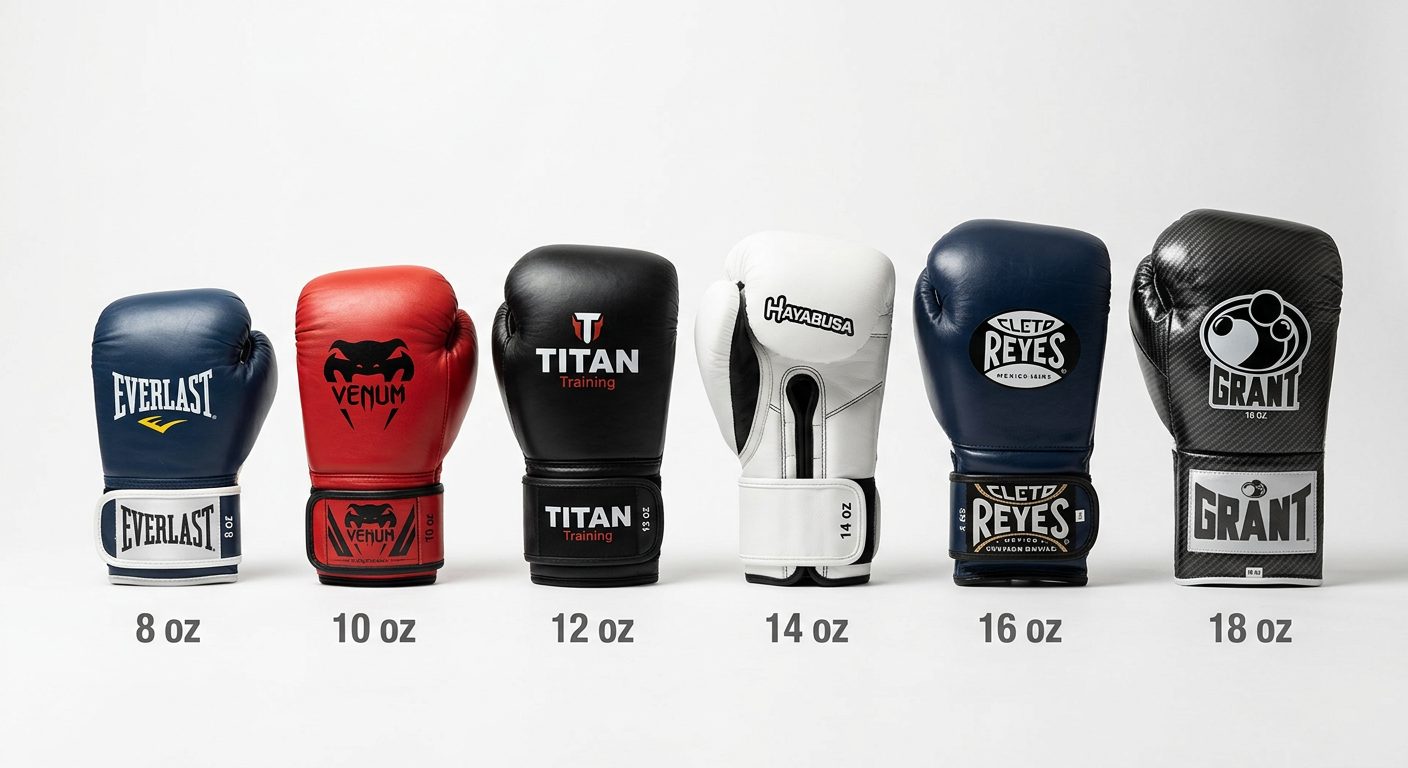
Boxing Glove Size Chart (Quick Reference)
Weight (oz) | Primary Use | Hand Circumference
- 8-10oz | Competition, advanced pad work | 6.5-7.5 inches
- 12oz | Light sparring, speed training | 7-8 inches
- 14oz | General training, medium sparring | 7.5-8.5 inches
- 16oz | Heavy bag work, standard sparring | 8-9 inches
- 18-20oz | Conditioning, safety-first sparring | 8.5-9.5+ inches
Why Boxing Glove Size Matters More Than You Think
Boxing gloves aren’t just protective gear. They’re training tools that shape how you punch, defend, and develop as a fighter. The wrong size creates bad habits that stick around long after you upgrade your gear.
When gloves are too small, your hands cramp inside the padding. You compensate by changing your fist position, which weakens your punches and increases injury risk. Too large and you lose sensitivity for proper technique. Your timing gets thrown off because the extra bulk changes how your hands move.
Professional boxers often train in 16oz gloves but fight in 10oz. This isn’t arbitrary. The heavier training gloves build endurance and protect sparring partners, while lighter competition gloves allow speed and precision.
How to Measure Your Hands for Boxing Gloves
Step 1: Measure Hand Circumference
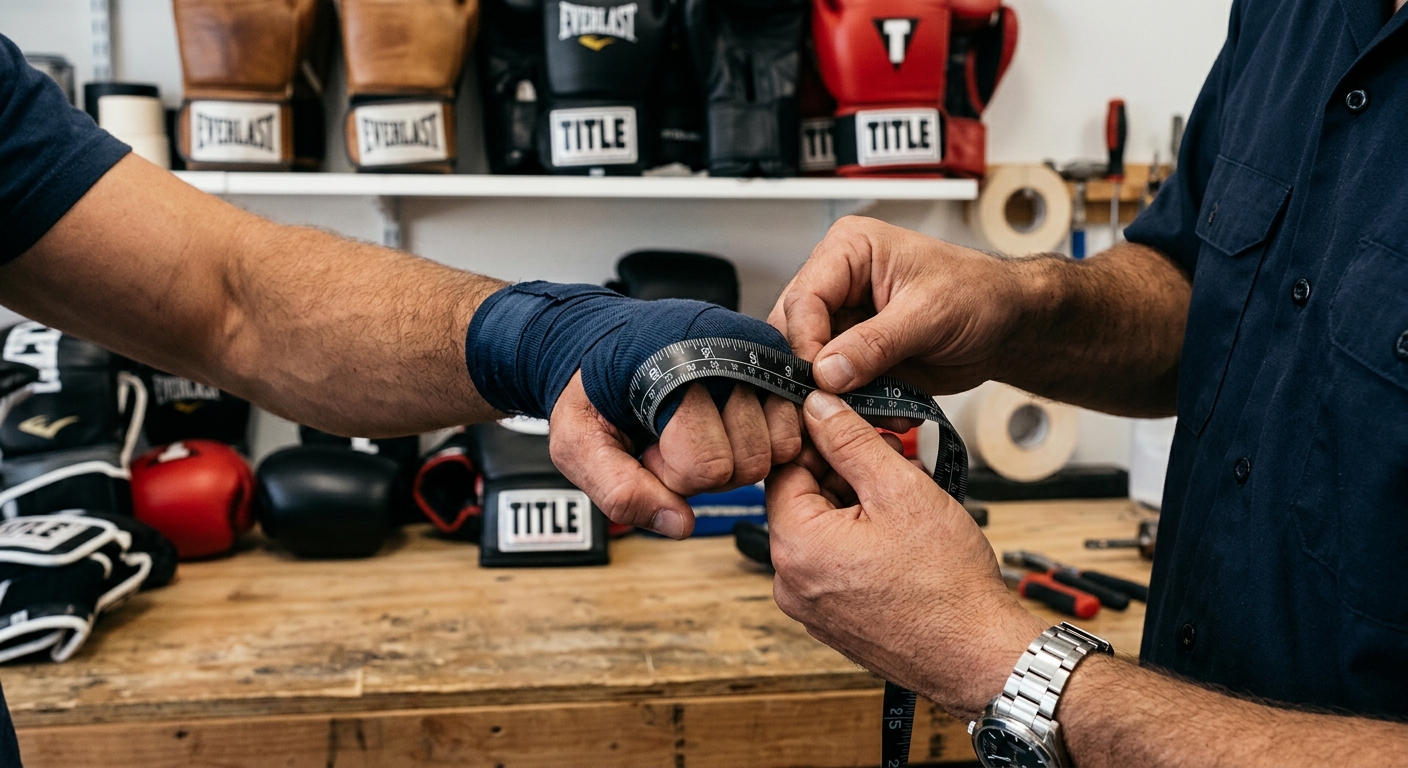
Wrap a measuring tape around your dominant hand just below the knuckles. Don’t include your thumb. Most people fall between 7-9 inches.
Step 2: Consider Your Training Style
- Heavy bag focused: Go one size up for wrist support
- Speed work emphasis: Stay true to size or go down
- Regular sparring: Prioritize 16oz for partner safety
- Competition prep: Match your fight weight requirements
Step 3: Factor In Hand Wraps
Always measure with hand wraps on. Quality wraps add 0.5-1 inch to your hand circumference. Skip this step and your gloves will feel too tight during actual training.
Boxing Glove Sizes by Training Type
Heavy Bag Training (14-16oz Recommended)
Heavy bag work demands wrist support over speed. The repeated impact of hitting a 70-pound bag will destroy your joints without proper padding. 14oz works for lighter athletes (under 150lbs), but most people should use 16oz.
Why heavier is better for bags: More padding distributes impact force across your hand. Your wrists stay aligned longer during extended sessions. The extra weight also builds shoulder endurance.
Sparring (16oz Standard)
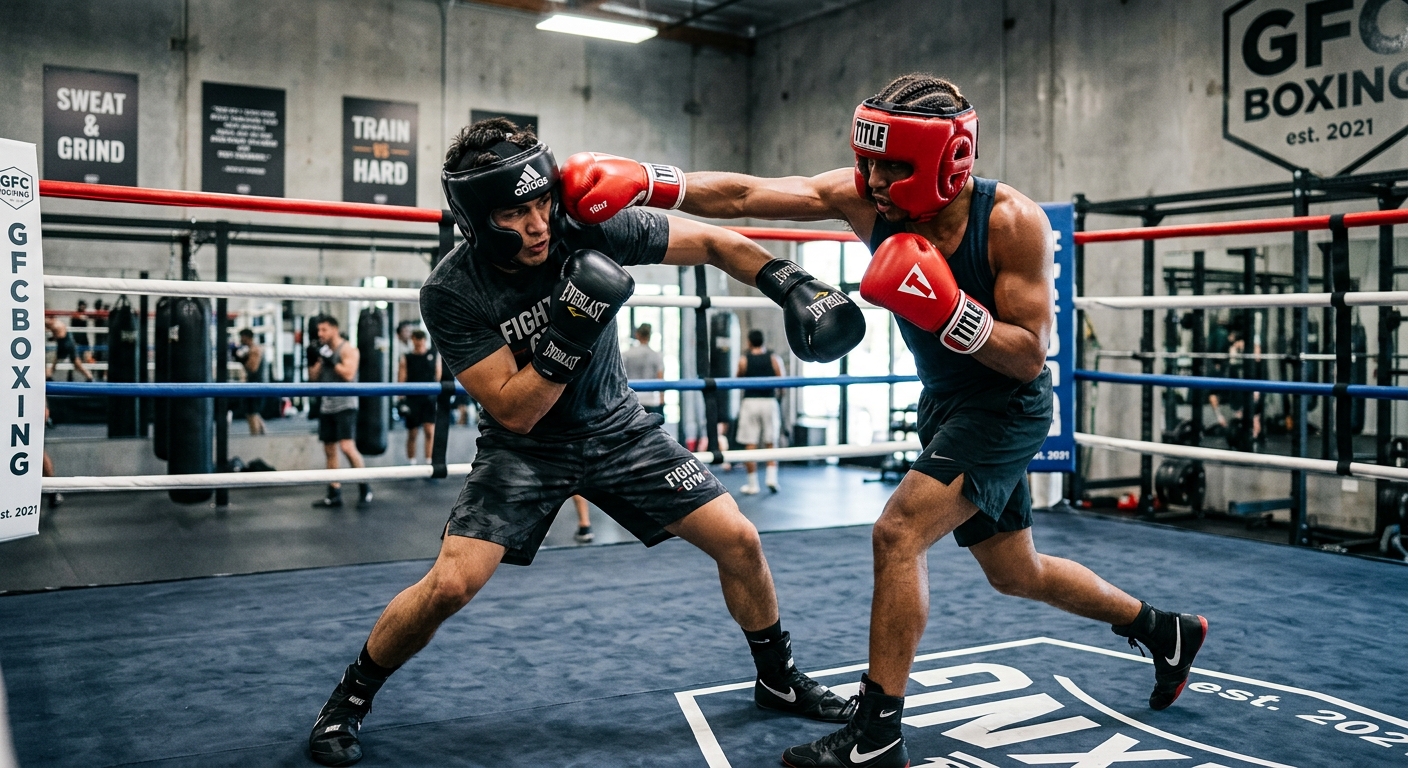
Most gyms require 16oz gloves for sparring, regardless of your weight class. This isn’t about tradition – it’s about keeping training partners healthy. Lighter gloves hit harder and cause more damage.
Pad Work (12-14oz Optimal)
Pad work requires precision timing. Heavy gloves slow down your combinations and make it harder to develop hand speed. 12oz gloves offer enough protection for pad work while maintaining sensitivity.
Competition (8-12oz Based on Weight Class)
Amateur boxing: 10oz for 152lbs+, 12oz under 152lbs
Professional boxing: 8-10oz depending on weight division
Always check specific competition rules before purchasing.
Boxing Glove Weight vs Hand Size Guide
Small Hands (6.5-7.5″ circumference):
- Training: 14oz
- Sparring: 16oz
- Competition: 8-10oz
Medium Hands (7.5-8.5″ circumference):
- Training: 16oz
- Sparring: 16oz
- Competition: 10oz
Large Hands (8.5-9.5″ circumference):
- Training: 16-18oz
- Sparring: 16-18oz
- Competition: 10oz
Extra Large Hands (9.5″+ circumference):
- Training: 18-20oz
- Sparring: 18-20oz
- Competition: 10oz
Common Glove Sizing Mistakes
Mistake 1: Buying Based on Weight Class
Your competition weight doesn’t determine training glove size. A 135lb fighter with large hands still needs 16oz sparring gloves, not 12oz.
Mistake 2: Ignoring Hand Wraps
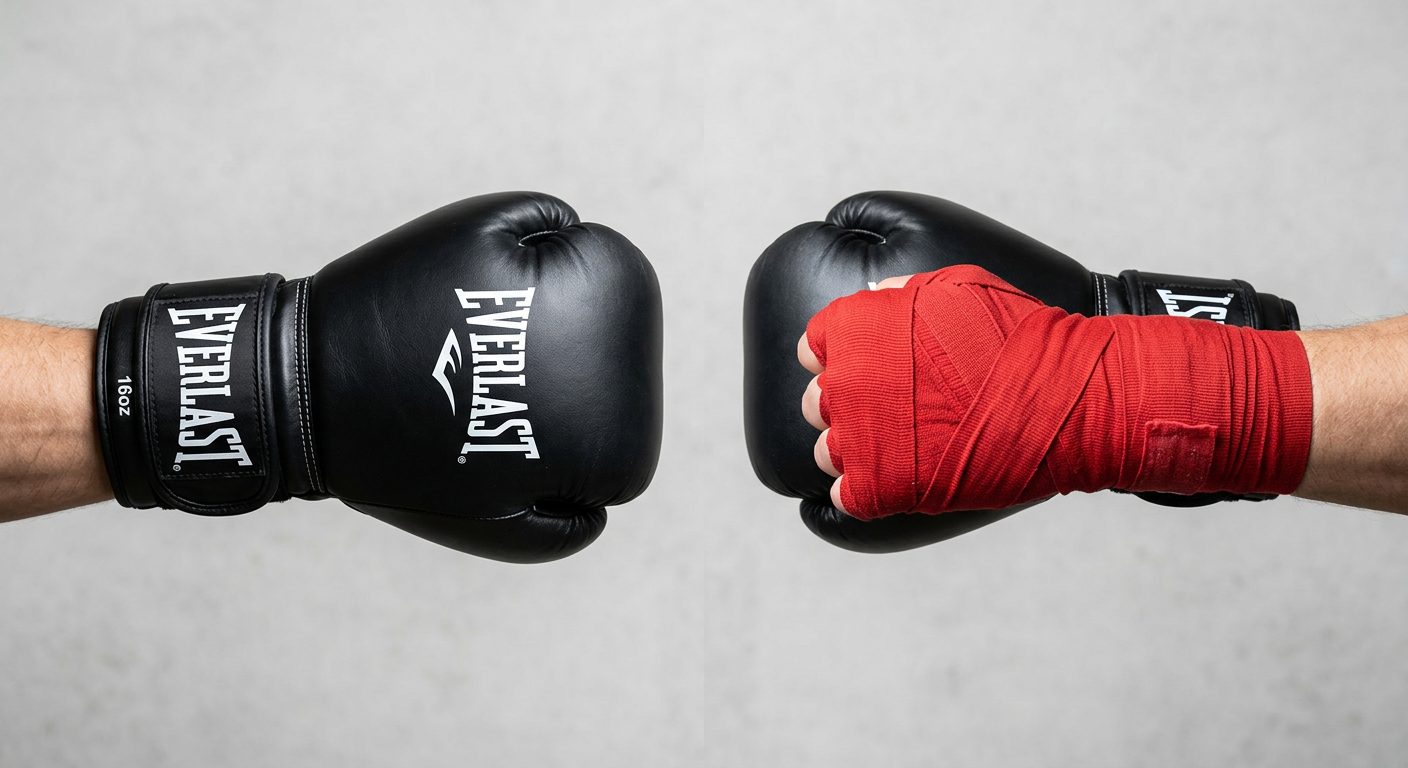
Trying gloves on bare hands gives a false fit. Always test with your usual hand wrap setup.
Mistake 3: Prioritizing Speed Over Safety
Beginners often want light gloves thinking it makes them faster. Heavy training gloves build proper form and conditioning. Speed comes from technique, not equipment.
Mistake 4: Using One Pair for Everything
Different training requires different tools. Serious boxers own multiple pairs: heavy for bags, standard for sparring, light for pad work.
Brand Sizing Differences
Boxing glove sizing isn’t standardized across brands. A 16oz Everlast fits differently than a 16oz Winning. Here’s what to expect:
Wider Fits: Everlast, Title, Rival
Narrower Fits: Winning, Grant, Reyes
True to Size: Cleto Reyes, Twins Special, Fairtex
Pro Tip: Read reviews from people with similar hand measurements. Brands that run small might work if you’re between sizes.
When to Size Up or Down
Size Up If:
- Your hands swell during long training sessions
- You primarily hit heavy bags
- You have wide knuckles or thick fingers
- You’re prone to hand injuries
Size Down If:
- You focus mainly on pad work and speed training
- Your hands are narrow for your circumference measurement
- You’re preparing for competition
- You have excellent hand conditioning
Boxing Gloves for Different Experience Levels
Beginners (First 6 Months)
Start with one pair of 16oz gloves. This size works for bags, pads, and light sparring. Focus on learning proper technique before worrying about specialized gear.
Heavy Bag Pro Integration: Use your smartphone’s boxing timer app instead of expensive gym equipment. Set 3-minute rounds with 1-minute rest to match real boxing timing.
Intermediate (6 Months – 2 Years)
Add a 14oz pair for heavy bag work. The variety helps prevent overuse injuries and keeps training interesting. Stick with 16oz for sparring.
Advanced (2+ Years)
Consider specialized gloves: 18oz for heavy conditioning, 12oz for speed work, competition weight for fight prep. Quality matters more than quantity at this level.
Maintenance Tips for Longer Glove Life
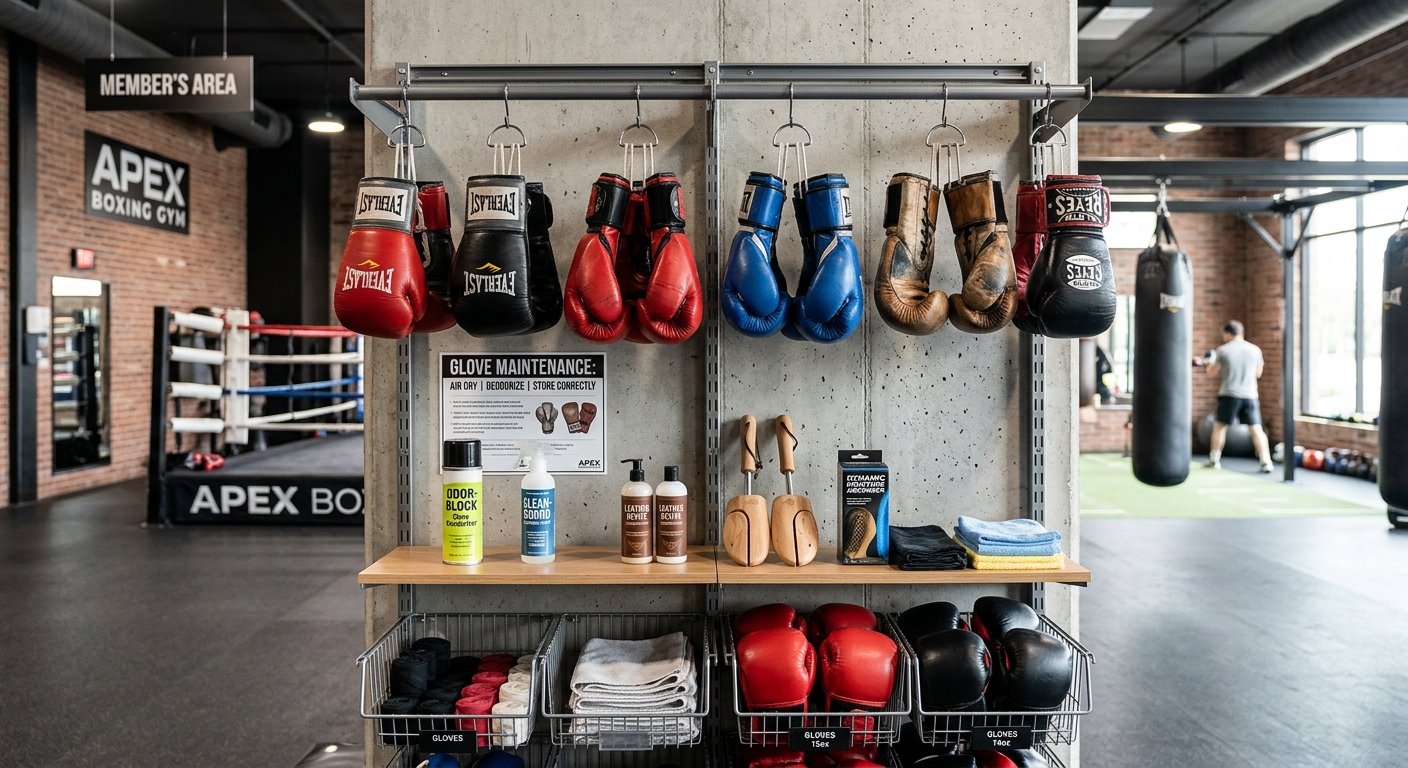
Proper care extends glove life and prevents bacteria buildup:
- Air dry immediately after training – Never store wet gloves in a bag
- Use glove deodorizers – Cedar chips or specialized sprays work well
- Rotate between pairs – Don’t use the same gloves daily
- Store properly – Hang or lay flat, never crumpled
Budget Considerations
Entry Level ($30-60): Everlast Pro Style, Title Classic
Mid Range ($60-120): Hayabusa T3, Venum Challenger
High End ($150-300): Winning, Grant, Cleto Reyes
Professional ($300+): Custom fit gloves for serious competitors
Don’t cheap out completely, but you don’t need $200 gloves as a beginner. Focus on proper fit and adequate padding over brand names.
Making Your Final Decision
- Measure your hands properly with wraps on
- Consider your primary training focus (bags vs sparring vs competition)
- Read reviews from people with similar hand size
- Factor in your experience level and budget
- Buy from retailers with good return policies
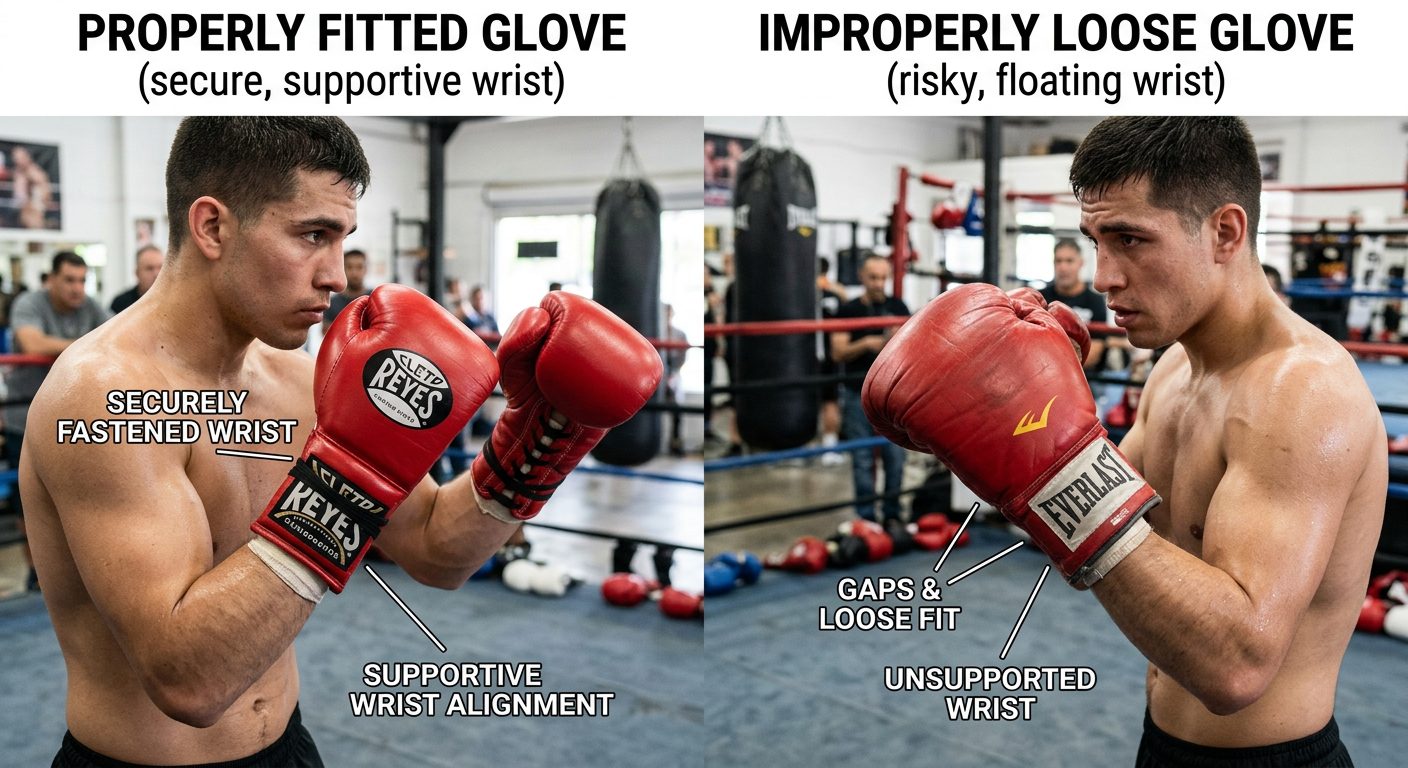
The perfect gloves feel secure without being tight, allow full fist closure, and don’t slide around during training. Your knuckles should sit in the center of the padding, and your wrists should feel supported.
Remember, boxing gloves are an investment in your safety and development. The right pair protects your hands, improves your training, and lasts for years. Take time to choose wisely rather than rushing into a purchase you’ll regret.
Heavy Bag Pro makes every training session count with precise round timing and customizable rest periods. Download the app and turn any space into a professional training environment, regardless of your glove choice.
For round timing that matches your training intensity, visit heavybag.pro/boxingtimer/ and take control of your boxing sessions today.