
You’re 62, you’ve never thrown a punch in your life, and you’re seriously thinking about starting boxing. Good. That instinct is worth following.
This article answers the questions people in their 60s have when they’re considering boxing for the first time. Not the soft reassurances. The real questions, with straight answers.
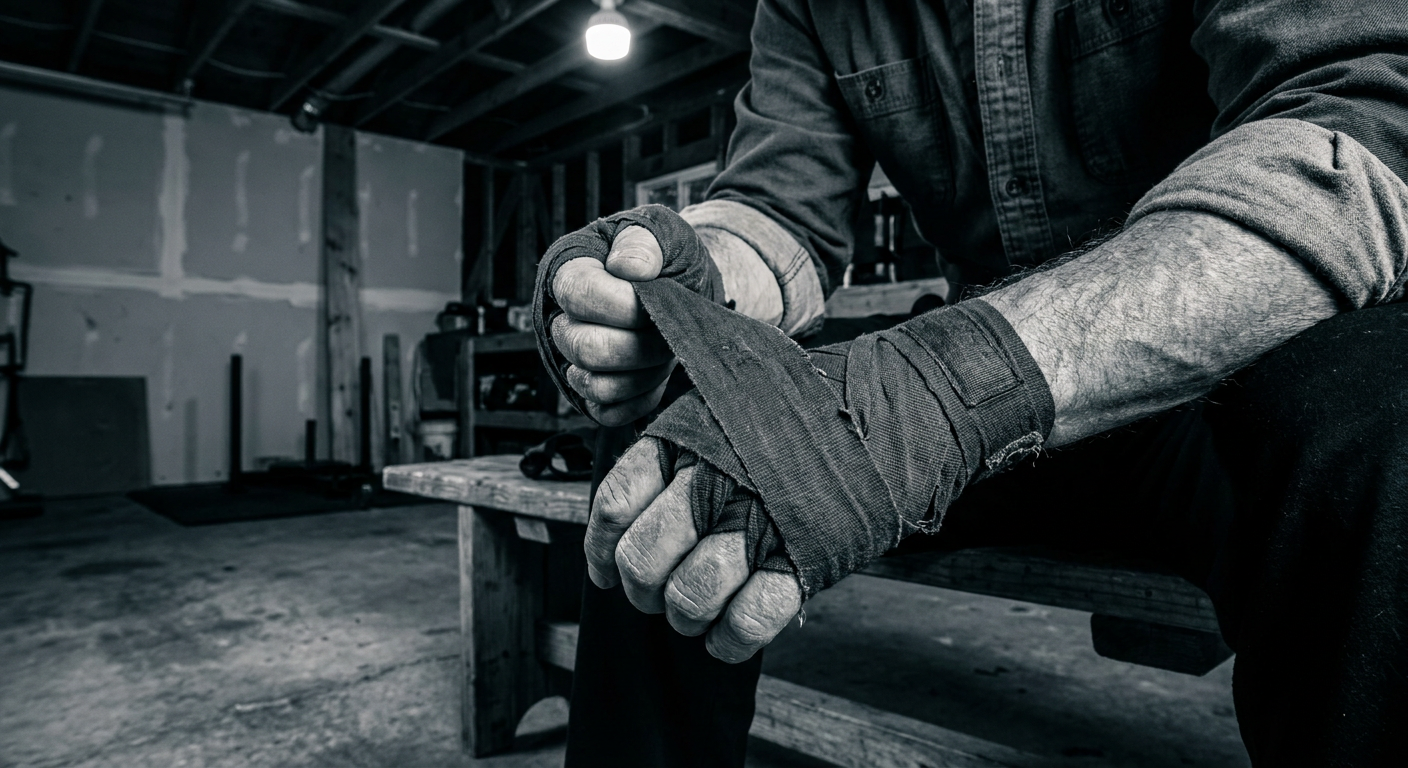
Is it safe to start boxing at 60?
Yes, with conditions. The sport itself is not the risk; the specific activities within it are what need filtering. Bag work, shadowboxing, footwork drills, and pad work with a skilled partner are all low-contact activities that carry roughly the same injury risk as any supervised fitness class. None of those require you to get hit.
Sparring is different. Full-contact sparring at 60 with no prior experience and no medical clearance is not a sensible starting point. Not because you’re old. Because sparring without a solid skill base is dangerous at any age, and the recovery window for head contact shortens as we get older. You can train boxing seriously and indefinitely without ever sparring. Plenty of experienced coaches will tell you the bag, the pads, and the mirror are where the vast majority of real skill development happens anyway.
Get a full physical before your first session. Tell your doctor you plan to do high-intensity interval-style work with bag rounds. If you have high blood pressure, a cardiac history, or joint issues, your doctor may want to run a stress test first. This is not bureaucracy; it’s the same protocol serious masters-level athletes follow before competing. The American College of Sports Medicine’s guidelines for older adults support vigorous exercise with pre-participation screening for sedentary individuals or those with known health conditions.
What does the first month look like?
Slow. Deliberately slow. A good coach starts every new student with stance, footwork, and the mechanics of the jab before anything else moves fast. At 60 that foundation phase takes a bit longer, not because you’re less capable, but because movement patterns that conflict with decades of how you walk, stand, and use your hands take time to overwrite.
Week one is usually: stance, guard position, straight jab, and moving forward and backward in a straight line. That sounds minimal. After 30 minutes of drilling unfamiliar movement at low intensity you’ll feel it in your hips and calves. Week two adds the cross, a turn, and the first feel of the bag. Weeks three and four start to string those together.
Johnny Tocco’s Ringside Gym in Las Vegas, which trained generations of professional fighters, had a house rule: no new student hits the heavy bag until they can demonstrate clean footwork. The same discipline applies here. The bag is not a substitute for technique. Hitting it without form just grooves bad habits into your body.
What are the joint and mobility concerns?
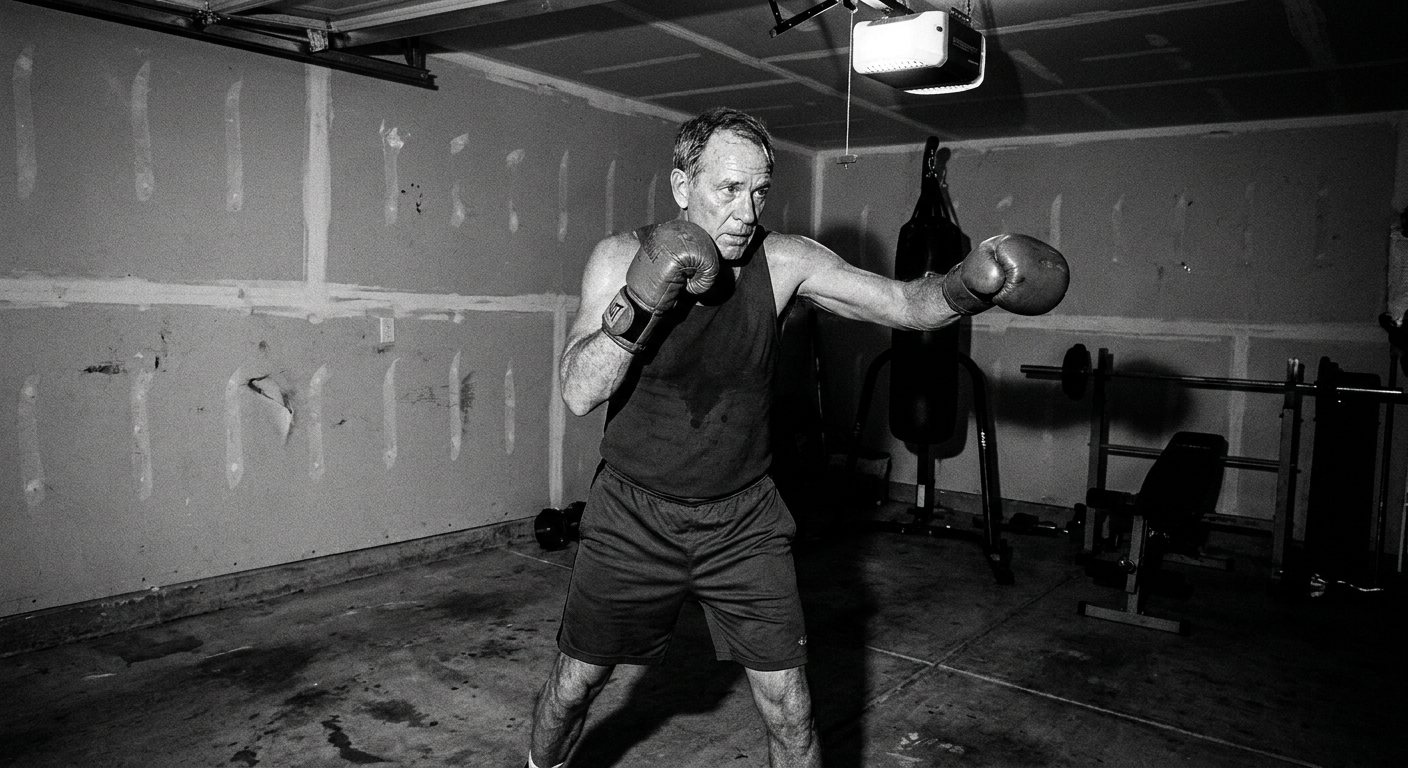
The wrist is the first thing beginners hurt, at any age. Impact force travels up the arm if the wrist is loose at contact. Proper hand wrapping and correctly sized gloves solve most of this. For people over 60 specifically, the wrist tendons and ligaments don’t absorb shock as readily, so wrapping is not optional; it’s the baseline. A good 180cm Mexican-style cotton wrap takes about two minutes and cuts your injury risk significantly.
The shoulder is the second common issue. The rotator cuff takes repetitive load through bag rounds, especially if the shoulder is internally rotated, which is the classic desk worker posture. Spending ten minutes on external rotation work before sessions, and keeping bag rounds short early on (two minutes with adequate rest is a sensible starting range), keeps the shoulder healthy long enough to build work capacity.
Knees matter in pivoting and footwork. The push-off from the back foot in a cross and the hip rotation in hooks both load the knee. If you have any existing knee issues, tell your coach upfront. Most movements can be scaled or modified without losing the training effect. If you’ve had hip or knee replacement, clear it explicitly with your surgeon before starting. Many coaches have trained people post-joint replacement and know how to adapt the footwork patterns accordingly.
How many days per week should you train?
Two sessions per week is the floor. One session per week is not enough frequency to build and retain new motor patterns; the brain needs repetition within a short enough window to consolidate movement memory. Three sessions is solid and sustainable for the majority of new starters. Four is an upper ceiling until you know how your body responds to this specific kind of load.
Boxing is high-demand on the nervous system even when it looks easy. A 45-minute technical session leaves most new students more tired than a similar-duration jog because the cognitive load of processing new movements is high. Recovery time between sessions is part of the training, not wasted time. For a full breakdown of how to structure rest around training loads, the Boxing Recovery and Rest Day Guide covers it well.
Do you need a coach or can you learn from YouTube?
You need a coach. This is not negotiable at 60.
The problem with self-teaching boxing is that you cannot see your own mechanics from outside. You will develop habits based on what feels right, and at 60, what feels right has been shaped by your body’s specific postural patterns, your dominant side, your existing range of motion, and your movement history. A coach corrects these in real time. YouTube cannot see that your left shoulder is dropping three inches when you throw the cross.
One session per week with a good coach plus two self-directed sessions using what the coach gave you is a better model than four YouTube-guided sessions. Even ten sessions spread over a month builds a foundation that will serve you for years. Look for gyms that have masters-level classes or explicitly welcome older beginners. Boxing clubs affiliated with USA Boxing often have structured beginner programs. Ask directly: have they worked with 60-plus beginners before? The answer tells you everything about how that gym will treat you.
Will it improve fitness at this age?
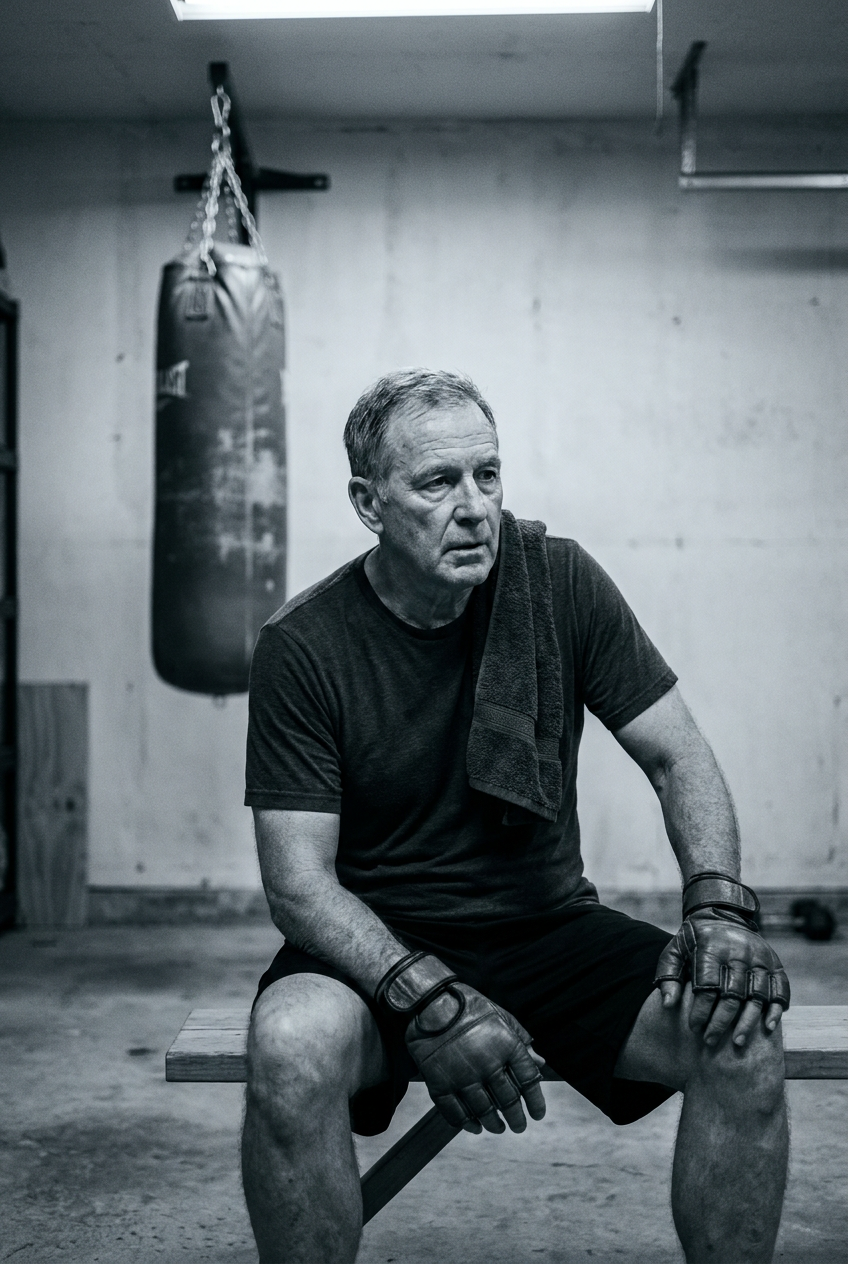
Cardiorespiratory fitness, muscular endurance, hand-eye coordination, and reaction time all respond to training stimulus well into the seventh and eighth decades of life. The rate of adaptation is slower than at 30, and the ceiling for raw performance is lower, but the directional response to training is the same: you put the stimulus in, the body adapts. That fundamental biology does not switch off at 60.
Bernard Hopkins competed at the elite professional level at 49. That’s an outlier, and you’re not Bernard Hopkins. But his career demonstrated that the human boxing body remains trainable and competitive in domains where experience and tactical intelligence offset reduced explosive speed. At the fitness level, without any competitive ambition, the adaptation ceiling is comfortably above “looks and feels meaningfully fitter.” People who start boxing as a fitness tool in their 60s consistently report improved cardio, better posture from the core demands of punching mechanics, and sharper focus from the sustained concentration the training requires.
For more on who’s found it worth the commitment, the honest retrospective in Is Boxing Worth It? 12 Lifelong Trainees Answer includes perspectives from people who started well past their 20s.
What gear do you need to start?
Start with the minimum. Do not buy everything at once.
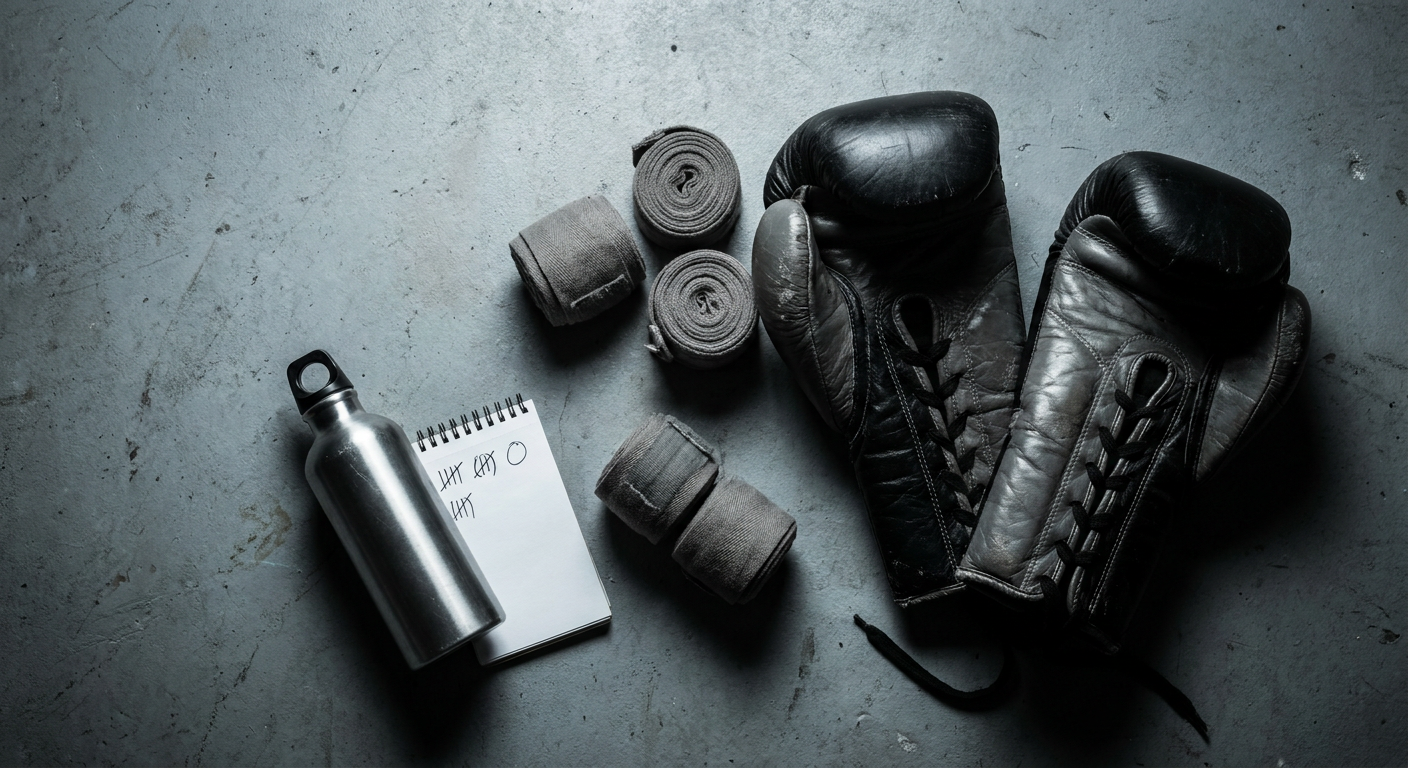
For your first few sessions: hand wraps and bag gloves. That’s it. Wear athletic shoes you already own. Bag gloves in the 12oz to 16oz range suit beginners; heavier is better for wrist support when you’re still learning to land correctly. Cleto Reyes, Winning, and Title all make reliable options. Ask your coach what weight they recommend for your hand size and the bag weight at your gym.
Add a skipping rope in month two once you’ve established a routine and know you’re continuing. Boxing-specific shoes are a genuine upgrade for footwork training but not a day-one requirement. Skip the fancy headgear and mouthguard until the question of whether you’ll spar ever comes up, which for the majority of people at this age and goal, won’t come up for a long time if ever.
What if you already have a condition like arthritis or high blood pressure?
Talk to your doctor first. Always. Non-negotiable rule.
That said, neither arthritis nor well-managed hypertension is an automatic disqualifier. Plenty of coaches have worked with both. Arthritis in the hands affects how you wrap and what gloves you buy, not whether you can train. High blood pressure that is stable and managed can train with appropriate intensity monitoring; your coach needs to know so they don’t push you into maximal-intensity intervals before you’re ready. The Starting Boxing at 50 article covers the medical conversation framework in detail and most of it applies equally at 60.
Controlled, progressive boxing training has been used in cardiac rehabilitation contexts. This is not a reason to skip your doctor’s clearance; it’s a reason not to assume the clearance will be refused.
How do you avoid looking stupid as the oldest person in the gym?
You won’t look stupid. You’ll look like someone learning something new, which is exactly what you are.
Boxing gyms with any culture worth training in respect effort. The person showing up at 60 to learn something difficult earns respect by default. The only thing that reads as uncomfortable in a boxing gym is someone who acts like they already know what they don’t. Come in humble, listen to your coach, do the work, and within a month you’ll know most of the regulars by name.
If a gym makes you feel unwelcome because of your age, leave and find another gym. That one had a culture problem before you arrived.
What’s a realistic 12-week starting point?
Weeks 1-4: stance, guard, jab-cross fundamentals, basic footwork, two sessions per week. No bag yet if your coach prefers to hold off. By week four you should be moving reasonably cleanly and throwing the jab and cross with some consistency.
Weeks 5-8: add the hook, bag rounds start (two-minute rounds with longer rest), footwork combinations, mirror work. Three sessions per week if the body is handling it. Focus is on not getting tired faster than you can stay technical.
Weeks 9-12: combination work, pad sessions with the coach, longer bag rounds as capacity builds, introduce the uppercut. By week twelve, anyone in this age range who’s been consistent is noticeably fitter, their footwork is recognisable, and they can execute a basic four-punch combination with something resembling form.
A structured round timer like the free tool at heavybag.pro/boxingtimer/ makes solo bag sessions far more disciplined from week one. Set your round length, rest intervals, and round count rather than watching the clock manually. That small habit change means your two self-directed sessions between coach visits run like actual rounds, not like vague bag-hitting sessions.
That 12-week point is not “I can box.” It’s “I have started boxing.” The difference matters. The people who enjoy this long-term are the ones who understand it as an ongoing practice, not a course with a graduation date.