
Fourteen months. That’s roughly how long it takes for most youth boxing programs to see meaningful safety incidents drop after coaches adopt proper progression standards, according to USA Boxing’s youth development guidelines. Yet youth boxing remains one of the most misunderstood activities a parent can sign a kid up for.
The fear is understandable. A sport where the stated goal is to hit and be hit doesn’t read as “weekend activity for a 9-year-old.” But the picture from actual youth gyms looks nothing like what parents imagine walking in.
What follows debunks the most common beliefs parents carry through the door, and replaces them with what coaches who run youth programs for a living say.
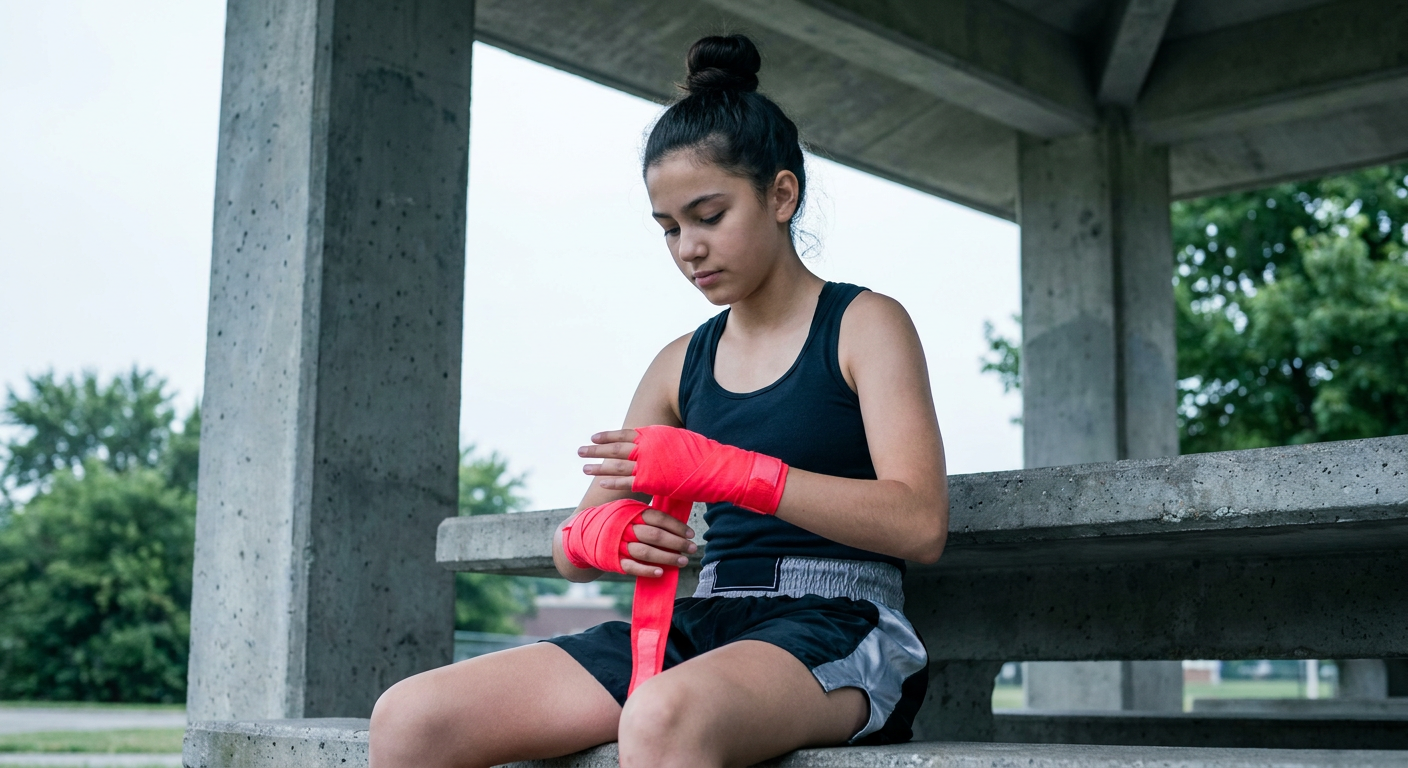
Myth: it’s too violent for kids.
Walk into a well-run youth boxing session and you won’t see kids punching each other in the face. You’ll see kids skipping rope badly, wrapping hands wrong, and arguing about who gets the red gloves. Sparring, in legitimate youth programs, comes after months of fundamentals. Many beginners never spar at all.
USA Boxing, the sport’s national governing body in the US, mandates headgear, 16oz gloves, and coach-supervised rounds for all sanctioned youth bouts. Gym sparring before any competition is at the coach’s discretion, and experienced coaches apply that discretion carefully. At gyms like Gleason’s in New York, known for working with youth boxers for decades, new kids spend the first several months hitting bags and mitts. No partner contact.
The American Academy of Pediatrics (AAP) has published guidance on youth boxing recommending that parents look specifically for non-contact programs, which exist in abundance. Amateur boxing at the youth level differs sharply from professional or televised fighting. If the session looks rough, it’s a bad gym, not a representative picture of the sport.
Myth: it causes brain damage.
This one is more complicated, and any coach or parent who dismisses it entirely isn’t being straight with you. Head contact carries risk, full stop. The question is whether youth boxing, run properly, creates meaningful cumulative risk in a young person.
Youth boxing differs from pro boxing in one crucial way: the goal is to score points, not to stop opponents. Referees stop bouts at the first sign of dominance. Head contact in a well-coached youth bout is brief and quickly interrupted. Compare this to youth football or soccer, both of which have documented concussion problems at the youth level that receive far less public attention than boxing does.
If your child is joining a non-contact youth program, which is where all 7 to 10 year olds should start, the brain injury concern essentially doesn’t apply. At 11 and older, if sparring is introduced by a qualified coach in a supervised setting with proper gear, the actual contact exposure is modest. The distinction between a sensibly run program and an unsupervised backyard session is everything.

Myth: it teaches kids to fight outside the gym.
This is the one that coaches hear most often, and they tend to find it backwards. The culture of a functioning boxing gym is built around control. Kids learn immediately that hands go up inside the gym, not in school hallways. A coach who catches a student bragging about using boxing in a fight will typically remove them from sparring for weeks.
Coaches who’ve run youth programs for any length of time report the opposite effect. Kids who arrive with anger management issues often become noticeably calmer within a few months. Boxing gives a specific place, a specific time, and a controlled set of rules for physical aggression. That containment is part of the appeal for some parents who bring kids with disciplinary issues.
The research on martial arts broadly supports this. A 2008 study in the Journal of Applied Developmental Psychology found that youth martial arts programs were associated with reduced aggression scores, improved self-regulation, and higher school engagement. Boxing doesn’t perfectly map to martial arts culture, but the gym structure and the emphasis on discipline are similar.
Myth: kids need to compete to get anything out of it.
Competition is optional. Many recreational youth boxing participants never stand in front of a judge. They come twice a week, hit bags, do conditioning work, build confidence, and leave. That’s it. That’s a complete activity.
Coaches at programs like Lace Up Boxing in Detroit, which runs youth outreach alongside competitive training, keep the two pathways deliberately separate. The competition pathway requires additional medical clearance, specific weight management education, and parental involvement in bout matching. The recreational pathway has none of those requirements and is the more common path.
For kids between 7 and 10, competition is discouraged by most experienced coaches regardless of talent. The fundamentals take time, and pushing new movers into bouts before their footwork and guard are stable benefits nobody. A 9-year-old who trains for two years and never competes has still done two years of coordination training, cardiovascular conditioning, and attention discipline. That’s a legitimate outcome.

Myth: girls don’t belong in boxing programs.
Female youth boxing participation has grown consistently since women’s boxing was added to the Olympic program in London 2012. USA Boxing’s registered female member count has roughly doubled since then, with youth divisions leading the growth.
The practical picture inside youth gyms has shifted too. Mixed-age, mixed-gender beginner classes are now the norm at most well-established gyms. Girls in these programs work the same curriculum, hit the same bags, and develop the same foundation skills. The instruction doesn’t differ.
Parents who worry about their daughters being overwhelmed by bigger male sparring partners should know that any gym worth attending matches sparring partners by size, weight, and experience, not gender. A girl who competes will be matched against other girls in her weight class. In recreational training, it’s moot entirely. The broader topic of how boxing builds mental resilience regardless of age or gender is worth reading alongside this, particularly the post on boxing confidence building outside the ring.
Myth: you need expensive gear to get started.
A beginner kid session needs hand wraps and gloves. That’s it for the first few months. Hand wraps run $8 to $15. Beginner bag gloves from Everlast or Title start at around $30 to $40 for youth sizes. Headgear and mouthguard don’t become relevant until supervised sparring is introduced.
Some gyms provide loaner gloves for the first several sessions. Check before buying anything. A child who tries boxing for a month and doesn’t like it doesn’t need $200 in gear sitting in a cupboard.
The timing of kids’ training sessions benefits from structure. Rounds for youth typically run 1 to 2 minutes with short rest periods, shorter than adult rounds. Using a proper boxing timer rather than guessing helps coaches run clean sessions, and the free boxing timer at heavybag.pro/boxingtimer/ is built exactly for this, with configurable round lengths and rest periods that suit youth training.
What to look for in a youth boxing gym.
Coach-to-student ratio matters. Youth sessions with more than 8 or 10 kids per coach don’t get adequate supervision. At smaller ratios, the coach can correct technique and monitor fatigue.
Sparring requires an introduction period. Any gym that puts new 10-year-olds into sparring in the first month isn’t running a youth program properly. The minimum reasonable runway before any partner contact is 8 to 12 weeks of bag and pad work, and even then it should be light and supervised.
The coach has credentials. USA Boxing offers coach certification. It’s not required for recreational programs, but a coach who has done the training understands the safety protocols, the weight class structures, and the bout rules. Ask.
The gym is calm before class starts. Watch the 10 minutes before a youth session begins. Are kids being supervised? Is there structure? Gyms that are chaotic before the session are usually chaotic during it.
Building confidence in physical environments is one of the consistent long-term outcomes parents describe.
Age-appropriate expectations, laid out plainly.
Ages 7 to 9. Coordination and listening. No sparring. Basic footwork, guard position, and how to throw a jab without hurting their wrist. Sessions should be short, under 45 minutes, and heavily padded (bags and focus mitts, not partner contact). Fun has to be there or you lose them.
Ages 10 to 12. Combinations, head movement, light pad work. Sparring may begin with experienced coaches who match carefully by size. Light touch sparring only. The emphasis is on defense and movement, not power.
Ages 13 to 14. More sophisticated combinations, ring generalship, and if the child has competitive interest, bout preparation. Weight management education becomes relevant here if competition is on the table. This age group is when real skill differentiation starts to show, and when the most advanced kids begin to look like actual boxers rather than kids swinging arms.

Parents who are uncertain about whether to try boxing should know that many coaches welcome parents into sessions to watch. A direct look at what actually happens in a youth class answers most questions faster than anything written here. If the coach doesn’t want parents watching, that’s a signal worth paying attention to.
For parents who train themselves, bringing a child into a shared activity has its own value beyond fitness. The sport covered from a parent’s own angle on commitment and longevity is discussed in this post on starting boxing as an adult, which touches on what keeps people in the sport long term.
If your child’s gym uses a round timer for their conditioning work at home, the Heavy Bag Pro boxing timer handles round length and rest periods cleanly, with no ads interrupting the session.