
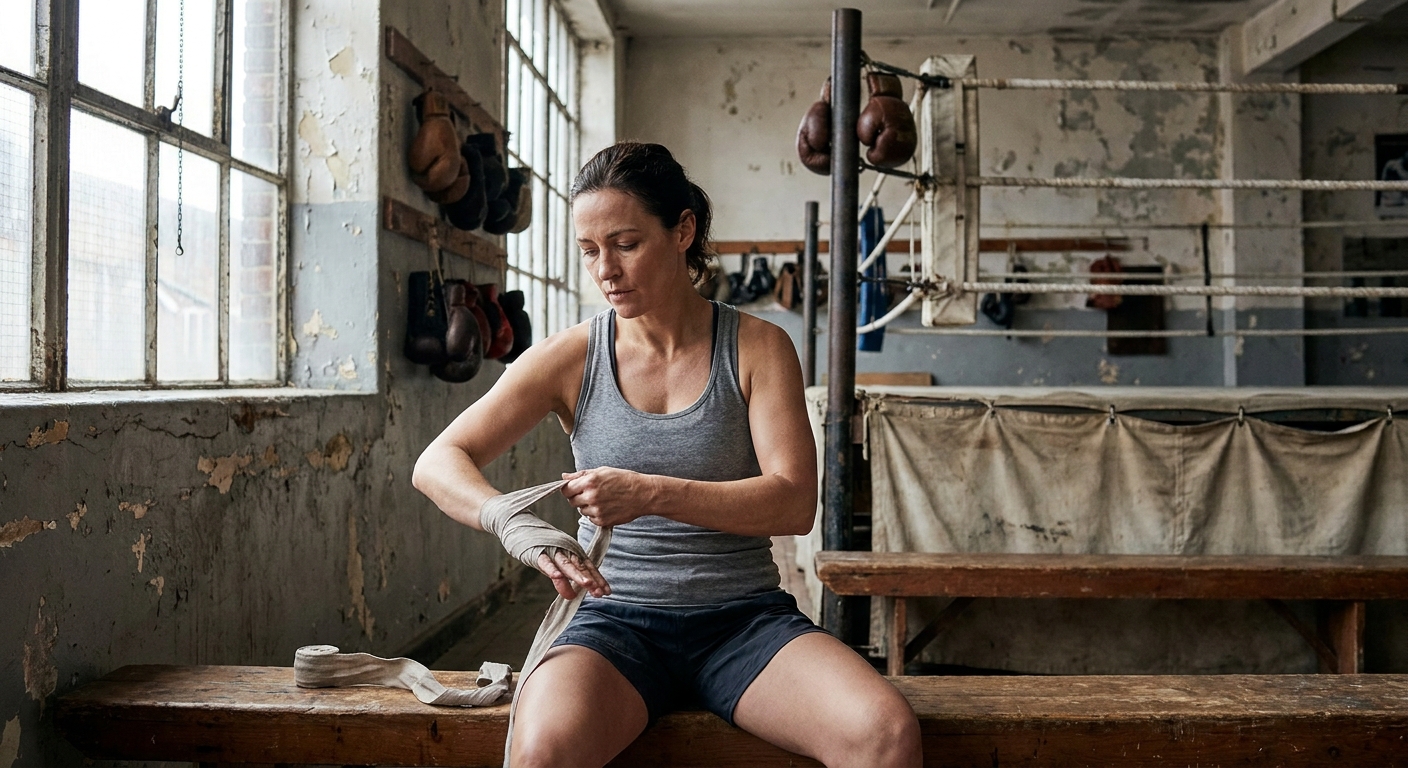
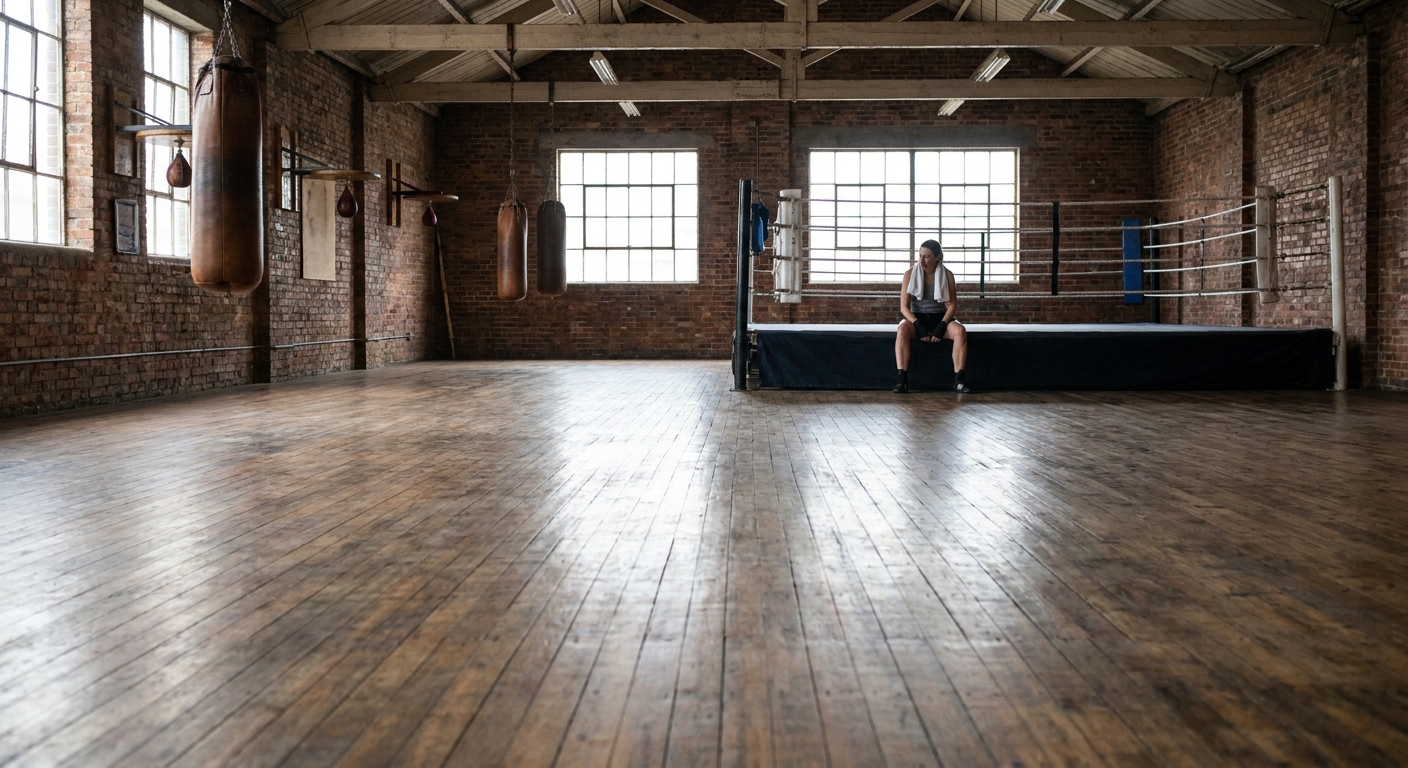
The gym smells like canvas and old rubber. A woman in her mid-forties wraps her hands at the bench by the door, moving with the kind of automatic precision that only comes from years of repetition. She has been training boxing for eleven years. She never competed. She has no plans to start. When I asked her if boxing was worth it, she laughed and said, “I don’t know how people cope without it.”
That answer stopped me. Not because it was dramatic, but because it was matter-of-fact. She wasn’t selling the sport. She was just describing her life. I kept asking the question. Over several weeks I found twelve people who had trained boxing for between three and twenty-two years, at different levels, with different goals, and different outcomes. Some competed amateur. Some never threw a punch outside the gym. Some got hurt. Some lost relationships to the schedule. All of them are still training.
Here is what they said.
Count the cost before you count the benefits
Before we get into the twelve answers, a straight note on methodology: these are real people with real training histories, but they are not a representative sample of everyone who ever tried boxing. People who quit rarely seek out conversations about whether boxing was worth it. The twelve people here are all still in the sport. That selection bias matters. Take their enthusiasm in that light.
With that said, what they describe is consistent enough, and specific enough, to be useful. Not as a sales pitch. As a look inside what a long commitment to boxing produces.
Put this on your list before anything else
Ask yourself what you actually want. Fitness? Confidence? Competition? Stress relief? A technical skill? A community? The sport can deliver all of those things, but it delivers them differently depending on how you train. Several people in these conversations said their early years were frustrating because they wanted one thing from boxing and kept measuring it by something else entirely.
Marcus, 34, started boxing at 22 and fought four amateur bouts before shifting to fitness-only training. “I spent two years angry that I wasn’t improving as fast as the competitive guys. Then I realized I didn’t want to compete. I wanted to be in the gym. Once I sorted that out, I loved every session.” He trains three nights a week at a gym in Manchester. Has done for twelve years.
Read what the decade-long trainees say about the physical side
The physical returns on boxing are not subtle. Every person in this group mentioned conditioning, but few of them listed it first. It came up almost as an afterthought, the way someone mentions that their commute to a job they love happens to be short.
Elena, 41, started boxing at 30 after years of running. “Running got me fit. Boxing made me feel athletic for the first time. There’s a difference. I can do something with my body now. I’m not just logging kilometers.” She trains four mornings a week and uses a structured round timer for solo bag work when she can’t make it to the gym. “The timer keeps me honest. Without it I cheat my rest.”
Daniel, 52, is the oldest person in this group. He started at 45 after his doctor suggested he find something with impact training to help his bone density. “I thought it was going to be embarrassing. I was the oldest person in every class for the first year. But by year two I was outworking people half my age. That did something for me.” He has a torn rotator cuff from a previous injury that limits certain movements, but he has adapted. He’s been training for seven years and has no intention of stopping.
Note what they say about the mental side, because it is harder to explain
This is where the conversations got interesting. The physical benefits of boxing are obvious and documentable. The mental ones are harder to articulate, and every person tried anyway.
Priya, 38, trains twice a week after work. She works in financial services. “I used to bring everything home. Every deal, every bad meeting, every difficult conversation. I’d process it for hours. Now I process it on the bag. I walk in with a head full of noise and I walk out empty. That has been worth more to me than any physical change.” She found similar sentiments echoed in a 2019 study published in Frontiers in Psychology, which documented the psychological benefits of high-intensity combat sports training on stress and emotional regulation, including measurable reductions in anxiety markers after consistent training.
Tom, 29, has been training since he was 17. He had a difficult adolescence and came to boxing through a youth program in Liverpool. “It gave me the first thing I was genuinely good at. That matters when you’re 17 and you think you’re not good at anything. It’s been part of my identity for over a decade. I don’t know who I am without it.” He now coaches junior classes on weekends and trains himself on weekday evenings.
Anya, 45, started boxing after her divorce. She is direct about why. “I needed to hit something. I needed to feel strong. I needed to be somewhere that wasn’t my apartment. Boxing was that place. I’ve been training nine years. It didn’t save my marriage, obviously. But it helped me survive the year after it ended.” She competes in masters-level events occasionally, mostly for the social aspect. “The pre-fight nerves remind me I’m alive.”
Look closely at what the competitive trainees say specifically
Four of the twelve people in this group competed at some level, ranging from one amateur bout to several years of regular amateur competition. Their perspective on “worth it” is more textured.
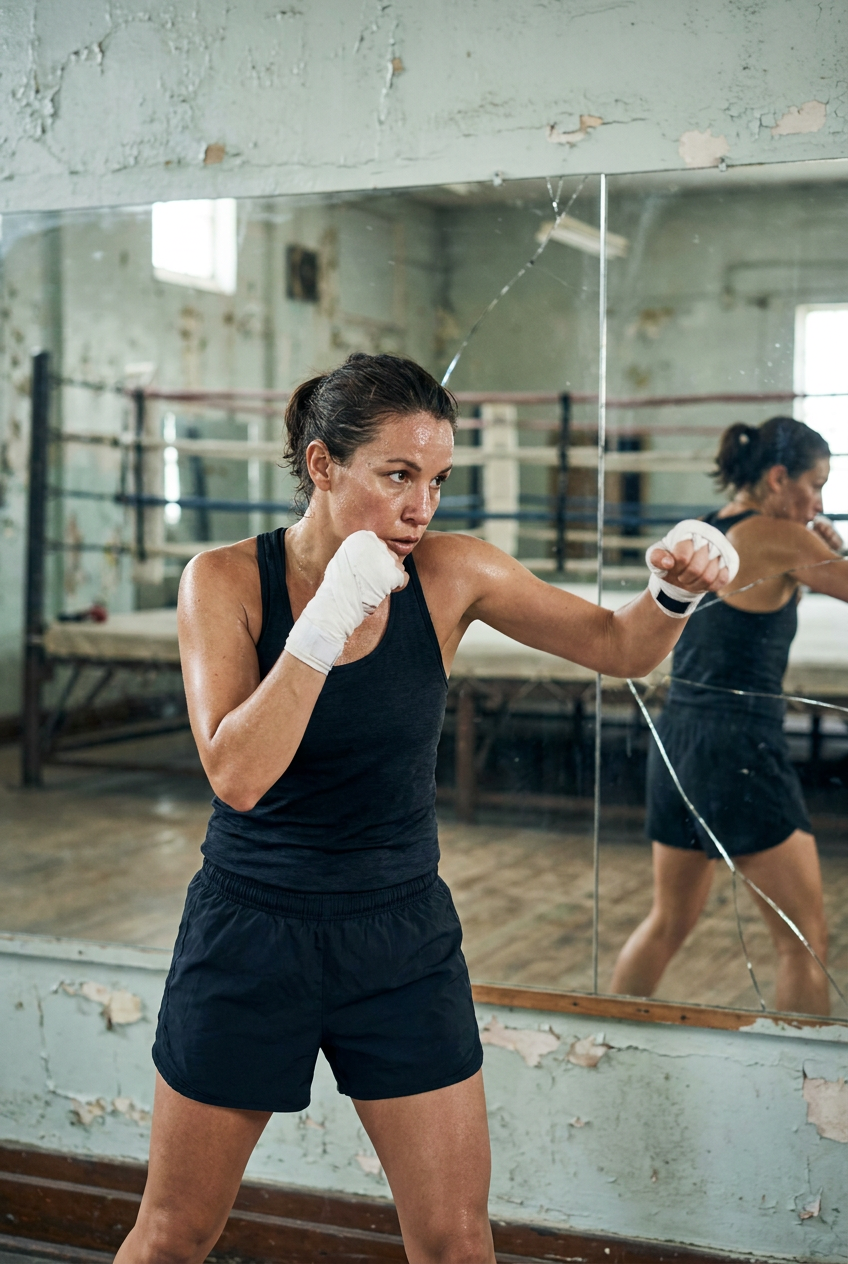
Jamie, 27, fought twelve amateur bouts over three years before stepping back from competition. She won seven. “Competition is a completely different question from training. Training is always worth it. Competition depends on whether you can handle losing in front of people and staying in the gym afterward. Some people can’t. I found out I could, which surprised me.” She now trains three times a week with no competitive plans, and says her ring experience made her a better training partner for newer fighters.
Luis, 31, had a different experience. He won his first three bouts and then lost badly in his fourth. His corner stopped the fight in round two. “That was hard. I didn’t train for a month after. I thought I was done.” He went back. He hasn’t competed since, but he has trained consistently for five more years. “The loss taught me more about myself than the wins did. I learned I could take something that felt humiliating and come back. That’s not a boxing lesson. That’s a life lesson.”
Worth noting: not everyone who steps in for amateur competition finds the lesson useful. Some people do walk away for good. If competition is something you’re considering, looking at how experienced boxers work through skill plateaus can help you set realistic expectations before you ever enter a bout.
Check what the non-competitors say about missing out on that side of it
Eight of the twelve never competed and have no intention of doing so. I asked each of them whether they felt they were missing something.
The woman from the beginning of this piece, Claire, 47, put it plainly: “I’m not interested in fighting anyone. I’m interested in the craft. The footwork, the combinations, the timing. I work on that constantly and I’ll never run out of things to improve. Competition doesn’t appeal to me any more than performing a piano concert appeals to someone who plays piano for their own enjoyment.”
That analogy came up unprompted from two other people. The sport as a craft, practiced for its own sake, with no audience required. Trainer Cus D’Amato, who worked with fighters including Floyd Patterson and Mike Tyson, talked often about boxing as a vehicle for self-knowledge rather than a sport in the conventional sense. The people in this group seem to have absorbed that framing without necessarily knowing its source.
Yusuf, 36, started boxing at 27 and has never sparred. He does pad work with a trainer twice a week and solo bag sessions at home. “People ask me if I feel like I’m cheating myself by not sparring. I don’t. I’ve gotten better every year. I’m more coordinated, more confident, more comfortable in my own body. The hitting-someone-back part was never my goal.” He keeps detailed training notes on every session. “Structure matters a lot when you’re training alone. Otherwise you just do what you feel like and you don’t grow.”
Watch for the honest admissions about what boxing costs
Nobody in this group pretended the sport is without downsides. The costs came up reliably.
Time: Every person trains a minimum of two sessions a week and most train three to four. Several mentioned that partners or family members found the schedule difficult at various points. Anya said it contributed to friction in a relationship before her marriage ended. Tom said his girlfriend learned to treat his Thursday evening training as non-negotiable. “It took a year for that to stop being a conversation. Now it just is what it is.”
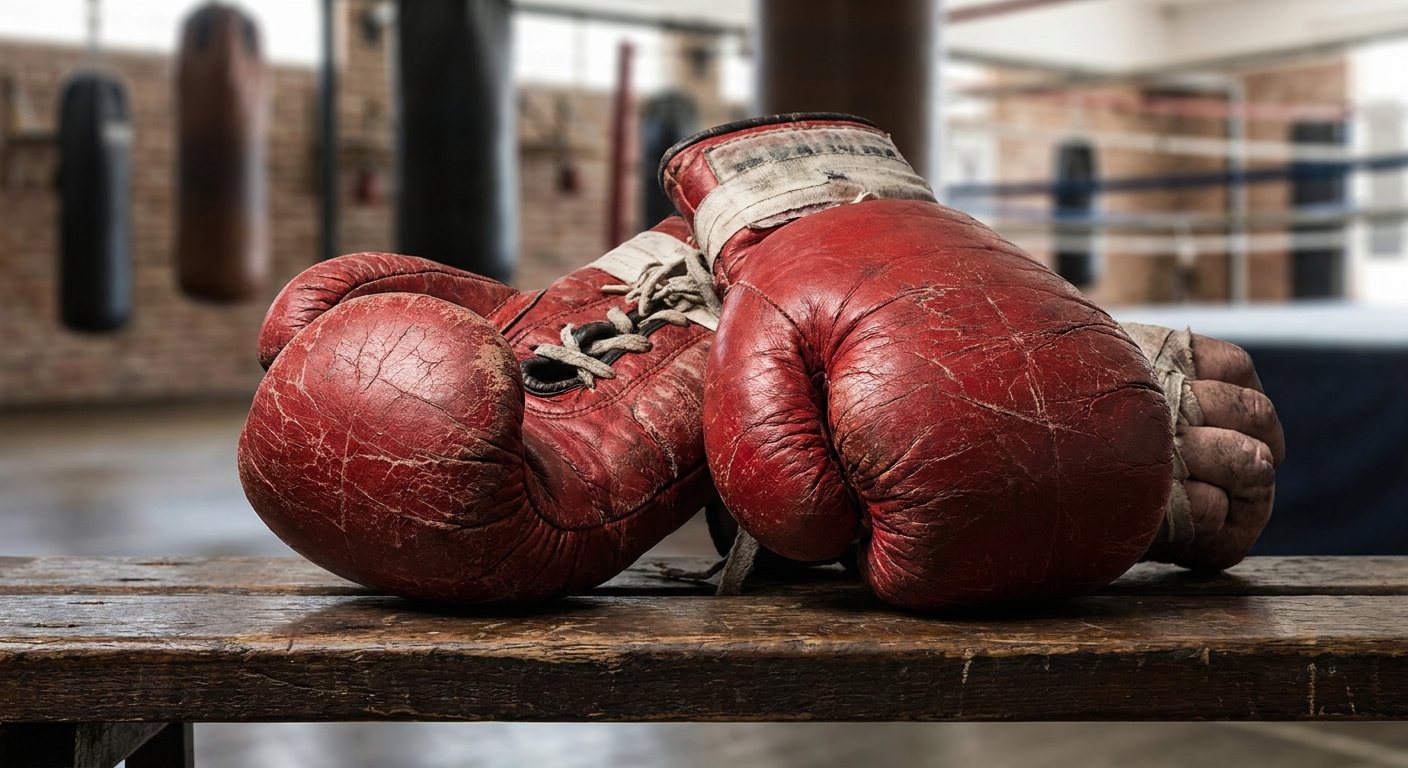
Money: Gym membership, gloves, wraps, headgear, sparring equipment. Daniel spent a significant amount setting up a home bag after his gym closed during lockdown. “I don’t regret any of it, but it’s not free. People undersell the cost of doing this properly.” He pointed out that good gloves from brands like Winning or Cleto Reyes represent a real investment but last years, making them cost-effective over time.
Injuries: Every long-term trainee in this group has had at least one injury. A broken nose, a damaged shoulder, wrist problems from poor bag technique before someone corrected it, a concussion from sparring. Nobody described their injuries as reasons to quit, but several said the injury management side of training is something beginners underestimate. Regular rest days and smart recovery work matter more than most people realize when they start. The cumulative load of training compounds over years if you don’t build rest into the schedule deliberately.
Take note of the single most common answer to the question
I asked each of them directly: if you could go back and choose again, would you start boxing?
All twelve said yes. Without hesitation and without conditions. That unanimity surprised me, given that four of them had been hurt seriously enough to stop training temporarily, and two had difficult competition experiences.
Marcus said it most succinctly: “It’s the only thing in my life I’ve done consistently for twelve years. That alone tells you something.”
Elena said: “I’m a better version of myself because of boxing. I don’t know how to say that without it sounding like an ad, but it’s true.”
Claire, the woman who started this piece, said it last and said it best: “The question is whether it fits your life and your goals. If you’re asking me whether I regret it, the answer is no. But that’s me. You have to figure out your own why.”
Use the right tools to build a habit that actually holds
Every person in this group mentioned some version of structure as the thing that kept them consistent when motivation was low. Scheduled training times that don’t move, a training partner who expects you, a coach who notices when you miss, or an app that logs your rounds and keeps your solo sessions honest. If you’re early in building the habit, the free boxing round timer at heavybag.pro/boxingtimer is a practical starting point for solo bag work. Twelve long-term trainees all said the same thing in different words: you don’t wait to feel motivated, you build a system and show up anyway.
Starting boxing at any age, for any reason, without competitive ambitions, is a legitimate and productive way to spend years of your life. The evidence in this piece is twelve people who did exactly that. None of them found the sport by accident. All of them chose to stay.
Ask yourself one last question before you decide
The original question is “is boxing worth it?” The twelve people here say yes. But they also said something more useful: worth it depends on what you’re measuring against. Worth it for fitness? Yes. Worth it for stress? Yes. Worth it for confidence? Yes. Worth it for competition? For some people, yes. For others, no.
What boxing is not worth is treating as a six-week experiment. Everyone in this group stuck around through the early months when it is confusing, physically demanding, and technically frustrating. If you leave during that window, you never find out what you were going to get from it. Yusuf put it simply: “Give it a year before you decide.”
That is probably the most actionable thing in all twelve answers.
If you are curious about the early experience, the piece on starting boxing at 50 covers many of the same questions from a specific angle worth reading alongside this one.