
I’ve watched people tear through four pairs of gloves in a year training on the heavy bag. Same gym, similar schedules, similar punching volume. The ones who burned through gear the fastest had one thing in common: they used their sparring gloves for everything. The ones who kept gloves for years? They had a dedicated bag pair collecting chalk dust on a separate hook.
It sounds obvious once you understand what actually happens inside a boxing glove during bag work. But most people don’t think about it at all. They buy one decent pair, protect them carefully from sweat, and rotate them through every drill, every pad session, and every heavy bag round. That rotation destroys gloves faster than anything else, and it’s completely avoidable.
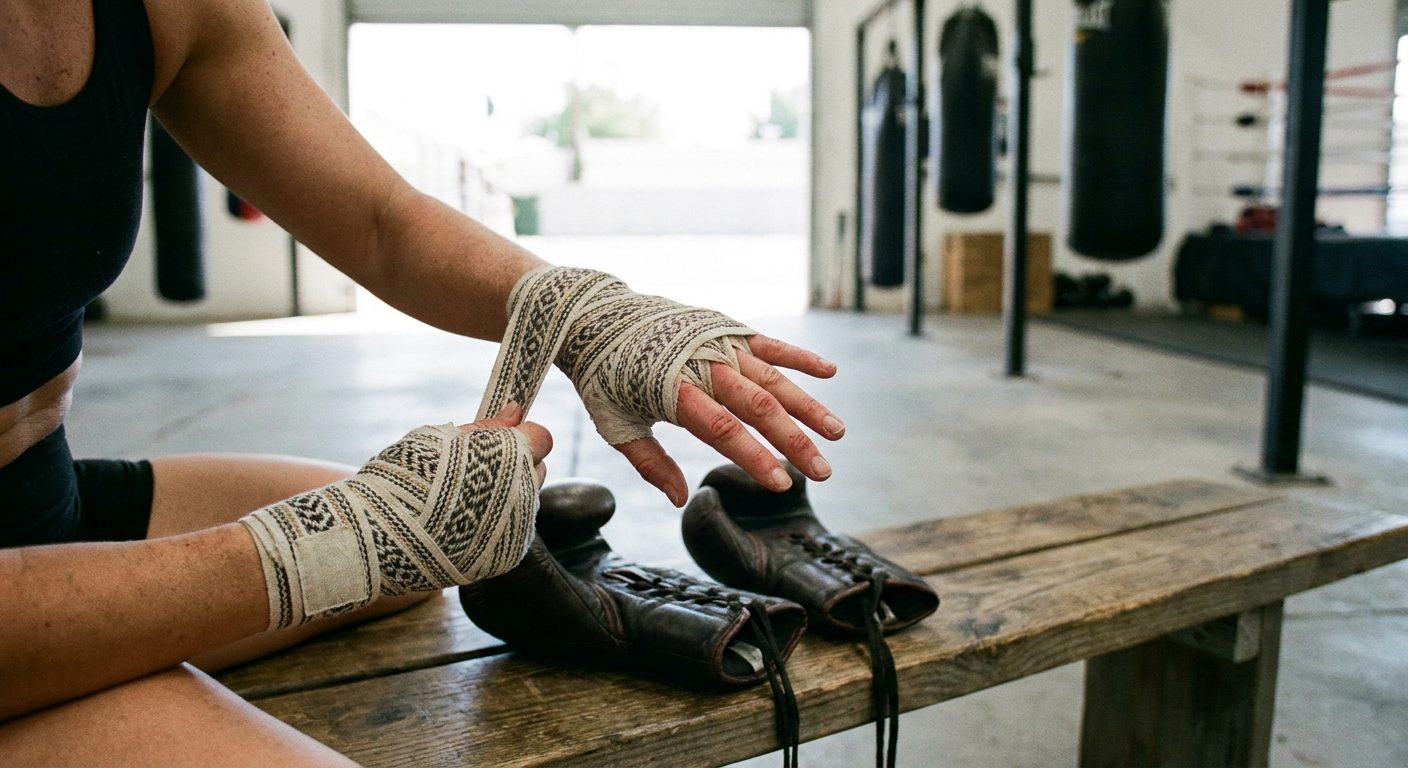
Why does the bag wreck gloves differently than sparring?
Sparring gloves take lateral impact. A cross lands and the force spreads. Your partner’s head gives, the glove flexes, the foam compresses and rebounds. The padding is doing its designed job: absorbing and releasing energy across a relatively soft, moving surface.
Heavy bags don’t give. When you throw a cross into 70 pounds of tightly packed canvas or leather, the foam inside your glove hits something that isn’t moving and isn’t soft. The impact is direct and concentrated. The inner foam breaks down faster, particularly in the knuckle zone. Shannon Briggs’ longtime trainer Mark Breland has mentioned in interviews that he tells amateur fighters to treat bag work as a gear-demolition activity and protect their good gloves accordingly. The message is clear: the bag is harder on foam than a head is.
Repetition makes it worse. A three-round bag session might involve 300 to 500 punches. Sparring at the same intensity involves far fewer clean contacts. Volume on the bag compresses the foam repeatedly, and foam that compresses often enough eventually loses its memory. Once padding stops rebounding fully, it stops doing its job.
What happens when your knuckle padding dies?
You feel it before you diagnose it. Knuckles feel raw after bag work, like there’s not quite enough cushion between you and the leather. People usually blame their hand wraps first, then their technique, then their bag. The culprit is almost always the gloves.
Collapsed knuckle padding transfers more impact to the bones of the hand. That’s a fast path to knuckle bruising, then to the kind of chronic wrist soreness covered in the long-term wrist pain from bag work guide. The padding around the thumb and the wrist panel also degrade, reducing the wrist support that keeps the joint from buckling on misaligned punches.
Dedicated bag gloves slow this process by keeping foam compression exclusive to bag work. Sparring gloves stay in rotation only for sparring, where the contact pattern is different and less mechanically punishing.
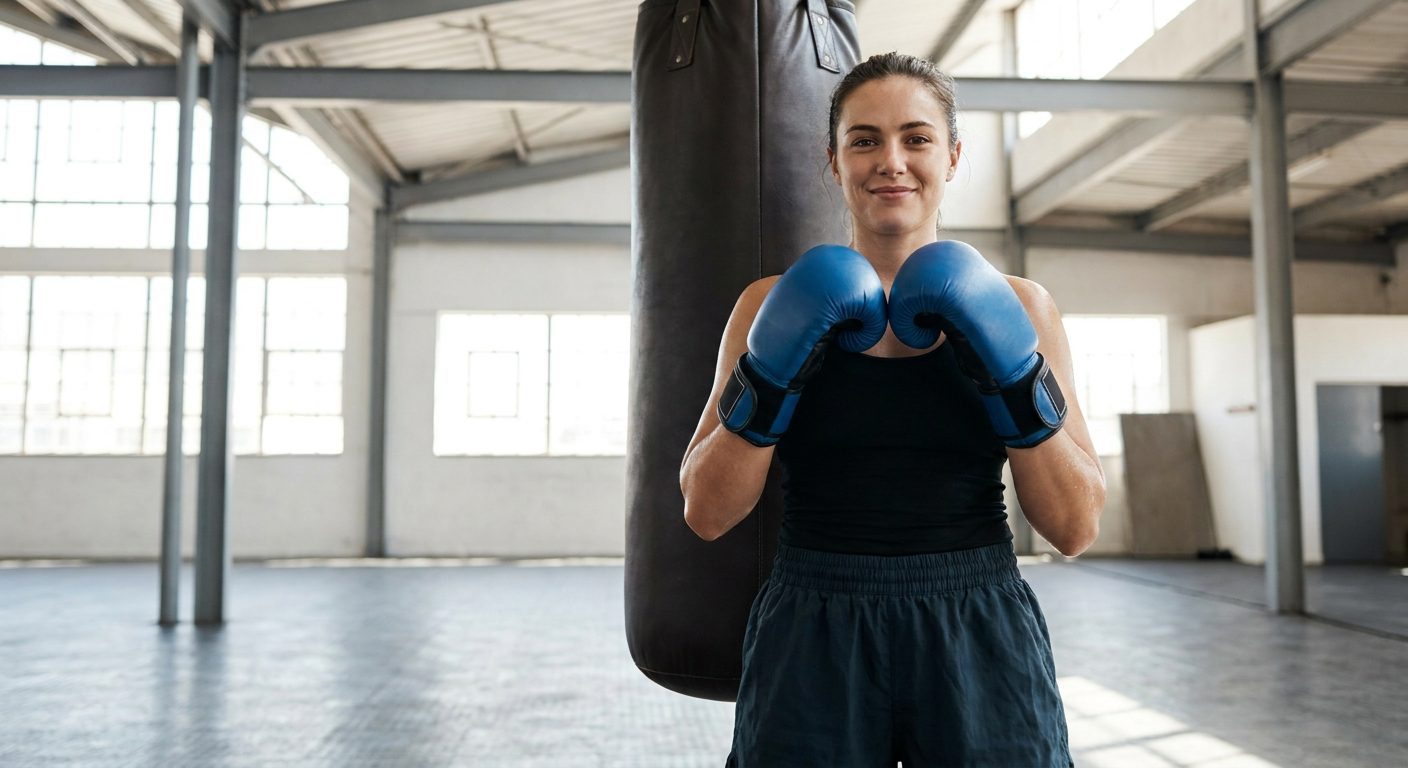
Don’t bag gloves and sparring gloves look the same?
They do, on the shelf. But the internals are built differently, and the weight is calibrated for different purposes.
Bag gloves tend to run 10oz to 14oz. Some brands produce specific bag-only models at 8oz, designed for speed and feel rather than protection of an opponent. The foam is usually denser, sometimes layered with harder inner cores. There’s less padding on the back of the hand, because the back of your hand isn’t hitting anything on a bag. Cheaper bag gloves skip the wrist strap entirely and use a simple velcro cuff. Good ones, like the Everlast Pro Style Training Gloves or the Ringside Apex Bag Gloves, keep a full wrist wrap with genuine ankle-to-wrist support built in.
Sparring gloves run heavier, usually 14oz to 18oz depending on your weight and gym rules. The foam is layered specifically to reduce impact on your partner’s face and head, not just on your knuckles. The back-of-hand padding is pronounced. Cleto Reyes sparring gloves, for example, use horsehair padding combined with foam specifically because that combination absorbs and dissipates energy differently than foam alone. Using Cleto Reyes sparring gloves on a heavy bag every day is expensive and unnecessary. Using budget bag gloves in sparring is dangerous for whoever is opposite you.
Does glove weight matter for bag work?
Yes, and the answer splits depending on what you’re training for.
If you’re training power and conditioning on the bag, lighter is usually better. 12oz lets you feel the punch land cleanly. You build awareness of technique because there’s less padding masking your errors. Freddie Roach’s Wild Card Boxing Club in Hollywood has long used lighter bag gloves specifically for this reason: the feedback loop is sharper, and fighters find their technical mistakes faster.
If you’re training volume, endurance, or doing a lot of combination work where you’re not prioritising feel, 14oz gives your hands and wrists more support over longer sessions. This matters especially for people with prior hand injuries or anyone whose bag rounds run over 5 minutes consistently.
Avoid going below 10oz on any heavy bag. Speed bags and double-end bags have specific gear for those tools. A heavy bag at 60 to 100 pounds demands real knuckle protection regardless of how technical your punching is.
What should you look for in a dedicated bag glove?
Five things matter and almost nothing else.
Wrist support comes first. A flexible wrist is an injured wrist waiting to happen. You want a glove with a firm velcro strap that cinches tight across the wrist joint, not just across the cuff. Hold the glove by the wrist panel and shake it. If the cuff flops loosely, keep looking.
Knuckle foam density is second. Press down on the knuckle area firmly with your thumb. It should compress but spring back immediately. Cheap gloves compress and stay compressed. That’s dead foam, and it will feel like cardboard inside six months.
Thumb attachment is third. Loose thumb loops contribute to jammed thumbs on poorly landed punches. A fully attached or semi-attached thumb stays in position. Avoid open-thumb bag gloves unless you have a very specific reason and strong wrapping habits.
Leather versus synthetic is fourth. Real leather breathes better and lasts longer. Synthetic vinyl is cheaper and easier to clean. For daily bag work, genuine leather holds up to repeated impact compression better over time. Winning and Cleto Reyes produce leather bag-specific models that are expensive but last years rather than months. Fairtex BGV1 is a reliable mid-tier option that holds its foam considerably longer than most synthetics at the same price point.
Fit is fifth and most people underestimate it. A glove that’s too wide lets your hand shift inside, which means your knuckle contact point varies with each punch. A tight glove compresses your wrapped hand and cuts circulation in long sessions. The right fit holds your fist without squeezing it. Always try bag gloves on with your hand wraps already applied. Sizing varies significantly between brands.

How long should a dedicated bag glove last?
A genuine leather bag glove from a quality manufacturer, used exclusively for bag work with proper wrapping and basic maintenance, should last three to five years of regular training. Synthetic models at moderate price points typically last one to three years.
Signs your bag gloves are done: the knuckle area feels noticeably flat and doesn’t spring back, the stitching at the thumb or wrist panel is separating, the inner lining is coming away from the shell, or the velcro strap has lost its grip entirely. Replacing them at this point isn’t optional. Continuing to use dead foam gloves on a heavy bag puts your knuckles and wrists at risk.
For reference on wrapping correctly to extend glove life and protect your hands underneath, the heavy bag advice compilation from coaches includes consistent input from trainers about hand care during bag sessions.
Does training structure affect how fast gloves wear out?
A lot. Round-based training is much easier on gloves than continuous hitting. When you stop between rounds, gloves air out slightly, foam partially rebounds, and sweat evaporates. Continuous bag circuits without breaks compress the foam in one sustained session without recovery time.
A structured round timer helps here more than people expect. If you’re working three-minute rounds with one-minute rest intervals, your gloves get partial recovery between rounds and so do your hands. The free boxing round timer at heavybag.pro handles round length, rest intervals, and warning bells so you’re not making timing decisions mid-session. That structure tends to produce better training quality and treats gear better simultaneously.
Humidity is also a factor. A hot, humid gym destroys gloves faster than a cool dry space. If you train in a damp environment, air your bag gloves out after every session, stuff them loosely with newspaper or a glove dog to pull moisture, and never store them zipped in a bag. This single habit doubles the life of most synthetic gloves.
What about using bag mitts instead of gloves?
Bag mitts are a legitimate tool, not a substitute. They’re fingerless, minimal, and designed for fast striking where feel matters more than protection. They have almost no wrist support and minimal knuckle padding.
They work well for speed work, technical single-shot drilling, and conditioning circuits where you’re not throwing full-power combinations. They’re not appropriate for hard power rounds on a heavy bag, for anyone with hand or wrist injuries, or as a long-term replacement for full bag gloves. Think of them as a supplement, used on days when you specifically want increased feedback, not as your daily go-to.
The practical answer on gear separation
Two pairs is the minimum setup for anyone training seriously on the bag. One pair for bag work, one pair for sparring and pad work. You don’t need expensive gear in both slots. A quality bag glove in the 12oz to 14oz range from Ringside, Everlast, or Fairtex covers bag work well for most people without breaking the budget. Save the premium spend for your sparring gloves, where the foam quality protects your training partner as much as yourself.
If budget is genuinely tight and two pairs isn’t possible right now, at minimum use different gloves for bag work than for sparring. Even rotating two budget pairs extends the life of both and keeps your hands better protected throughout.
Heavy Bag Pro’s iOS app includes structured round programming specifically for heavy bag training, which makes it easier to run consistent session formats that are gentler on your gear over time.
A note on glove hygiene for bag training
Bag gloves get destroyed by sweat as often as by impact. Mold inside the glove breaks down the foam and the liner from the inside out. Sweat is slightly acidic and degrades stitching and synthetic materials over time.
After every session: air the gloves out with the wrist opening facing up, not folded closed. Wipe the interior with an antibacterial sports spray if you sweat heavily. Let them dry fully before storing. The inside of a gym bag is the worst storage environment imaginable. A hook on the wall is ideal. Glove deodorizer balls help with smell but don’t replace genuine airflow.
Leather gloves can be conditioned with leather treatment every few months to prevent the outer shell from cracking. This doesn’t affect foam longevity but extends the shell and keeps the exterior from flaking apart before the padding fails.
None of this is complicated. Gear that’s aired, dried, and maintained simply lasts longer than gear that’s ignored.