
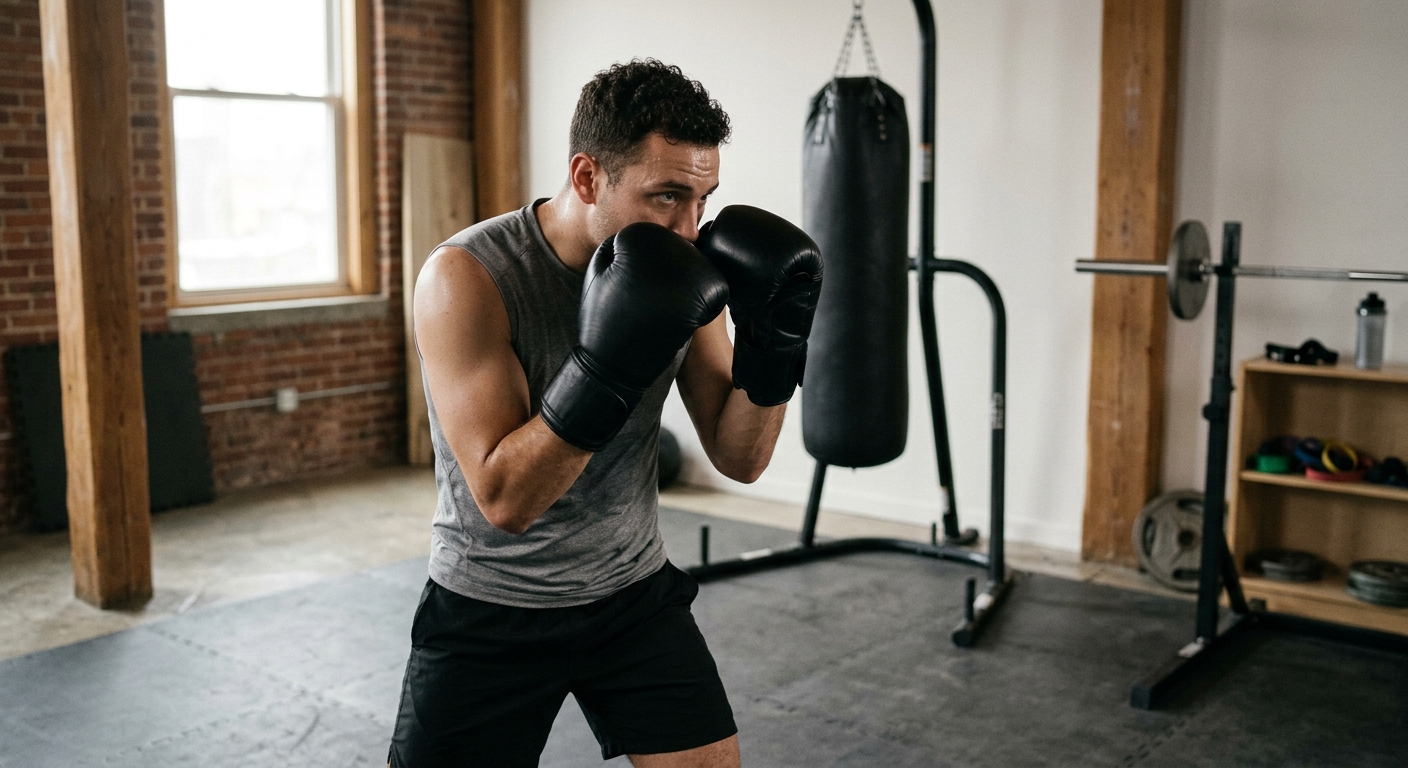
Every boxing coach hammers the same fundamental rule: keep your hands up. Yet when you watch professional fights, you’ll notice even elite fighters dropping their guard mid-combo, lowering their hands between exchanges, or fighting entire rounds with a lowered lead hand. So what’s going on?
Understanding why fighters drop their hands—and when it’s acceptable versus dangerous—is crucial for developing smart defensive habits. Whether you’re a beginner drilling guard discipline or an experienced boxer considering tactical hand placement, this guide breaks down the science, strategy, and solutions.
The Physics Behind Hand Placement
Let’s start with the obvious: gravity is undefeated. Holding 12-16 oz gloves at head level for multiple rounds creates significant isometric fatigue in your shoulders and arms. As one amateur boxer put it, “It’s like swinging a sword—you’d be exhausted after 5 minutes.”
But physics goes deeper than just fatigue. Your hands affect your entire kinetic chain:
- Balance and mobility: Lowered hands improve your center of gravity and make lateral movement more fluid
- Vision: High guards can create blind spots, especially when opponents attack from angles
- Punch mechanics: Some shots—especially straight punches at range—generate more speed and power when thrown from shoulder height rather than chin level
- Natural movement patterns: Fighting with hands permanently glued to your head creates robotic, predictable movement
When Pros Drop Their Hands (And Why It Works)
Professional fighters don’t drop their hands randomly—it’s usually tactical. Here are the main scenarios:
Range Management
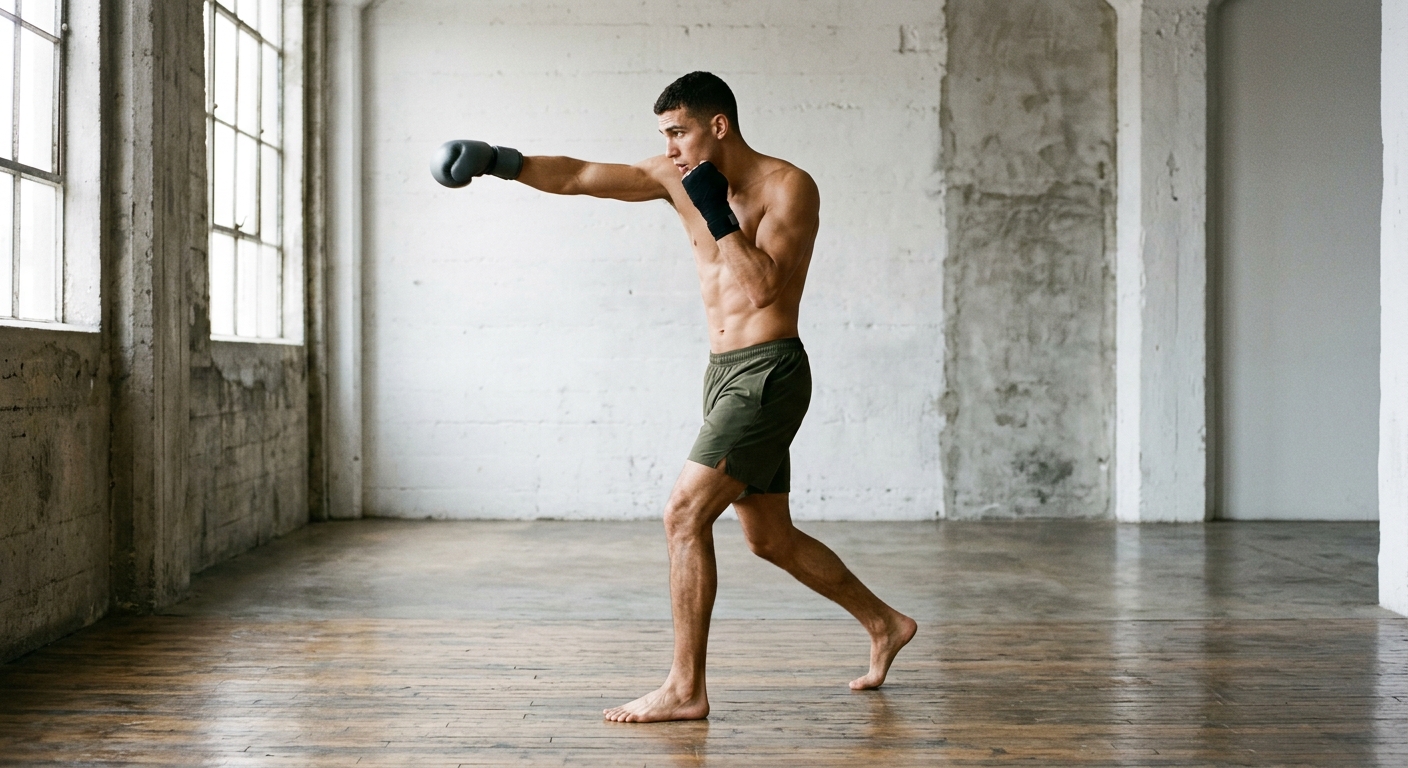
At long range, experienced fighters often lower their lead hand slightly. They’re confident in their ability to read incoming straight punches and either slip them or bring the hand back up in time. The trade-off: better vision and faster, longer-range counters.
Combination Flow
Mid-combo, hands naturally drop as part of punch mechanics. The key difference: pros are aware of this and either keep combinations short when in danger zones or ensure their opponent is out of immediate counter-range.
Invitation Strategy
Some fighters deliberately lower their guard to invite specific attacks they’re prepared to counter. Think Floyd Mayweather’s right hand placement or James Toney’s lead hand positioning—they’re baiting predictable responses.
Energy Conservation
In 12-round fights, every bit of energy matters. Fighters lower their hands during “safe” moments to give their shoulders micro-breaks, especially when they’re controlling distance and timing.
Style Adaptations
Certain styles—like the Philly Shell—deliberately use lowered hand positioning. These fighters have spent years developing the timing, shoulder movement, and spatial awareness to make it work.
Why Beginners Drop Their Hands (And Why It’s Dangerous)
When novice fighters drop their hands, it’s usually unconscious and problematic:
Fatigue Without Awareness
New boxers get tired and let their guard drop without realizing it. Unlike pros who consciously choose when to lower their hands, beginners lose awareness of their hand position entirely.
Lack of Distance Judgment
Beginners often can’t accurately judge when they’re in danger. They might lower their hands thinking they’re out of range when they’re actually in perfect position to get countered.
Poor Muscle Memory
If you haven’t drilled guard position thousands of times under pressure, your hands will naturally drift to more “comfortable” positions during stress.
Mimicking Without Understanding
Many amateurs see pros fighting with lowered hands and try to copy the style without having the skills, timing, or experience to make it work safely.
The Body Awareness Problem
One of the biggest issues: fighters often think their hands are up when they’re not. As one coach noted, “A lot of coaching comes down to getting people in touch with their bodies: what they want it to do, versus what it IS doing.”
This disconnect happens because:
- Your proprioception (body position awareness) degrades under fatigue and stress
- Heavy gloves feel like they’re in the “right” position even when they’ve dropped significantly
- You’re focused on offense and lose awareness of your defensive posture
- Breathing patterns and muscle tension change your natural arm positioning
How to Fix the Hand-Dropping Habit
Film Yourself
Set up your phone and record yourself shadow boxing or hitting the heavy bag. You’ll be shocked at how often your hands drop during combinations, even when you’re consciously trying to keep them up.
Guard Reset Drills
Practice these specific drills:
- Combo-Reset: Throw any combination, then immediately snap your hands back to guard position
- Mirror Work: Shadow box in front of a mirror, focusing only on hand position between punches
- Partner Callouts: Have someone call “hands” whenever your guard drops during pad work
Fatigue Training
Practice guard discipline specifically when you’re tired:
- Do a round of burpees or mountain climbers, then immediately shadow box with perfect form
- Hold your guard up for 30 seconds between every round
- Practice “guard only” rounds where you focus purely on defensive positioning
Use Technology
This is where Heavy Bag Pro’s round timer becomes invaluable. Set up guard-discipline rounds with audio cues every 15-20 seconds to “check hands.” The consistent reminders help build unconscious awareness of your hand position, even when you’re deep into a workout and fatigue is setting in.
When It’s Actually OK to Lower Your Hands
As you advance, there are legitimate times to consciously lower your guard:
Long Range Engagement
When you’re clearly out of your opponent’s reach and controlling distance, slightly lowering your lead hand can improve your vision and counter-punching speed.
Specific Style Development
If you’re developing a shoulder-roll or Philly Shell style, deliberate hand placement is part of the system—but only after you’ve mastered conventional high guard fundamentals.
Invitation Tactics
Advanced fighters can use lowered hands to invite specific attacks they’re prepared to counter, but this requires excellent timing and extensive sparring experience.
Energy Management
In longer training sessions or amateur bouts, brief moments of lowered hands during clear “safe” periods can help manage fatigue—but only if you can instantly return to high guard when needed.
Building Unconscious Guard Discipline
The goal isn’t robotic hand positioning—it’s developing the awareness and conditioning to keep your hands up when they need to be up, and the skill to know when you can safely lower them.

Progressive Training
Start with 100% hands-up discipline in all training. Only after you can maintain perfect guard position through fatigue should you experiment with tactical hand placement.
Structured Practice
Heavy Bag Pro’s combination library includes guard-reset cues between each combo, helping you build the habit of returning to defensive position after every offensive sequence. The app’s round structure with audio prompts helps maintain awareness even when you’re pushing hard.
Sparring Progression
Practice guard discipline in this order:
- Technical sparring with perfect positioning
- Light contact with guard-only focus
- Regular sparring while maintaining awareness
- Only then—if appropriate for your style—experiment with tactical lowering
The Mental Game
Remember: even world-class fighters occasionally get caught with their hands down. The difference is frequency and awareness. Elite fighters might drop their guard 5% of the time tactically, while beginners might have poor positioning 50% of the time unknowingly.
As one experienced fighter explained: “Advanced boxers like professionals can do that because they have much better timing, speed, intuition, etc. For now, keep your hands up, listen to your coach, work hard, and develop good habits.”
Using Heavy Bag Pro for Guard Development
The app’s structured rounds help solve the awareness problem that plagues most boxers. Set up specific guard-discipline sessions:
- Guard Check Rounds: Use the timer with 15-second intervals to check hand position
- Combination Reset Drills: Follow each combo audio cue with a guard position reset
- Fatigue Testing: Run high-intensity rounds while maintaining perfect defensive posture
- Progressive Loading: Gradually increase round intensity while monitoring guard discipline
The app’s rest period timer is crucial—use those breaks to consciously check your hand position and reset your muscle memory between rounds.
Common Mistakes to Avoid
- Don’t copy pro styles too early: Master conventional fundamentals first
- Don’t lower hands due to fatigue: Build conditioning instead
- Don’t ignore the basics: Even if you develop an unorthodox style, you need solid fundamental positioning as your baseline
- Don’t practice bad habits: If you’re dropping your hands in training, you’ll do it under pressure
The Bottom Line
Dropping your hands isn’t inherently wrong—it’s about context, skill level, and awareness. Beginners should focus obsessively on keeping their guard up until it becomes unconscious. Advanced fighters can experiment with tactical positioning once they’ve mastered the fundamentals.
The key is honest self-assessment. Are you lowering your hands as a deliberate tactical choice, or because you’re tired and losing awareness? The difference determines whether it’s smart boxing or a dangerous habit.
Use tools like Heavy Bag Pro’s timer and audio cues to build unconscious guard discipline, film yourself regularly to check your positioning, and remember: even champions get caught with their hands down sometimes. The goal is minimizing those moments and maximizing your awareness of when it happens.
Whether you keep your hands glued to your chin or develop a more fluid defensive style, the choice should be conscious, controlled, and based on solid fundamentals. Master the rules first—then you can intelligently break them.
Start building bulletproof guard discipline today with Heavy Bag Pro’s structured round timer and combo library at heavybag.pro/boxingtimer/.