
Most boxers face a dilemma at the gym: they need strength, but bulk kills speed. Traditional bodybuilding workouts build mass that slows down punches and footwork. The solution? Specific gym exercises that develop explosive power, core stability, and functional strength without adding unnecessary size.
This guide covers gym exercises that complement boxing training perfectly. These movements build the exact type of strength boxers need while keeping you lean and fast.
Why Boxers Need Different Strength Training
Boxing demands a unique combination of power, speed, and endurance. You need enough strength to generate knockout power, but too much muscle mass becomes dead weight. Professional boxers typically train for strength-to-weight ratio, not maximum muscle size.
The key is focusing on compound movements, explosive training, and functional patterns that directly transfer to boxing performance. This approach builds dense, strong muscle without the bulk that comes from high-volume bodybuilding routines.
Essential Compound Movements for Boxers
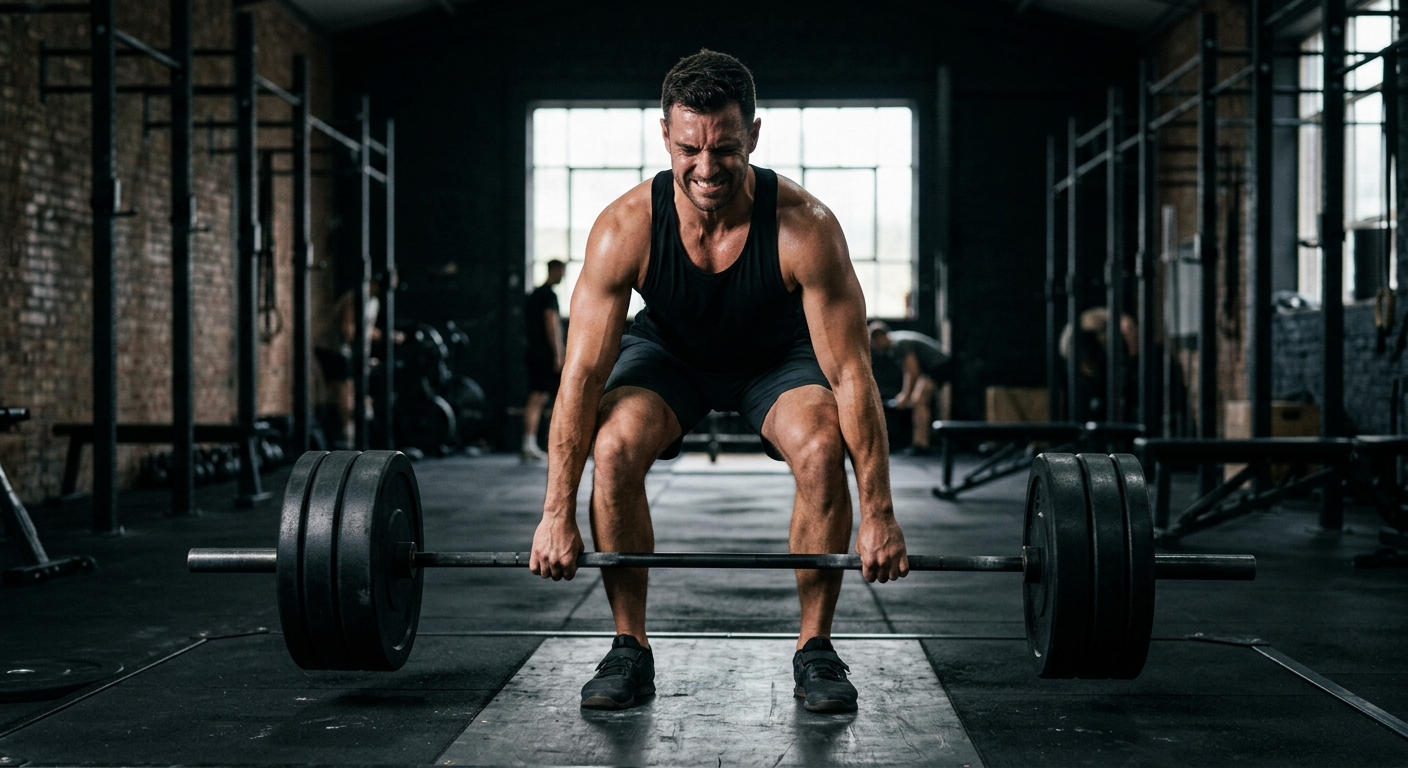
Deadlifts for Posterior Chain Power
Deadlifts build the posterior chain strength essential for powerful punches. The hip hinge movement pattern mimics the power generation in hooks and uppercuts. Focus on conventional deadlifts with moderate weight and explosive movement.
Programming: 3-5 sets of 3-5 reps at 80-85% of your max. Rest 2-3 minutes between sets. Perform deadlifts early in your workout when you’re fresh.
Squats for Lower Body Power
Front squats work better than back squats for boxers. They build quad strength while improving core stability and upright posture. The front-loaded position also mimics the weight distribution when throwing punches.
Programming: 4 sets of 6-8 reps with 70-75% of your max. Focus on explosive movement up from the bottom position.
Overhead Press for Shoulder Stability
Military press builds shoulder stability and core strength simultaneously. Strong shoulders prevent injury from repetitive punching motions, while the standing position engages your entire kinetic chain.
Programming: 3-4 sets of 5-6 reps. Use strict form with no leg drive. This builds pure pressing strength that transfers to punch power.
Explosive Power Development Exercises
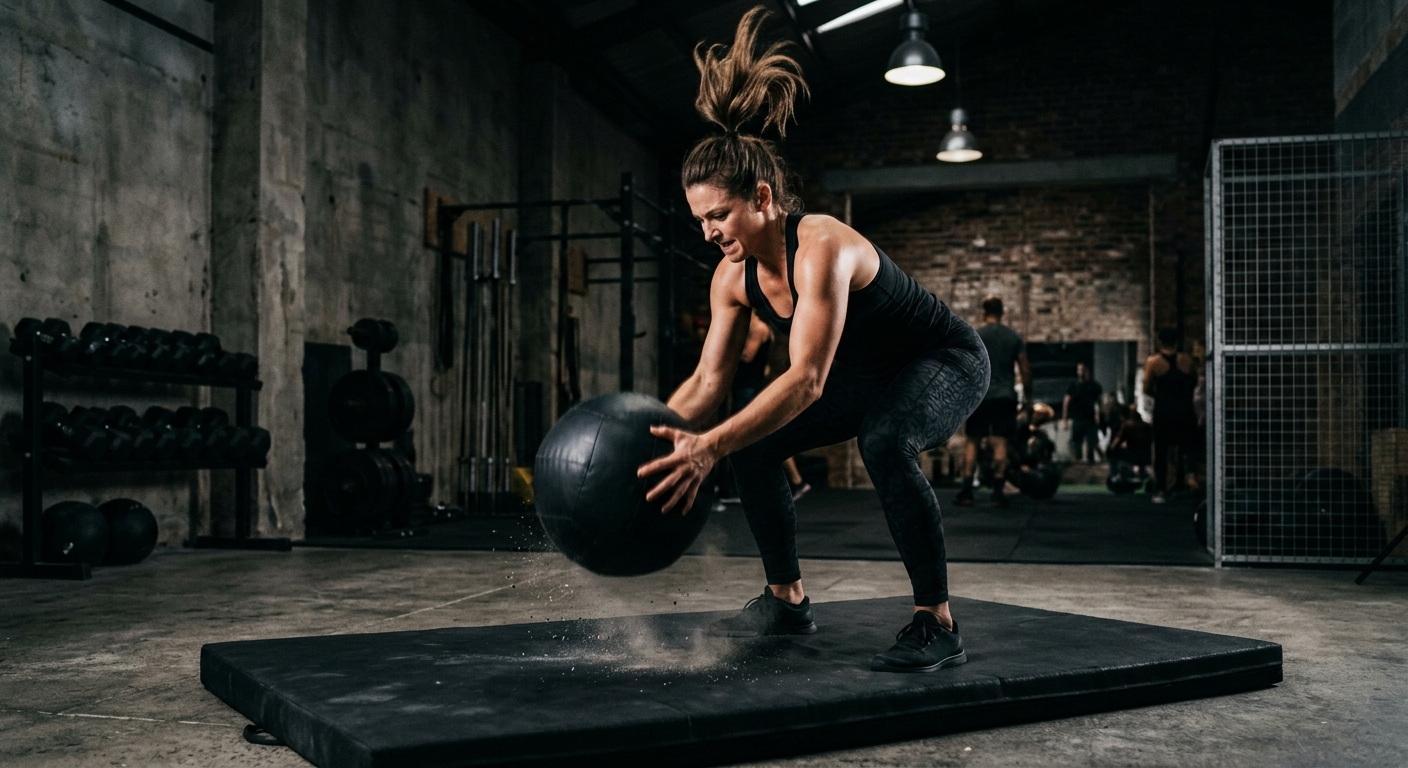
Medicine Ball Slams
Medicine ball slams develop explosive power through the same movement pattern as overhand punches. The violent hip extension and core engagement directly transfer to boxing power generation.
Choose a ball that’s 10-15% of your body weight. Perform 4-6 sets of 5-8 explosive reps with full rest between sets. Focus on maximum effort, not endurance.
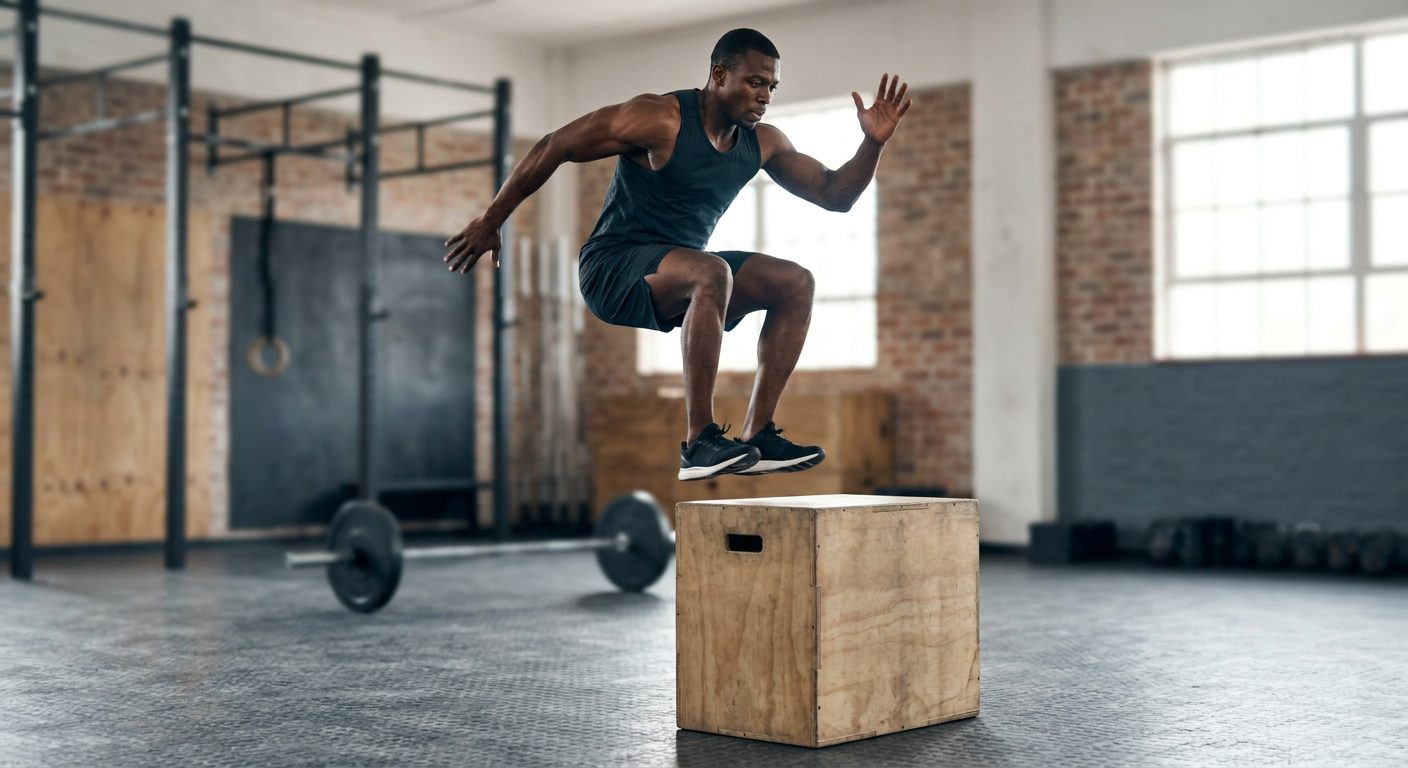
Box Jumps for Explosive Legs
Box jumps build the explosive leg power needed for quick footwork and punch power generation. They train your fast-twitch muscle fibers without adding bulk.
Use a box height that challenges you but allows clean landings. Perform 4-5 sets of 3-5 jumps. Step down between reps to avoid fatigue that compromises form.
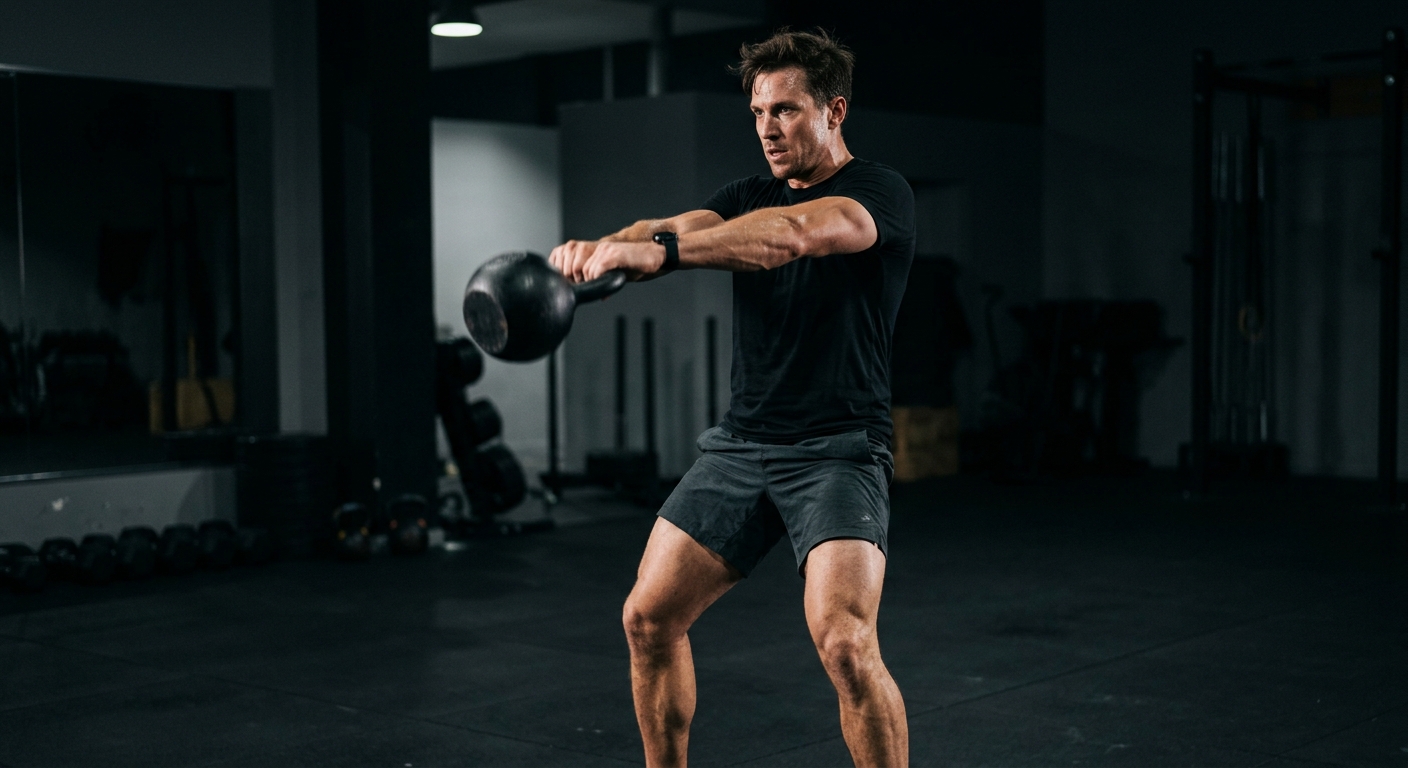
Kettlebell Swings for Hip Power
Kettlebell swings train explosive hip extension while improving conditioning. The movement pattern closely mimics the power generation in hooks and crosses.
Use a weight that allows explosive movement for 15-20 reps. Perform 4-6 sets with 60-90 seconds rest. Focus on maximum hip drive, not arm strength.
Core Strength Without Bulk
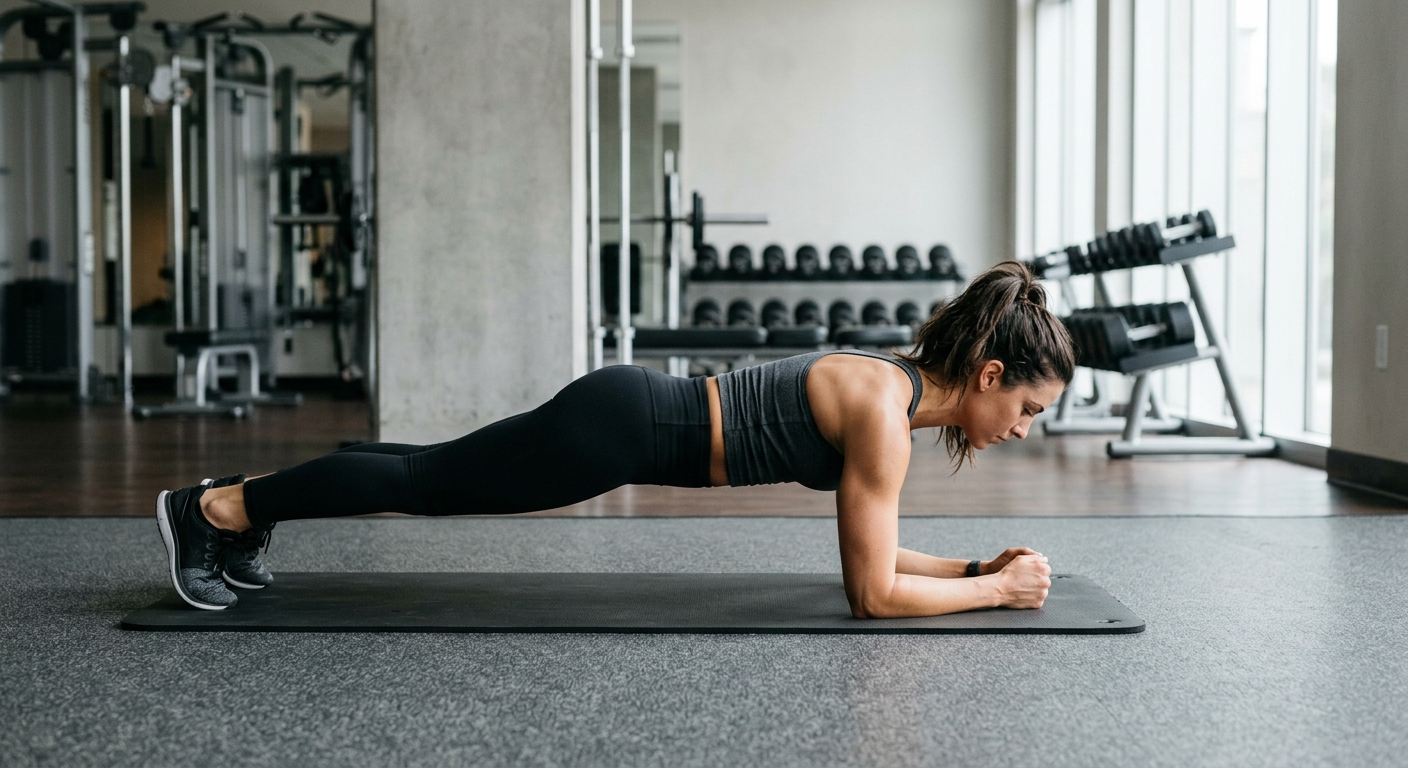
Planks and Variations
Planks build core stability without adding bulk to your midsection. Strong core stability translates to better punch transfer and defensive positioning.
Progress from standard planks to single-arm planks, plank-ups, and plank variations. Hold for 30-60 seconds with perfect form rather than going for maximum time with poor position.
Russian Twists for Rotational Power
Boxing is a rotational sport. Russian twists build the rotational core strength needed for powerful hooks while improving the stability needed to absorb body shots.
Perform with bodyweight or light weight for 3-4 sets of 20-30 total reps. Focus on controlled rotation, not speed.
Dead Bug Exercise
Dead bugs improve core stability and coordination. They teach you to maintain core tension while moving your limbs independently—exactly what you need when boxing.
Perform 3 sets of 10 reps per side. Move slowly and maintain perfect core position throughout the movement.
Upper Body Power Without Bulk
Push-Up Variations
Push-ups build functional pressing strength using bodyweight. Explosive push-ups develop fast-twitch fibers while maintaining boxing-specific movement patterns.
Progress from standard push-ups to explosive push-ups, single-arm push-ups, and archer push-ups. Focus on quality over quantity.
Pull-Ups for Balanced Development
Pull-ups balance all the pushing movements in boxing training. They build lat strength for powerful hooks and rear deltoid strength for defensive positioning.
Perform 4-5 sets of 5-10 reps depending on your strength level. Add weight when you can easily complete 3 sets of 12 reps with bodyweight.
Dumbbell Rows for Posterior Strength
Single-arm dumbbell rows build unilateral pulling strength while engaging core stability. They help prevent the forward shoulder posture that develops from too much punching.
Perform 3-4 sets of 8-12 reps per arm with controlled tempo. Focus on pulling with your lat, not your arm.
Conditioning That Builds Strength
Prowler Pushes
Prowler pushes build leg strength while improving conditioning. They train the forward drive needed for aggressive boxing while building functional leg power.
Push heavy weight for short distances (20-40 yards). Perform 6-8 sets with full recovery between efforts. This builds strength-endurance without compromising power.
Farmer’s Walks
Farmer’s walks build grip strength, core stability, and mental toughness simultaneously. Strong grip translates to better glove control and punching endurance.
Use heavy dumbbells or farmer’s walk handles. Walk 40-60 yards maintaining perfect posture. Rest 90-120 seconds between sets.
Battle Ropes for Power Endurance
Battle ropes combine strength training with conditioning. The undulating movement patterns build core strength while improving the power endurance needed for sustained punching output.
Perform 30-45 second intervals with 60-90 seconds rest. Focus on maximum effort during work periods rather than pacing yourself.
Programming Your Strength Training
Training Frequency
Perform strength training 2-3 times per week on non-boxing days or after boxing sessions. Never do heavy strength work before technical boxing training—it will compromise your skill development.
Monday: Boxing + light strength work
Tuesday: Heavy strength training
Wednesday: Boxing technique
Thursday: Moderate strength + conditioning
Friday: Boxing sparring or competition prep
Saturday: Recovery or light conditioning
Sunday: Rest
Set and Rep Ranges
For strength without bulk, focus on lower rep ranges with higher intensity:
- Compound movements: 3-6 reps per set
- Explosive exercises: 3-8 reps per set
- Core work: 8-15 reps per set
- Conditioning circuits: 15-45 seconds work periods
Rest Periods
Take full rest between strength sets to maintain power output. Short rest periods lead to muscle building adaptations rather than strength and power gains.
- Compound lifts: 3-5 minutes between sets
- Explosive exercises: 2-3 minutes between sets
- Core exercises: 60-90 seconds between sets
- Conditioning: 1-2 times work period duration
Common Mistakes to Avoid
Training Like a Bodybuilder
High-volume, high-frequency training builds muscle mass that hurts boxing performance. Stick to lower volumes with higher intensities to build strength without bulk.
Neglecting Recovery
Strength training adds stress to your boxing training load. Ensure adequate sleep, nutrition, and recovery between sessions to avoid overtraining.
Poor Exercise Selection
Isolation exercises like bicep curls don’t transfer to boxing performance. Focus on compound movements and explosive exercises that build functional strength.
Ignoring Mobility
Heavy strength training can reduce mobility if not balanced with proper stretching and movement quality work. Maintain your boxing-specific movement patterns.
Nutrition for Strength Without Bulk
Caloric Balance
To build strength without gaining mass, eat at maintenance calories or a slight surplus. Avoid the large caloric surpluses recommended for muscle building.
Protein Timing
Consume 20-30 grams of protein within 2 hours of strength training to support recovery without promoting excessive muscle growth. Spread protein intake throughout the day.
Carbohydrate Strategy
Time carbohydrate intake around your training sessions. Consume carbs before strength training for energy and after for recovery. Keep carbs lower on rest days.
Tracking Progress Without the Scale
Performance Metrics
Track your progress through performance improvements rather than weight gain:
- Punch power (measured with apps or power meters)
- Movement quality during boxing sessions
- Endurance during longer training sessions
- Lifting numbers (weight, reps, or both)
- Recovery between training sessions
Body Composition
Use body composition analysis rather than total body weight. You want to maintain or slightly increase lean mass while keeping body fat low for optimal boxing performance.
Training Heavy Bag Pro
Heavy Bag Pro provides the perfect tool for tracking your power development. Use the app’s round timer during your strength training sessions to maintain proper work-to-rest ratios. The structured timing helps you avoid the common mistake of taking too short or too long rest periods between sets.
Download Heavy Bag Pro from heavybag.pro/boxingtimer to structure both your boxing and strength training sessions with precise timing that maximizes results.
Sample Strength Training Week
Day 1: Power Focus
Warm-up: 10 minutes dynamic movement
Deadlifts: 5 sets x 3 reps
Medicine ball slams: 5 sets x 6 reps
Pull-ups: 4 sets x 6-8 reps
Plank variations: 3 sets x 45 seconds
Cool-down: 10 minutes mobility work
Day 2: Explosive Movement
Warm-up: 10 minutes movement prep
Front squats: 4 sets x 6 reps
Box jumps: 5 sets x 5 reps
Push-up variations: 4 sets x 8-12 reps
Russian twists: 3 sets x 30 total
Farmer’s walks: 4 sets x 50 yards
Day 3: Conditioning Strength
Warm-up: 5 minutes light movement
Kettlebell swings: 6 sets x 20 reps
Prowler pushes: 8 sets x 30 yards
Battle ropes: 6 sets x 30 seconds
Dead bugs: 3 sets x 10 per side
Cool-down: 15 minutes stretching
Conclusion
Building strength for boxing requires a different approach than traditional gym training. Focus on compound movements, explosive exercises, and functional patterns that directly improve your boxing performance. Keep your training volume moderate and intensity high to build the dense, powerful muscle that makes better boxers.
Remember that strength training should complement your boxing training, not replace it. Use these exercises to build a stronger foundation for your boxing skills while maintaining the speed and mobility that make you dangerous in the ring.
The key is consistency and progression. Start with basic movements, master the form, then gradually increase the challenge. Your boxing performance will improve as your strength-to-weight ratio increases, making you a more powerful and confident fighter.