
Boxing headgear has evolved from basic leather caps to sophisticated protective equipment designed to reduce the impact of punches during training. Whether you’re a beginner stepping into your first sparring session or an experienced fighter perfecting your technique, understanding the role of headgear in brain protection can make the difference between a long, healthy boxing career and permanent damage.
While professional boxing matches don’t allow headgear, amateur boxing and training sessions rely heavily on this protective equipment. Modern headgear doesn’t just cushion blows – it’s engineered to distribute impact forces, reduce cuts and bruises, and provide psychological confidence that allows fighters to train more effectively.
Why Brain Protection Matters in Boxing Training
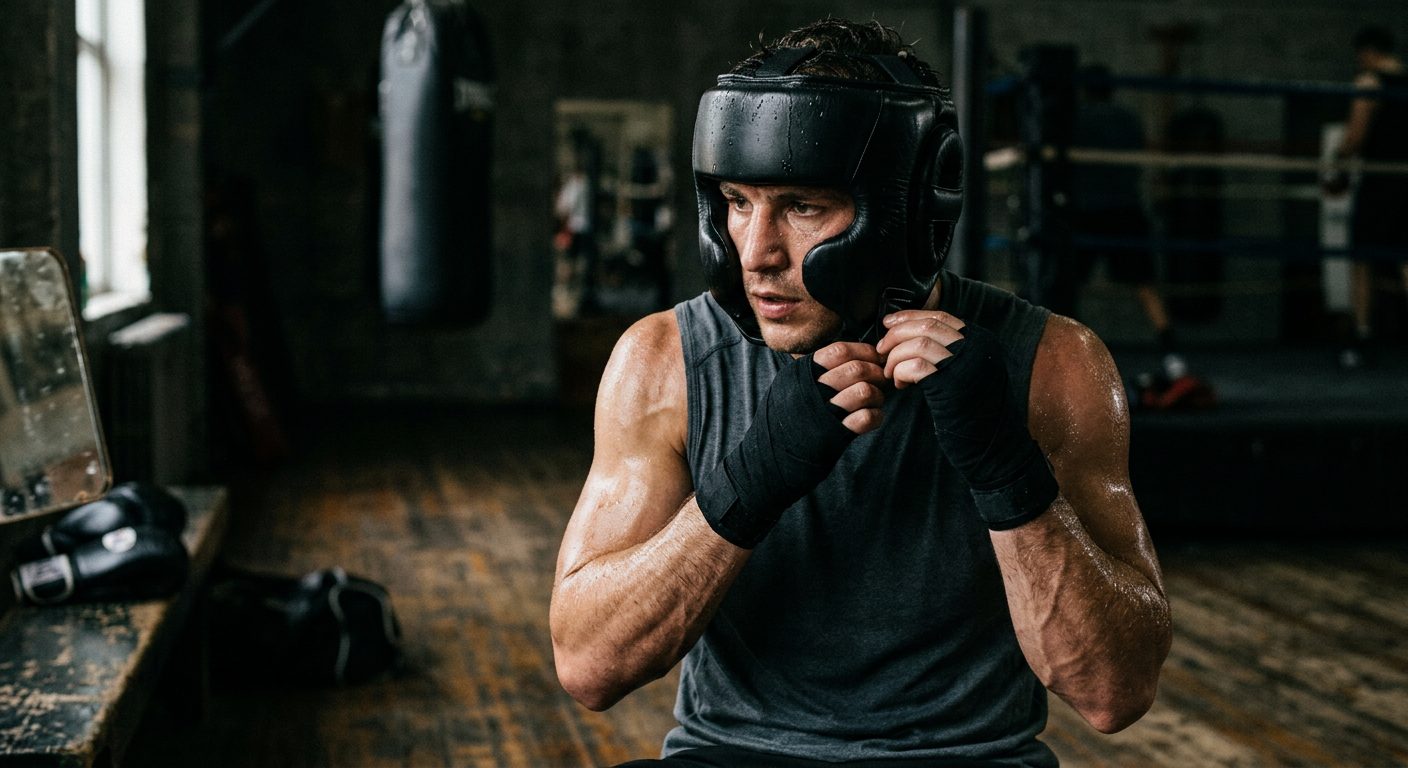
Your brain sits suspended in cerebrospinal fluid inside your skull. When your head experiences sudden acceleration or deceleration – like from a punch – your brain can collide with the inside of your skull, causing concussions or traumatic brain injuries. Boxing headgear works by extending the time it takes for impact forces to reach your head, reducing the peak force your brain experiences.
Studies show that even subconcussive impacts – hits that don’t cause obvious symptoms – can accumulate over time and lead to chronic traumatic encephalopathy (CTE). This makes protective headgear essential during regular training sessions where fighters might take hundreds of light to moderate impacts per week.
Professional fighters like Sugar Ray Robinson and Muhammad Ali suffered from brain injuries later in life, partly attributed to years of accumulated damage from both competition and training. Modern fighters are much more aware of these risks and take brain protection seriously from day one of their training.
Types of Boxing Headgear and Their Protection Levels
Boxing headgear comes in several distinct styles, each designed for specific training scenarios and protection needs. Understanding these differences helps you choose the right gear for your training intensity and experience level.
Open Face Headgear
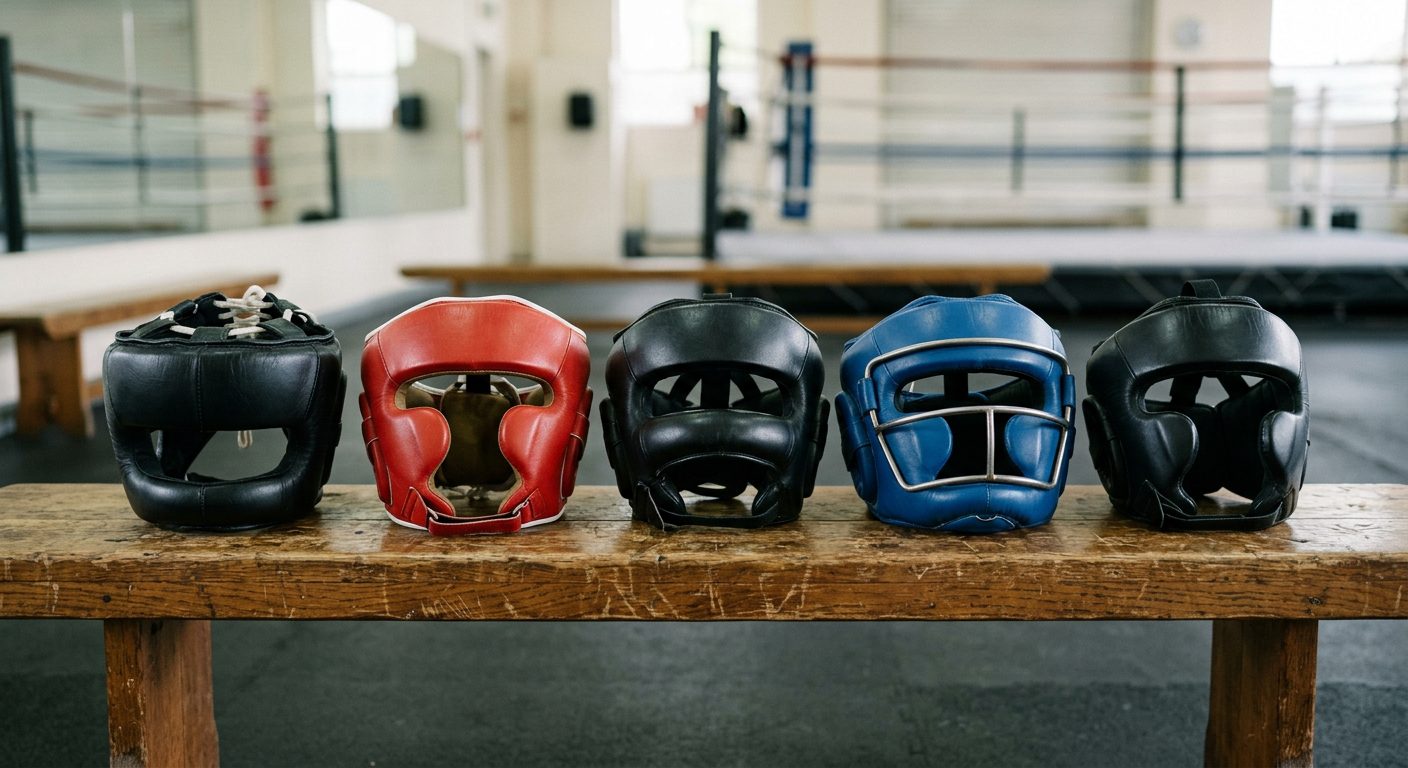
Open face headgear protects the forehead, temples, and back of the head while leaving the face completely exposed. This style offers the best vision and breathing during training, making it popular for technical sparring and pad work. The open design allows coaches to see facial expressions and breathing patterns, crucial for monitoring fighter fatigue and technique.
Open face models provide moderate protection against cuts and reduce the force of hooks and uppercuts to the sides and back of the head. However, they offer no protection against straight punches to the nose or mouth, making them unsuitable for hard sparring sessions.
Full Face Headgear
Full face headgear includes a protective cage or padding that covers the nose and often the chin area. This design provides maximum protection for beginners or during intense sparring sessions where the risk of facial injuries is high. The extra coverage significantly reduces cuts, broken noses, and dental injuries.
The trade-off comes in reduced visibility and airflow. The face protection can create blind spots, especially for peripheral vision, and the enclosed design can cause overheating during long training sessions. Many experienced fighters find full face headgear too restrictive for technical work but essential for hard contact drills.
Competition Headgear
Competition headgear meets specific amateur boxing regulations and is designed for maximum mobility while providing adequate protection. These models typically feature minimal padding to maintain the speed and accuracy needed for competitive boxing while still meeting safety requirements.
Competition headgear must be approved by boxing governing bodies like USA Boxing or the International Boxing Association. The designs prioritize lightweight construction and unrestricted head movement over maximum protection, making them less suitable for hard sparring but perfect for technical training and sanctioned amateur bouts.
How to Choose the Right Headgear for Your Training
Selecting the proper headgear depends on your experience level, training intensity, and specific needs. The wrong choice can either provide insufficient protection or hinder your development as a fighter.
For Beginners
New boxers should prioritize maximum protection over mobility and vision. Full face headgear with thick padding around the temples and forehead provides the confidence needed to focus on learning proper technique without fear of injury. The extra protection allows beginners to make mistakes without serious consequences.
Look for headgear with adjustable straps and chin protection. Beginners often have less developed defensive skills and benefit from the psychological comfort that comprehensive protection provides. This confidence allows for more relaxed training, which actually improves learning speed and technique development.
For Intermediate Fighters
As your skills develop and you begin more serious sparring, you can transition to open face headgear for better vision and mobility. Intermediate fighters need to see punches coming and develop proper defensive reflexes, which full face coverage can impede.
At this stage, focus on headgear that balances protection with mobility. Look for models with good temple and back-of-head coverage but minimal face obstruction. This allows you to work on head movement, slipping, and counter-punching while maintaining adequate protection.
For Advanced and Competitive Boxers
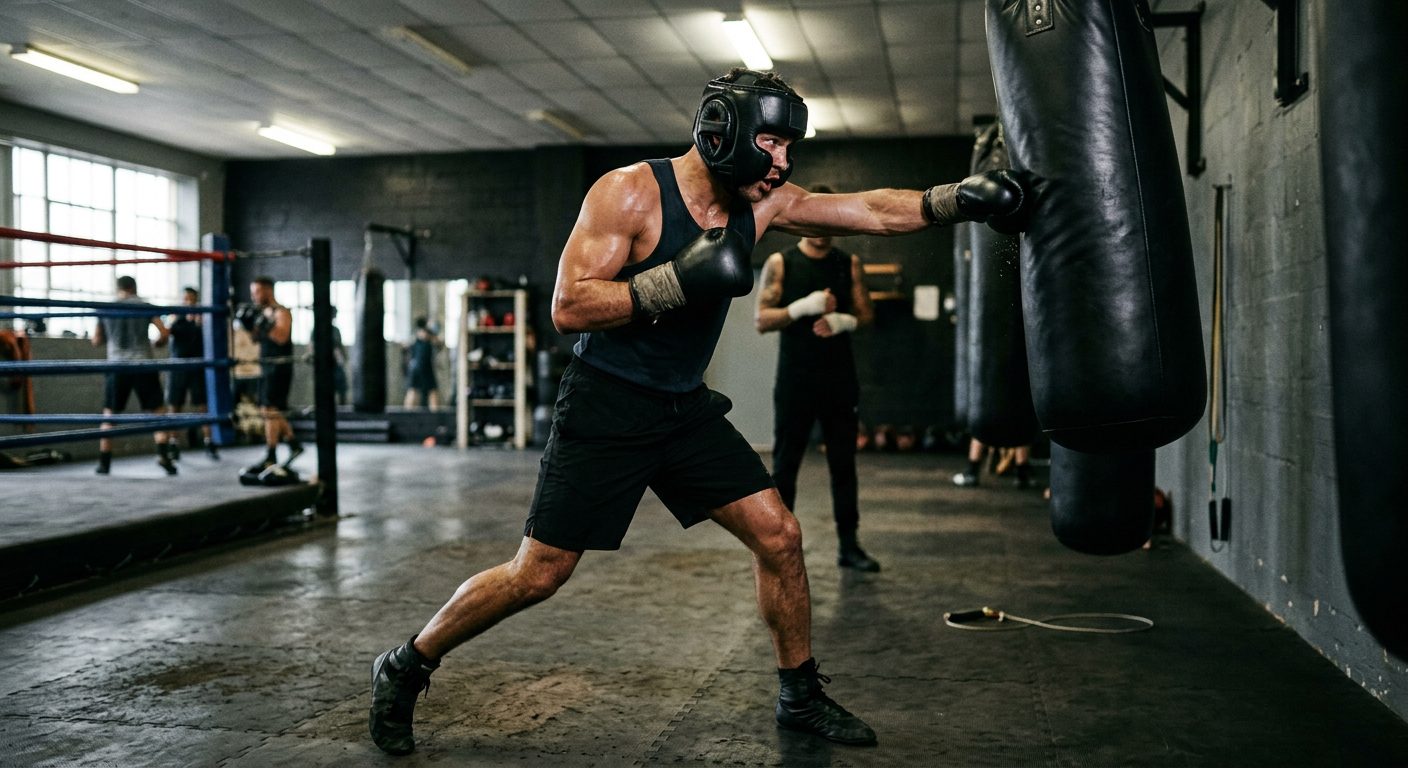
Experienced fighters often use minimal headgear that meets their specific training needs. Competition headgear for amateur bouts, lightweight open face models for technical sparring, or even training without headgear for specific conditioning work (though this should be done sparingly and with experienced partners).
Advanced fighters understand the trade-offs and can make informed decisions about when to prioritize protection versus realism in training. They often own multiple headgear types for different training scenarios.
Proper Fitting and Adjustment
Even the best headgear won’t protect you if it doesn’t fit correctly. Proper fitting ensures that impact forces are distributed across the protective padding rather than concentrated at contact points. A loose headgear can shift during training, leaving vulnerable areas exposed or creating blind spots at crucial moments.
Start by measuring your head circumference just above your eyebrows and around the widest part of your head. Most headgear comes in small, medium, large, and extra-large sizes, with specific measurements listed by manufacturers. When in doubt, choose the smaller size – headgear should fit snugly without being uncomfortable.
Adjustment Steps
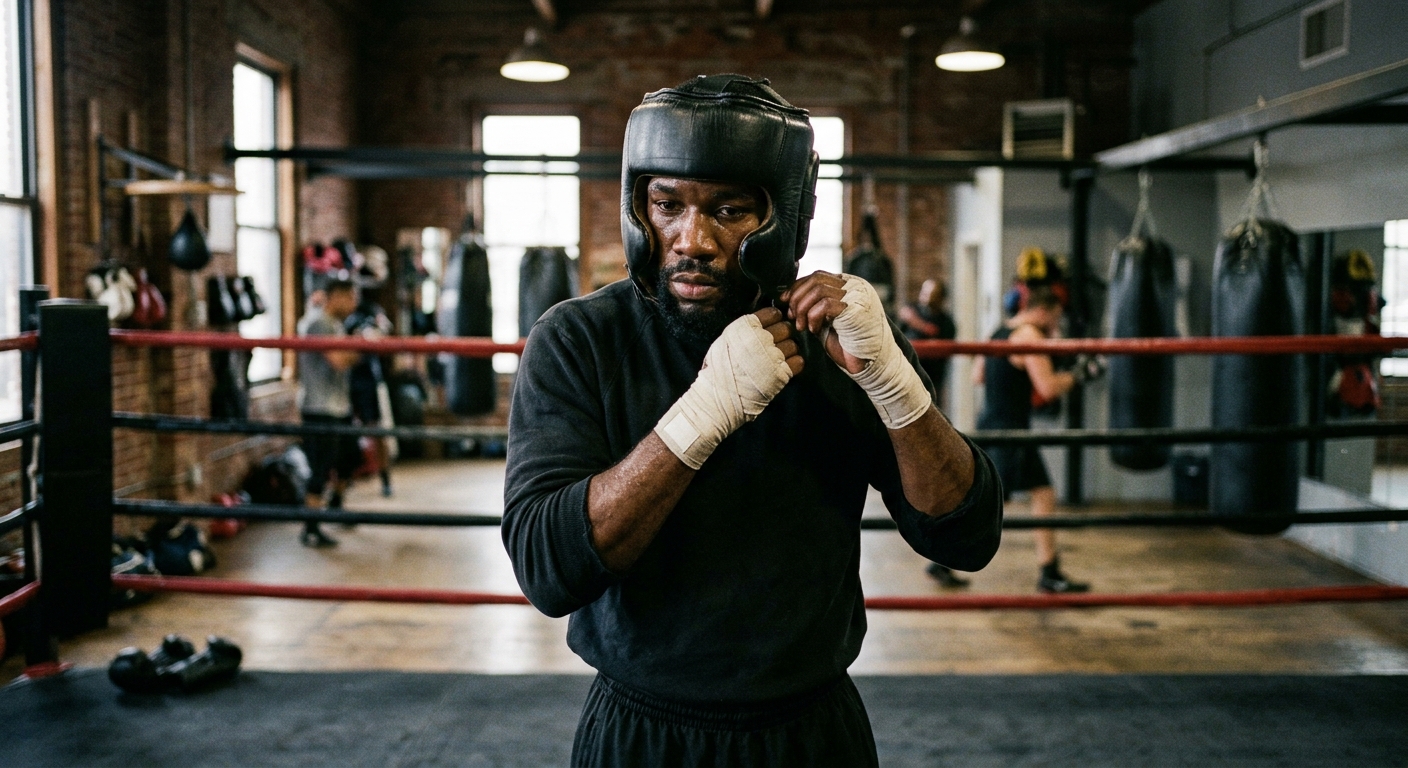
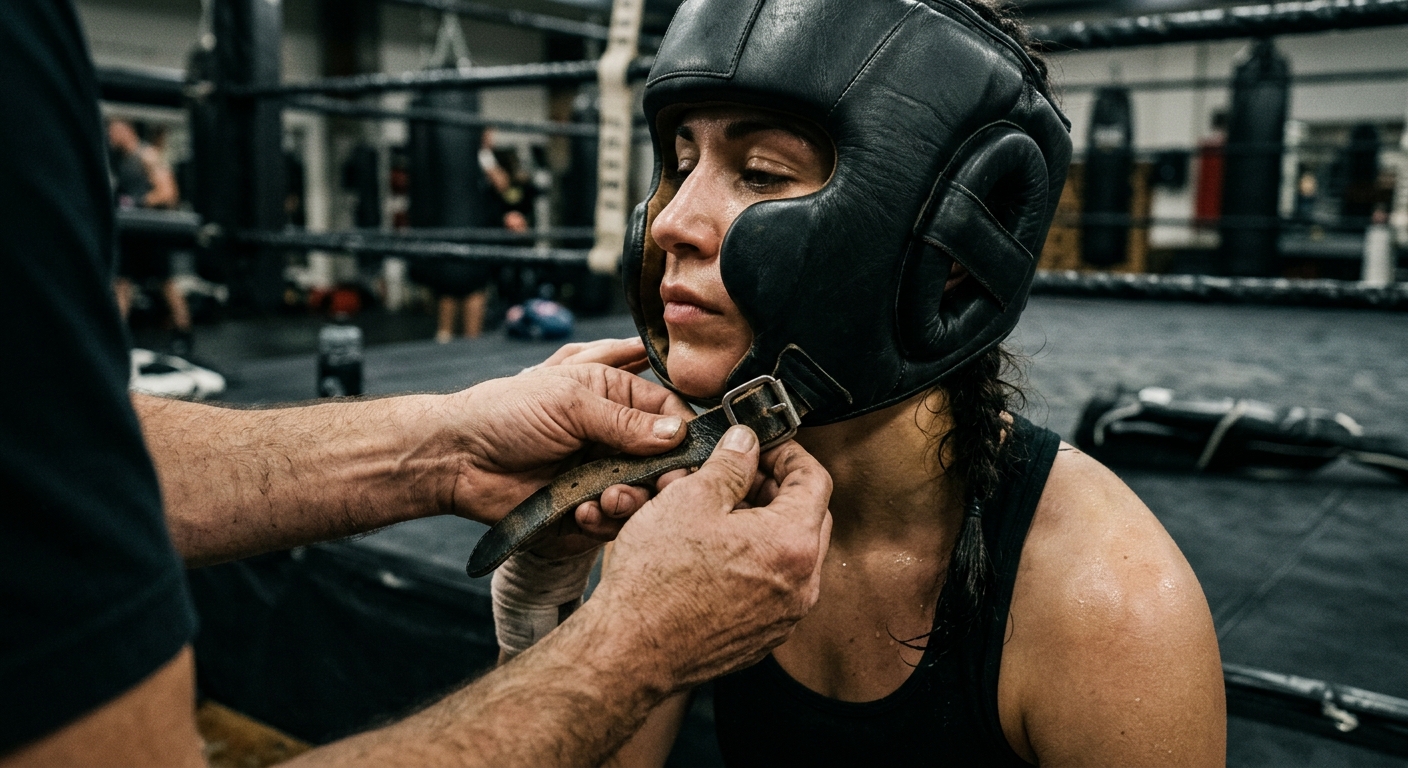
Put on the headgear and secure the chin strap first, then adjust the top and back straps. The headgear should sit level on your head, not tilted forward or backward. The forehead padding should rest against your forehead without pressing into your eyebrows, and the back padding should cover the base of your skull.
Check that you can see clearly through any face protection and that the headgear doesn’t shift when you move your head quickly. Have a training partner or coach check the fit from different angles to ensure even coverage and proper positioning.
Common Fitting Problems
Too loose headgear will rotate during training, potentially blocking vision at critical moments or exposing protected areas to impact. Too tight headgear causes headaches, restricted blood flow, and can actually increase concussion risk by transmitting more force directly to the skull.
Watch for pressure points that develop during longer training sessions. Hot spots or areas of discomfort indicate poor fit or worn padding that needs adjustment or replacement. Properly fitted headgear should feel secure but never painful, even after extended wear.
Maintenance and When to Replace Headgear
Boxing headgear takes significant abuse and requires regular maintenance to maintain its protective qualities. Worn or damaged headgear can actually increase injury risk by providing false confidence while offering diminished protection.
After each training session, wipe down your headgear with antibacterial wipes or a mild disinfectant solution. Allow it to air dry completely before storing to prevent bacterial growth and material breakdown. Never throw wet headgear into a gym bag where it can develop mold and odors.
Inspect your headgear regularly for signs of wear. Check the padding for compression, especially around high-impact areas like the forehead and temples. Compressed padding that doesn’t return to its original thickness has lost its shock-absorbing properties and needs replacement.
Warning Signs for Replacement
Replace headgear immediately if you notice cracked or torn material, loose stitching around critical stress points, or padding that stays compressed after impact. Straps that don’t hold adjustments properly or buckles that come undone during training also indicate the need for replacement.
Even well-maintained headgear has a limited lifespan. Heavy training schedules might require replacement every 6-12 months, while recreational boxers might get 2-3 years from quality headgear. The investment in new protective equipment is minimal compared to the cost of treating a brain injury.
Don’t try to repair damaged headgear yourself. The protective qualities depend on specific materials and construction techniques that can’t be replicated with home repairs. When in doubt, replace rather than risk inadequate protection.
Headgear Myths and Common Misconceptions
Several persistent myths about boxing headgear can lead to poor decision-making about brain protection. Understanding the science behind these misconceptions helps fighters make informed choices about their safety equipment.
Myth: Headgear Prevents All Concussions
While headgear significantly reduces concussion risk, it cannot eliminate it entirely. Severe impacts can still cause brain movement inside the skull, leading to concussions even with proper headgear. The equipment reduces force transmission and prevents many injuries, but fighters must still train intelligently and avoid unnecessary risks.
Think of headgear like a seatbelt in a car – it greatly improves safety but doesn’t make reckless behavior safe. Proper technique, controlled sparring, and awareness of cumulative impact are just as important as wearing protective equipment.
Myth: Professional Fighters Don’t Need Headgear
Professional boxing matches ban headgear to increase action and visibility for spectators, but many professional fighters wear headgear during training. The absence of headgear in competition doesn’t mean it’s unnecessary for preparation and skill development.
Elite fighters often use headgear strategically – during technical training and early camp preparation, then gradually reducing protection as they approach fight dates to adjust to competition conditions. This approach maximizes protection during high-volume training while maintaining fight-specific preparation.
Integrating Headgear Use with Heavy Bag Pro Training
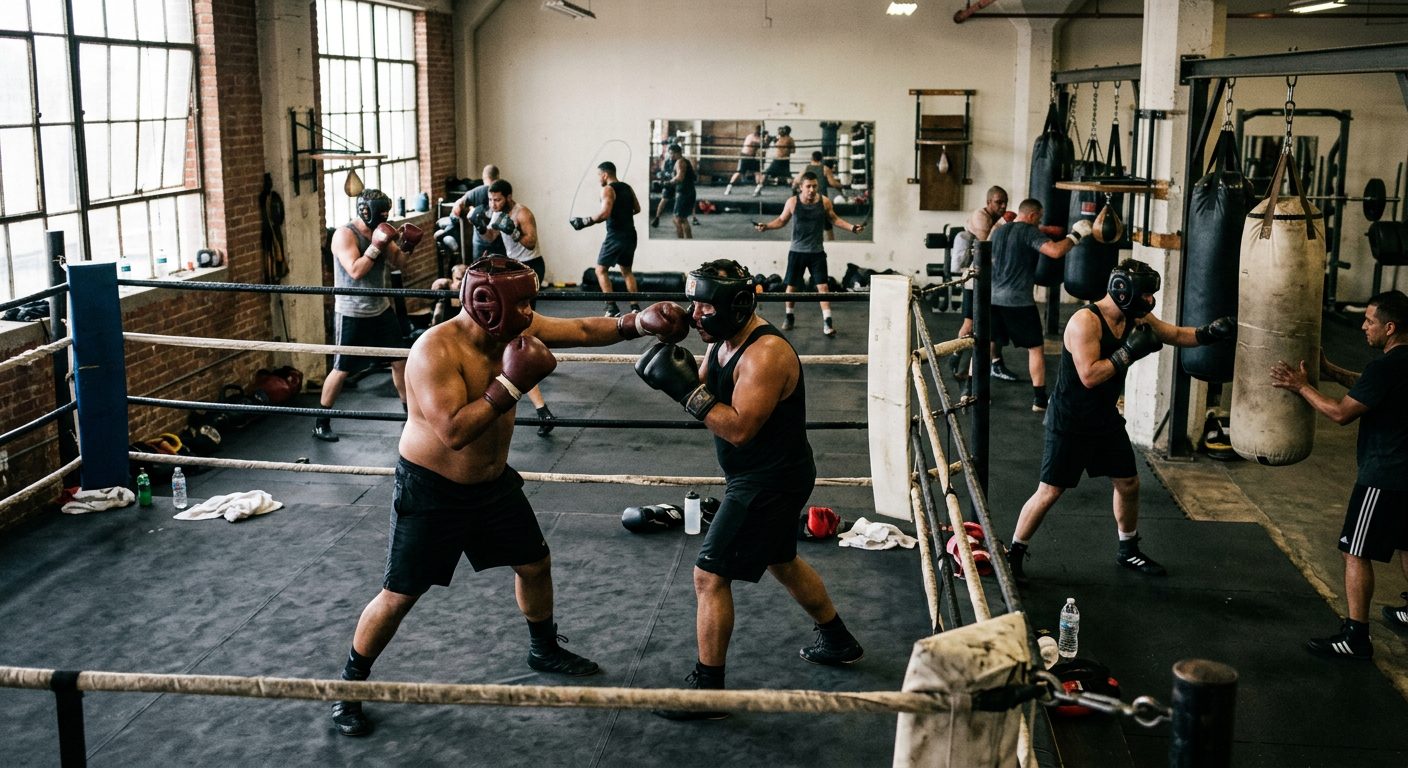
Heavy Bag Pro’s round timer functions work perfectly with any headgear setup, ensuring your protective equipment never interferes with structured training sessions. The app’s clear audio cues penetrate even full-face headgear, keeping you focused on round times without having to check visual displays.
Use Heavy Bag Pro’s custom round settings to gradually increase sparring intensity while maintaining proper headgear protection protocols. Start with shorter rounds and longer rest periods when introducing new headgear, allowing time to adjust to any vision or mobility changes.
The app’s workout tracking helps monitor training intensity levels, ensuring you’re not exceeding safe impact volumes even with protective headgear. This data-driven approach to training load management is crucial for long-term brain health and career longevity.
Set up specific Heavy Bag Pro profiles for different headgear types – technical work with open-face gear might use longer rounds, while hard sparring with full protection might require shorter, more intense intervals with extended recovery periods.
Building a Complete Protection System
Boxing headgear is just one component of comprehensive brain protection. Combine proper equipment with intelligent training practices, adequate recovery time, and professional medical monitoring for optimal safety.
Work with experienced coaches who understand concussion protocols and can recognize early warning signs of brain injury. Establish clear guidelines for when to stop training and seek medical attention. No training session is worth risking permanent brain damage.
Consider keeping a training log that records any impacts to the head, even minor ones. This documentation helps identify patterns and can be valuable information for medical professionals if injuries occur. Modern fighters are becoming more proactive about brain health monitoring.
Remember that the best protection combines quality equipment with smart training decisions. Headgear enables safer training, but it’s your responsibility to use it as part of a comprehensive approach to career longevity and brain health. Train hard, but train smart – your future self will thank you for the protection you provide today.