
Learning to throw a single punch is just the start. Real boxing happens when you link those shots into fluid sequences. If you have the jab, cross, hook, and uppercut down in isolation, it is time to start mixing them up.
Think of combinations as sentences instead of just words. One punch sets up the next, creating openings and keeping the pressure on the bag or your opponent. Most fights aren’t won with one big shot. They are won with well-timed sequences that flow naturally from one move to the next.
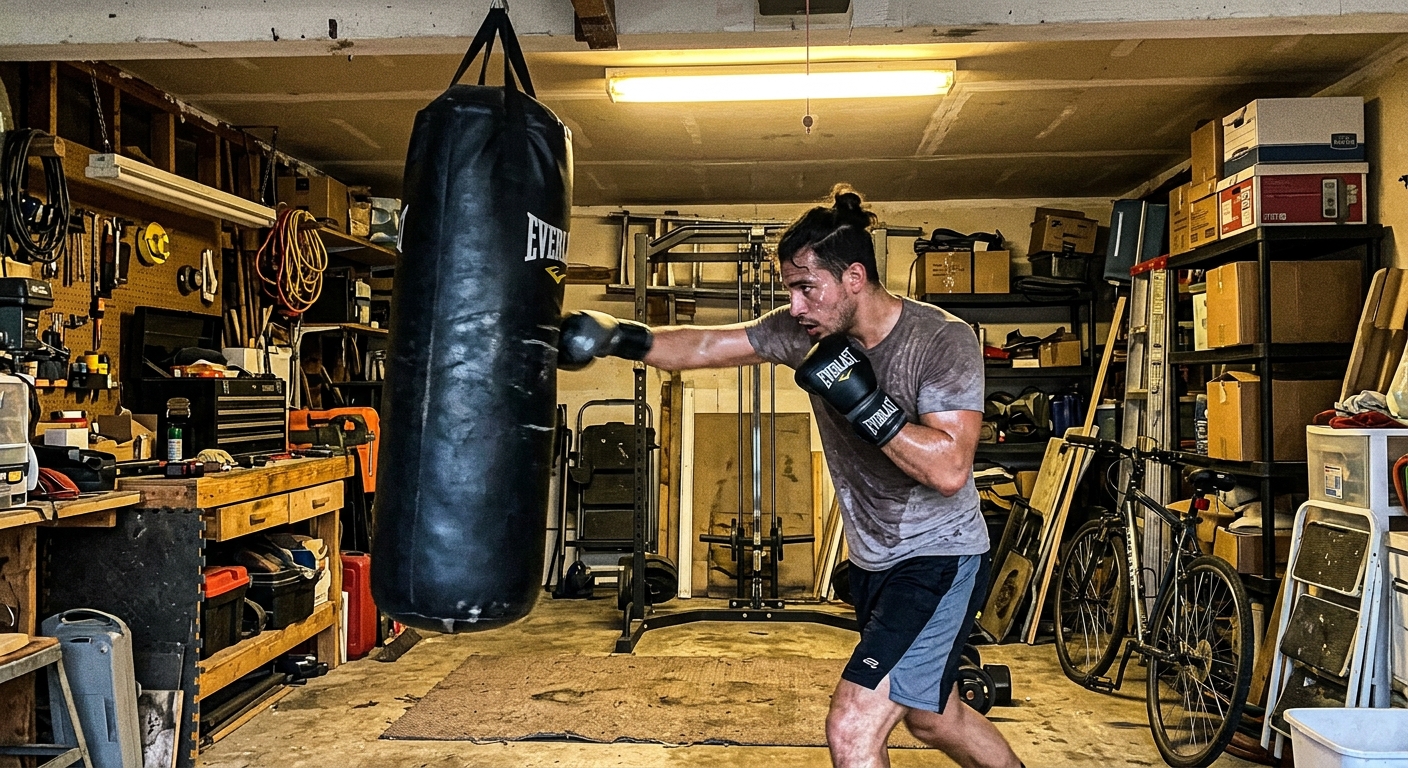
The essentials: your first three combinations
1-2 (Jab-Cross)
This is the most basic sequence in boxing and is your primary building block. The jab breaks your opponent’s rhythm and finds the distance, while the cross brings the power. You should drill this until you can do it in your sleep.
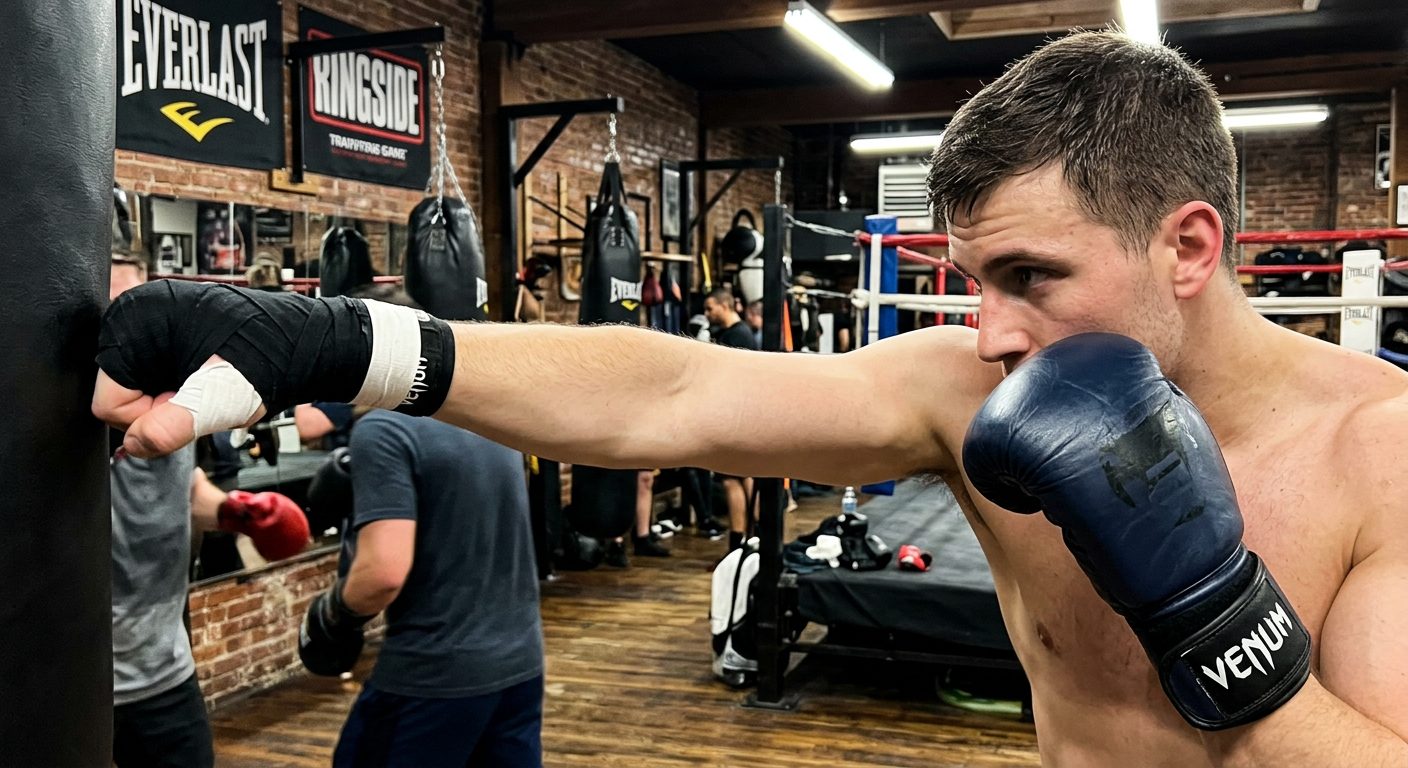
Start slow and focus on the transition. Your jab needs to snap out and get back to your face just as the cross starts. Do not pause between them. The rhythm should sound like a quick one-two beat, not two separate events.
One common mistake is dropping your lead hand while throwing the cross. Keep that hand glued to your chin to stay protected.
1-2-3 (Jab-Cross-Lead Hook)
Adding a hook gives you your first real multi-angle attack. The cross draws the guard to the center, which leaves the side of the head open for the hook. This three-punch set teaches you to shift your weight without falling off balance.
The hard part is the gap between the cross and the hook. Pull your right hand back to your guard while your lead side pivots into the hook. Do not “wind up” the hook by pulling your shoulder back, as that just tells your opponent what is coming.
1-1-2 (Double Jab-Cross)
Throw two quick jabs followed by a hard cross. The first jab finds the range, the second keeps them busy, and the cross finishes the job. This helps you learn how to vary your jab speed to set up your power hand.
The double jab should be fast and light, almost like you are just tapping the target. Save your real strength and commitment for the cross at the end.
Adding more variety
Attacking the body: 1-2-3-6
Try adding a lead hook to the body (the #6) after your 1-2-3. Body shots are great for slowing people down and draining their gas tank. This sequence forces you to change levels and prevents you from becoming predictable.
Drop your lead shoulder and bend your knees slightly for the body shot. Do not lean over too far or you will get countered.
The double hook: 1-6-3-2
This one starts with a jab, goes to a lead body hook, comes back up with a lead head hook, and ends with a cross. It is a bit more advanced because you are throwing two hooks with the same hand at different heights.
The goal here is deception. The body shot makes them drop their hands, the head hook catches them as they try to adjust, and the cross flies through the middle of their defense.
Power boxing: 2-3-2
A cross-hook-cross is a heavy-hitting sequence. The first cross creates the opening, the hook forces them to turn their head, and the second cross comes back through the gap.
Do not try to kill the bag with the first cross. Use it to set the range. The real power comes from the momentum of the whole combination.
Footwork is the secret
Good combinations are about more than just fast hands. Your feet have to move to keep you balanced and give you the right angles. A lot of beginners just stand still and “arm-punch” their way through.
Take tiny steps while you punch. A small pivot during the 1-2 gives you a better angle for power. A half-step forward during the 1-1-2 keeps you in range for the final cross. These movements keep you off the center line and make you harder to hit.
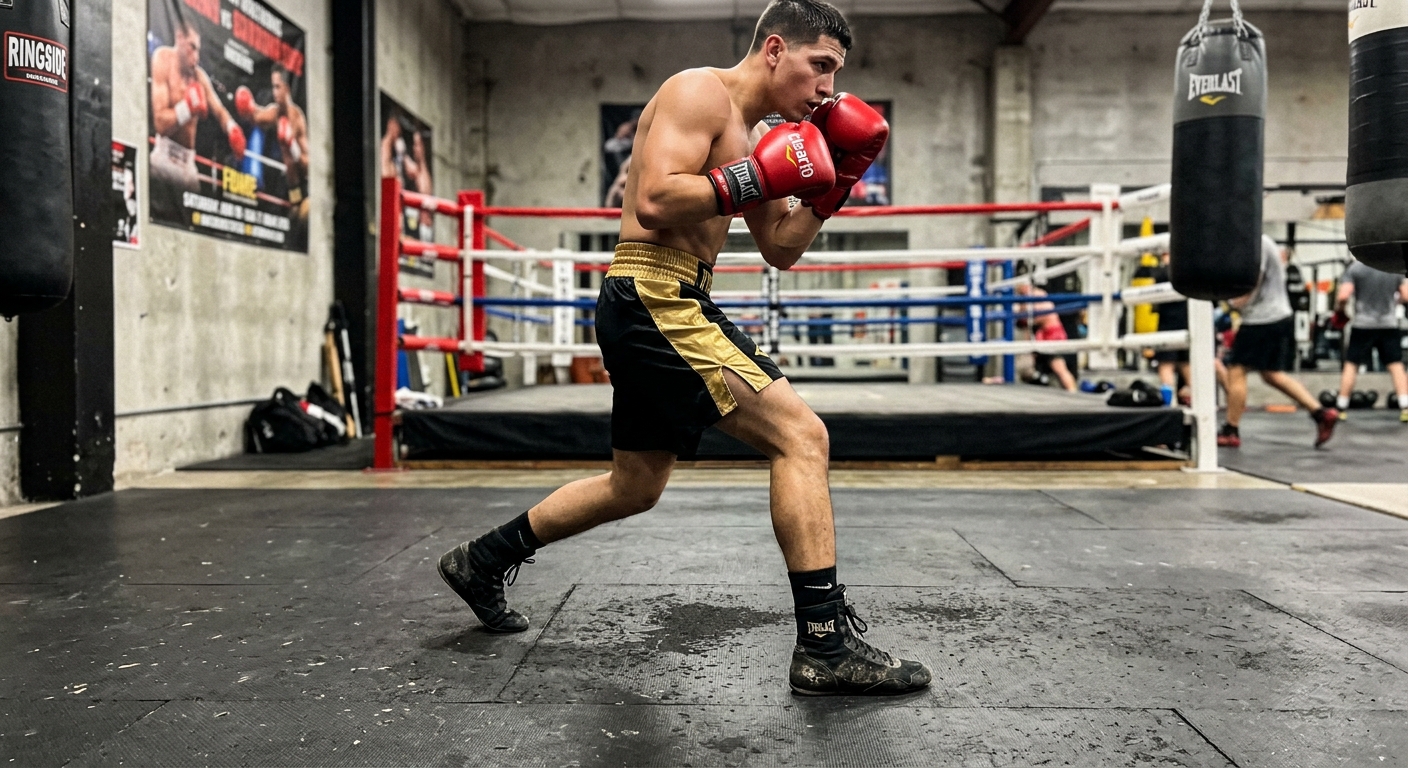
You do not need to move like a pro yet. Just focus on small, intentional steps that make each punch in the sequence feel solid.
How to practice
Heavy bag rounds
The heavy bag is the best place to start because it is a stationary target. Focus on your form first. Every shot in the sequence should be clean and controlled.
Work in three-minute rounds. Spend the first minute throwing combinations slowly to get the mechanics right. In the second minute, start adding some snap and speed. For the final minute, mix the combinations together and keep moving around the bag.
Shadow boxing
Shadow boxing lets you feel the flow between punches without the resistance of a bag. It helps you focus on balance and moving your feet.
Imagine someone is in front of you. Throw your shots as if you are responding to their movement. This is where you develop your timing and “ring vision.”
Working the mitts
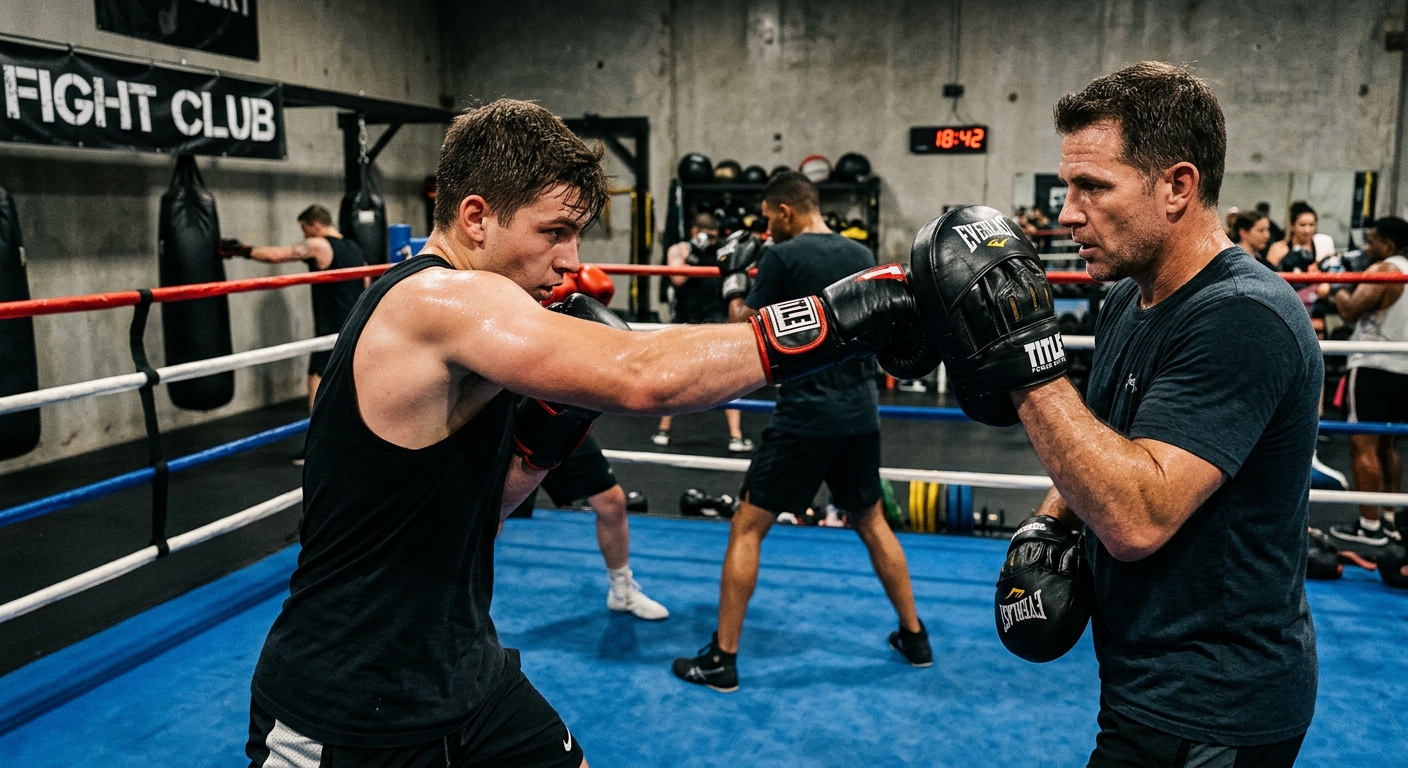
If you have a partner, work on the pads. This adds the element of reaction. Your partner can call out numbers, move the targets, and help you find a natural rhythm.
Start with set patterns before trying reactive work. This is the closest you can get to a real fight without actually getting hit.
Beginner problems to avoid
Trying to go too fast
The biggest mistake is rushing. When you try to go at full speed too soon, your technique falls apart and you lose your balance. Real speed comes from being efficient, not from being frantic. Get the movement right, then add the gas.
Showing your retraction
Do not pull your hand back or “load up” before each punch. The power should come from the rotation of your hips, not from winding up your arm.
Forgetting your defense
Your guard should stay up even when you are attacking. Never let your non-punching hand drop to your waist. If you are throwing a right, that left hand better be on your cheek.
Getting stuck in the mud
Combinations work best when you move. Do not just stand there and trade. Take an angle, create some space, and use lateral movement to set up your next set of punches.
What is next?
Once these basics feel natural, you can start adding uppercuts and changing your timing. You do not need to memorize a thousand different patterns. The goal is to understand how your body moves so you can create your own style.
The best fighters make this look easy because they know how one shot leads to the next. They are not just throwing random punches. They are testing their opponent and looking for an opening.
Start with these fundamentals and drill them until they are automatic. The move from a beginner to a real boxer starts with learning how to put your punches together.