
Heavy bag training builds better boxers. These 15 combinations will take you from throwing random punches to fighting with real purpose and technique.
Whether you just started boxing or compete regularly, these combinations give you the timing, balance, and rhythm that separates sloppy fighters from sharp ones.
Why Combinations Beat Single Punches
Single punches build power. Combinations build fighters. Real boxing happens in sequences where each punch sets up the next, creating openings and pressure that isolated shots can’t achieve.
Watch any professional fight. Boxers rarely throw one punch and wait. They work in combinations because multiple punches confuse opponents, overwhelm defense, and multiply your chances of landing clean shots. Heavy bag training lets you practice these sequences safely until they become automatic.
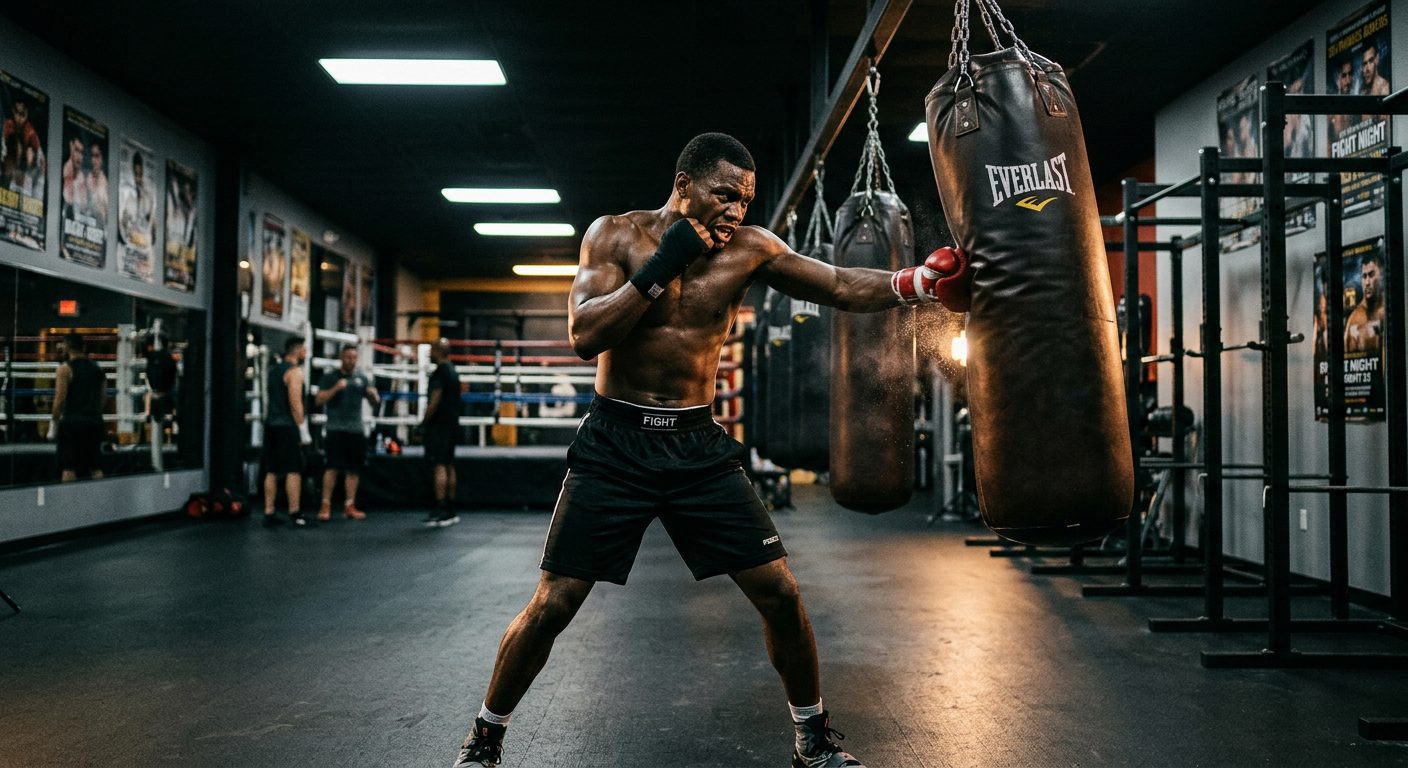
The heavy bag reacts like a body when you hit it correctly. It teaches proper form, spacing, and timing without worrying about a moving target. Get combinations right on the bag first, then use them in sparring with confidence.
The 15 Combinations You Need to Know
1. Basic Jab-Cross (1-2)
The foundation every boxer must nail down. Jab with your lead hand to set distance and timing, then immediately fire a cross with your rear hand.
Snap the jab out and back fast while stepping forward with the cross. Pivot your rear foot and drive with your hip for power. Keep your guard up through the whole thing and reset to your stance after.
Throw 1-2 combinations for entire rounds to build muscle memory. This shows up in almost every other combination, so getting it right now saves you hours later.
2. Jab-Cross-Lead Hook (1-2-3)
Add the lead hook for your first three-punch combination. After the cross lands, pivot your lead foot and whip your lead hand in a tight arc around their guard.
The hook targets the side of the head or body. Keep your elbow parallel to the ground and punch through your target, not to it. Your rear hand stays up protecting your chin during the hook.
This works because the cross pulls attention to the center while the hook comes from the side. The angles make it tough to defend both punches.
3. Jab-Cross-Lead Hook-Rear Hook (1-2-3-4)
Add a rear hook after the lead hook for the basic four-punch sequence. This creates head movement and angle changes that overwhelm most defenses.
Flow from the lead hook by shifting weight back to your rear foot and throwing the rear hook in the opposite direction. Both hooks need conviction, not arm punches. Your whole body rotates with each hook.
Four-punch combinations demand good conditioning and timing. Start slow, focus on clean technique over speed or power. The rhythm develops naturally with repetition.
4. Double Jab-Cross (1-1-2)
Two fast jabs then a power cross builds timing and distance control. The first jab tests their reactions while the second jab sets up the cross perfectly.
Throw both jabs with the same hand, snapping each one out and back fast. Step forward slightly with each jab, closing distance for a heavy cross. The double jab keeps them thinking defense while the cross finishes with authority.
Many fighters drop their hands after the first jab, making the second one surprisingly effective. This punishes that habit while teaching you to keep pressure through multiple punches.
5. Jab-Lead Uppercut-Cross (1-5-2)
Replace the typical cross with an uppercut to attack from underneath their guard. This works great against taller opponents who lean forward.
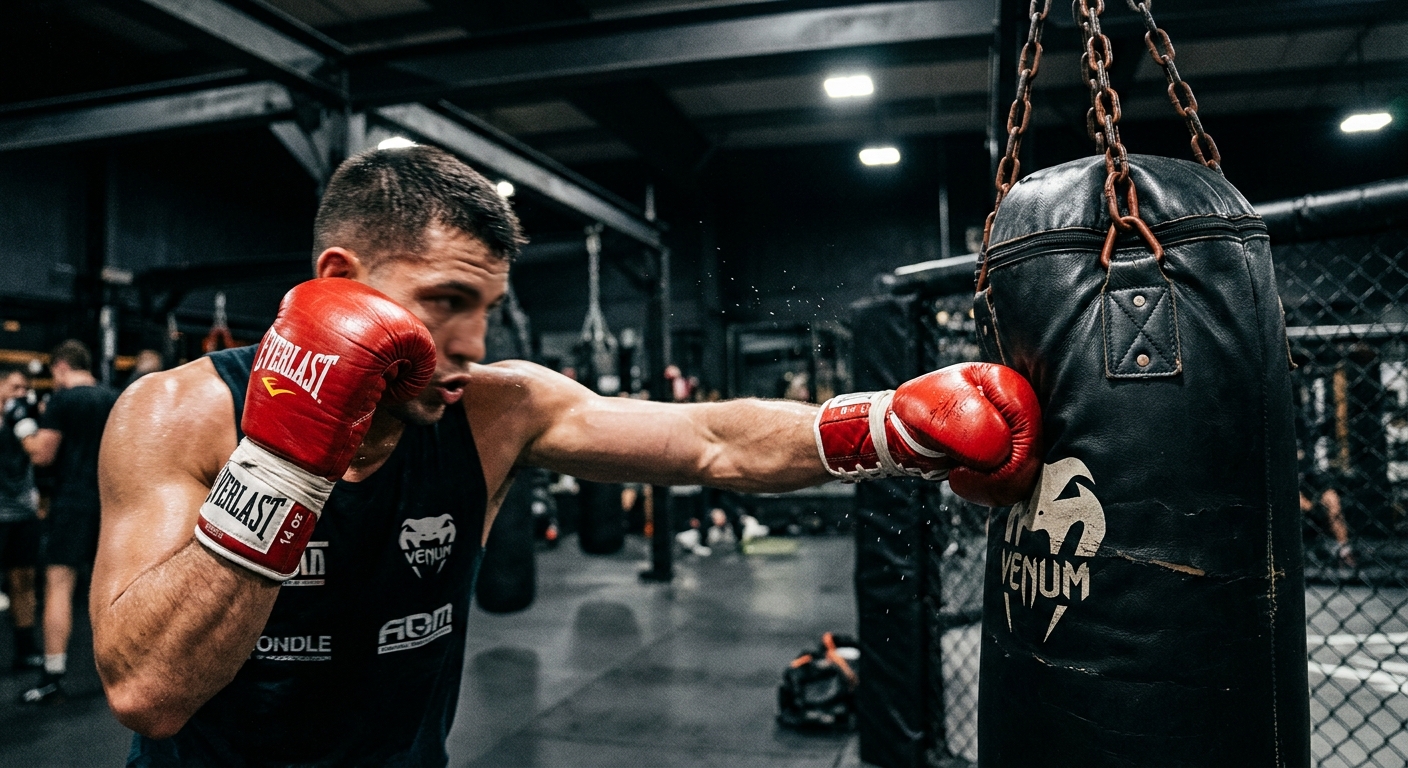
After the jab, drop your lead shoulder slightly and drive your lead fist upward in a short, sharp motion. Keep the uppercut tight to your body and punch straight up through your target. Follow immediately with a cross over the top.
Timing matters here. The jab should pull their attention high while the uppercut attacks the open midsection or chin from below. The cross finishes while they’re still recovering from the unexpected angle.
6. Body Shot Series (3-4-3-4)
Four hooks switching between body and head create tremendous pressure and conditioning. Start with lead hook to body, rear hook to head, lead hook to body, finish with rear hook to head.
Body shots slow opponents down and open up head shots later in fights. This teaches you to attack multiple levels systematically. Keep your hooks tight and powerful, rotating your core with each punch.
The rhythm should flow like a drumbeat: body-head-body-head. Each punch should land with full commitment, not just touch the target. They won’t know where the next punch comes from.
7. Cross-Lead Hook-Cross (2-3-2)
Start with power and keep it throughout. The opening cross forces defensive reactions while the hook comes from a different angle. The final cross catches them still adjusting to the hook.
This works because it starts with your strongest punch instead of building up to it. Many fighters expect combinations to start with jabs, making the opening cross surprisingly effective.
Step forward with the first cross, pivot for the hook, then step forward again with the final cross. Each punch should be thrown with bad intentions, not just to set up the next one.
8. Jab-Lead Uppercut-Rear Uppercut (1-5-6)
Two uppercuts work great for inside fighting. After the jab, throw a lead uppercut then immediately follow with a rear uppercut. Both uppercuts should be short and sharp.
This destroys opponents who like to lean forward or duck low. The double uppercut motion teaches good body mechanics for inside fighting where space is limited.
Keep both uppercuts close to your body and drive them straight up through your target. Your legs provide the power while your arms guide direction. Don’t telegraph either uppercut by dropping your hands too far.
9. Lead Hook-Rear Hook-Lead Hook (3-4-3)
Three straight hooks create side-to-side head movement that’s nearly impossible to defend. This requires good conditioning and timing to pull off properly.
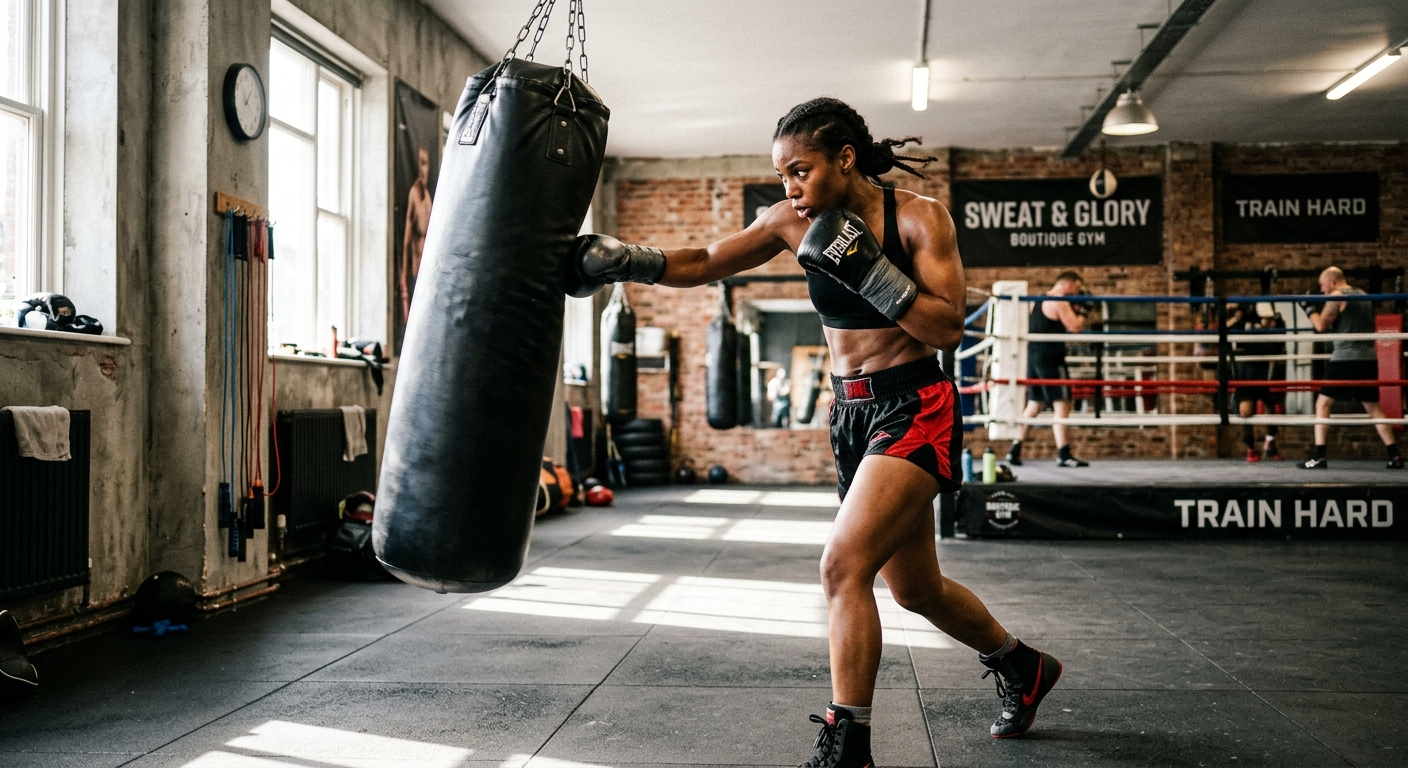
Start with a strong lead hook, immediately shift weight and throw the rear hook, then shift back for the final lead hook. Each hook gets thrown with full body rotation. Your head moves with each punch, giving defensive value while attacking.
Pro fighters use this to finish fights because the constant angle changes overwhelm most defensive schemes. Practice slowly until the rhythm feels natural.
10. Jab-Cross-Lead Hook-Rear Uppercut (1-2-3-6)
Mix high and low attacks by finishing with a rear uppercut instead of another hook. After the lead hook, drop your rear shoulder and drive the uppercut up through their guard.
This four-punch combination covers multiple angles: straight punches down the center, a hook from the side, and an uppercut from underneath. The variety makes it extremely hard to defend completely.
The rear uppercut should be your most powerful punch in the sequence because they’ll be focused on defending the hooks. Time it right and the uppercut lands clean while they’re still rotating from the hook.
11. Double Jab-Lead Hook-Cross (1-1-3-2)
Build pressure with double jabs then explode with hook-cross power. This teaches patience in building combinations before finishing with authority.
The double jab should close distance and disrupt timing. Each jab should be sharp and withdrawn quickly. The lead hook comes from a different angle while the cross provides the knockout punch.
Many fighters rush combinations and miss opportunities to land clean power shots. This sequence teaches you to set up power punches properly through controlled pressure building.
12. Body Jab-Head Cross-Body Hook (1B-2-3B)
Attack body, then head, then back to body. This three-level attack keeps opponents guessing and opens up targets through misdirection.
The body jab should be thrown with the same speed and technique as a head jab. Drop your shoulder slightly to reach the target but don’t telegraph the punch. The head cross should snap their attention upward while the body hook attacks the exposed ribs.
Body punching wins fights in later rounds when opponents slow down. This teaches systematic body attack while keeping head-hunting opportunities.
13. Rear Uppercut-Lead Hook-Cross (6-3-2)
Start with an unexpected rear uppercut to create immediate confusion. Follow with a lead hook and finish with a cross for maximum damage potential.
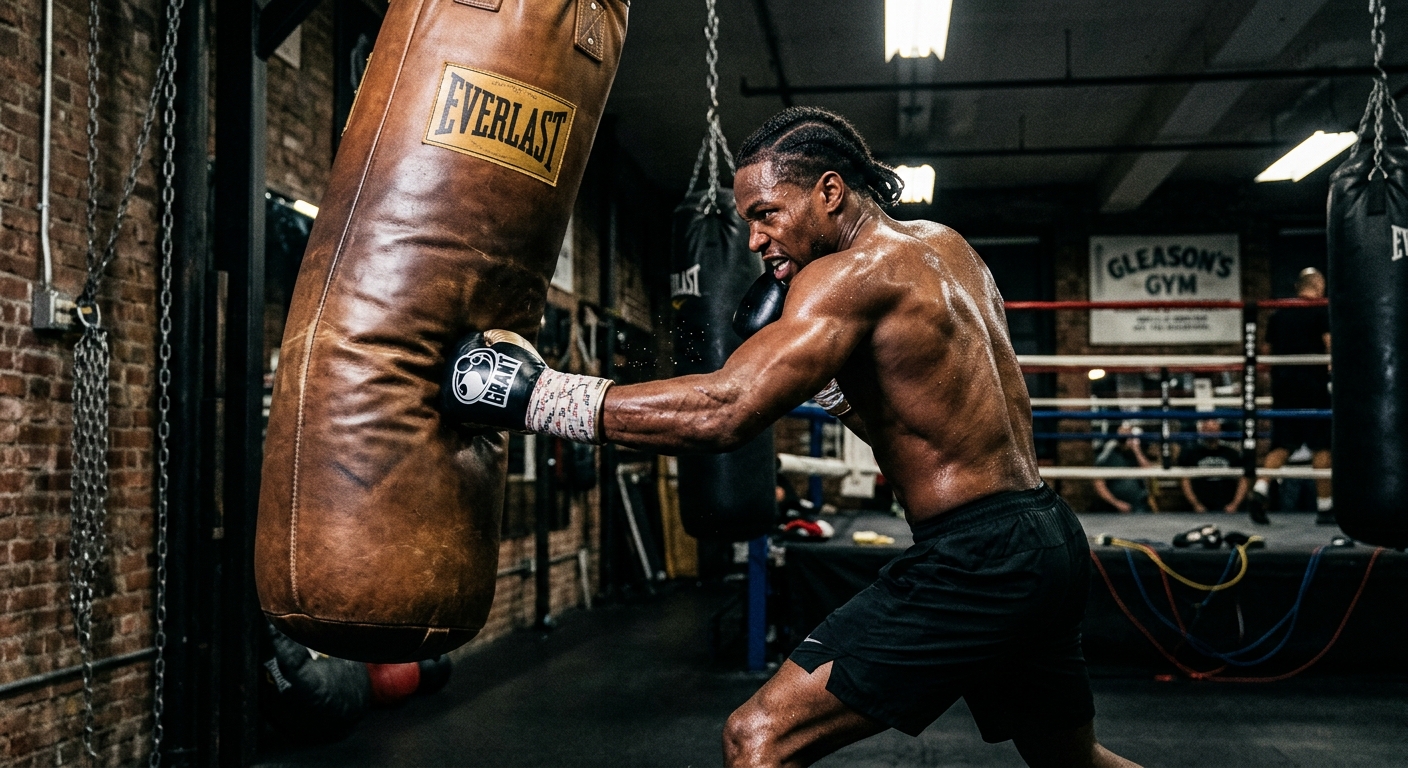
Most combinations start with jabs, making the opening rear uppercut surprising and effective. Keep it short and sharp, then immediately pivot for the lead hook. The final cross should be your hardest punch because the uppercut and hook will have disrupted their defense.
This works best at close range where the uppercut can be most effective. Practice stepping forward with the uppercut to close distance, then using proper footwork for the hook and cross.
14. Six-Punch Combination (1-2-3-2-3-2)
Advanced combination for experienced boxers: jab-cross-lead hook-cross-lead hook-cross. This creates tremendous pressure and demands good conditioning.
The trick is keeping power throughout all six punches. Many fighters fade after the fourth punch, making the final cross weak and ineffective. Practice building your combinations gradually, starting with four punches and adding the final two when your conditioning improves.
Pro boxers use extended combinations like this to overwhelm opponents and score multiple points in rapid succession. The rhythm should flow naturally, not feel forced or rushed.
15. Southpaw Special (2-3-2-1)
Perfect for southpaws or orthodox fighters practicing opposite-stance combinations: rear cross-lead hook-rear cross-jab. The unusual finishing jab often catches opponents off-guard.
This reverses typical combination patterns by starting with power and ending with speed. The finishing jab should be lightning-fast and unexpected, often landing clean while opponents expect more power punches.
Practice combinations from both orthodox and southpaw stances to improve your overall boxing skills and understand different fighting angles.
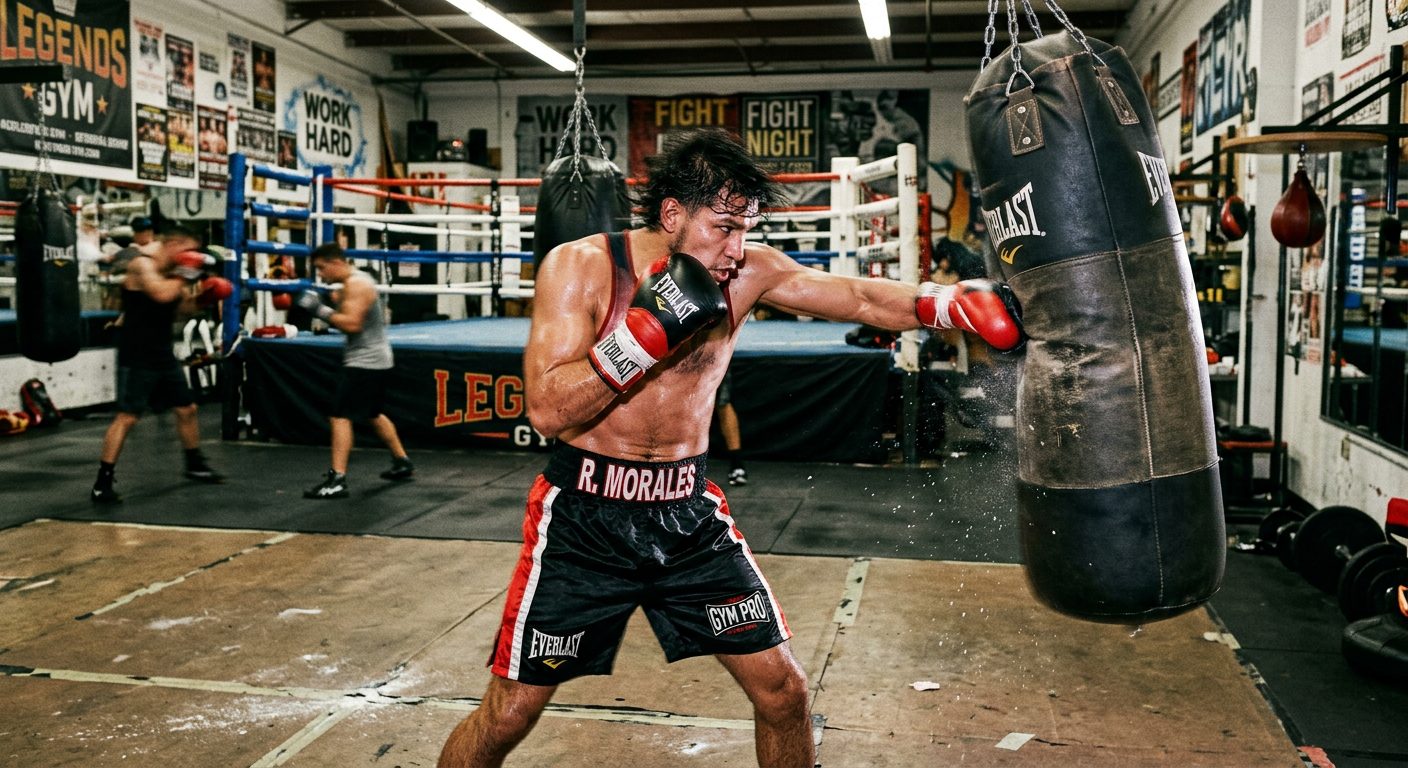
Heavy Bag Pro: Your Combination Training Partner
Heavy Bag Pro has over 1,000 boxing combinations with proper progression from beginner to pro level. The app breaks down each combination with visual cues, timing guidance, and structured training sessions that adapt to your skill level.
Instead of trying to remember complex combinations during training, Heavy Bag Pro guides you through each sequence with audio cues and proper timing. The app includes beginner-friendly combinations that gradually increase in complexity as your skills develop.
Pro trainers use Heavy Bag Pro to make sure their fighters practice combinations correctly and consistently. The app eliminates guesswork and provides structured progression that builds real fighting skills systematically.
Training Tips for Mastering Combinations
Start slow and focus on clean technique over power or speed. Each punch in a combination should be thrown with proper form before adding speed or power. Sloppy technique practiced repeatedly becomes permanent bad habits.
Practice combinations for entire rounds, not just a few reps. Three minutes of continuous combination work builds the conditioning and muscle memory you need for effective use in sparring or competition.
Use our free boxing timer at [heavybag.pro/boxingtimer](https://heavybag.pro/boxingtimer/) to structure your training sessions properly. Work for three minutes, rest for one minute, just like real boxing rounds.
Focus on one combination per training session until it becomes automatic. Trying to learn multiple combinations at once often results in confusion and poor technique development.
Common Combination Mistakes to Avoid
Dropping your hands between punches creates openings for counter-attacks. Keep your guard up throughout the entire combination, even during transitions between punches.
Telegraphing punches by winding up or changing stance before throwing eliminates the surprise element that makes combinations effective. Each punch should flow naturally from your fighting stance.
Throwing arm punches instead of using your whole body reduces power and creates poor technique habits. Every punch should involve your legs, hips, and core for maximum effectiveness.
Forgetting to reset your stance after combinations leaves you off-balance and vulnerable. End every combination in a defensive position ready to attack or defend immediately.
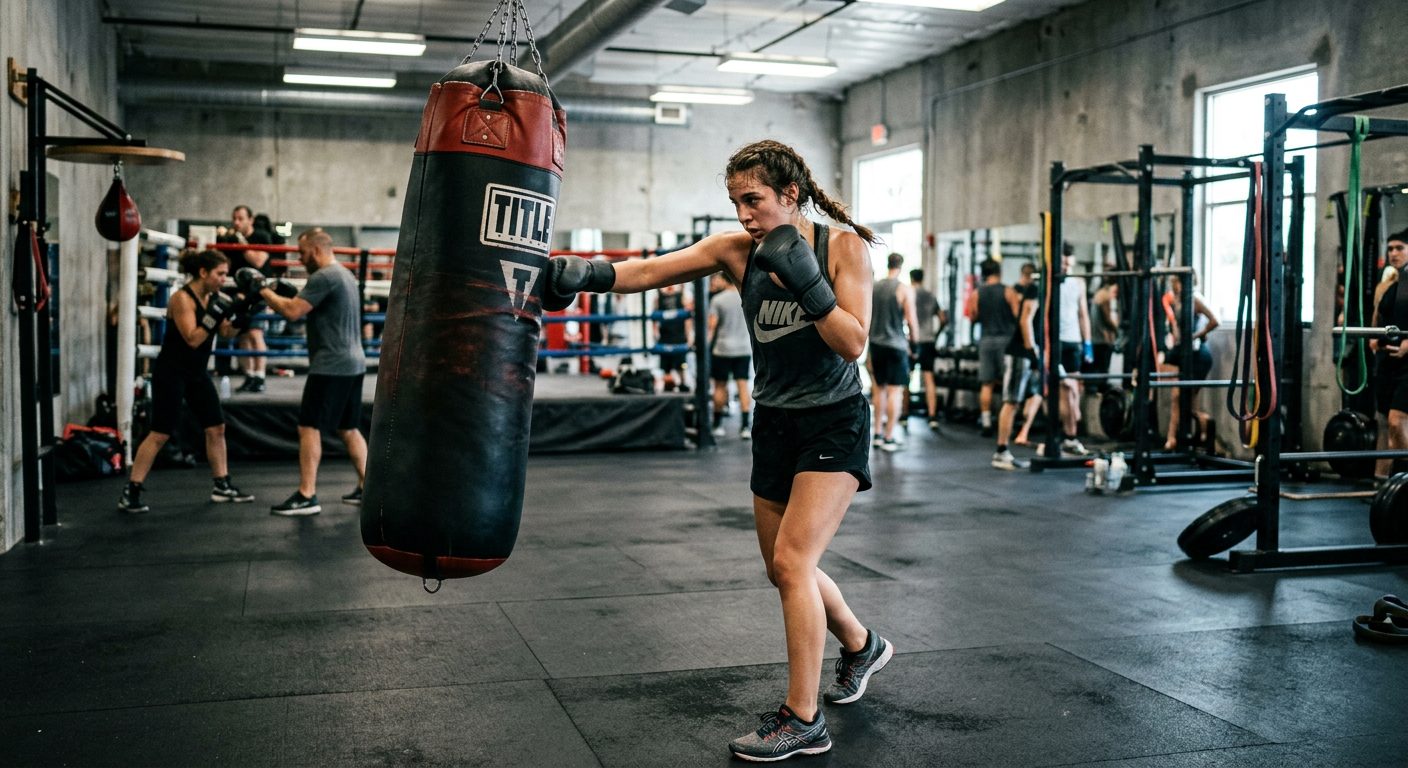
Building Your Daily Combination Routine
Week 1: Get combinations 1-5 down with proper form and timing
Week 2: Add combinations 6-10 while keeping quality on the first five
Week 3: Work in combinations 11-15 and begin mixing different sequences
Week 4: Flow between combinations randomly to simulate real fighting scenarios
Each training session should include 6-8 rounds of combination work with proper rest between rounds. Focus on quality reps rather than exhausting yourself with sloppy technique.
Record yourself training occasionally to spot technique flaws that feel right but look wrong. Video analysis reveals timing issues, dropped guards, and poor footwork that mirrors don’t show clearly.
Take Your Training to the Next Level
These 15 combinations provide the foundation for effective heavy bag training, but proper guidance makes the difference between good and great. Heavy Bag Pro offers structured training programs that progress systematically through these combinations and hundreds more.
Professional results require professional training methods. Download Heavy Bag Pro today and transform your heavy bag sessions from random punching into focused skill development that builds real fighting ability.
Get these combinations down through consistent practice, and you’ll develop the timing, power, and technique that separates serious boxers from casual gym-goers. Your heavy bag training will never be the same.