

Why Fear of Getting Hit Is Natural (And Perfectly Normal)
If you’re 3 months into boxing and still flinch when you see a punch coming, relax. You’re not broken, you’re not too old to learn, and you’re definitely not the only one dealing with this. In fact, that fear response means your brain is working exactly as it should.
Your nervous system has spent years keeping you safe by making you avoid potential threats to your face. Boxing asks you to do the opposite of everything your survival instincts have taught you since childhood. Of course you’re going to flinch, squint, and want to turn away. That’s your brain doing its job.
The difference between beginners who quit and those who push through isn’t bravery. It’s understanding that this fear can be systematically reduced through the right training approach. You don’t need to become fearless – you need to become functional despite the fear.
The Real Problem Isn’t Fear, It’s How You React to It
Here’s what most boxing guides get wrong: they tell you to “just get hit more” or “toughen up.” That’s like telling someone afraid of driving to floor it on the highway. You need controlled exposure, not chaos.
The issue isn’t that you feel fear when a punch is coming. The issue is when that fear makes you:
- Close your eyes at the worst possible moment
- Drop your hands to cover your face
- Turn your back or duck into more dangerous positions
- Freeze up completely instead of moving or countering
These reactions don’t just fail to protect you – they make you more vulnerable. A punch you don’t see coming will always hurt more than one you can track and brace for. When you close your eyes or turn away, you’re essentially handing your opponent free shots.
Progressive Contact Training: Building Confidence Step by Step
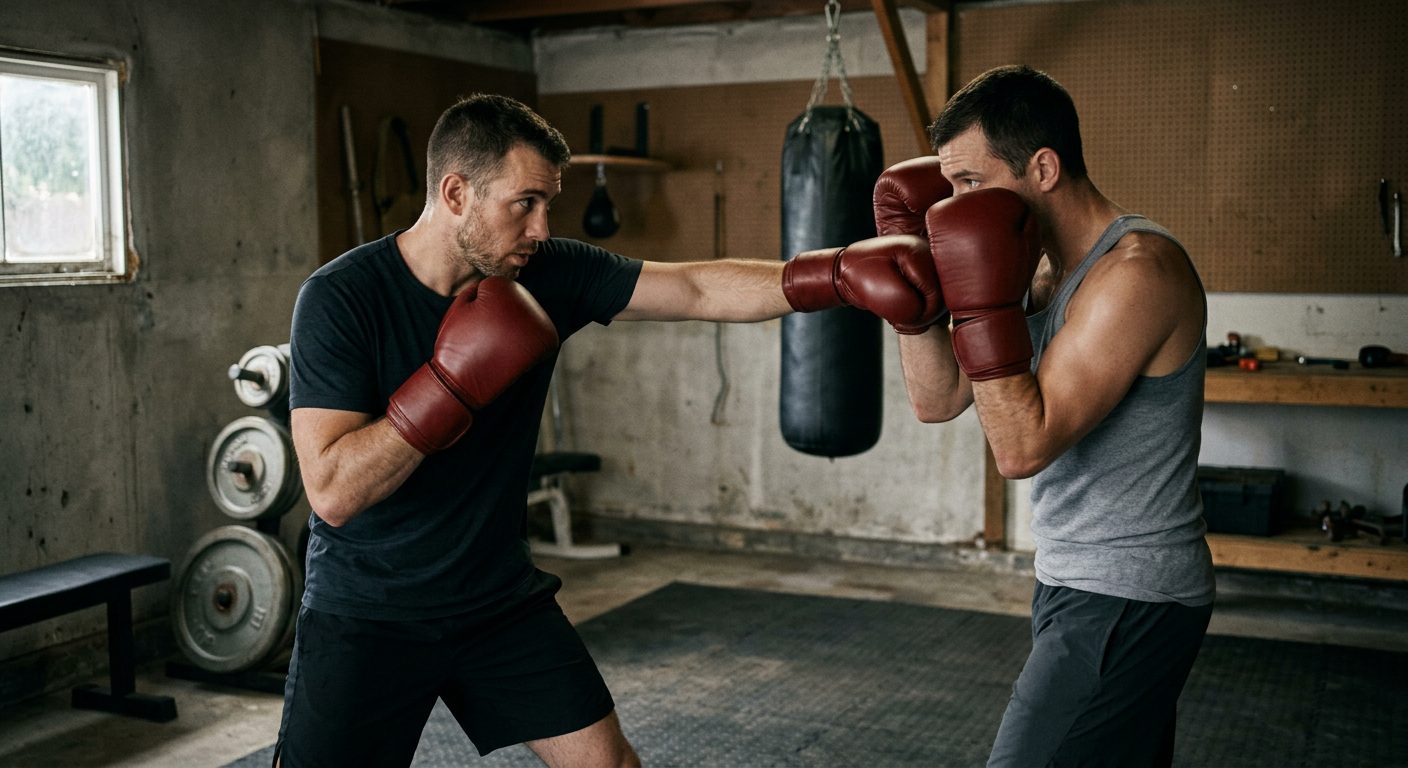
The fastest way to reduce your flinch response is through progressive contact drills that start impossibly easy and gradually increase in intensity. This isn’t about pain tolerance – it’s about reprogramming your nervous system to stay calm under pressure.
Stage 1: Visual Desensitization
Stand against a wall with your high guard up. Have a partner throw punches at your face that stop just short of making contact. Start with slow, obvious punches. Your only job is to keep your eyes open and watch the punch approach without moving.
This drill teaches your brain that incoming punches don’t automatically equal damage. Do this for 30-second rounds, focusing entirely on keeping your eyes open and breathing normally. Once you can handle slow punches without flinching, gradually increase the speed while maintaining the same distance.
Stage 2: Light Contact on Guard
Now your partner can make very light contact with your gloves while you’re in high guard. The punches should feel like gentle taps – just enough to register contact but nowhere near painful. Again, your focus is on keeping your eyes open and staying relaxed.
This stage is crucial because it teaches you the difference between being touched and being hurt. Most new boxers think any contact means danger, but controlled contact on your guard is completely safe when done right.
Stage 3: Controlled Sparring with Touch Contact
Move to very light sparring where the goal is to “touch” rather than hit. Both partners throw real punches but with just enough force to make contact. This isn’t about hurting anyone – it’s about getting comfortable with the rhythm and flow of exchanging punches.
At this stage, you’ll start learning that getting tagged once in a while isn’t the end of the world. You’ll also begin to trust your guard and develop the confidence to stay in the pocket instead of backing straight up every time you see a punch.
Mental Training: Staying Present Under Pressure
Boxing fear often comes from your mind jumping ahead to worst-case scenarios. You see a punch coming and immediately think “This is going to hurt” or “I’m going to get knocked out” instead of staying present with what’s actually happening.
The Breathing Reset
When you notice yourself tensing up or holding your breath during drills, use this simple reset: exhale sharply through your nose while keeping your eyes locked on your training partner. This physiological cue tells your nervous system that you’re still in control and not in immediate danger.
Practice this breathing pattern during shadowboxing first, then gradually incorporate it into partner drills. The goal is to make calm breathing automatic, even when punches are coming your way.
Eye Contact and Awareness
Instead of focusing on the incoming punch itself, train yourself to maintain eye contact with your training partner. This keeps you present and prevents your mind from spiraling into fear thoughts. It also gives you better information about what punches might be coming next.
Many experienced boxers describe a calm, almost meditative state where they can see punches coming clearly without the emotional reaction. This comes from training your attention to stay focused on what’s happening now, not what might happen.
Using Heavy Bag Pro for Mental Preparation

One of the biggest advantages of structured round training is that it gives your nervous system time to adapt gradually. Instead of jumping straight into chaotic sparring, you can use timed rounds to build your tolerance for intensity systematically.
Set up progressive rounds on your heavy bag timer: start with 1-minute rounds focusing entirely on keeping your eyes open during combinations, then move to 2-minute rounds where you practice breathing under exertion, and finally 3-minute rounds where you work on staying relaxed even when pushing hard.
The timer structure helps because it creates predictable stress periods followed by rest. Your brain learns that the intensity is temporary and manageable, which carries over to sparring sessions where you know the round will end.
Common Mistakes That Keep You Scared
The biggest mistake new boxers make is jumping into hard sparring too quickly. Getting overwhelmed early in your training creates negative associations that are much harder to overcome later. If you’re consistently leaving the gym feeling beaten up or demoralized, you’re progressing too fast.
Another mistake is trying to copy advanced boxers who barely seem to guard at all. Those fighters have years of experience reading opponents and can slip punches because they know exactly what’s coming. As a beginner with slower reflexes, your high guard is your best friend – use it until you develop the timing and experience to do otherwise.
Don’t train with people who see new guys as target practice. Find training partners who understand the value of controlled practice and are willing to work at a pace that challenges you without overwhelming you.
When the Flinch Response Actually Helps
Here’s something most boxing articles won’t tell you: some level of defensive reaction is actually useful. The problem isn’t having reflexes – it’s having the wrong reflexes at the wrong time.
Good boxers still react to incoming punches. They just react by moving to better positions, tightening their guard, or countering, instead of closing their eyes and turning away. The goal isn’t to eliminate your defensive instincts – it’s to channel them into more effective responses.
Some of the best defensive fighters maintain a healthy respect for their opponent’s power throughout their careers. They just express that respect through superior positioning and technique rather than fear-based reactions.
Building Real Confidence Through Competence
The confidence to stay calm under fire doesn’t come from convincing yourself that punches don’t hurt. It comes from knowing you have the skills to deal with whatever comes your way. As your defensive technique improves, your fear naturally decreases because you trust your ability to protect yourself.
Focus on drilling your fundamentals until they become automatic. When your high guard, footwork, and basic defensive movements are solid, you’ll feel much more comfortable in sparring because you know you have reliable tools to fall back on.
This is why rushing into sparring before your basics are solid often backfires. You end up relying on fear-based reactions instead of technique because you don’t have practiced responses to fall back on.
The Age Factor: Why Starting Later Can Actually Help
If you’re worried about starting boxing at 27 (or 37, or 47), you’re actually at an advantage in some ways. Older beginners typically have better self-control and are more willing to follow a systematic training approach instead of jumping into the deep end immediately.
You’re also more likely to prioritize learning proper technique over looking tough, which means you’re more likely to build solid fundamentals that will serve you well long-term. Many older beginners end up becoming very technically sound boxers precisely because they’re more cautious and deliberate in their approach.
The key is working with your natural caution instead of fighting against it. Use your adult brain to create a logical progression that builds confidence through competence rather than trying to force yourself into uncomfortable situations before you’re ready.
Creating Your Anti-Fear Training Schedule
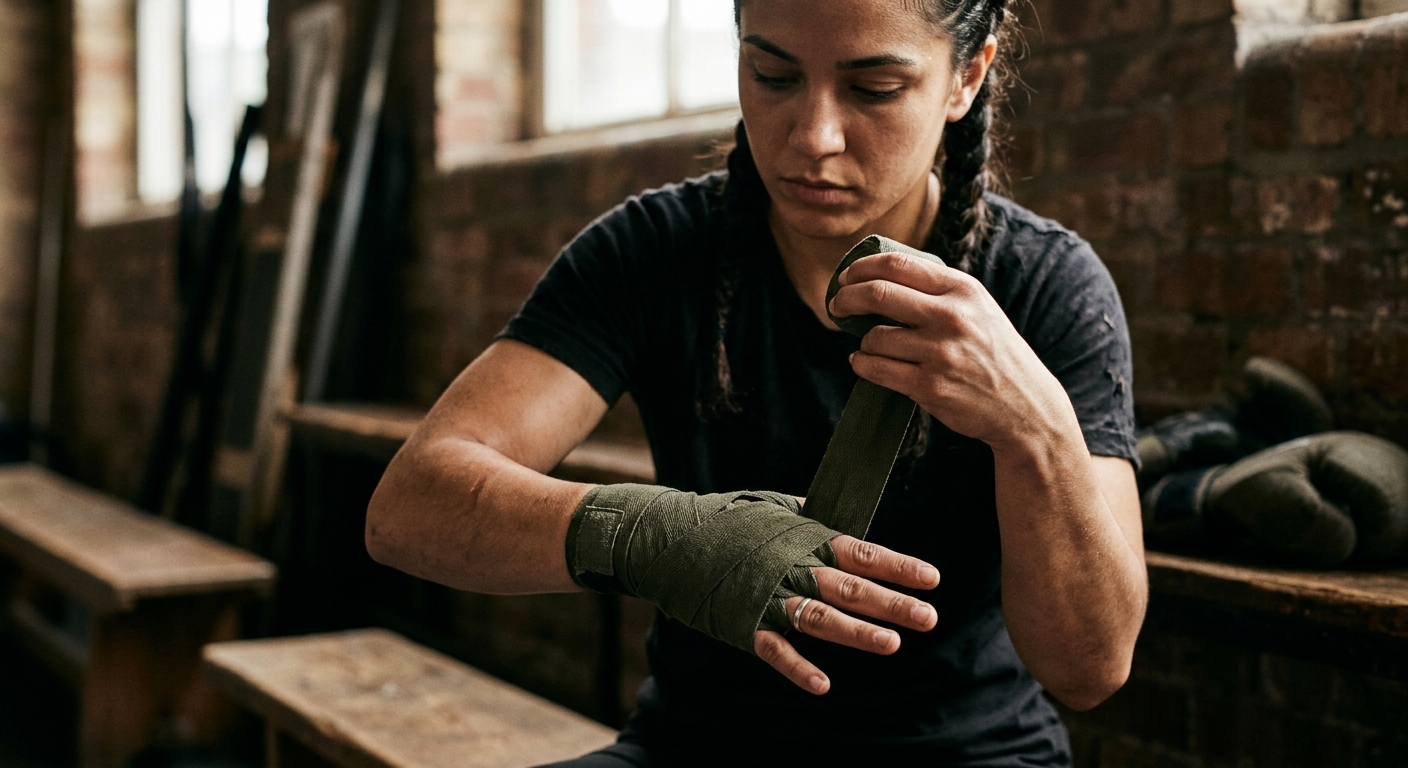
Structure your training so that each session builds on the last one without overwhelming your nervous system. Here’s a progressive approach that works for most beginners:
Weeks 1-2: Focus entirely on shadowboxing and heavy bag work. Get comfortable throwing punches and moving around before anyone starts throwing back. Use 2-minute rounds with 1-minute rest to build basic conditioning without the stress of contact.
Weeks 3-4: Add partner drills with zero contact. Practice timing, distance, and defensive movements with a cooperative partner. This teaches you what it looks like when someone else throws punches without the fear element.
Weeks 5-6: Introduce the progressive contact drills described earlier. Start with visual desensitization and move to light contact on guard only when you’re completely comfortable with the previous stage.
Weeks 7-8: Begin very light technical sparring with trusted partners. The emphasis should be on practicing technique, not winning or proving anything. If you’re getting hit hard or feeling overwhelmed, slow it down.
This timeline assumes you’re training 2-3 times per week consistently. If you’re training less frequently, extend each stage accordingly. The goal is gradual adaptation, not rushing to some arbitrary deadline.
What Real Progress Looks Like
Real progress in overcoming fear of getting hit doesn’t happen overnight, and it doesn’t look like suddenly becoming fearless. Instead, you’ll notice subtle changes in how you react under pressure.
First, you’ll catch yourself keeping your eyes open longer during drills. Then you’ll notice that you’re breathing more normally during partner work. Eventually, you’ll find yourself staying calm and thinking clearly even when sparring gets a bit intense.
The biggest breakthrough for most people comes when they realize they’ve been hit clean once or twice and barely registered it because they were focused on what to do next rather than on the fact that they got tagged. That’s when you know your training is working.
Remember that even professional boxers continue working on this throughout their careers. The difference between beginners and pros isn’t that pros never feel fear – it’s that they’ve trained their responses so thoroughly that fear doesn’t interfere with their performance.
Beyond Fear: Building a Complete Fighter’s Mindset
Once you’ve worked through the initial fear response, you can start developing the more advanced mental skills that separate good boxers from beginners. This includes learning to use controlled aggression, reading your opponent’s patterns, and staying calm under pressure.
The confidence that comes from systematic training creates a foundation for these more advanced skills. When you’re not worried about basic survival, you can start thinking tactically about how to solve the puzzle your opponent presents.
This is why taking the time to properly address fear early in your training pays off so much later. Fighters who rush through this foundation often hit plateaus because they never developed the mental composure needed for higher-level boxing.
Use the Heavy Bag Pro timer to structure your confidence-building sessions with consistent round times and rest periods. The predictable structure helps your nervous system adapt while you focus on technique development.
Your fear of getting hit isn’t a character flaw – it’s a normal response that can be systematically reduced through proper training. Trust the process, be patient with yourself, and remember that every professional boxer once stood exactly where you’re standing now.